- U.S. Border Patrol Commander Gregory Bovino is set to leave Minneapolis shortly as federal leadership shifts locations.
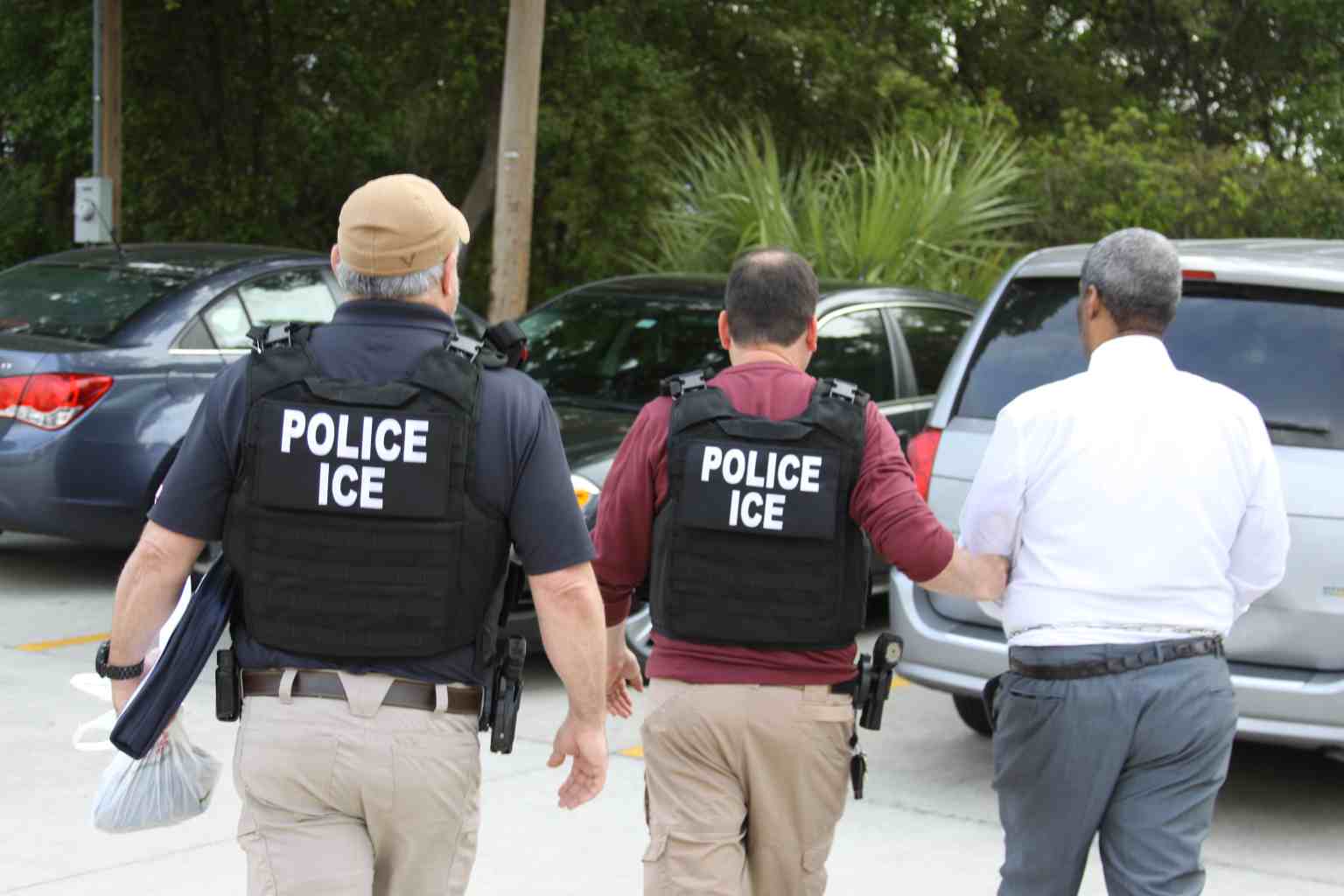
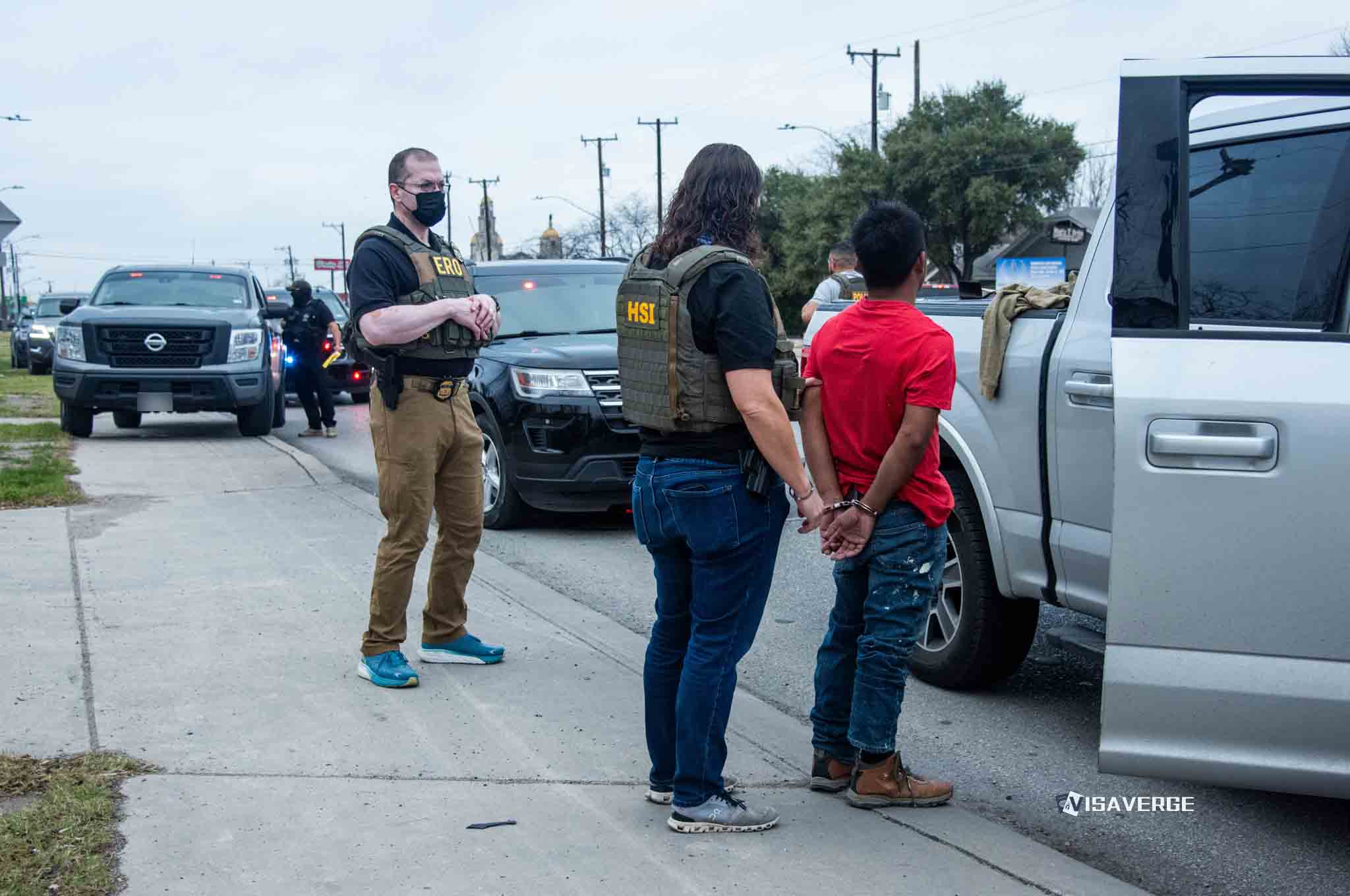
- Officials reported over 3,400 arrests since operations began, targeting individuals they categorize as high-priority criminal threats.
- Federal enforcement continues unabated despite a fatal shooting incident involving agents during a recent arrest operation.
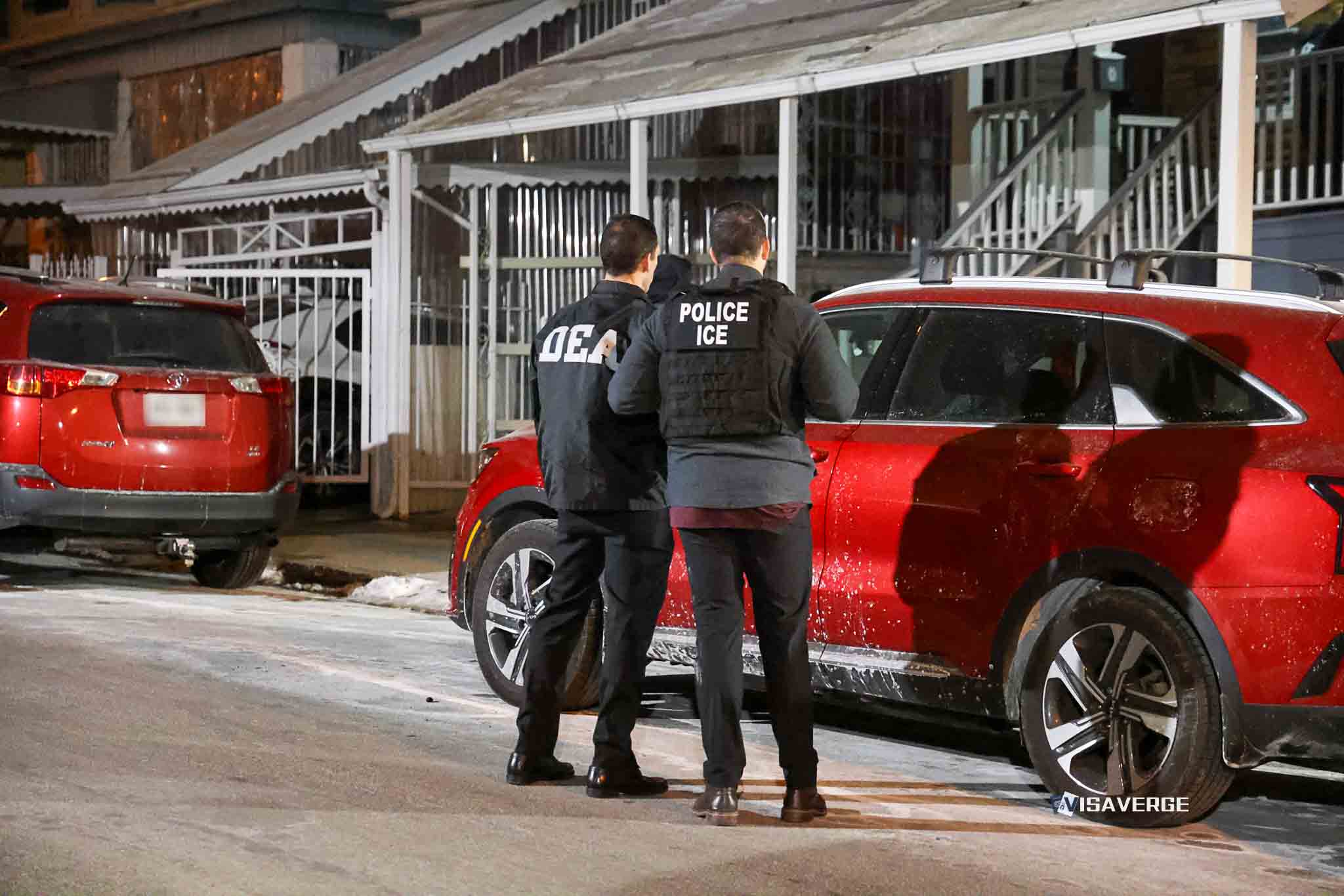
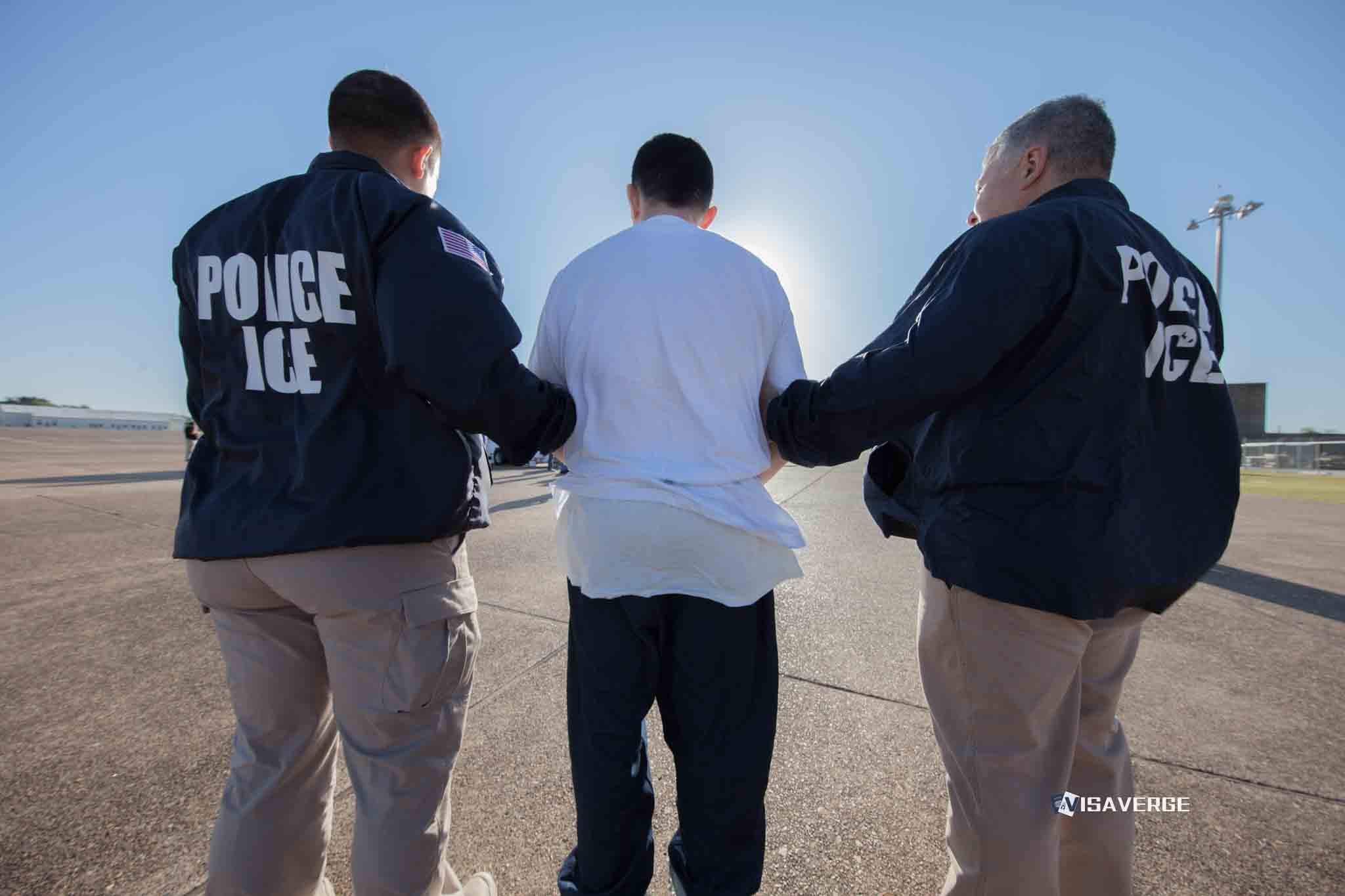
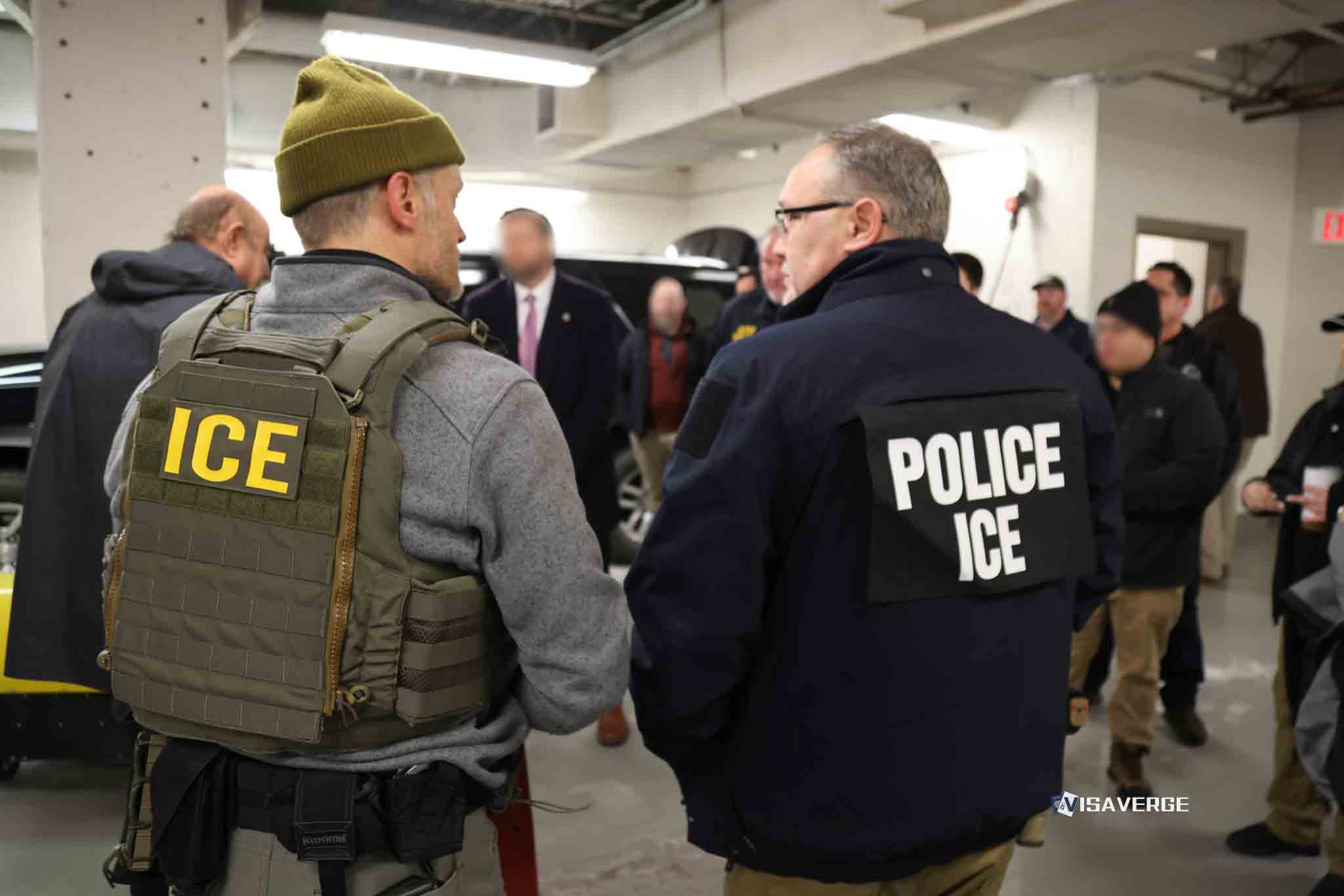
MINNEAPOLIS, MINNESOTA — U.S. Border Patrol Commander Gregory Bovino and some agents are set to leave Minneapolis imminently, multiple sources said, a shift that would move federal leadership while immigration enforcement operations continue in Minnesota.
Fox9 reported the move as imminent, citing multiple sources, but the timing and staffing details remain unclear. Sources described Bovino as “commander at large for CBP assets here in Minneapolis” and “Border Patrol Commander-at-Large.”
The expected departure matters for residents and local stakeholders because it suggests a change in where federal leadership sits, even as federal operations are described as ongoing. The available information points to continued federal presence, with leadership relocating and some agents leaving, while other work continues.
A joint press conference on January 25, 2026 put that operation in public view. Bovino appeared alongside ICE Executive Assistant Director of Enforcement and Removal Operations Marcos Charles.
Charles cited over 3,400 arrests since operations began and described those arrested as “criminal illegal aliens, gang members, and terrorists.” Officials also highlighted specific examples: a man from Laos convicted of assault, a 45-year-old from Ukraine convicted of first-degree robbery, and a 46-year-old from Laos with prior convictions.
Those labels have become central to how officials justify enforcement activity and how the public weighs its scope and goals. Officials did not lay out detailed criteria for those categories, explain charging outcomes, or specify which jurisdictions handled the arrests they cited.
Questions also remain about how authorities define the categories they used, and how those labels map onto criminal records, immigration status, or case outcomes. Officials have not provided a public breakdown that would allow an outside accounting of how “criminal illegal aliens, gang members, and terrorists” were determined in each case.
Bovino also addressed a fatal shooting during an arrest operation that he tied to the enforcement push. He discussed the death of Alex Pretti on January 24 or 25, 2026 during what he described as the arrest of a “violent illegal alien.”
Bovino said Pretti “approached Border Patrol agents with [a] nine millimeter semi-auto handgun,” “injected himself into a law enforcement action,” and became involved in an active scene where de-escalation did not succeed. He said agents attempted to de-escalate with pepper spray, but it failed.
Bovino described the scene as fast-moving and said agents used force under 18 U.S.C. 111, which he referenced in connection with assault on federal officers. Officials have not provided additional public details in these statements about investigative findings, charging decisions tied to the incident, or how any review of the encounter will proceed.
Bovino’s account framed the encounter as an immediate threat that led to the use of force. In a CNN interview with Dana Bash on January 25, Bovino defended his agents’ training and performance, pushing back against claims that Border Patrol lacks experience operating in large cities.
“They are highly trained,”
Bovino argued they can work in urban environments and cited San Diego, Tucson, New Orleans, Detroit, and Buffalo as examples. He said agents involved in the encounter moved to administrative duty and off Minneapolis streets due to safety concerns linked to doxxing.
He said they continued working elsewhere, describing the shift as a safety-driven adjustment rather than a halt to activity. Operations continue “unabated,” Bovino said, even as the expected departure of leadership and some agents adds uncertainty about who will direct work in Minnesota and how visible federal activity will be in Minneapolis itself.
Bovino also criticized local politicians, community leaders, and journalists, blaming their rhetoric for what he described as heightened risks to federal agents. He framed agents as victims amid chaotic situations and linked that framing to his account of threats and violence against personnel.
That rhetorical clash has become part of the story of the operation itself, with Bovino defending tactics and training while also arguing that criticism can translate into real-world danger. His remarks placed safety and accountability in direct tension, with federal officials emphasizing threats to agents as they defend enforcement methods.
Even with Bovino’s repeated public defense, the practical details of the transition remain unsettled. No exact departure date has been specified for Bovino or the agents expected to leave Minnesota.
Officials also have not publicly stated how many agents will depart, who will replace Bovino in Minneapolis leadership roles, or how staffing levels will look as the operation continues. For now, the operation has been described as continuing without interruption, with more specifics expected to come only with official confirmation and staffing updates.