- ICE arrests fell nearly 12% nationwide following the high-profile killings of two citizens in Minneapolis.
- Border Czar Tom Homan led a strategic leadership overhaul and drawdown of federal agents in Minnesota.
- The share of arrests involving individuals without criminal convictions dropped from 46% to 41%.
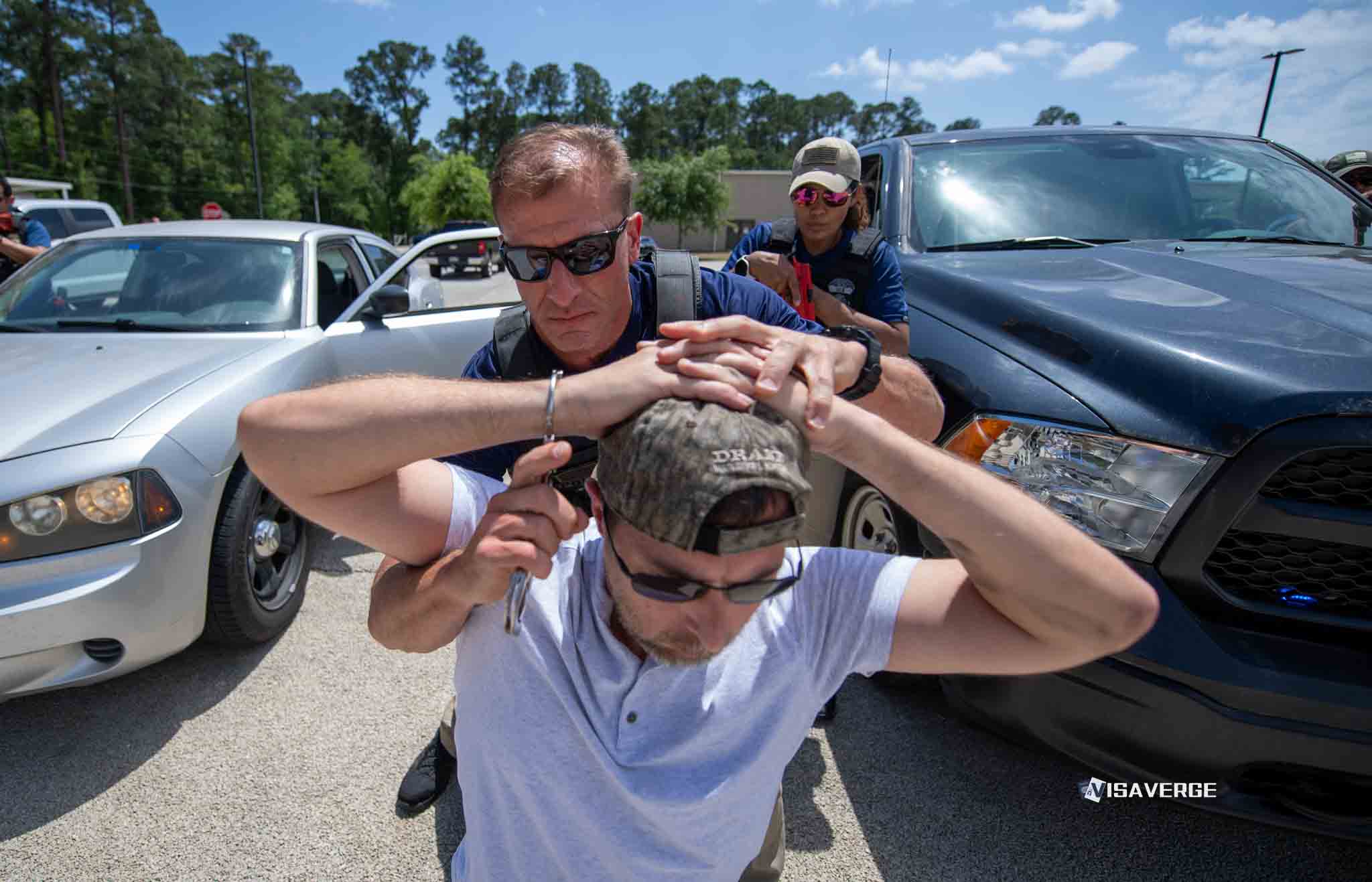
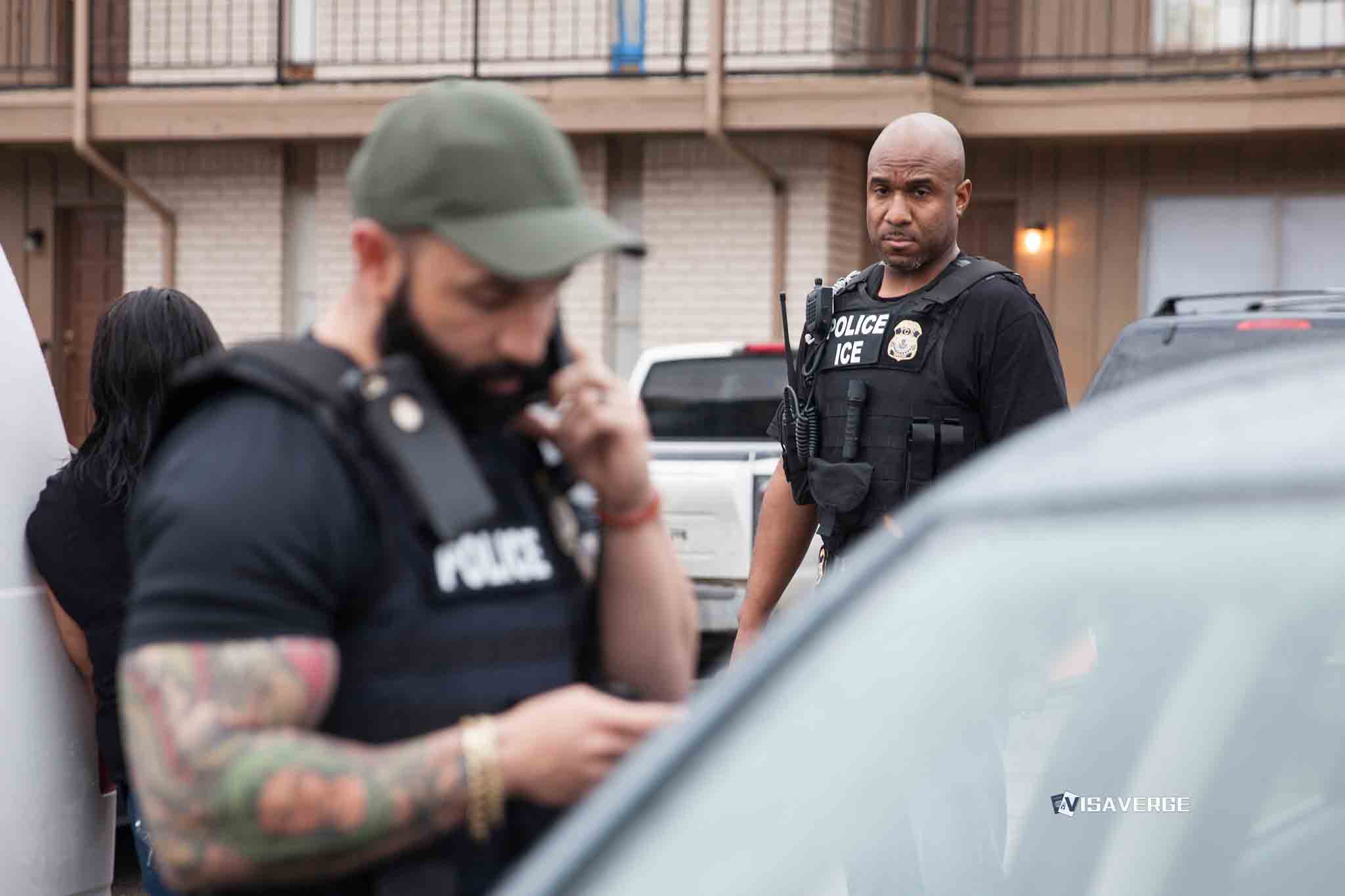
(MINNEAPOLIS, MINNESOTA) — U.S. Immigration and Customs Enforcement arrests fell nearly 12% nationwide after the late-January killings of two U.S. citizens in Minneapolis and a leadership overhaul inside President Trump’s immigration enforcement operation.
After Border Czar Tom Homan announced a drawdown of immigration agents in Minnesota on February 4, ICE averaged 7,369 weekly arrests nationwide over the next five weeks, down from 8,347 weekly arrests in the previous five weeks.
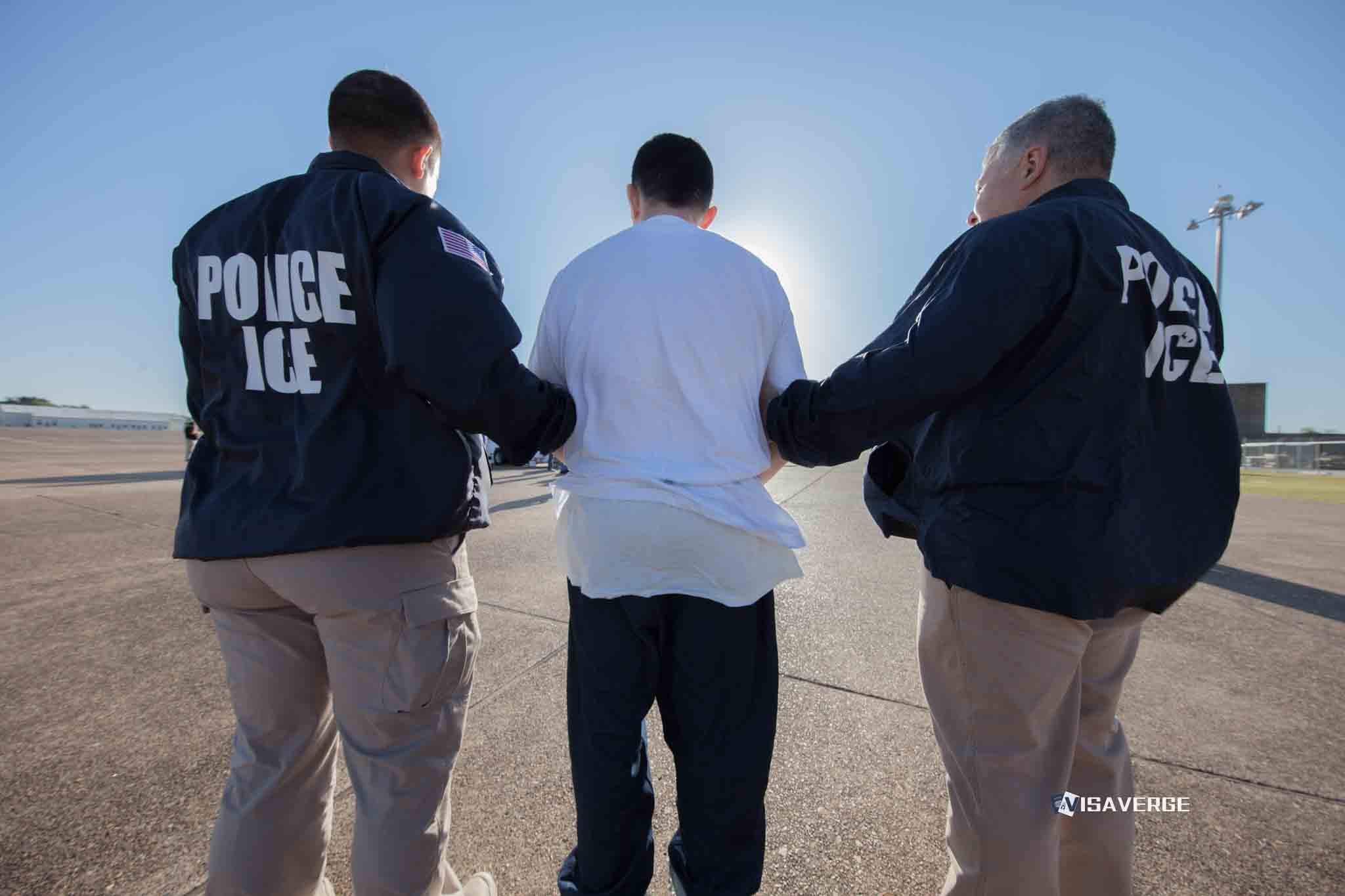
The drop followed a stretch of heavier enforcement. ICE arrests peaked at nearly 40,000 nationwide in December 2025 and stayed close to that level in January.
The shift came after Renee Good and Alex Pretti were killed by immigration officers in Minneapolis in late January. Their deaths were followed by a broad immigration shake-up under the Trump administration.
Gregory Bovino, a top Border Patrol commander closely associated with aggressive enforcement actions, was replaced. Homan was sent to the Twin Cities to redirect strategy.
That change in direction did not produce the same result everywhere. Arrests rose in Kentucky, Indiana, North Carolina and Florida during the five weeks after the leadership change.
In some of those states, weekly totals reached their highest levels since Trump’s second term began. Those increases were offset by steep declines in large states including Minnesota and Texas.
The national figures suggest the pullback after Minneapolis reflected more than a local redeployment. A reduction in one state coincided with a measurable decline across the country, even as some regional field operations kept expanding arrests.
The people ICE arrested also changed. Nationally, 46% of those arrested in the five weeks before February 4 had no criminal charges or convictions.
That share fell to 41% in the five weeks after the drawdown. Even with that decline, both figures remained above the 35% weekly average since Trump returned to office.
The numbers show that ICE arrests without criminal charges or convictions stayed elevated even after the post-Minneapolis slowdown. The mix shifted, but it did not return to the lower average recorded over the broader period since Trump’s return.
Minneapolis sat at the center of the change. Two deaths tied to immigration officers in the city were followed within days by a personnel drawdown in Minnesota and the reassignment of one of the administration’s most aggressive enforcement commanders.
Homan’s move to the Twin Cities placed the administration’s most visible immigration enforcer inside the response. At the same time, the national arrest pace eased from the levels recorded in the five weeks before February 4.
ICE arrests, however, did not collapse. A weekly average of 7,369 still reflected a large enforcement operation, and the state-by-state variation showed that field activity remained active even as the national total moved lower.
Minnesota’s decline carried outsize weight because it came after the Minneapolis shootings and because the state became the focus of the administration’s response. Texas also posted a steep decline, helping pull down the national count as rises in other states pushed the other way.
The pattern points to a recalibration rather than a halt. Enforcement remained broad, but leadership changes after Minneapolis altered where agents were deployed and how arrest totals accumulated from one week to the next.
December’s nationwide peak of nearly 40,000 arrests, followed by similarly high levels in January, gave the later decline a sharper edge. The numbers after February 4 marked a clear break from that earlier pace.
Arrest totals in Kentucky, Indiana, North Carolina and Florida showed that some parts of the country moved in the opposite direction. In those states, enforcement intensified even as Minneapolis triggered a broader rethink inside the administration.
The combined effect produced a national downturn that tracked directly with the aftermath of the Minneapolis killings, the removal of Bovino and Homan’s intervention in Minnesota. ICE arrests fell, but the data also showed an agency still arresting thousands each week and still taking a large share of people with no criminal charges or convictions.