Florida’s immigration enforcement campaign has expanded far beyond the original 1,120 arrests headline. State officials now say more than 25,000 undocumented immigrants have been arrested since Florida expanded its 287(g) operations in early 2025, alongside two sweeping laws signed on February 13, 2025 that created new enforcement structures and funded the crackdown.
- More than 25,000 undocumented immigrants have been arrested statewide since Florida expanded its 287(g) partnership, with over 10,000 of those arrests attributed to the Florida Highway Patrol.
- Florida’s new immigration laws, SB 2-C and SB 4-C, were signed on February 13, 2025 and established the State Board of Immigration Enforcement while directing more than $298 million toward immigration-focused law enforcement.
- State officials also cited a separate 10-day operation that produced 230 arrests, including sexual predators and sex offenders, and said the broader enforcement effort includes Operation Tidal Wave and Operation Locate.
- Operation Locate identified or located more than 400 children, while SB 2-C also ended in-state tuition eligibility for undocumented immigrants at Florida’s public colleges and universities beginning July 2025.
Florida is in the middle of its largest immigration crackdown in years, with more than 150 immigration-related criminal charges reported across recent operations and a record week in April 2025 that ended with the arrest of 1,120 criminal illegal aliens. State officials and ICE say the joint sweeps are aimed at people with prior arrests, gang ties, or final deportation orders, while advocacy groups warn that routine traffic stops are pulling in long-time residents with no criminal history. The pace has quickened since January 2025, reshaping police work, court dockets, and family routines across the state. For official enforcement updates, see ICE at https://www.ice.gov.
Enforcement Surge and April Operation
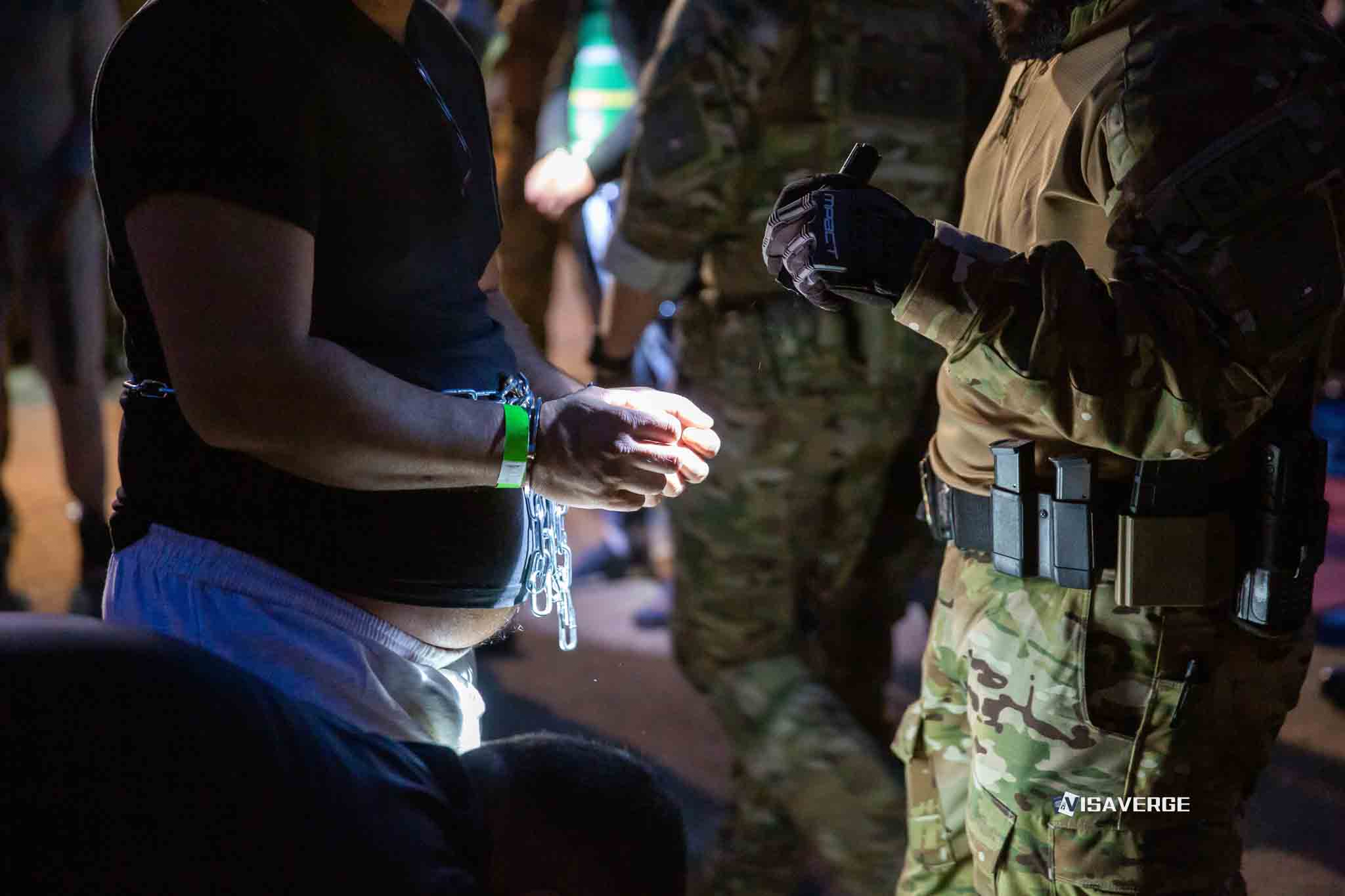
Between April 21–26, 2025, ICE and Florida law enforcement carried out the largest joint operation in state history.
Free toolI-94 Expiration Calculator Online- Of those taken into custody, 63% had prior arrests or convictions, and many had final removal orders.
- Officials highlighted arrests of suspected gang members and violent offenders.
- The effort aligned with a broader statewide push that has produced thousands of arrests since January.
Daily enforcement has climbed sharply.
- Since January 20, 2025, Florida has averaged 64 arrests per day, about triple the 2024 pace of 20 per day.
- Florida now ranks second in daily immigration arrests, behind Texas.
Analysis by VisaVerge.com attributes the sustained tempo to a mix of:
- state funding,
- expanded partnerships with ICE, and
- political commitment from the governor’s office.
National detention totals have risen alongside the surge.
- As of June 2025, ICE held an average of 57,200 people in civil immigration detention nationwide.
- Including the U.S. Marshals Service, jails, and federal prisons, the number of people detained on immigration charges rose 45%.
- In Florida, Marshals bookings increased 17% between January and April — a shift local defense lawyers say is flooding federal courts with cases tied to border entries years earlier.
Prosecutions have accelerated as well.
- In March 2025, U.S. Attorneys charged 4,550 defendants with immigration offenses nationwide, a 36.6% jump from February.
- That month, immigration crimes made up 57.5% of all federal convictions, driven by charges for:
- illegal entry — 1,660, and
- illegal reentry — 2,482.
Prosecutors say the pipeline from arrest to federal court is more steady as agency cooperation grows.
New State Measures and Legal Fight
Florida lawmakers approved SB 2-C and SB 4-C, with most provisions taking effect July 1, 2025. The package includes:
- Making it a crime for undocumented immigrants to enter or re-enter Florida.
- Authorizing the death penalty when an undocumented immigrant is convicted of a capital felony — a provision expected to face court challenges.
- Creating a State Board of Immigration Enforcement, chaired by the governor and cabinet, to coordinate with federal authorities.
- Allocating $298 million for immigration-focused law enforcement, adding 50 officers, and offering $1,000 bonuses tied to cooperation with federal enforcement.
- Ending in-state tuition eligibility for undocumented students at public colleges and universities.
Florida has also expanded its 287(g) footprint, letting state and local officers perform certain federal immigration tasks under ICE supervision. New or expanded agreements cover agencies such as:
- FDLE,
- FWC,
- the Florida State Guard,
- Highway Patrol, and
- Agricultural Law Enforcement.
ICE Deputy Director Madison Sheahan praised the partnerships, calling removals of dangerous offenders a public safety priority.
Hospitals now must ask patients about immigration status at intake. Health workers report increased fear in immigrant communities, including mixed-status families with U.S.-born children. Clinicians say some patients are skipping care, which could raise health costs and risks if treatable conditions worsen.
The new laws face fast-moving court battles.
- On July 9, 2025, the U.S. Supreme Court denied Florida’s request to enforce SB 4-C while litigation continues, leaving in place a federal judge’s injunction.
- Plaintiffs argue federal law preempts state attempts to criminalize mere presence or entry.
- Oral arguments in the Eleventh Circuit are set for October 2025.
Important: Even with parts of SB 4-C blocked, other tools (like 287(g) agreements and new funding) mean enforcement activity can remain high.
Daily Life Effects and Typical Processing Path
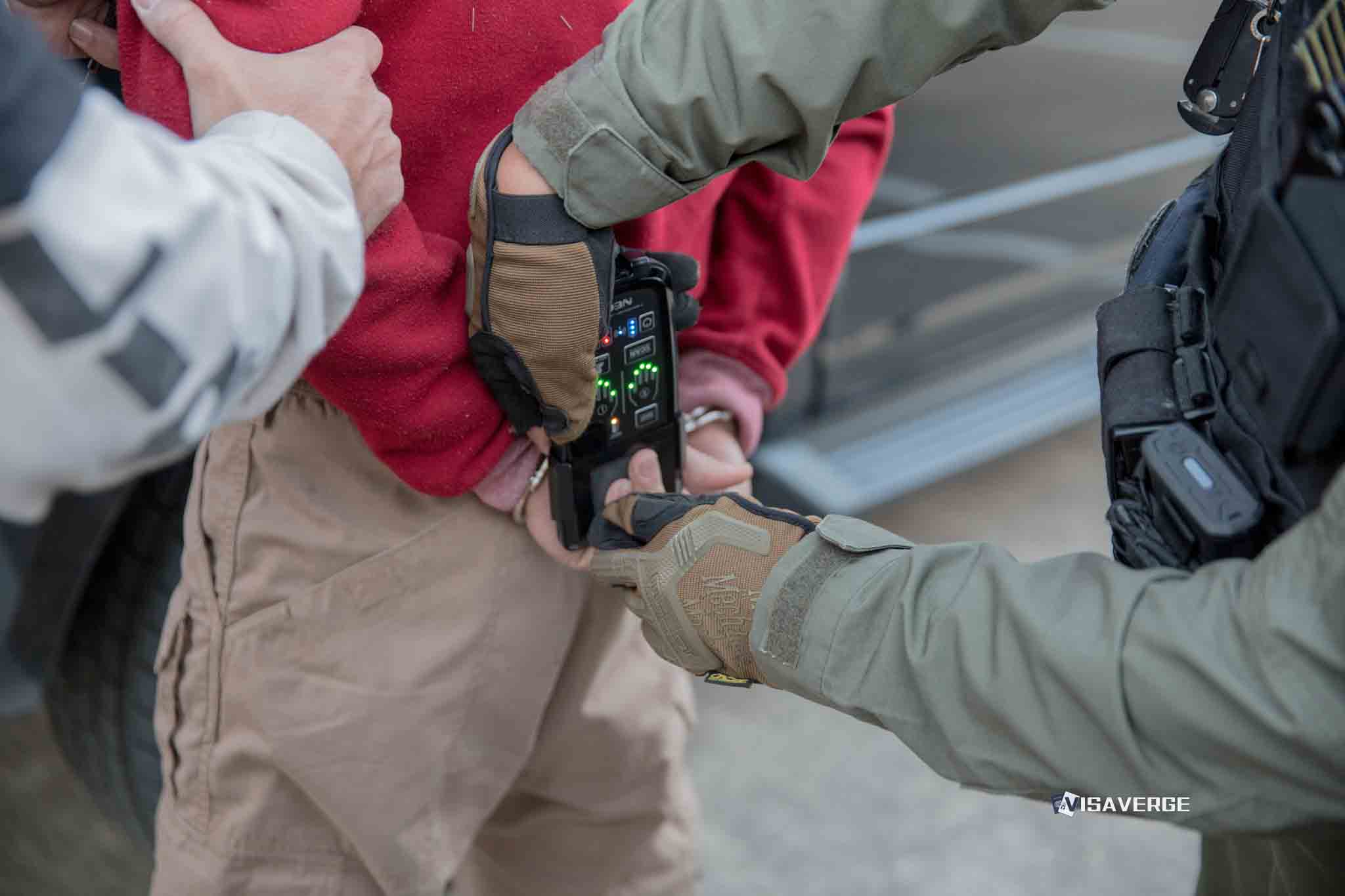
On the ground, small choices now carry new weight. People are being booked into ICE custody after stops for minor violations like driving without a license, then routed to removal proceedings.
Typical processing and case flow:
- Local officers make the initial stop or arrest.
- If immigration issues arise, the person may be transferred to ICE.
- Those with final orders of removal or who face illegal reentry charges can be moved into expedited procedures.
- Others wait for hearings before immigration judges or face federal criminal prosecution depending on their history and charges.
Practical effects being reported:
- Families worry that a hospital visit could expose relatives to arrest.
- Students who relied on in-state tuition had statuses reevaluated as of July 1, 2025, with some suddenly priced out of college.
- Farm owners report workers are leaving the state or refusing to drive, affecting harvest labor.
- Public defenders say caseloads are heavier and more complex, frequently involving both state charges and potential federal exposure.
- College counselors are fielding urgent questions from students whose tuition status changed mid-degree.
Key officials and advocacy positions:
- Governor Ron DeSantis has said he aims to make Florida the national leader in immigration enforcement, citing arrest numbers and new 287(g) agreements.
- Advocacy groups — including the Florida Immigrant Coalition and the Farmworker Association of Florida — argue the laws violate the Constitution and jeopardize long-settled families. They warn the hospital rule will deter sick people from seeking care, harming public health.
Legal Context and What Comes Next
Legal experts note that state-level criminal penalties for immigration can conflict with federal authority. They expect:
- continued litigation,
- the Eleventh Circuit’s ruling to be pivotal, and
- potential appeals up to the Supreme Court.
Context and trends:
- The current spike in arrests and prosecutions is the highest since the first Trump administration, though still below the 2019 peak.
- Under President Biden, federal prosecutions rose in early 2025 as agencies stepped up coordination with states like Florida.
If courts strike down parts of the state laws, daily arrest numbers may still remain high because of ongoing joint operations. If courts uphold them, attorneys expect swift appeals and possibly subsequent Supreme Court review.
What Families Should Know Right Now
- Keep personal documents in a safe place and carry a basic ID.
- If you have a prior removal order, speak with a licensed attorney about risks before any out-of-state travel.
- Parents should plan emergency contacts and temporary care instructions for children in case of detention.
- Seek medical care when needed; ask the provider about privacy rules and what information is shared.
Takeaway: Officials emphasize the focus on people with criminal records, while advocates say many arrests start with low-level stops that snowball. Both sides are preparing for a long legal fight that could set national precedent.
Florida’s enforcement machine is operating at full speed, with ICE, state police, and sheriffs aligned on strategy and priorities. Families, schools, hospitals, and employers are absorbing the effects in real time, one stop and one case at a time.
This Article in a Nutshell
Florida’s 2025 enforcement surge, peaking with 1,120 arrests in late April, reshapes policing, courts, families, and healthcare access amid fast-moving legal battles and expanding 287(g) partnerships driving prosecutions and detention growth statewide.