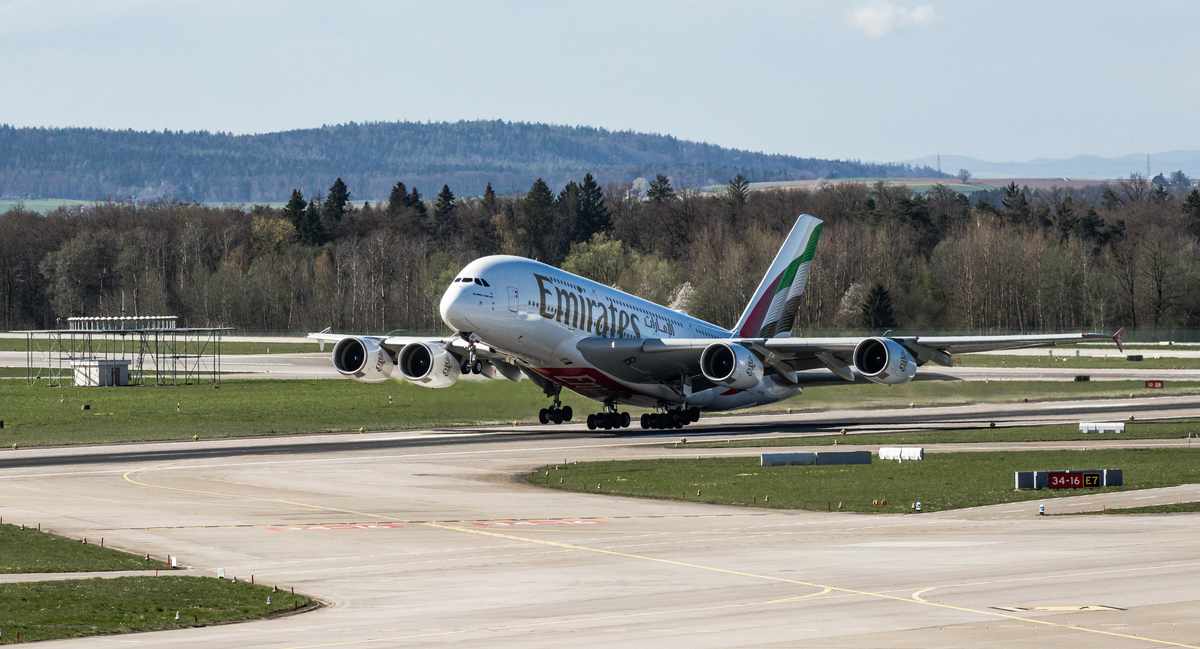
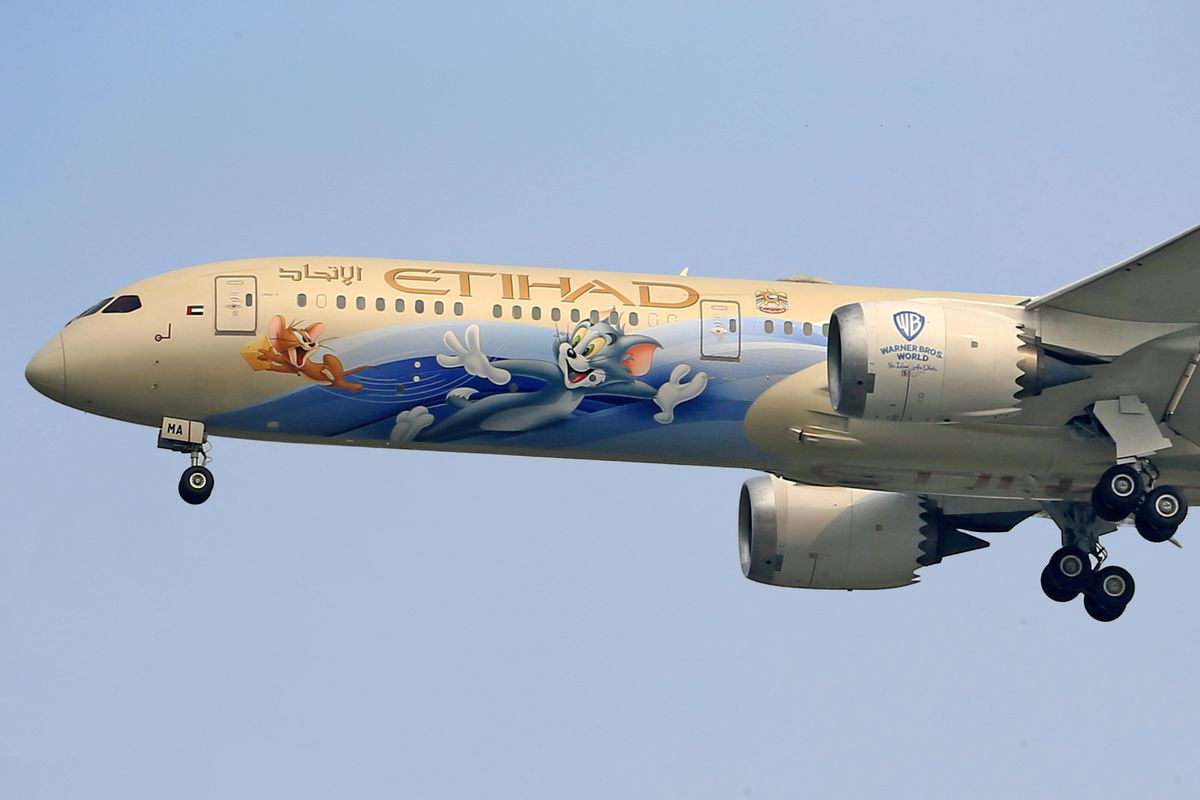
(DUBAI, UAE) — Emirates suspended all operations to and from Dubai International Airport on Saturday as regional airspace closures after U.S. and Israeli strikes on Iran forced airlines to cancel, divert and reroute flights across the Middle East.
Flydubai, Dubai’s low-cost carrier, also halted all operations on February 28, 2026, tightening the squeeze on one of the world’s most connected aviation hubs.
Dubai International Airport (DXB) and Al Maktoum International (DWC) closed indefinitely, leaving passengers unable to depart from Dubai, and preventing scheduled arrivals from landing there. Connecting travelers who typically transit through Dubai also faced disruptions, as aircraft and crews could not operate into or out of the airports.
The shutdown followed a cascade of airspace closures affecting Iran, Iraq, Israel, the UAE, Qatar, and parts of southern Syria. Airlines that rely on those corridors for routes between Europe, Asia and Africa faced immediate constraints on where they could fly and where they could safely position aircraft.
Emirates did not publish a route-by-route list of affected flights but confirmed a broad suspension to and from Dubai, a move that effectively removes its network from operation at its home base. Dubai International, described as the world’s busiest international airport, typically serves as the central transfer point for Emirates passengers traveling between continents.
Flydubai separately cancelled services to Iran, Iraq, Kuwait, Tel Aviv and Damascus. The combination of Emirates’ suspension and Flydubai’s cancellations affected both long-haul and regional travelers, including passengers booked on itineraries that connect onward through Dubai.
Wide-area restrictions often trigger knock-on effects beyond the countries that close their airspace. When airlines lose access to key corridors, they can face problems moving aircraft into position for later departures, rotating crews legally within duty-time limits, and matching planes to routes when flight times change.
Emirates, which focused on suspending operations rather than detailing reroutes, left many passengers looking to other airlines for options or awaiting updates. Even when carriers can reroute around closures, detours can add distance and time, increase fuel needs, and still leave limited alternates if multiple neighboring airspaces remain restricted.
Other airlines adjusted routings to avoid closed airspace. Virgin Atlantic grounded its London Heathrow-Dubai flight (VS400, scheduled 10:10pm February 28) and rerouted other flights west over Saudi Arabia instead of northeast Iraq; flights to India, Maldives and Riyadh may take longer with extra fuel loaded.
Before the strikes, observed patterns showed flights diverting over Saudi Arabia after 6am GMT on February 28. Those earlier diversions offered a preview of how quickly traffic patterns can shift when carriers try to steer around risk, though the scale of Saturday’s closures left fewer straightforward options.
United Airlines diverted or returned U.S.-Tel Aviv and U.S.-Dubai flights en route early Saturday. Such in-flight decisions can strand travelers far from their intended destination and complicate rebooking, since aircraft and crews may end up in locations not set up to handle large volumes of disrupted passengers.
For travelers holding Emirates tickets, the airline said it is assisting affected customers with “rebooking, refunds, or alternative travel arrangements,” and urged checking flight status and travel updates pages before heading to airports. Emirates also said, “Safety remains the top priority.”
Other carriers issued travel waivers or announced suspensions as the disruption spread. Wizz Air suspended Israel, Dubai, Abu Dhabi and Amman until March 7, while United suspended U.S.-Tel Aviv flights through Monday and U.S.-Dubai flights through Sunday, and Turkish Airlines suspended multiple Middle East routes through February 28 or March 2.
Airlines typically route disrupted passengers toward a limited set of pathways during mass events: rebooking onto later services, rerouting via other hubs where seats exist, or refunds when travel cannot proceed. Travelers often face different outcomes depending on ticket type, the airline’s waiver terms, and the consumer-protection rules that apply to the itinerary, which can vary by jurisdiction and by whether the flight is cancelled or simply delayed.
Carriers urged passengers to monitor status online and use official channels for changes, especially as airport closures and airspace restrictions can change without much notice. During widespread disruption, airline phone lines and chat systems can lag as call volumes spike, and in-person queues can swell as stranded travelers seek help.
Airports and airlines also shifted resources on the ground. Qatar Airways deployed staff at Hamad International to manage customer-service surges, a sign of how disruptions in nearby airspace can quickly spill over into alternate hubs as carriers reroute traffic and concentrate passengers away from closed airports.
Emirates and Flydubai said they are monitoring developments with authorities as the situation evolves in real time. With DXB and DWC closed indefinitely and multiple national airspaces restricted, airlines face continuing uncertainty over when normal schedules can resume—and passengers connecting through Dubai can expect missed connections, re-ticketing and possible overnight holds as carriers work to rebuild disrupted networks.
Emirates Suspends Flights at Dubai International, Flydubai Offers Reroutes
Emirates and flydubai suspended all Dubai operations indefinitely due to regional airspace closures following military strikes in Iran. Major hubs DXB and DWC are currently closed, disrupting global travel networks between Europe, Asia, and Africa. Airlines like United, Wizz Air, and Virgin Atlantic have also cancelled or rerouted flights, citing safety concerns as they navigate restrictions across several Middle Eastern nations.