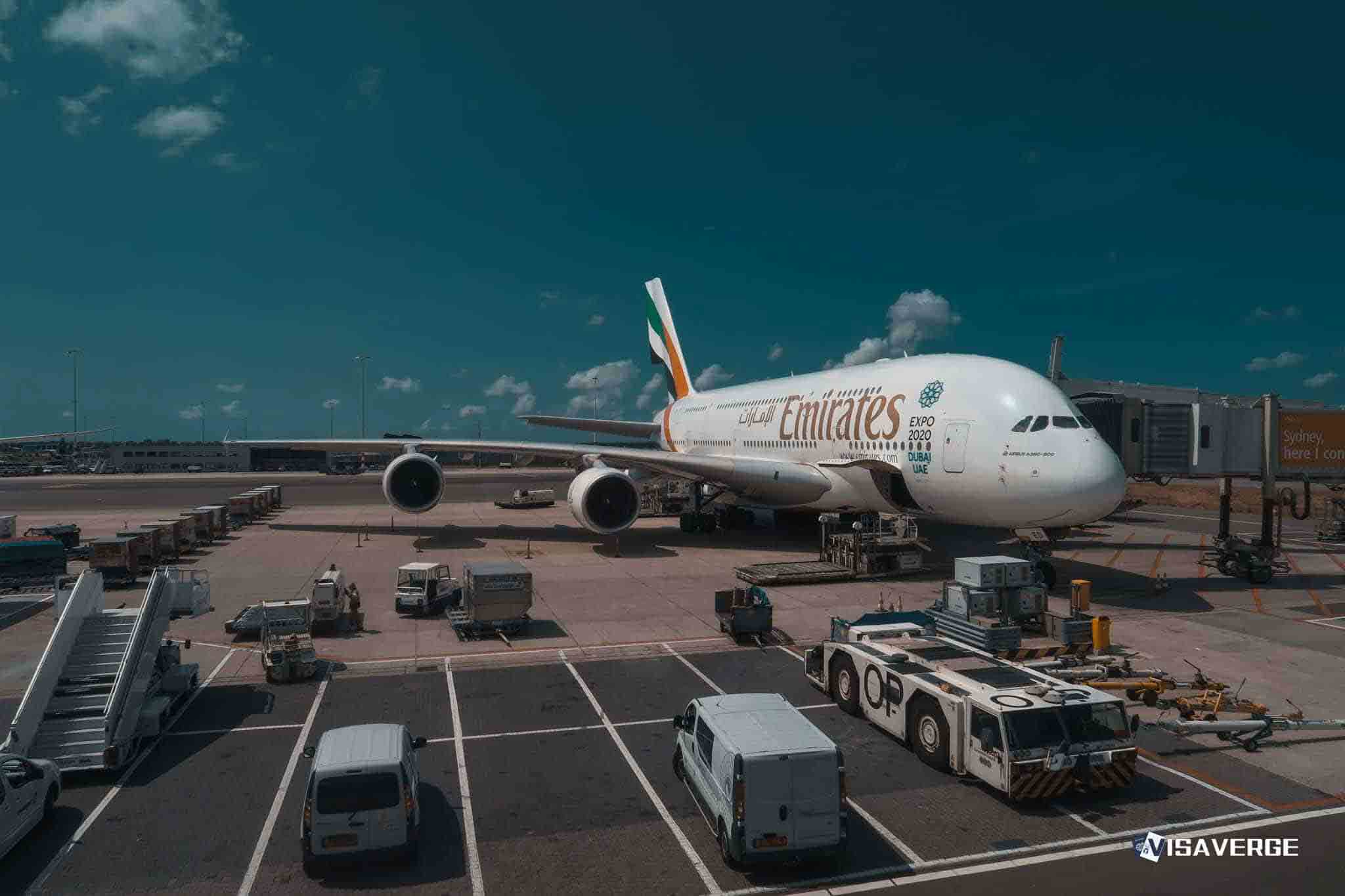
- Emirates transported 30,000 passengers from Dubai on March 6 as operations began stabilizing after regional disruptions.
- The airline reached 60 percent network capacity, serving 83 destinations with 106 daily return flights.
- A brief pause occurred on Saturday due to missile debris concerns, though services resumed later the same day.
(DUBAI, UAE) — Emirates carried approximately 30,000 passengers out of Dubai on Thursday, March 6, 2026, as it ramped up flights after a late-February suspension and a brief interruption on Saturday due to debris concerns.
The airline operated 106 daily return flights to 83 destinations on March 6, about 60% of its normal network of 140 destinations, and it anticipated restoring 100% capacity within the coming days, subject to airspace availability.
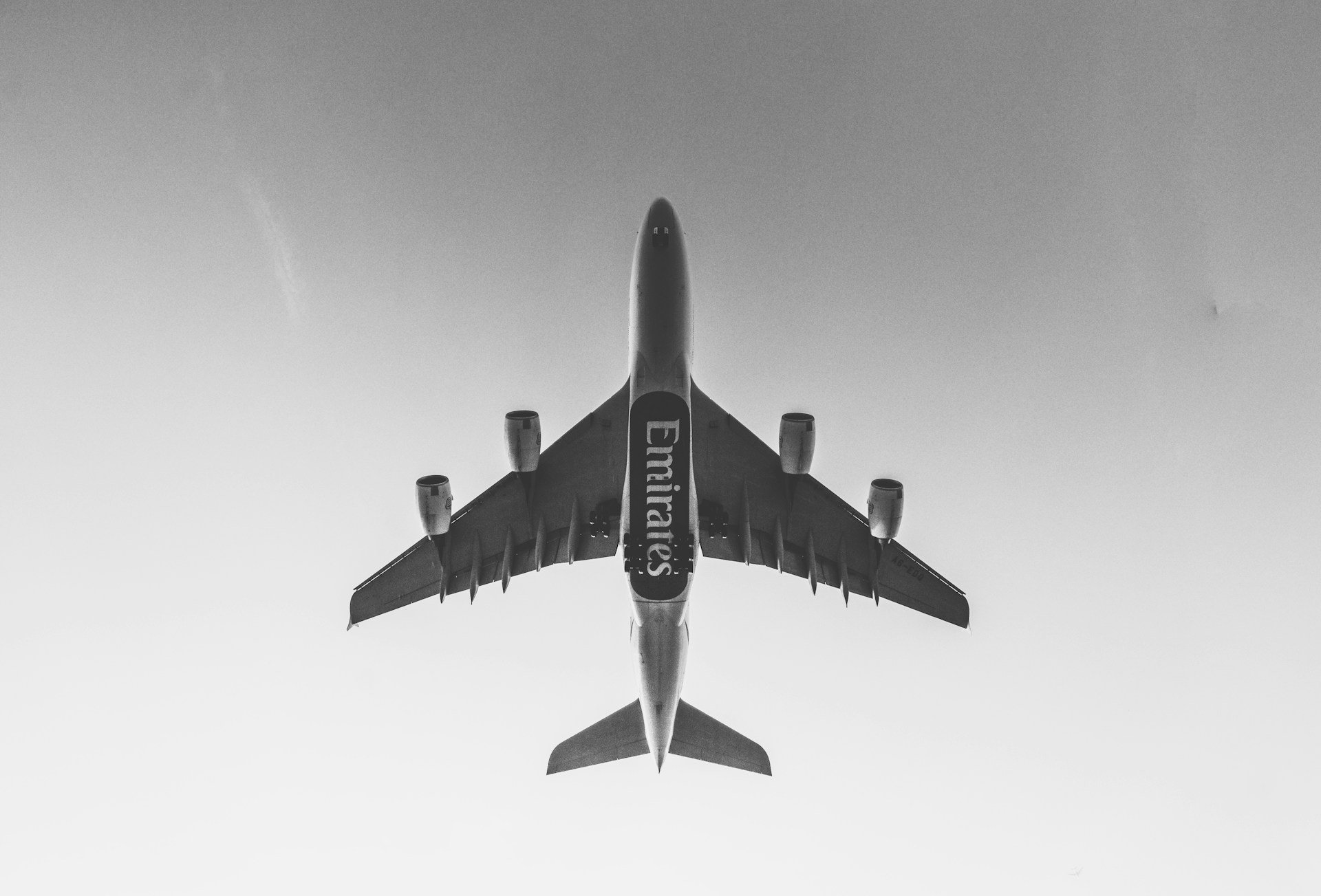
Emirates paused flights again on Saturday morning, March 7, due to debris from intercepted missiles, then resumed services later the same day as Dubai International Airport (DXB) stayed open and airspace conditions shifted.
Regional airspace closures and missile interceptions triggered a week-long suspension of most scheduled flights starting late February 2026, as the Iran-Israel-US conflict disrupted routings and forced airlines to make safety-driven adjustments.
Emirates resumed operations progressively, and by March 6 it had rebuilt to 83 destinations at 60% capacity, a step that signaled a partial recovery while carriers continued to navigate military-controlled airspace.
Saturday’s disruption followed the same pattern of stop-and-go operations: Emirates temporarily halted services in the morning, then restarted flying once debris concerns eased, keeping DXB open to accommodate passengers and revised schedules.
Emirates told passengers holding bookings to proceed to DXB for afternoon services on March 7 if flights were confirmed, while warning that schedules remained in flux as airspace restrictions changed.
The carrier concentrated capacity in high-demand markets as it stabilized its network from Dubai, scheduling 11 daily UK flights across 5 airports and 22 daily India flights to 9 destinations, while maintaining services to 7 US destinations.
That still left Emirates operating below its typical footprint, with 83 destinations served compared with a normal network of 140 destinations, underscoring the gap travelers could expect until airspace controls fully eased.
Emirates set a short-term recovery target of full restoration “within the coming days” and also described a goal “within a week” after airspace fully reopens, a timeline echoed by Raman Singla, director of corporates at Fitch Ratings, as the airline kept safety ahead of speed.
Before the disruptions, Emirates averaged 134 daily long-haul departures (>6,000 km) from DXB—second globally to United Airlines—and it served 140+ destinations, benchmarks that framed what “full restoration” meant in practical terms for long-haul connectivity.
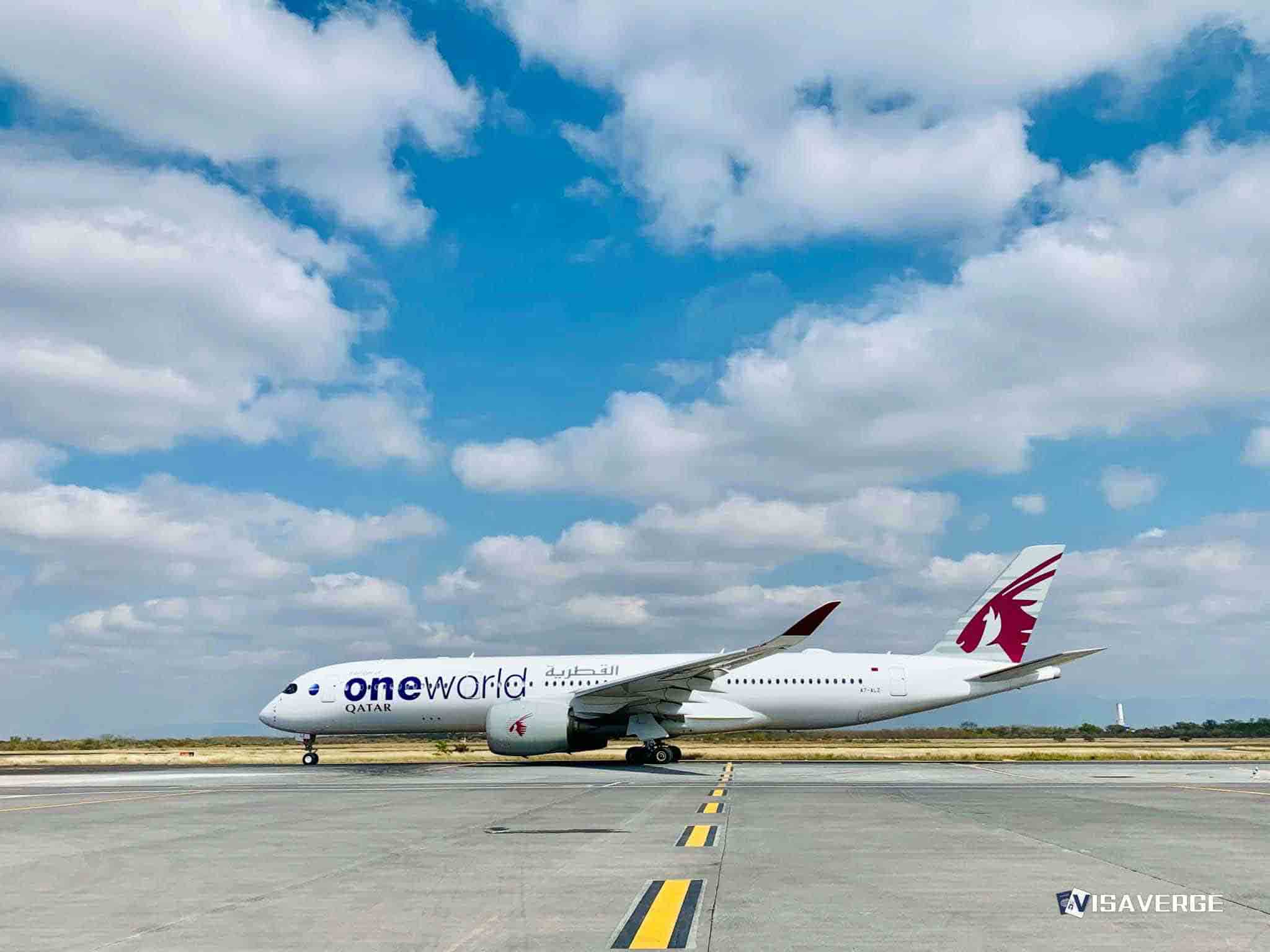
Other airlines in the region also moved cautiously: Etihad scheduled a limited restart to 70+ destinations from March 6–19, while Qatar Airways ran relief flights and set updates at 9 AM local time March 7.
Emirates entered 2026 after what it described as strong momentum, including 55.6 million passengers in 2025 and capacity at 95% of pre-pandemic levels, with 51.9 million passengers, alongside plans to extend Premium Economy to 99 destinations by year-end and keep ~110 operational A380s, while retrofits added 56 Premium Economy seats per upgraded A380, including Dubai-Amman from April 14.
The airline also planned 16 A350s to 18 cities and listed expansions to Basra (May), Mauritius (March), and Guangzhou (October), while pointing to record FY2024 profits (ended March 31, 2024) with 50+ million passengers and to analysts’ view that liquidity cushions 50–60% of costs during halts, as it urged travelers to check real-time updates on its flight status page and said passengers booked February 28–March 31 could rebook through April 30 or request refunds online, keeping booking references, receipts for out-of-pocket costs, and written disruption notices where possible.