- Dubai and Abu Dhabi markets rebounded on March 10 following a sharp selloff triggered by regional conflict.
- The UAE’s core pitch of reliability and safety faces scrutiny as drone strikes disrupt aviation and tourism.
- A potential real estate slowdown looms as geopolitical tensions threaten investor confidence and future housing demand.
(UAE) — Dubai and Abu Dhabi stocks rebounded on March 10 after a sharp selloff tied to the Middle East War, even as investors continued to weigh the risk that drone and missile strikes and wider regional disruption could hit travel, real estate and hiring across the UAE.
Dubai’s main share index had fallen 2.8% on March 9 and dropped more than 11% over four sessions, while Abu Dhabi’s index also declined, Reuters reported. UAE authorities temporarily suspended trading earlier in the crisis and imposed a 5% floor on securities declines to stabilize markets.
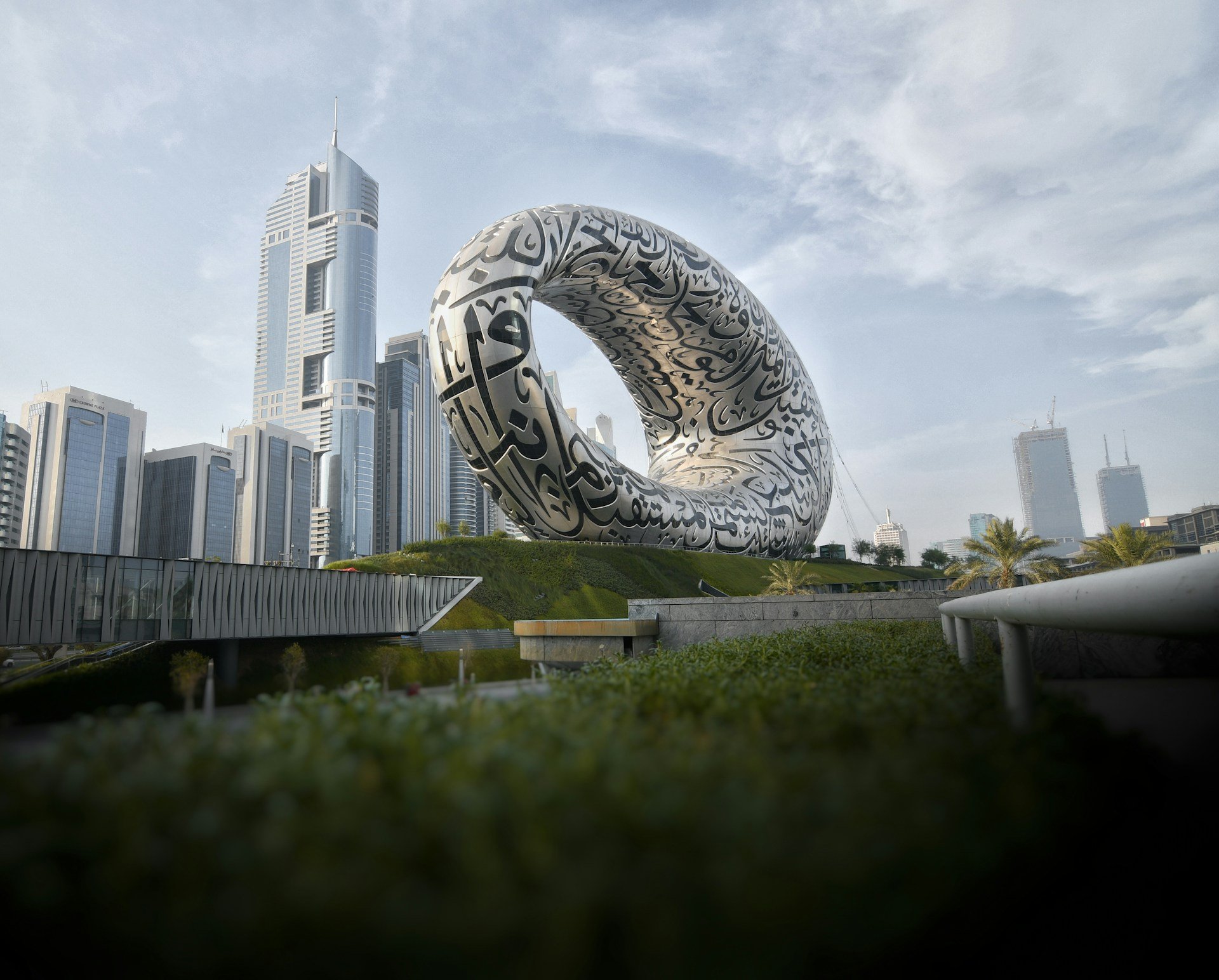
The cautious rebound reflected hopes of de-escalation as well as the UAE’s ability to absorb shocks, but the conflict has already tested the country’s core pitch to global capital and travelers: reliability. That matters in an economy built around keeping planes moving, tourists arriving, cargo transiting and deals closing, even when the region faces conflict.
Reuters reported that the UAE has faced drone and missile strikes during the conflict, with officials saying attacks have caused civilian casualties and disruptions to travel and business, including concern over energy and desalination facilities. The UAE sits at the crossroads of aviation, trade, finance, tourism, and energy infrastructure, making spillover from regional conflict unusually consequential for day-to-day commerce.
Dubai, Abu Dhabi and other parts of the country do not carry the same exposure. Dubai’s model depends heavily on international connectivity, visitor flows and a perception of stability, while Abu Dhabi holds deeper fiscal buffers from hydrocarbons but still relies on aviation continuity and business confidence.
Dubai’s vulnerability shows up first in aviation and tourism because the emirate’s growth depends far more on non-oil sectors than crude exports. Reuters noted that oil accounts for less than 2% of Dubai’s GDP, leaving tourism, trade, finance, real estate, and aviation to do the heavy lifting when regional headlines turn darker.
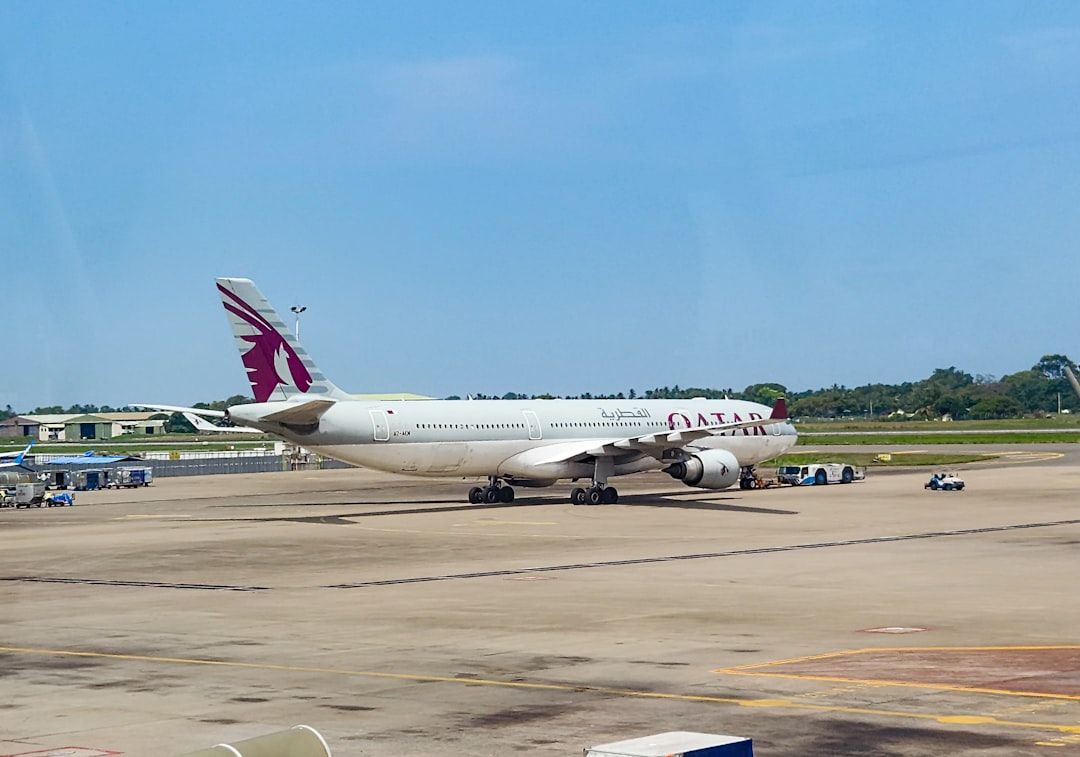
The mechanics of disruption are immediate for a global hub. Reuters described Dubai International Airport as the world’s busiest international hub, handling a network that spans 110 nations and about 454,000 flights a year.
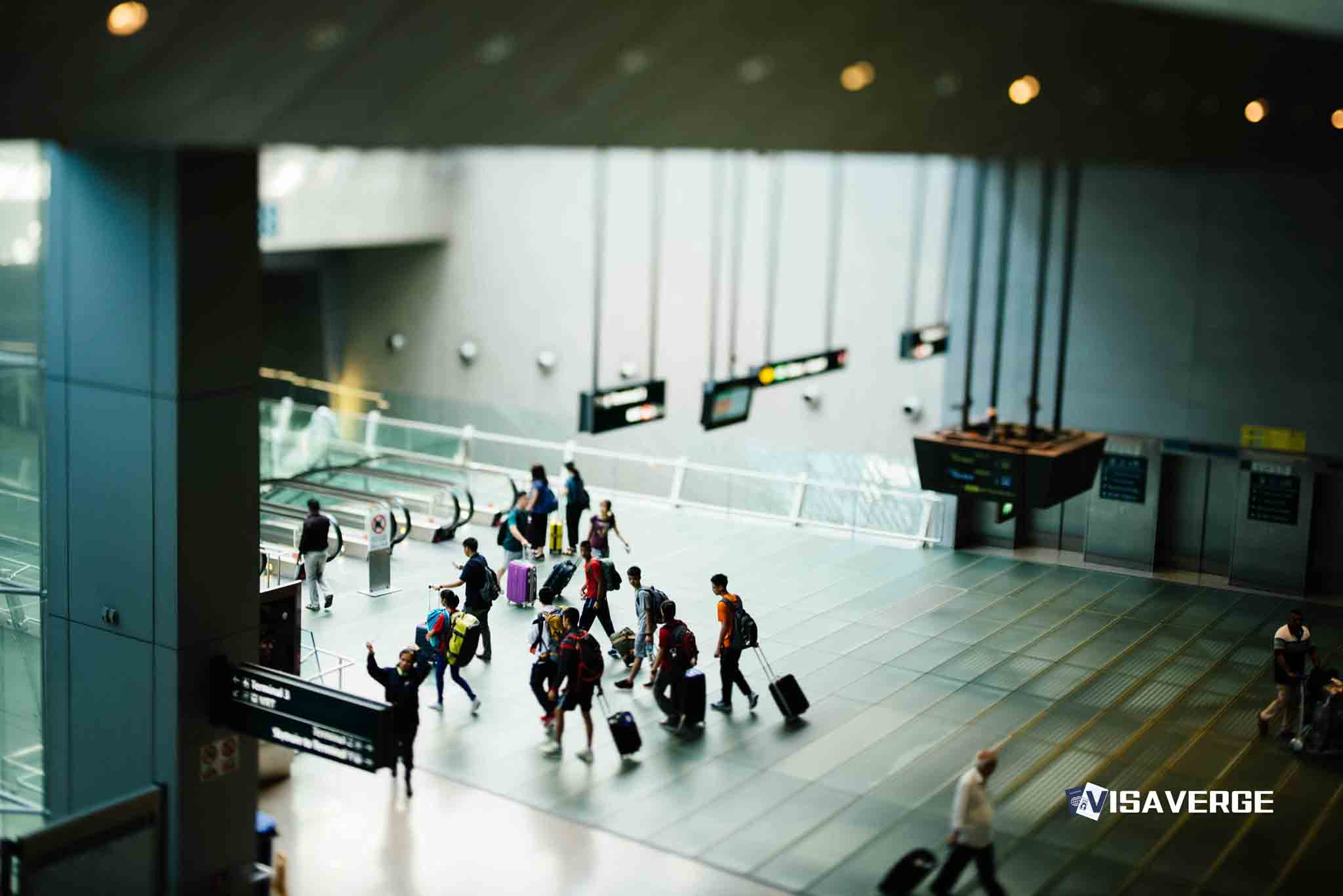
When Gulf airspace was disrupted, Dubai had to deal with tens of thousands of displaced passengers while trying to restore a system that underpins much of its economy, Reuters reported. Reroutes, delays, cancellations and higher fares can spread quickly through airlines’ global schedules, and the strain becomes visible in crowded terminals and rebooked itineraries.
Tourism has also faced a direct jolt because short stays and discretionary trips are easier to cancel than long-term business investment. Reuters reported that flights at major Gulf hubs, including Dubai, were largely grounded at one stage, stranding tens of thousands of passengers.
The shock reached accommodation providers quickly. Vacation-rental cancellations in the UAE more than doubled to about 8,450 units after the initial attacks, mostly for March stays, Reuters reported.
The numbers matter because the region’s travel spending is large and closely tied to aviation continuity. More broadly, Middle East tourism is worth about $367 billion annually, and tourists spent an estimated $194 billion in the region last year, Reuters reported.
Beyond the operational disruption sits a harder-to-quantify pressure: the confidence premium that Dubai and the wider UAE have long relied on. Reuters reported that Iran’s strikes challenged Dubai’s long-built “safe haven” reputation — the idea that whatever happened elsewhere in the Middle East, Dubai remained insulated, predictable, and business-friendly.
Analysts told Reuters that the longer the war continues, the greater the risk that expatriates, firms, and mobile capital begin considering alternatives. In Dubai’s non-oil model, perceptions can move quickly because many decisions—where to base a regional office, where to relocate a family, where to park capital—depend on assumptions about continuity.
Those assumptions also underpin one of the UAE’s most visible economic engines: real estate. Dubai’s property boom accelerated after COVID-19 as the UAE’s tax-free regime, liberalized visa rules, and pro-business reforms attracted wealthy migrants, investors, entrepreneurs, and globally mobile families, Reuters reported.
Reuters reported that Russians, billionaires, family offices, and hedge funds poured money into UAE property, drawn by zero income tax and a business climate designed to compete with major global financial centers. By 2025, the UAE’s population had risen above 11 million, with expatriates making up nearly 90% of residents.
That mix makes property both a strength and a pressure point when security risk rises. Dubai has become a preferred destination for people moving for tax benefits, personal safety, business flexibility, and quality of life, Reuters reported, but those inflows depend heavily on the belief that Dubai and the wider UAE remain stable and insulated from regional conflict.
Reuters reported that Iranian strikes have punctured part of that safe-haven image, raising the risk that some investors and relocating families could delay purchases, reduce exposure, or reconsider moving plans if the conflict drags on. In a market shaped by internationally mobile demand, sentiment can affect liquidity before it shows up in prices.
The timing also matters because the property cycle already carried its own risks. Reuters reported that Dubai home prices had risen about 60% between 2022 and early 2025.
Fitch warned in May 2025 that a large new supply wave — about 210,000 units planned for delivery in 2025 and 2026 — could put downward pressure on prices, Reuters reported. A geopolitical shock can add a second layer of uncertainty as buyers and sellers reassess risk at the same time as more homes enter the pipeline.
The scale of activity highlights why property sentiment matters to the wider economy. Real estate transactions in Dubai were worth 761 billion dirhams in 2024, Reuters reported.
Reuters reported that 65% of Dubai real-estate transactions in 2025 were off-plan, meaning many purchases were for homes not yet built. That structure makes confidence especially important because buyers commit to future delivery, and a shift in perceived stability can slow decisions quickly.
Funding conditions can tighten in parallel. Reuters also reported that bond markets, a key funding source for developers, were effectively shut for new issuance after the strikes.
Public markets reflected the same nerves. Major listed developers in Dubai and Abu Dhabi fell 5% in a day, Reuters reported, a move that can feed back into how lenders and investors price risk for future projects.
Abu Dhabi enters the Middle East War with greater fiscal cushioning, but it has not escaped the same aviation and confidence shocks. Reuters noted that Abu Dhabi holds more than 90% of the UAE’s oil reserves, making it more financially resilient than Dubai during a regional shock.
Higher oil prices can partly offset some of the broader economic damage, Reuters reported, supporting government finances and providing room to maintain spending. That buffer can help steady sentiment when markets and travel flows turn volatile.
Still, Abu Dhabi’s own strategy depends on keeping airports functioning and maintaining a reputation as an investment and business center. Reuters reported that airports in Abu Dhabi were also hit during the conflict, and that Abu Dhabi, like Dubai and Doha, was part of the unprecedented shutdown or severe restriction of the Gulf’s major hub system.
For investors, market moves can translate quickly into borrowing costs and hiring plans, particularly in sectors tied to travel, trade and services. Reuters reported that UAE authorities temporarily suspended trading earlier in the crisis and imposed a 5% floor on securities declines to stabilize markets, steps aimed at preventing disorderly selling as the conflict widened.
Even with the rebound on March 10, Reuters said caution remained high and investors were reassessing the UAE’s traditionally low-risk premium. That reassessment can spread beyond equities, affecting how easily companies raise debt, how banks weigh lending, and how quickly firms commit to new staff or new projects.
For residents, the disruption has not been limited to portfolios. Dubai and Abu Dhabi host large expatriate populations, including Indian, Pakistani, Bangladeshi, Filipino, African, European, and other migrant communities, and travel friction can turn quickly into household cost pressure when flights reroute, seats become scarce or fares climb.
Higher airfares and increased flight disruption can complicate everything from school holidays to emergency trips, while uncertainty around schedules can impose extra costs on families moving between jobs or renewing housing arrangements. With Gulf hubs central to global connections, the knock-on effects can reach routes far beyond the region.
Job sensitivity is another concern because tourism and hospitality respond quickly to shifts in visitor confidence. If flight grounding and short-stay cancellations persist, employers in hotels, restaurants, retail and related services can turn cautious, slowing recruitment or postponing expansion plans in a city where service work employs large numbers of migrants.
Trade and services can also cool when companies delay deals and travelers avoid the region, a pattern that can ripple from logistics and events to professional services. In an economy built around being a predictable connector for people and capital, day-to-day reliability supports hiring as much as headline growth does.
Housing decisions sit at the intersection of these pressures. A shift in relocation plans can affect demand at the same time that new supply enters the market, and uncertainty can influence how much households are willing to pay in rent or how quickly they commit to a move, especially for expat workers weighing whether to renew contracts or relocate again.
The near-term picture differs across the UAE, but the central asset under strain is shared. Dubai’s exposure runs through aviation, tourism, finance, trade and the perception of stability, while Abu Dhabi’s oil wealth offers more protection even as airspace disruption and market volatility cut into its hub ambitions.
Reuters reported that the biggest economic threat for the wider UAE is not only physical damage but the possibility that a prolonged war weakens the country’s role as the Gulf’s safest and most dependable business and travel hub.