Key Takeaways:
- Court upholds work permits for H-1B spouses, reinforcing 2015 regulation and supporting U.S. economic and immigration policy initiatives.
- Decision impacts U.S. technology sector, aiding talent retention and enhancing global competitiveness through spouse employment authorization.
- Nearly 90,000 H-1B spouses eligible to work, contributing significantly to U.S. workforce and economic landscape.
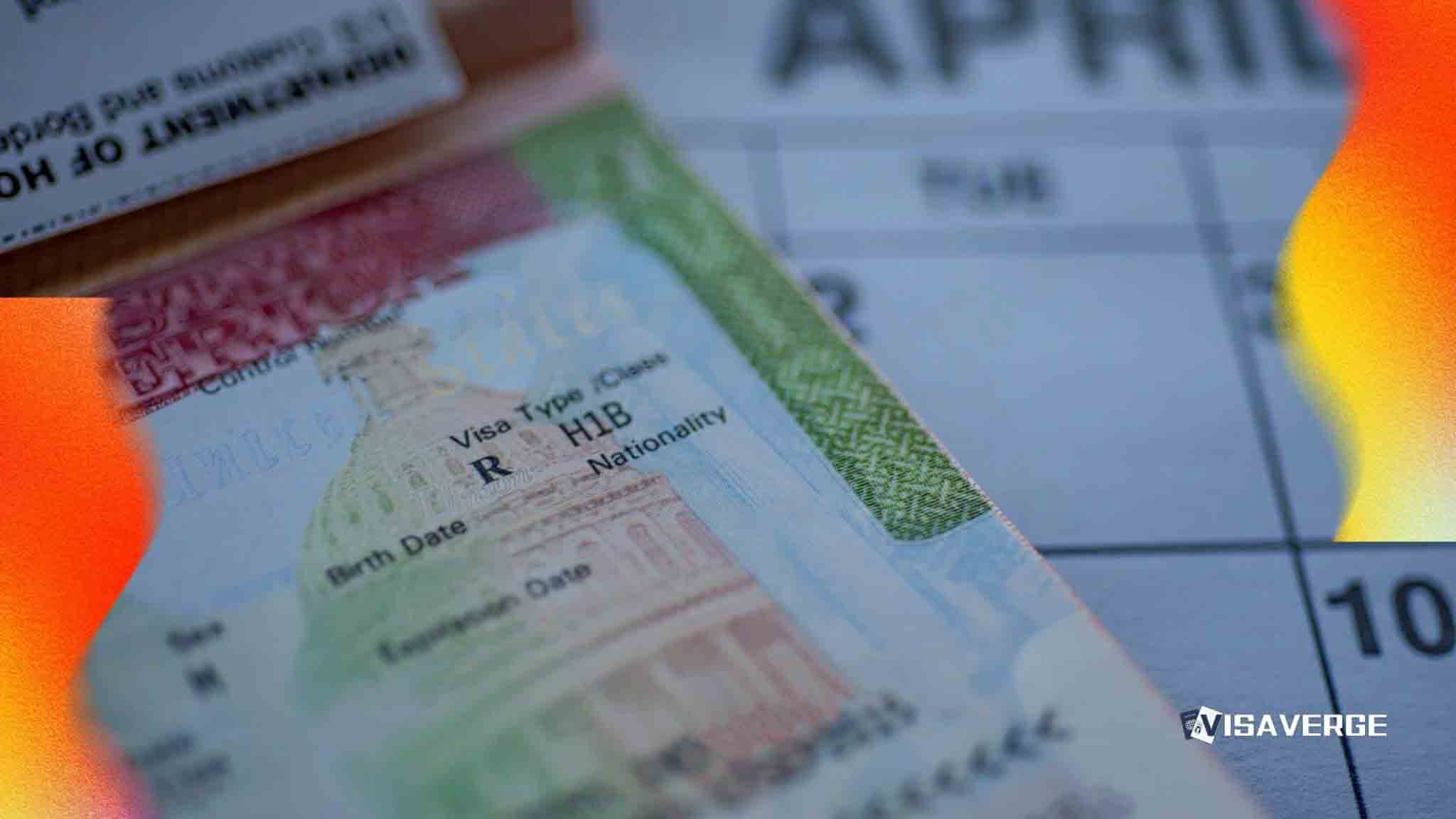
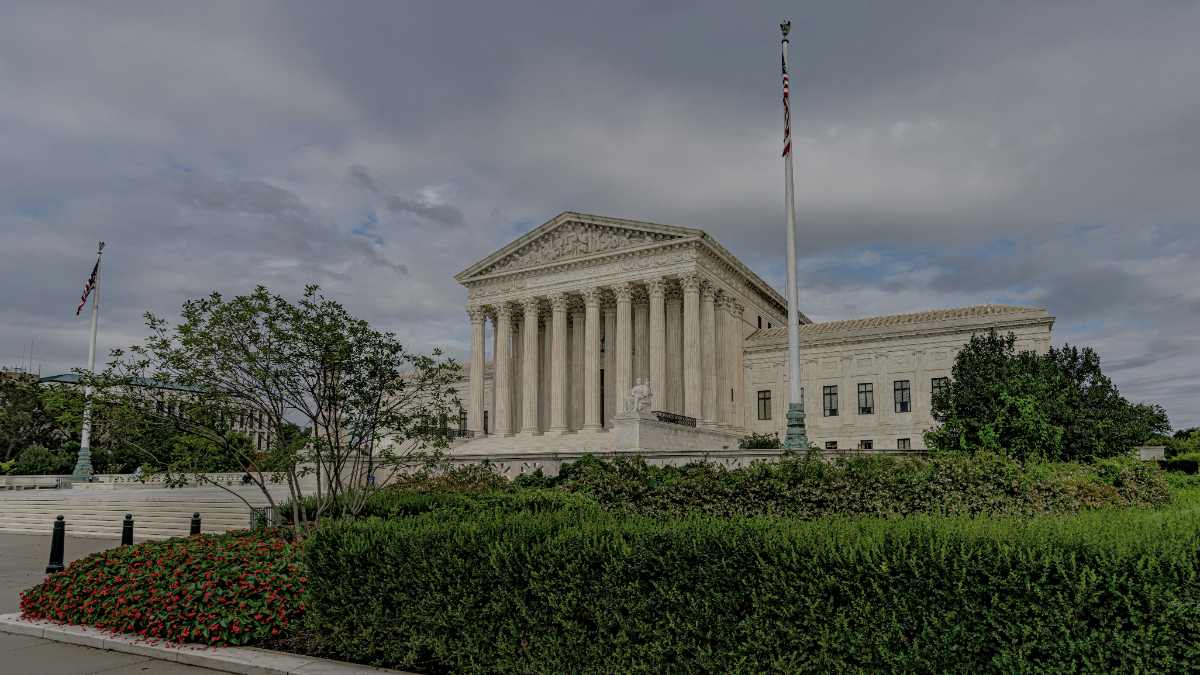
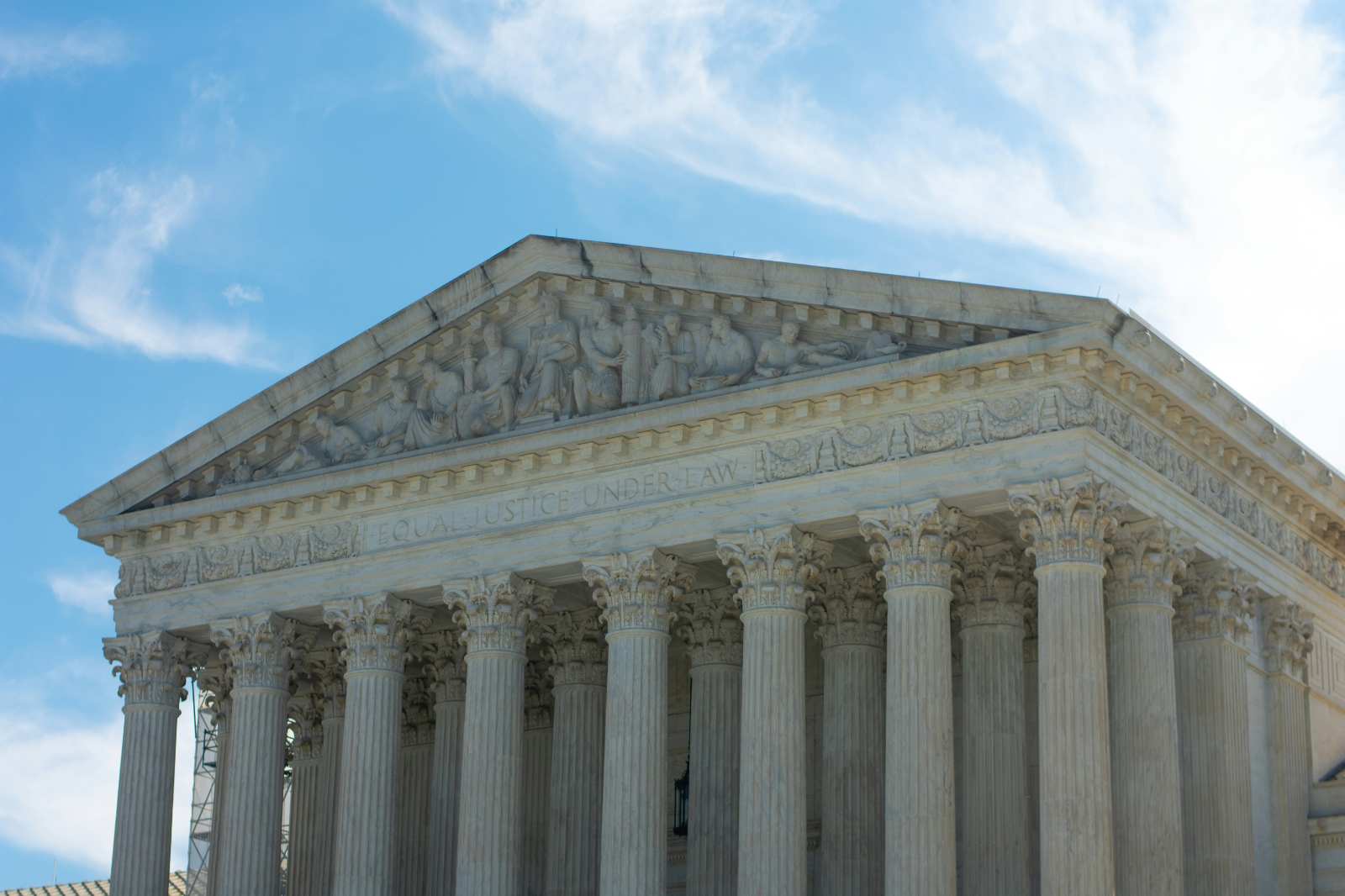
The recent court ruling maintaining work permits for H-1B spouses signifies a pivotal moment in U.S. immigration policy. This judgment, delivered by the U.S. Court of Appeals for the District of Columbia Circuit, reasserts the legality of the 2015 regulation that allows spouses of H-1B visa holders to engage in employment within the United States. As the decision was finalized on August 2, 2024, it has implications beyond individual families, affecting industries and the broader economic landscape as well.
Legal Grounds and Context

The court’s opinion rests on its interpretation of the Immigration and Nationality Act (INA), which bestows the Department of Homeland Security (DHS) with considerable discretion in establishing conditions for visa holders. The judges, led by Judge Justin R. Walker, determined that the statutory language explicitly supports the challenged provision, thereby buttressing employment rights for spouses of H-1B holders. This ruling counters the efforts of Save Jobs USA, an organization representing U.S.-born tech professionals. They had asserted that the DHS overstepped its authority, but the court dismissed these claims, drawing on a 2022 precedent where a similar regulation for post-graduation work by foreign students was sustained.
Free toolH-1B Cost Calculator OnlineInterestingly, the court’s decision diverged from the previously widespread application of Chevron deference—a principle recently set aside by the Supreme Court’s decision in Loper Bright Enterprises v. Raimondo. Instead, the panel underscored the clarity of the statutory mandates, solidifying the regulation’s legal grounding.
Economic and Industry Repercussions
The H-1B visa scheme serves as a cornerstone for the U.S. technology sector, facilitating the employment of highly qualified foreign professionals. Prominent tech corporations such as Google, Amazon, and Microsoft have been vociferous proponents of the H-1B spouses’ work authorization, emphasizing its role in retaining superior talent and motivating skilled workers to pursue permanent residency. Analysis from VisaVerge.com suggests that the ability for spouses to work notably influences the decisions of families considering migration to or continued residence in the United States. This underscores the rule’s significance in upholding America’s competitive stature in the relentless global talent competition.
Demographic and Societal Outcomes
The H-4 EAD (Employment Authorization Document) program has yielded a notable impact since its 2015 inception, with approximately 90,000 H-1B spouses eligible to work in the United States as of 2024. Research reveals that nearly 90% of these spouses possess at least a bachelor’s degree, and over half have attained graduate degrees, marking them as a valuable talent reservoir contributing to the national workforce and economic fabric.
Political and Regulatory Considerations
The recent decision emerges against a backdrop of heated debates on U.S. immigration policies and their ramifications for the domestic labor market. Although the former Trump administration aimed to abolish the H-4 EAD program, it couldn’t realize its regulatory ambitions. Conversely, the current Biden administration has expressed continued support for the program, aligning with its broad policy favoring skilled immigration. This ruling could influence future policy discussions, notably about expanding work authorization to all H-4 visa holders, irrespective of their spouses’ immigration status or H-1B tenure.
Global Competitive Dynamics
Despite the significance of U.S. policies on H-4 work permits, they remain more stringent compared to nations like Canada, which permits all spouses of skilled workers to obtain work authorization. This difference highlights ongoing challenges faced by the U.S. in securing the best global talent.
Wider Immigration Patterns
The decision reflects an overarching trend in American immigration policy, accentuating the significance of preserving access to highly skilled professionals and their families. It aligns with broader efforts to mitigate prolonged processing times for employment-based green cards, especially for immigrants from countries like India, who endure lengthy backlogs stemming from per-country quotas.
Looking Ahead
This ruling delivers enhanced security to families of H-1B visa holders and the businesses that employ them, yet it may not conclude debates around this issue. Future administrations might revisit this regulation through notice-and-comment procedures, needing to substantiate that the economic burdens of altering the rule would surpass its benefits. Those interested in more in-depth information can visit the U.S. Citizenship and Immigration Services (USCIS) H-1B resources.
In summation, the court’s affirmation of work permits for H-1B spouses underscores a considerable U.S. commitment to harnessing and retaining international talent. As the landscape of skilled immigration undergoes continuous evolution, this ruling is poised to shape America’s position in the global contest for highly skilled professionals and drive its leadership in innovation and talent acquisition.
Learn Today:
- H-1B Visa
A non-immigrant visa allowing U.S. companies to employ foreign workers in specialty occupations requiring technical expertise. - Employment Authorization Document (EAD)
A document granting foreign nationals in the U.S. permission to work legally for a specific period. - Immigration and Nationality Act (INA)
The primary U.S. immigration law determining visa eligibility, quotas, and other requirements for foreign nationals. - Chevron Deference
A legal principle requiring courts to defer to agency interpretations of ambiguous statutes within their jurisdiction. - Per-Country Quotas
Immigration limits that cap the number of visas issued to nationals from any single country annually.
This Article In A Nutshell:
The U.S. Court of Appeals upheld work permits for H-1B spouses, reinforcing a crucial 2015 regulation. This decision underscores America’s dedication to retaining international talent, benefiting families and industries. As global competition intensifies, this ruling may shape future immigration policies and secure America’s innovative leadership worldwide.
— By VisaVerge.com
Read More
- Understanding H-1B Wage Violations and Employer Consequences
H-1B Wage Violations by Employer: Consequences Explained - Navigating H-1B Visa Status After Employer Bankruptcy
H-1B Visa Status After Employer Bankruptcy - H-1B Visa Portability: Transfer and Employment Requirements
H-1B Visa Portability Provision: Transfer and Employment Requirements - Process for Changing Visa Status from H-1B to O-1
H-1B to O-1 Visa Status Change Process - Tax Implications for H-1B Visa Holders: Foreign Income and Investments
H-1B Tax Implications: Foreign Income and Investment Tax Explained