Key Takeaways
• China demands US cancel tariffs in April 2025.
• China raised tariffs from 84% to 125% on US goods.
• Tariffs cost US households $1,277 annually.
The ongoing trade conflict between China ?? and the U.S. ?? has captured global attention, particularly with China’s strong call for the U.S. to completely cancel the reciprocal tariffs currently in place. This demand, articulated in April 2025, underscores the broader economic dynamics shaping global commerce today. The tariffs have not only burdened the two largest economies but have also sent ripples across international markets.
Escalating Tensions and Tariff Levels
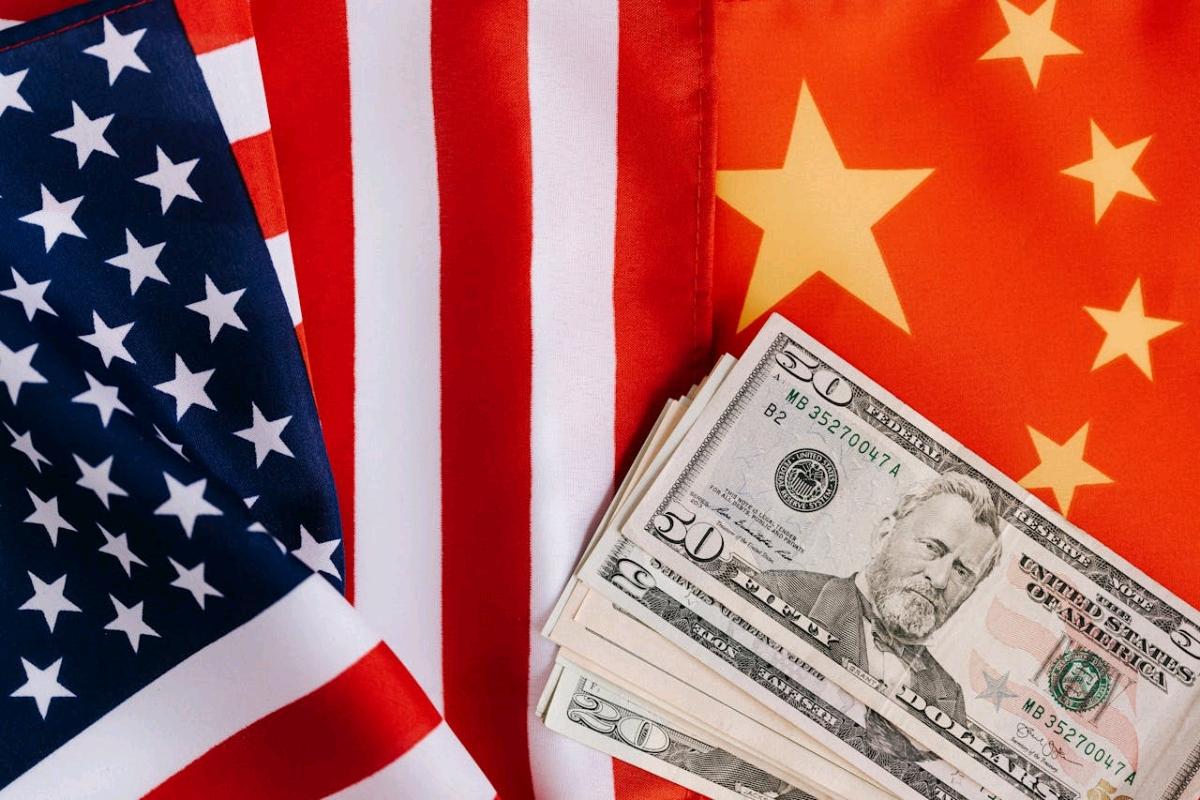
On April 11, 2025, China announced a substantial increase in tariffs on U.S. goods, raising them from an already high 84% to 125%. This decision directly countered similar high tariffs imposed by the U.S., affecting hundreds of billions of dollars in trade. Agricultural products, especially soybeans, are among those specifically impacted. The Chinese Ministry of Finance has outlined a clear stance against further tariff increases from the U.S., setting a threshold that indicates a resolve not to yield to pressure.
Furthermore, Chinese criticism of U.S. trade policies has been stark. The Ministry of Commerce described these tariffs as “vile” and “unilateralist,” highlighting how they exacerbate global trade tensions. This strong language reflects a deep diplomatic rift between Washington and Beijing, creating broader challenges for international stability and commerce.
Economic Ripples Across Nations
The tariffs have had significant effects on the U.S. economy. U.S. consumers and businesses face increased costs due to tariffs on Chinese imports, with studies showing that these tariffs cost an average American household about $1,277 more every year. The effects don’t stop there: tariffs on $50 billion worth of Chinese imports, along with China’s retaliation, could shrink U.S. GDP by almost $3 billion and potentially cost 134,000 jobs each year.
On the flip side, China’s economy has also felt the pinch. Exports to the U.S. have decreased, affecting Chinese manufacturing and leading to slowdowns in some regions. To counter this, the Chinese government has enacted policies such as tighter control on exports of rare earth elements and extending domestic economic stimulus packages. These measures aim to buffer China’s economy against external trade pressures.
Disruptions to Global Trade
The tariff conflict has caused significant disruption to global supply chains and trade routes. Companies in both countries are being forced to rethink their trade strategies, with many Chinese businesses considering new markets in Europe ?? and Australia ??. Yet, these shifts come with their own set of challenges, notably uncertainties and possible financial risks. The extensive interconnections within the world economy mean that these changes have widespread effects beyond the U.S. and China.
Experts warn that continued trade tensions could lead to a long-term separation of the U.S. and Chinese economies. If the situation progresses to a point where permanent trading relations dissolve, it could severely disrupt established trade networks and potentially slow the global economy. Some analysis forecasts that ending permanent normal trade relations with China could reduce the U.S. GDP by $15.9 billion and raise consumer prices by 5.9%.
Diplomatic Actions and Global Alliances
Amid these economic challenges, China has been actively pursuing a diplomatic strategy to gather international support against U.S. trade measures. This includes seeking alliances with nations like Japan ?? and South Korea ??, and working towards shared statements from G20 nations. These efforts are part of China’s strategy to present itself as a proponent of free trade and a steadying influence on global trade systems.
In addition to these international moves, Chinese officials have engaged with U.S. business leaders, urging them to advocate for tariff removal. They emphasize that higher tariffs could hurt operations within China, impacting companies like Tesla and GE Healthcare. By assuring foreign firms of protection and rights, China aims to sustain a welcoming environment for international investment despite ongoing trade disputes.
Motivations and Future Outlook
China’s call for the U.S. to cancel tariffs is driven by several key motivations. Primarily, removing tariffs is seen as critical for economic stability in China, which has faced challenges from reduced exports and slowing manufacturing. Moreover, by pushing for tariff elimination, China hopes to solidify its leadership role in the global trade arena, advocating for free trade and expanding its global trade influence.
On a bilateral level, resolving these trade issues could improve diplomatic and economic relations between China and the U.S., leading to mutually beneficial outcomes. As noted by VisaVerge.com, these negotiations are not only about economics but also about securing long-term diplomatic engagements.
In essence, the trade war between the U.S. and China highlights the complexities of modern international commerce. China’s call for tariff cancellation is a strategic move aimed at stabilizing its economy, engaging diplomatically on the world stage, and reinforcing its global leadership. The resolution of this trade spat could have major effects on the future of global trade and economic cooperation. Balancing negotiations, forming strategic partnerships, and committing to a stable and prosperous global economy will be vital moving forward.
For more detailed information about these dynamics, you can visit the official United States Trade Representative site which provides comprehensive data on trade agreements, tariffs, and bilateral negotiations. Understanding these agreements can offer deeper insights into how countries navigate their economic relationships and the impacts of policies on global trade.
Learn Today
Reciprocal Tariffs → Mutual taxes imposed by two countries on each other’s imports.
GDP → Gross Domestic Product, measuring a country’s economic output and health.
Rare Earth Elements → Critical minerals essential for manufacturing advanced electronics.
Bilateral Relations → Diplomatic or economic connections between two nations.
International Supply Chains → Global networks involved in producing and delivering goods.
This Article in a Nutshell
China’s push for US to cancel tariffs highlights global trade complexities. In April 2025, China raised tariffs to 125%, impacting markets severely. US households bear extra costs, while international relations face challenges. This economic conflict emphasizes strategic partnerships for global prosperity, urging commercial stability and diplomatic engagement amid trade tensions.
— By VisaVerge.com
Read more:
• Delta and United Airlines may cut champagne due to Trump tariffs
• Reciprocal Tariffs: An In-Depth Analysis of Definition, Differentiation, Impacts, and Controversies
• Trump exempts semiconductor chips and tech from new tariffs
• Delta Air Lines halts orders for Airbus A350-1000 over tariffs
• European Union halts tariffs on US to support diplomatic talks