Key Takeaways
• March 2025 crackdown revokes over 300 F-1 student visas.
• UIS committed to helping students despite no visa terminations.
• Economic growth could decline 2.1% by 2034.
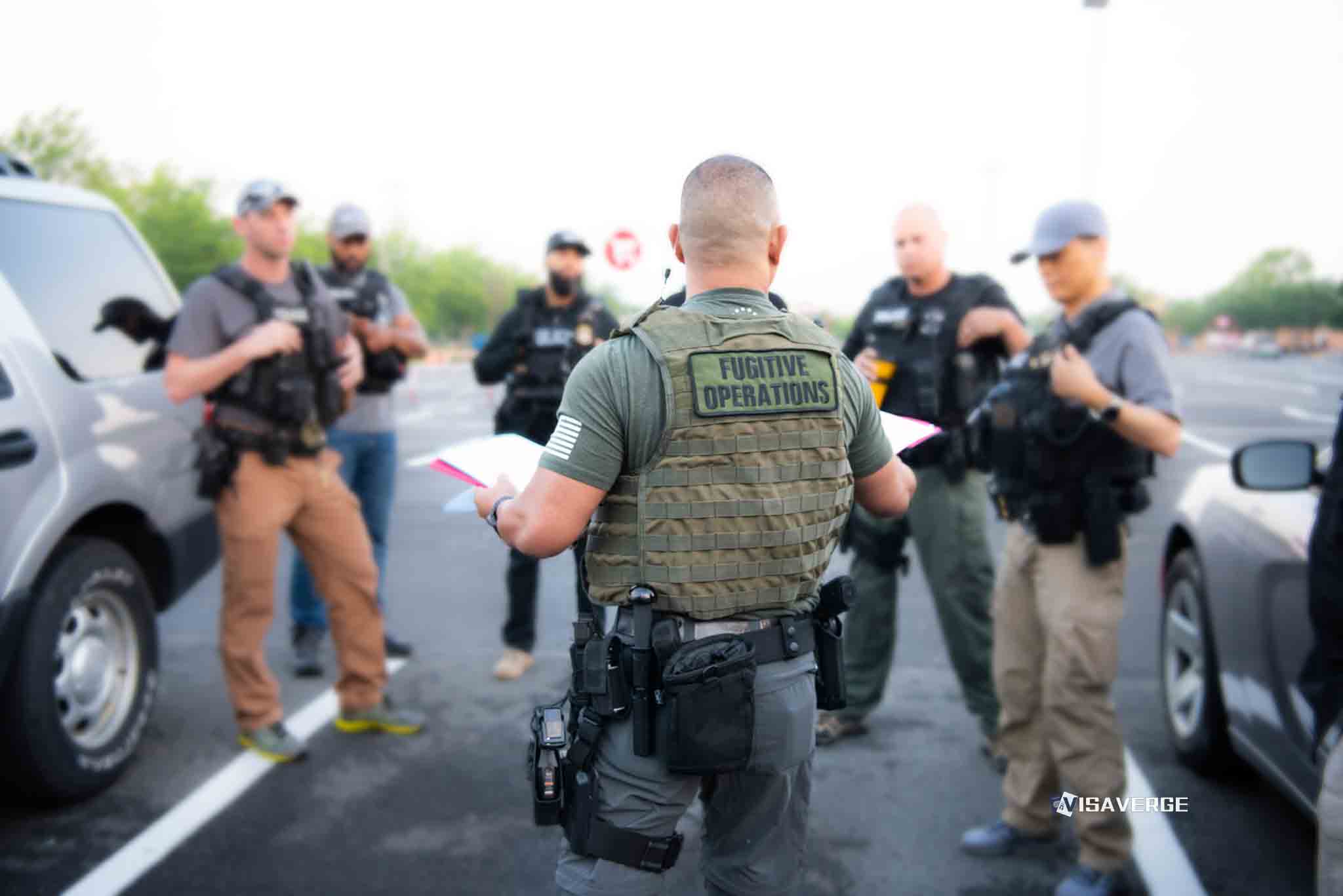
In March 2025, the United States saw a significant move in its immigration policy. The U.S. Department of State, under Secretary of State Marco Rubio, announced a nationwide crackdown on immigration. This decision led to the revocation of over 300 F-1 student visas due to various activities deemed adverse to U.S. foreign policy or linked to criminal conduct. This article explores how this crackdown, particularly affecting universities and international students, shapes the experience of UIS students. Despite UIS not directly experiencing visa terminations, the fear and questions raised about these measures have affected the broader UIS student community.
Understanding the Crackdown
Free toolUSCIS Receipt Number Decoder
The March 2025 initiative forms part of an intensified effort by the current administration to strictly enforce immigration laws. The central reason for the crackdown is safeguarding national security and reinforcing the rule of law in America. The effort aims to monitor and regulate the presence of foreign nationals within the U.S. borders more strictly, supposedly to curb potential threats and crimes. Worryingly, this crackdown hasn’t just targeted severe offenses, but also smaller infractions, including traffic violations, which have triggered many of these visa cancellations. As such, it’s causing considerable anxiety not just among the international community at UIS, but also nationwide.
Implications for UIS and International Students
Although no UIS student has yet lost their visa due to this crackdown, the ripple effects are palpable. The Office of International Student Services (ISS) at UIS is crucial in this scenario. They offer guidance on maintaining an F-1 student visa and understanding U.S. immigration laws. The ISS consistently reminds international students about the importance of complying with visa requirements. Meaning even a small violation could lead to harsh consequences like deportation or entry bans. UIS has further committed to helping students navigate these choppy waters. The university has appointed an Undocumented Student Liaison, underscoring their commitment to create an inclusive and supportive community.
Broader Legal and Social Challenges
Secretary Rubio’s move to potentially invoke the 1798 Alien Enemies Act—a rarely used law—raises considerable legal and social questions. The act, if used, would enable deportations without court hearings, sidestepping due process, which stands as a pillar of the American legal system. Such expeditious deportations could spark legal debates, challenging the balance between securing the nation and preserving individual civil liberties.
From a social standpoint, fear has crept into immigrant communities. This swell of anxiety is impacting their engagement with basic public services. It fluxes into academic institutions as well, where students worry about possible ICE raids in previously considered safe spaces like schools. Understandably, these fears pose significant impacts on students’ mental health and community cohesion. Expressed anxieties reflect a deeper sense of insecurity, making it more challenging for students to feel secure about their future in the U.S.
Economic Ramifications
The economic landscape is also affected by the stricter immigration policies. Key sectors like agriculture and construction rely heavily on immigrant labor. A reduction in that labor force would likely lead to shortages, potentially spiraling wages upwards and driving inflation. Economists predict such policies could slightly slow actual economic growth short-term and eventually lead to a noticeable 2.1% decrease in GDP by 2034, compared to current forecasts.
For UIS, a potential decline in international student enrollment could pose significant financial challenges. International students pay higher fees compared to domestic students, contributing significantly to university revenue. Reducing their numbers would potentially cut funding for programs benefiting all students, leaving universities like UIS in a precarious position where they must balance supporting students’ needs against financial viability.
Student Community and Institutional Responses
At UIS, the student community is rightfully concerned about the increased enforcement actions and their consequences. Discussions are focused on the need for clear policies and effective support systems to protect students’ rights and maintain their well-being. Transparent communication from university administration can help manage anxiety and ensure students feel fully supported.
UIS’s proactive measures have been well-recepted. The ISS’s educational programs and the assignment of an Undocumented Student Liaison help provide the essential support and information students need. VisaVerge.com reports that these types of supports are crucial in maintaining a welcoming environment for all students irrespective of their immigration status.
The crackdown has drawn attention to the urgent need for a balanced immigration policy that can secure the nation’s borders while acknowledging and nurturing the invaluable contribution immigrants make to American society. Continued engagement and advocacy efforts are vital to protect the rights and welfare of every community member. By understanding and addressing the broader effects, institutions like UIS can help lead the discussion on modernizing and rationalizing immigration reforms.
Conclusion
The nationwide immigration crackdown brings multifaceted challenges to UIS students—legal uncertainties, social concerns, and economic impacts. Although UIS hasn’t experienced visa cancellations, the broader policy climate generates a climate of fear and concern. The university’s support role is vital for helping international students navigate this challenging landscape. As the bigger picture of these measures unfolds, dialogue and community action remain critical. Such sustained conversations are vital to ensuring that the spirit of belonging, inclusivity, and mutual respect underscores our multicultural academic environments, helping both the local student community and the wider US populace build better futures together.
Finally, for those interested in official updates and details on visa categories or general immigration policies, the United States Citizenship and Immigration Services (USCIS) website serves as a dependable resource.
Learn Today
F-1 Student Visa → A non-immigrant visa allowing foreigners to study in the U.S.
UIS → University of Illinois Springfield, an academic institution in Illinois.
Alien Enemies Act → A 1798 law allowing deportation of nationals from hostile countries without trial.
USCIS → United States Citizenship and Immigration Services, managing lawful immigration to the U.S.
ICE → U.S. Immigration and Customs Enforcement, responsible for enforcing immigration laws.
This Article in a Nutshell
The March 2025 immigration crackdown under Secretary Rubio revoked over 300 F-1 visas. Though UIS students weren’t directly impacted, the policy fuels pervasive anxiety. UIS actively supports its international students with educational programs and services, underscoring a commitment to inclusivity. Broader economic consequences include potential GDP decline and labor shortages.
— By VisaVerge.com
Read more:
• USCIS Staffing Cuts Threaten Extended Immigration Delays
• Homeland Security’s Role in Washtenaw County Immigration Inquiry
• Trump’s Gold Card visa set to reshape U.S. immigration policy
• New Order Reinforces Alien Registration Under Immigration Law
• Darien Gap crossings fall 99 percent under Trump immigration policy