CBP Updates Passport Validity Rules for U.S. Visitors on December 18, 2025
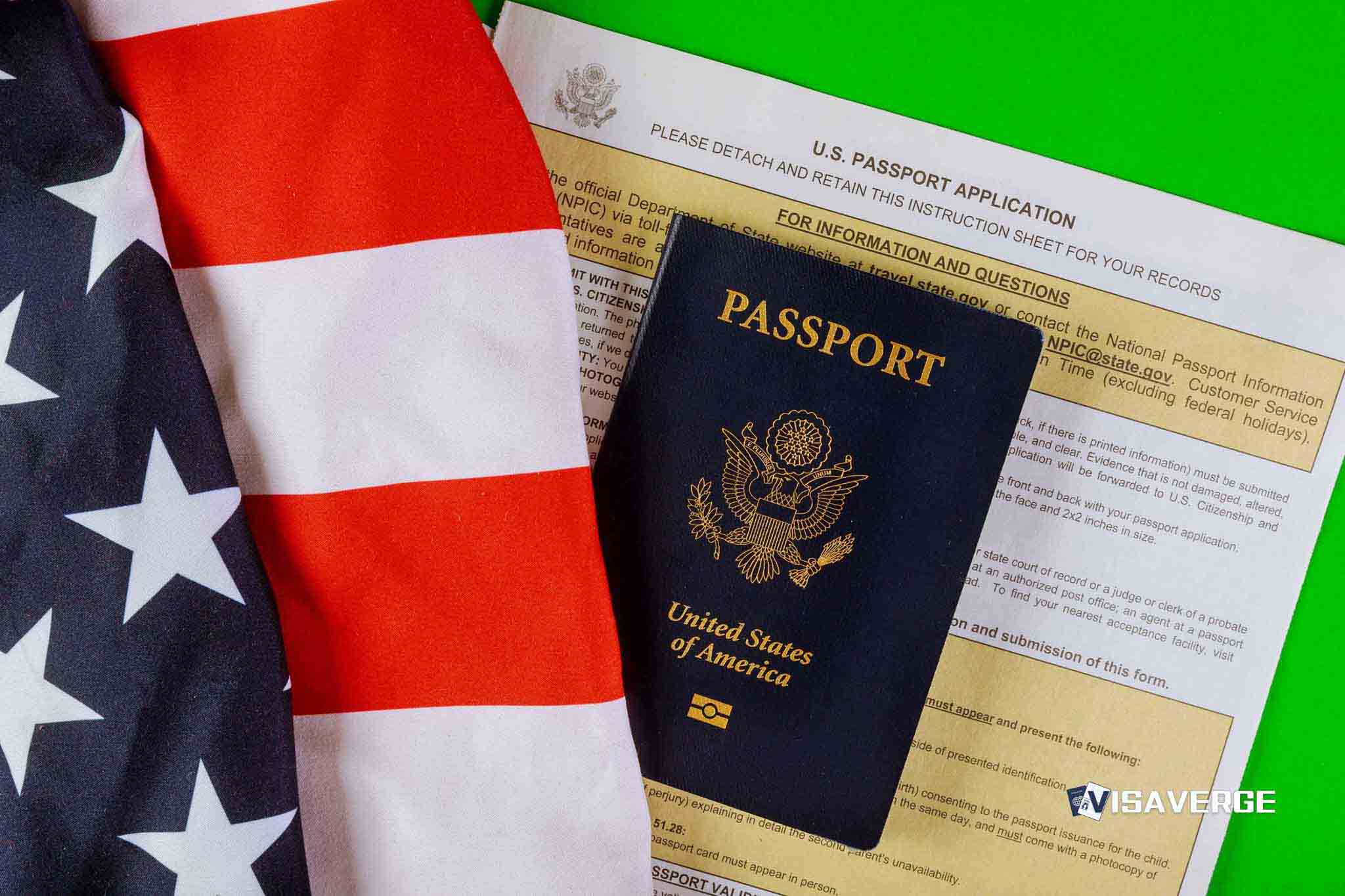
U.S. Customs and Border Protection on December 18, 2025, issued an updated list exempting citizens of listed countries from the six-month passport validity requirement, which still applies to other visitors.
At a glance
- CBP's Carrier Liaison Program updated its passport-validity list on December 18, 2025.
- Visitors not on the exemption list generally need six months beyond their intended stay.
- Citizens of listed countries need a passport valid only through their intended stay.
U.S. Customs and Border Protection (CBP), a U.S. government agency, issued an updated passport-validity list on December 18, 2025. Under its guidance, visitors generally need a passport valid for six months beyond their intended U.S. stay, while citizens of listed countries need a passport valid through their intended stay.
The guidance applies to visitors. Before departure, check whether the country that issued your passport is on the exemption list and compare the passport’s expiration date with the end of your intended stay.

Which passport-validity rule applies
- If you are a citizen of a listed country: your passport must remain valid for your entire intended stay in the United States. It does not need the additional six months.
- If you are not a citizen of a listed country: your passport generally must remain valid for six months beyond the end of your intended stay.
CBP’s passport-validity update sets out the rule. Its technical requirements page also covers passport and six-month validity requirements.
Countries exempt from the additional six months
Citizens of the following countries are exempt from the six-month rule and need a passport valid for their intended period of stay:
- Albania, Andorra, Angola, Antigua and Barbuda, Antilles, Argentina, Armenia, Aruba, Australia, Austria, Bahamas, The, Barbados, Belgium, Belize, Bermuda, Bolivia, Bosnia-Herzegovina, Brazil, Bulgaria, Burma, Canada, Chile, Colombia, Costa Rica, Cote d’Ivoire, Croatia, Cyprus, Czech Republic, Denmark, Dominica, Dominican Republic and Egypt.
- El Salvador, Estonia, Ethiopia, Federated States of Micronesia, Fiji, Finland, France, Gabon, Georgia, Germany, Greece, Grenada, Guatemala, Guinea, Guyana, Haiti, Hong Kong, Hungary, Iceland, India, Indonesia, Ireland, Israel, Italy, Jamaica, Japan, Kosovo, Latvia, Lebanon, Libya, Liechtenstein and Lithuania.
- Luxembourg, Macau, Madagascar, Maldives, Malaysia, Malta, Mauritania, Mauritius, Mexico, Monaco, Mongolia, Montenegro, Mozambique, Nepal, Netherlands, New Zealand, Nicaragua, Nigeria, North Macedonia, Norway, Pakistan, Palau, Panama, Papua New Guinea, Paraguay, Peru, Philippines, Poland, Portugal, Qatar, Romania and Russia.
- San Marino, Saudi Arabia, Serbia, Seychelles, Singapore, Slovakia, Slovenia, South Africa, South Korea, Spain, Sri Lanka, St. Kitts and Nevis, St. Lucia, St. Vincent and The Grenadines, Suriname, Sweden, Switzerland, Taiwan, Thailand, Trinidad and Tobago, Tunisia, Turkey, Tuvalu, Ukraine, United Arab Emirates, United Kingdom, Uruguay, Uzbekistan, Vatican City- Holy See, Venezuela and Zimbabwe.
Other passport and visa requirements
The exemption concerns the six-month validity rule. Each arriving nonimmigrant—a person seeking temporary admission to the United States—generally must present an unexpired passport and, if applicable, a valid, unexpired visa. A visa is a travel document that generally allows its holder to seek entry; some kinds of case are excluded.
A nonimmigrant who cannot present the required passport or visa because of an unforeseen emergency may apply for a case-by-case waiver using Form I-193, the application form for that waiver. A waiver is an official exception to a requirement. A district director, a government official with authority over the relevant decision, may grant it at their discretion. The requirements and waiver provisions appear in 8 CFR Part 212, a section of the federal regulations.
Where to check for updates
The update superseded the list in the 2022-2023 Carrier Information Guides and earlier Carrier Liaison Program bulletins. CBP’s Six-Month Validity Update page was last modified on December 23, 2025.
CBP directs readers to the State Department’s 9 FAM 403.9-3(b)(2)(f), a section of the State Department’s Foreign Affairs Manual, for the most up-to-date list of six-month countries.
Keep reading
More in News →


What to do now
- Visitors with passports issued by a listed country: Check that the passport remains valid through the entire intended stay.
- Visitors with passports issued by a country not on the list: Compare the passport’s expiration date with the intended stay’s end date plus six months.
Sources
Primary documents and official agency releases referenced in this story.