Key Takeaways
- Starting April 11, 2025, Canadian visitors to the U.S. staying over 30 days must register with USCIS and submit fingerprints.
- Registration involves creating a USCIS account, scheduling fingerprinting, providing travel details, and obtaining an I-94 admission record if needed.
- Non-compliance risks fines and charges; guidance from the Canadian Snowbird Association urges proactive preparation and adherence to these new protocols.
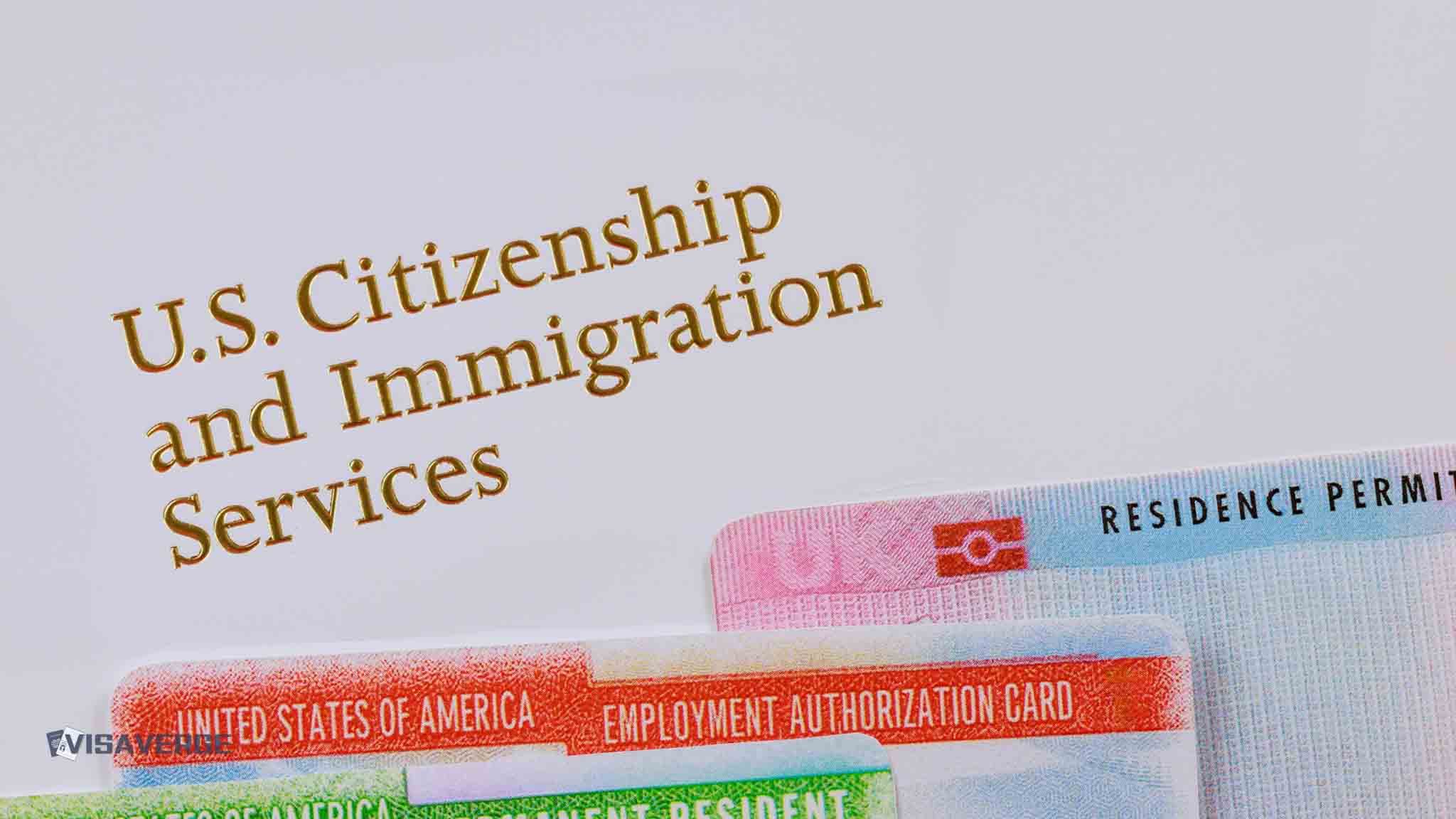
Canadian snowbirds – a group of nearly one million retirees and seasonal travelers who spend their winters basking in the warmth of U.S. sunbelt states – are gearing up to face significant changes in their travel routine. Starting April 11, 2025, new rules introduced by the U.S. Department of Homeland Security will require Canadian visitors staying for more than 30 days to register with U.S. Citizenship and Immigration Services (USCIS) and submit fingerprints. These changes mark a major shift in how cross-border travel has traditionally been handled and bring with them a host of challenges for travelers and the broader tourism industry.
What Are the New Rules?

Under the policies established by executive order “Protecting the American People Against Invasion,” all foreign nationals who stay in the U.S. for 30 days or longer will now need to follow a structured registration process. Canadians aged 14 and older are no exception. Specifically, the new requirements include:
- Creating a USCIS account: Travelers will need to set up an online account with U.S. Citizenship and Immigration Services to begin their registration.
- Scheduling a fingerprinting appointment: Fingerprinting will be necessary as part of a comprehensive background check.
- Documenting travel details: Information such as the visitor’s arrival date and planned length of stay must be provided.
- Securing an I-94 admission record: If this form isn’t automatically issued upon entry, visitors are required to ensure they obtain it as proof of their lawful stay.
Failing to meet these registration guidelines could result in stiff penalties, including fines, misdemeanor charges, and possible civil liabilities. It applies to Canadian travelers who enter the U.S. via land ports but did not receive any formal documentation, such as an I-94, from border officials.
Free toolCanada Express Entry Points CalculatorWhy Are These Changes Important?
This updated policy represents a substantial departure from existing practices. Historically, Canadian travelers – particularly snowbirds – have enjoyed relatively straightforward entry processes when crossing into the United States. For decades, presenting a passport and briefly answering a Customs and Border Protection officer’s questions were often all that was required. With these new regulations, additional bureaucracy is added, which many believe could significantly change long-standing travel patterns.
These rules aim to tighten immigration oversight and ensure accountability for longer-term visitors who enter the U.S. Yet, the rules have created some confusion, and critics are expressing concern not only about their effectiveness but also about their broader implications. Whether you are a traveler or part of the tourism ecosystem, it’s important to grasp how this change could impact you.
Who Is Affected Most?
The group most directly impacted by these rules is undoubtedly Canadian snowbirds – retirees or semi-retirees who head south each year to escape harsh Canadian winters. These individuals typically spend months in sunny states like Florida ?, Arizona ?, or California ?, contributing billions of dollars annually to the U.S. economy. These travelers are often seniors, with many staying in the U.S. for durations longer than 30 days.
For them, the novelty of these registration steps may be stressful. Snowbirds will now need to take actions that were never part of their travel routine before:
- Setting up an online USCIS profile.
- Booking a fingerprinting appointment and attending it at a designated center.
- Tracking down documents like the I-94, which may not have been automatically issued at the border.
The steps, while clearly articulated, still represent a departure from the simplicity Canadian visitors once enjoyed. Some snowbirds may even opt to shorten their stays or forego travel altogether, especially those who may find the system overly burdensome.
Tourism Industry Concerns
The wider implications of these changes extend beyond personal inconvenience. The tourism industry, already facing pressures from global events like economic uncertainty and currency fluctuations, fears these policies could exacerbate existing challenges. Some experts believe the added administrative hurdles could deter would-be travelers, leaving a dent in the U.S. economy. Reports estimate the tourism dollars generated by Canadian snowbirds are in the billions annually, funding local businesses and seasonal jobs.
Several factors paint a grim picture for tourism operators:
- Administrative Complexity: Older snowbirds in particular may be unfamiliar or uncomfortable with online-based procedures like creating accounts or scheduling appointments.
- Privacy Worries: Collecting and storing fingerprint data raises questions for privacy-conscious travelers unsure of how their biometric information will be handled or used.
- Existing Challenges: The weak Canadian dollar is already reducing spending by visitors from Canada ??, as are trade tensions between the two neighbors.
For both sides of the border, there’s concern that these changes could disrupt travel patterns that have remained stable for decades. Analysts from the Canadian Snowbird Association (CSA) have called it a moment of reckoning for the cross-border benefits enjoyed by two deeply intertwined countries.
Addressing the Questions
As with any significant policy shift, confusion surrounds how exactly these changes will be rolled out. Some of the concerns voiced by travelers and advocacy groups include:
- What will the fingerprinting process look like for people entering the U.S. by car at remote land crossings?
- Will older Canadians face accessibility issues in fulfilling their requirements?
- What safeguards ensure that fingerprint data remains secure?
Currently, much remains unspecified. As of early 2025, the Department of Homeland Security is still clarifying aspects of the registration process, including details about the online portal required for submission. This uncertainty has added an element of stress for those preparing for travel.
Actions by the Snowbird Community
The CSA, an advocacy group representing the interest of Canadian snowbirds, has taken on a pivotal role in trying to minimize the adverse effects of these new policies. In a statement from March 2025, the group confirmed ongoing discussions with U.S. officials aimed at achieving some form of exemption for Canadian citizens. While no such exemption has yet been negotiated, the CSA offers practical recommendations to its members, such as:
- Visiting the I-94 official government website to confirm whether they’ve been issued an electronic admission record.
- Keeping close tabs on updates provided via CSA newsletters and email advisories.
- Ensuring their travel plans accommodate the need for additional procedures.
Until clearer information is provided, the CSA advises members to err on the side of caution and to complete all outlined requirements out of an abundance of care.
Remaining Prepared
For Canadians planning extended U.S. stays, staying informed is more important now than ever. It will be critical to take proactive steps, such as:
- Visit Official Sites: Regularly check U.S. Citizenship and Immigration Services and Customs and Border Protection websites for updates.
- Preliminary Registration: Sign up for a USCIS account in advance to avoid any last-minute glitches.
- Book Appointments Early: As appointments could fill up fast, secure your fingerprinting schedule as soon as portals open.
- Lawyer Consultations: If any aspect feels unclear, especially for those with prior overstays or other immigration history, consulting a lawyer could prevent complications.
While long seen as a welcomed group, the snowbird community has been forced to adapt to what many see as unprecedented obstacles to maintaining their lifestyle. For their part, U.S. officials have emphasized the importance of enhanced security measures.
Broader Impacts on U.S.-Canada Travel Ties
The introduction of fingerprinting requirements and a more detailed tracking process also reflects the larger trend of increased global border surveillance. Combined with trade tensions and shifts in diplomatic dynamics, these developments could alter how fluidly Canadians and Americans travel back and forth. With both long-standing family and business ties influenced by this ease of transport, the ripple effects could extend well beyond individual travelers.
Heading Forward
As we near the April 11 implementation deadline, the snowbird community’s attention remains focused on ensuring compliance while minimizing disruption. Travelers should focus on staying informed, adapting to the changes, and understanding how these policies might continue to evolve.
Though these requirements may feel daunting, informed and prepared travelers can still make the transition smoother. For further help, guidance can be found through platforms like VisaVerge.com, which offers key updates on rules and regulations impacting cross-border travel. Moving forward, understanding these procedures will become not just helpful but essential for Canadian snowbirds hoping to enjoy their winter home away from home.
Learn Today
Canadian Snowbirds → Retirees or seasonal travelers from Canada who spend winters in warmer U.S. states like Florida or Arizona.
USCIS (U.S. Citizenship and Immigration Services) → A U.S. government agency involved in managing legal immigration, including processing registrations and granting necessary travel clearances.
I-94 Admission Record → A U.S. Customs and Border Protection form that serves as proof of a non-citizen’s lawful status and length of stay.
Biometric Data → Unique personal identifiers like fingerprints used for identity verification and security purposes in immigration processes.
Executive Order → A directive issued by the U.S. President to manage federal government operations, often influencing policies like immigration rules.
This Article in a Nutshell
Canadian snowbirds, retirees escaping harsh winters, face new U.S. travel rules starting April 2025. Stays exceeding 30 days will require USCIS registration, fingerprints, and detailed records. While aiming for enhanced security, these changes challenge long-standing travel ease. Snowbirds must adapt quickly, ensuring compliance to continue enjoying warm escapes without disruptions. Stay informed!
— By VisaVerge.com
Read more:
• Schengen Visa Fingerprints After Rejection: What to Answer?
• U.S. Plans to Enforce Visitor Registration Law, Informs Canada
• Maryland’s Jorge Echeverri accused of faking citizenship to collect benefits
• Immigration Bill Could Lead to Visa Denials and Heavy Fines for Foreigners
• Trump’s New Travel Ban Targets Entry from Specific Countries