- U.S.-Canada trade shifts toward targeted sectoral tariffs on steel, aluminum, autos, and energy inputs.
- Consumer costs are rising, with some North American vehicles seeing price increases of $4,000 or more.
- The upcoming July 2026 USMCA review will determine the long-term stability of cross-border trade relations.
As of March 2026, U.S.-Canada tariffs have shifted from broad punishment to a narrower but still costly regime. The biggest pressure now falls on steel, aluminum, autos, energy, lumber, copper, and non-CUSMA compliant vehicles. Most goods that meet CUSMA rules still move tariff-free, but households on both sides of the border are paying more for cars, fuel, construction materials, and many manufactured products.
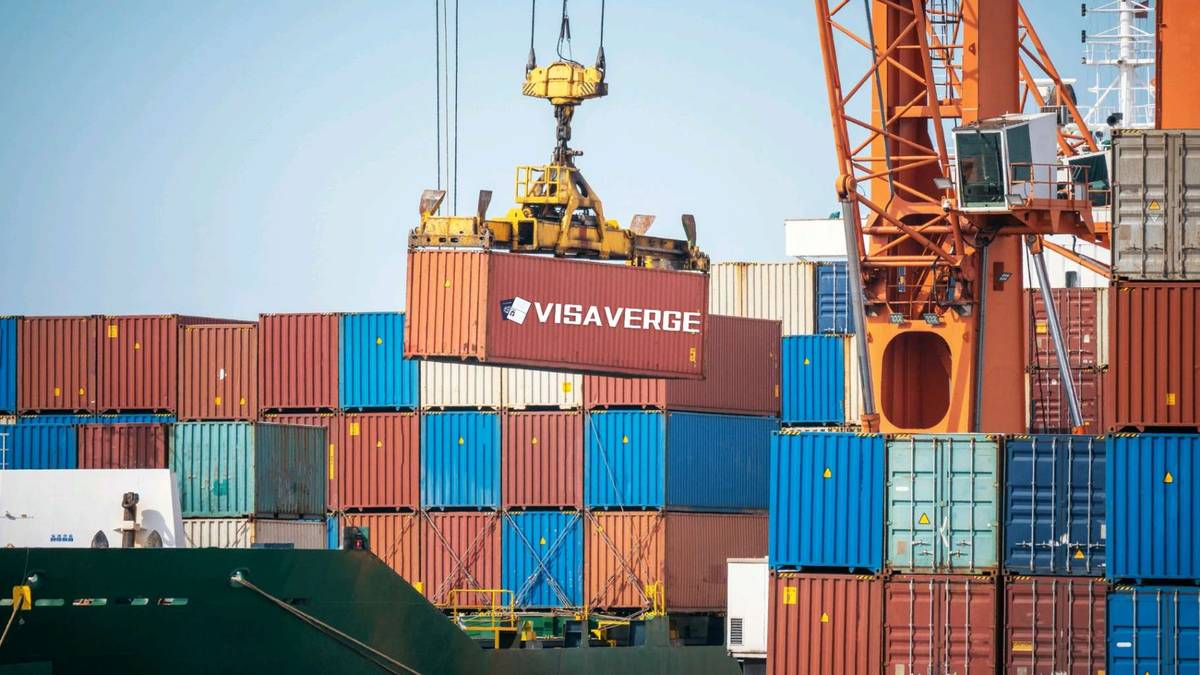
The change matters far beyond trade desks. It affects factory workers, cross-border commuters, car buyers, homebuilders, and families watching grocery and utility bills climb. According to analysis by VisaVerge.com, the tariff fight has become a direct cost-of-living issue, not just a diplomatic dispute.
Tariff Pressure Has Narrowed, but It Has Not Gone Away
The first wave began in March 2025, when the United States imposed 25% tariffs on most Canadian goods and 10% on energy. Canada answered with 25% duties on $30 billion of U.S. goods and later planned broader retaliation. By September 1, 2025, Canada removed most counter-tariffs on $44.2 billion in goods after the U.S. exemption for CUSMA-compliant products became central to the trade picture.
The legal landscape changed again in February 2026, after the U.S. Supreme Court struck down the IEEPA-based tariff approach. That led to a temporary 10% U.S. surcharge on non-CUSMA global imports, including Canada, starting February 24, 2026, for up to 150 days unless Congress acts.
For readers checking the rules themselves, the Canadian government’s CUSMA guidance is available through Global Affairs Canada’s CUSMA page.
Steel and Aluminum Remain the Most Aggressive Front
Steel and aluminum are still the hardest-hit sectors. The United States raised tariffs to 50% on all imports on June 4, 2025, after first setting them at 25%. Canada kept 25% duties on $12.6 billion of U.S. steel and $3 billion of aluminum, while also applying 25% tariffs on steel-derivative products globally from December 26, 2025.
These metals sit inside nearly every major supply chain. They are used in cars, appliances, packaging, housing, and industrial equipment. That is why the effect spreads so quickly. When steel gets more expensive, the price shows up later in a refrigerator, a pickup truck, or a new roof.
Canada also cut tariff-rate quotas for some imports, including 20% of 2024 levels for non-FTA steel. That tightening reduces room for duty-free entry and keeps pressure on importers.
Autos, Parts, and Non-CUSMA Compliant Vehicles Are Driving Up Prices
Automobiles are the most visible example of how tariffs hit ordinary buyers. The United States imposed 25% tariffs on non-U.S.-built cars and trucks on April 2, 2025. Canada matched that approach with 25% tariffs on non-CUSMA vehicles on April 9, 2025. Those duties hit finished vehicles first, but the damage spreads through parts, logistics, and assembly lines.
North American auto production is deeply integrated. Parts cross borders several times before a car reaches a dealer lot. That is why the impact is larger than the tariff rate alone suggests. Analysts estimate that some North American-assembled vehicles now cost $4,000 to $10,000 more because of cumulative tariff effects.
That matters for immigrant workers too. TN professionals, temporary workers, and permanent residents employed in auto plants, logistics firms, and parts suppliers face real job stress when order books slow and costs rise.
Energy, Lumber, Copper, and Household Goods Also Feel the Hit
Energy remains under tariff pressure through the U.S. 10% charge on non-CUSMA compliant imports. Canadian crude and related energy flows are central to Midwest refineries, so the cost lands in gasoline, diesel, and heating fuels. Potash is also affected, and that feeds into fertilizer prices and, later, grocery bills.
Lumber has become another major cost driver. The United States set 35% tariffs on softwood lumber and 25% on upholstered wood and kitchen cabinets on October 14, 2025. For homeowners, that means higher renovation bills and more expensive new builds. A kitchen remodel can rise by $2,000 to $5,000 once cabinets and related materials absorb tariff pressure.
Copper is another sensitive input. A 50% U.S. tariff on copper raises costs for wiring, electronics, and construction. The end of the $800 de minimis exemption on August 29, 2025 also hit low-value shipments, which makes online orders and small cross-border purchases more expensive.
Why the Cost Shows Up in Daily Life
These tariffs do not stay at the border. Businesses pass most of the cost through to consumers, especially in tightly integrated supply chains. That means the tariff bill appears as a higher sticker price, a bigger delivery fee, or a larger mortgage-related expense.
Households are seeing the effect in several places:
- Fuel: energy tariffs can add 30 to 50 cents per gallon in some Midwest markets.
- Vehicles: a mid-size SUV can cost $4,000 to $10,000 more.
- Housing: lumber and steel push homebuilding costs up 5% to 8%.
- Kitchen projects: cabinets and vanities can rise 25%.
- Consumer goods: aluminum, plastics, and packaging raise grocery and retail prices by $200 to $400 a year for some households.
The wider inflation effect is already visible. Tariffs have pushed up the average effective U.S. tariff on Canadian imports to 8.1% by January 2026, up from 2.4% in 2024.
How the Policy Has Evolved Since Early 2025
The pattern since early 2025 has been one of escalation, partial retreat, and then targeted pressure. The first broad tariffs hit in March 2025. CUSMA exemptions followed shortly after. Canada later withdrew most retaliatory duties in September 2025. Then the United States intensified pressure again with higher steel and aluminum rates, followed by sector-specific tariffs on lumber and copper.
Canada responded by cutting or redesigning some of its own measures, including steel-related quotas and domestic procurement preferences tied to “Buy Canadian” policy. The result is not a clean trade war or a clean truce. It is a patchwork of sectoral barriers that punish some goods hard while leaving most CUSMA-compliant trade untouched.
What It Means for Workers, Shoppers, and Cross-Border Families
For American households, tariffs act like a consumer tax. For Canadian exporters, they cut into sales, delay investments, and strain factory planning. Canada sends a large share of its exports to the United States, so the pain reaches deep into manufacturing towns and resource regions.
That pressure also touches immigration-linked lives. Cross-border workers, truck drivers, engineers, and seasonal employees depend on stable trade. When tariffs hit steel or autos, the ripple can affect hiring, overtime, and relocation plans. Families waiting on work-based moves feel the uncertainty in a very practical way.
For companies that rely on cross-border sourcing, compliance with CUSMA rules now matters more than ever. Non-compliant goods face higher costs immediately, while compliant goods keep the tariff advantage that protects most of the bilateral market.
July 2026 USMCA Review Will Set the Next Phase
The next major turning point arrives on July 1, 2026, when the USMCA joint review begins. That review will shape whether the agreement moves toward a 16-year extension or whether more friction follows. Washington wants stricter content rules. Ottawa wants tariff relief and a calmer border environment. Negotiators are already linking trade access to broader political issues, including border security and industrial policy.
Businesses on both sides are holding back on some deals until the review becomes clearer. That hesitation is itself part of the cost. In a trade system built on movement, uncertainty becomes another tariff.