- Egypt has replaced paper visa stamps with a new digital visa-on-arrival system at Cairo International Airport.
- Travelers can apply via self-service kiosks, websites, or apps to receive a scannable QR code for entry.
- The system aims for full nationwide deployment across all Egyptian airports by the end of 2026.
(CAIRO, EGYPT) – Egypt launched a digital visa-on-arrival system at Cairo International Airport on May 13, 2026, beginning an electronic entry process that officials said will replace paper visa stamps and ease congestion at arrivals.
Prime Minister Mostafa Madbouly witnessed the signing of two operational agreements tied to the rollout, with platform developer CyShield Technology joining payment partners National Bank of Egypt and Banque Misr.
Free toolDS-160 Form Filling Online Helper Tool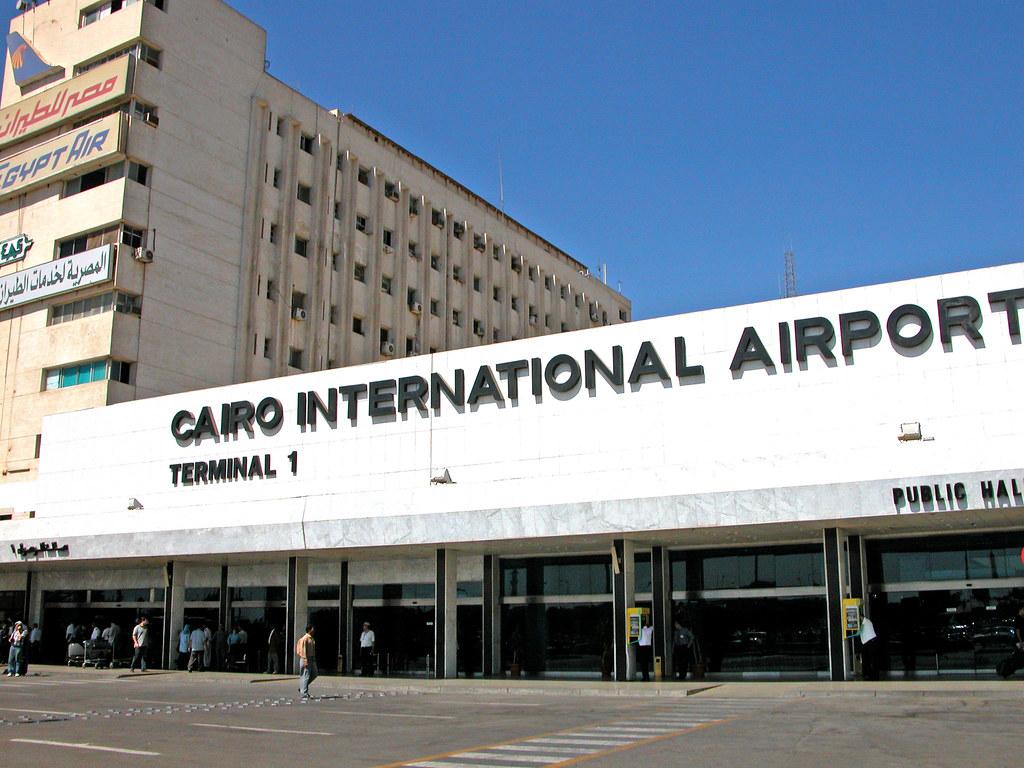
Eligible travelers now submit their details through self-service kiosks at the airport, the system’s official website, or a dedicated mobile app. After paying visa and service fees electronically by card or other digital methods, they receive a QR code that passport officers scan for verification.
Officials set August 2026 for full deployment across all terminals at Cairo International Airport. Until then, the launch marks the first phase of a broader shift from paper-based processing to digital entry checks at Egypt’s busiest airport.
Madbouly said, “The system supports the state’s efforts to improve tourists’ experience from the moment they arrive and facilitate procedures at Egyptian airports,” linking the airport change to Egypt’s wider digital transformation and tourism modernization strategy.
Tourism and Antiquities Minister Sherif Fathy attended the signing ceremony, as did Central Bank Deputy Governor for Banking Operations and Payment Systems Mohamed Amer. Their presence underscored that the project sits at the intersection of border processing, tourism policy and payment infrastructure.
The new system gives travelers more than one route to apply. They can complete the process on arrival through airport kiosks, or they can apply up to 48 hours before landing through the platform or via tourism companies.
That option does not replace Egypt’s nationwide e-visa program for pre-arrival applications. Instead, the digital visa-on-arrival system adds another channel, aimed at travelers who remain eligible for visas issued close to or at the point of entry.
CyShield Technology built the platform behind the rollout. National Bank of Egypt and Banque Misr handle the payment side, a central part of the system because the visa and related service fees move through electronic transactions rather than cash-and-stamp processing at the counter.
The mechanics are straightforward. A traveler enters personal and trip details, pays electronically, and receives a machine-readable code. Border officers then scan that code instead of processing a paper visa stamp.
Officials presented the change as a practical answer to airport bottlenecks. Replacing paper handling with a digital record shortens several steps that previously took place at the arrivals desk and shifts part of the process to kiosks, online platforms and mobile devices.
Egypt had already signaled this direction a year earlier. Authorities announced a pilot for an electronic visa-on-arrival system at Cairo in May 2025, laying the groundwork for the launch that began on May 13, 2026.
The airport rollout also lines up with another paperless move at Cairo. On April 11, 2026, the Ministry of Civil Aviation decided to cancel paper passport cards for Egyptian passengers at all Cairo terminals.
Taken together, the two measures point to a wider redesign of passenger processing at the airport, one that reaches both foreign arrivals seeking visas and Egyptian travelers moving through terminal controls.
Cairo is the opening site, not the endpoint. Egypt plans to extend the system gradually to other airports, including Sharm El Sheikh, Hurghada and Borg El Arab.
Officials set a national target of full electronic visa processing at all airports by end-2026. That timeline places the Cairo launch at the front of a countrywide transition rather than as a stand-alone airport project.
The choice of Cairo International Airport gives the initiative its highest-profile test. As the country’s principal gateway, Cairo offers the largest and most visible setting for officials trying to show that digital processing can cut waiting times and move passengers through border control more quickly.
Payment infrastructure sits at the center of that effort. A paper stamp system can function with manual checks and in-person transactions; an electronic one depends on stable digital payments, immediate confirmation and coordination between the visa platform and border officers scanning the code.
That helps explain the involvement of Banque Misr and the National Bank of Egypt alongside the technology developer. Their role is not ceremonial. The system cannot function as intended unless fee collection works smoothly across kiosks, the website and the mobile app.
Fathy’s participation reflects the tourism side of the policy. Egypt has pushed to modernize the arrival experience for international visitors, and the airport visa process often shapes a tourist’s first contact with the country after landing.
Madbouly framed the launch in those terms, emphasizing the arrival experience itself rather than a narrow technical upgrade. His statement tied the project to a state effort to make airport procedures easier from the first moments after a traveler steps off the plane.
Amer’s attendance pointed to another part of the project: payment systems as public infrastructure. Moving visas into a digital environment requires secure transaction channels that work fast enough for airport use and at a scale that can handle large passenger flows.
The system also changes the sequence of travel preparation. Some passengers who once expected to handle visa formalities entirely after arrival can now complete much of the process before departure, up to 48 hours ahead, and arrive with a scannable QR code already issued.
Others will still be able to use self-service kiosks after landing, preserving the core idea of visa-on-arrival while shifting the paperwork into a digital format. That hybrid model gives Egypt a way to keep the arrival-based option while reducing reliance on manual stamping.
Cairo’s rollout arrives as governments across the region push more border and airport services onto digital platforms, though Egypt’s announcement focused on its domestic goals: less congestion, faster entry, easier procedures and an airport experience aligned with broader modernization plans.
By August 2026, officials expect every terminal at Cairo International Airport to operate under the new system. After that, expansion to Sharm El Sheikh, Hurghada and Borg El Arab will determine how quickly Egypt reaches its goal of electronic visa processing at all airports by end-2026.