- A gas leak closed the A201 road to Brussels Airport for over an hour on Tuesday.
- Airport train services remained fully operational at level -1, providing a reliable alternative for travelers.
- Direct rail links connect the terminal to major Belgian cities including Antwerp, Ghent, and Bruges.
(ZAVENTEM, BELGIUM) — A gas leak briefly shut the A201 road into Brussels Airport on Tuesday, but the airport’s train station stayed open and continued handling passengers through level -1 beneath the terminals. Anyone heading to or from Brussels Airport could still rely on rail, which remained the fastest public transport option during the disruption.
The road closure lasted more than an hour after a leak in one of the pipelines along the airport approach. Airport access by train was not affected, and service at Brussels Airport-Zaventem railway station continued normally throughout the incident. That left rail as the cleanest backup for anyone trying to reach the terminal without a car or taxi.
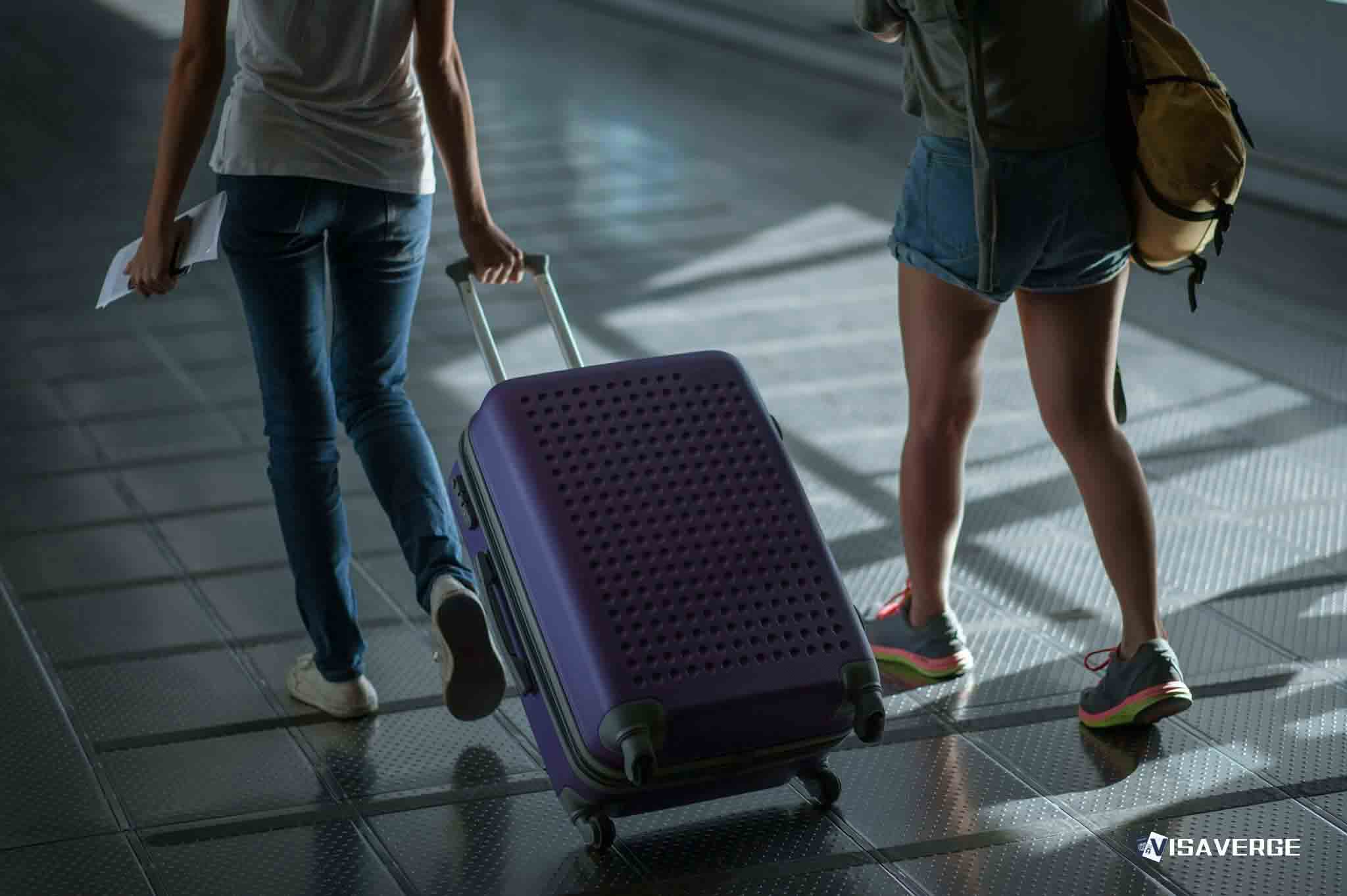
Brussels Airport’s rail stop sits directly under the departures and arrivals halls. Escalators and lifts connect the platforms to the terminal, and passengers enter through gates using a QR code on a train ticket or a MOBIB card. The station remains one of the most convenient airport rail links in Europe, especially when road access becomes uncertain.
Six direct trains run every hour from early morning until around midnight, with departures every 10 minutes on the busiest stretches. Trains connect Brussels Airport with Brussels-Central in about 18 minutes, and also link the airport with Antwerp, Ghent, Bruges and Leuven. There is no metro line serving the airport, which keeps rail in a class of its own for fast city access.
That matters on a day when road access is briefly interrupted. A taxi or private car stuck near the A201 can lose far more time than a passenger boarding a train below the terminal. The airport rail network also feeds into the wider Belgian system, so arrivals from Brussels stations keep moving through the airport without a separate shuttle or transfer.
| Detail | Information |
|---|---|
| Route affected | A201 road to Brussels Airport |
| Cause | Gas leak in a pipeline |
| Road status | Closed for more than an hour |
| Rail status | Fully operational |
| Airport rail station | Brussels Airport-Zaventem, level -1 |
| Direct trains | 6 per hour |
| Brussels-Central travel time | About 18 minutes |
| Other direct cities | Antwerp, Ghent, Bruges, Leuven |
| Metro service | None |
Passengers using the station need only follow the signs to level -1, buy a ticket if needed, and scan the code at the gates before heading to the platform shown on the departure screens. The process is simple, but the ticket gates can slow first-time users who arrive with luggage and little time to spare.
The episode also highlighted a practical difference between Brussels Airport and many other European hubs. Airports with limited rail links often force passengers onto buses or road shuttles when a road incident hits. Brussels Airport has a direct rail station in the terminal, so a pipeline problem on the A201 does not automatically turn into a terminal access crisis.
No airline loyalty program changes came out of the closure, and no carrier-specific reroutes were reported. Still, rail access matters for airline passengers because missed check-in windows, late bag drops and delayed arrivals can affect same-day travel plans. Anyone connecting onto Brussels Airlines, Star Alliance partners or long-haul departures had a better option in the train than on the road during the closure.
Brussels has dealt with other gas-leak incidents before without airport rail disruption. In past cases, emergency crews closed roads or nearby transit stops, while rail lines kept running. That pattern held again here, with airport trains continuing to depart on schedule while the A201 reopened after the leak was contained.
⚠️ Heads Up: Brussels Airport’s train station stayed open, but road access changed fast. Check departure screens and rail times before heading to the terminal, especially if you plan to use the A201.
The best move for anyone heading to Brussels Airport after a road incident like this is simple: take the train if possible, leave extra time if arriving by car, and use the airport station beneath the terminals rather than relying on surface access through the A201.