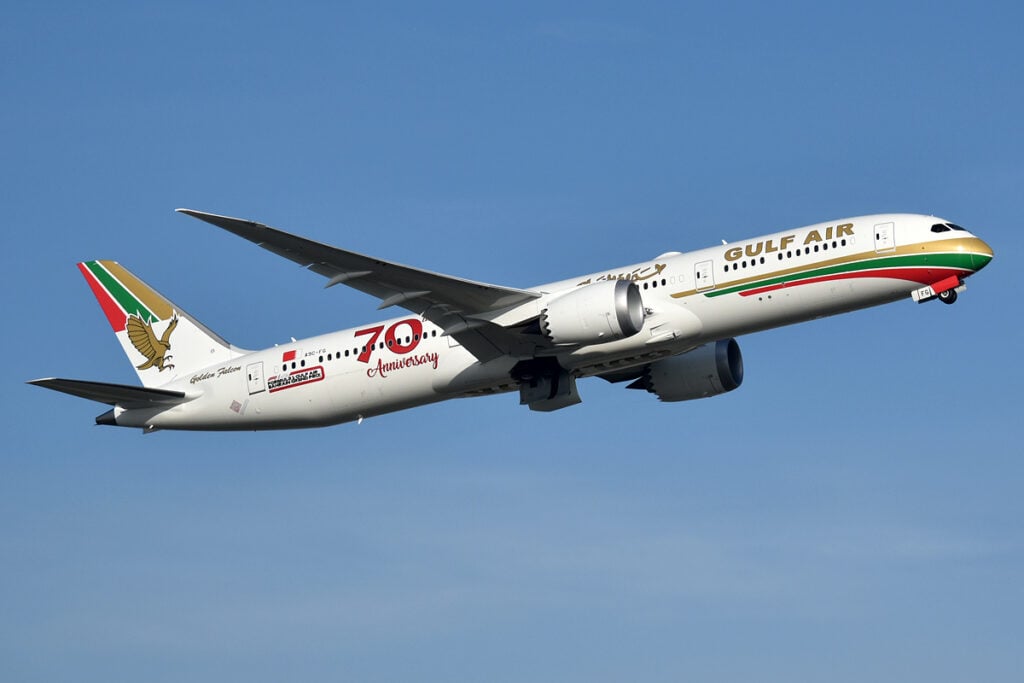
- Brazil has waived visitor visas for Irish citizens holding ordinary passports for short-term travel.
- The waiver allows stays up to 90 days annually for tourism, conferences, or business meetings.
- Travelers must still provide proof of onward travel and sufficient funds upon arrival at the border.
(BRAZIL) — Brazil waived visitor visas for Irish citizens holding ordinary passports under Inter-Inter-Ministerial Ordinance 18/2026, allowing visa-free entry for tourism, conferences or short business meetings.
The change removes the need for an e-visa or a consular sticker for Irish travellers visiting Brazil on short stays. It also reshapes trip planning costs and timelines for people who previously had to budget for an application that cost around US $120 and could take two weeks to process.
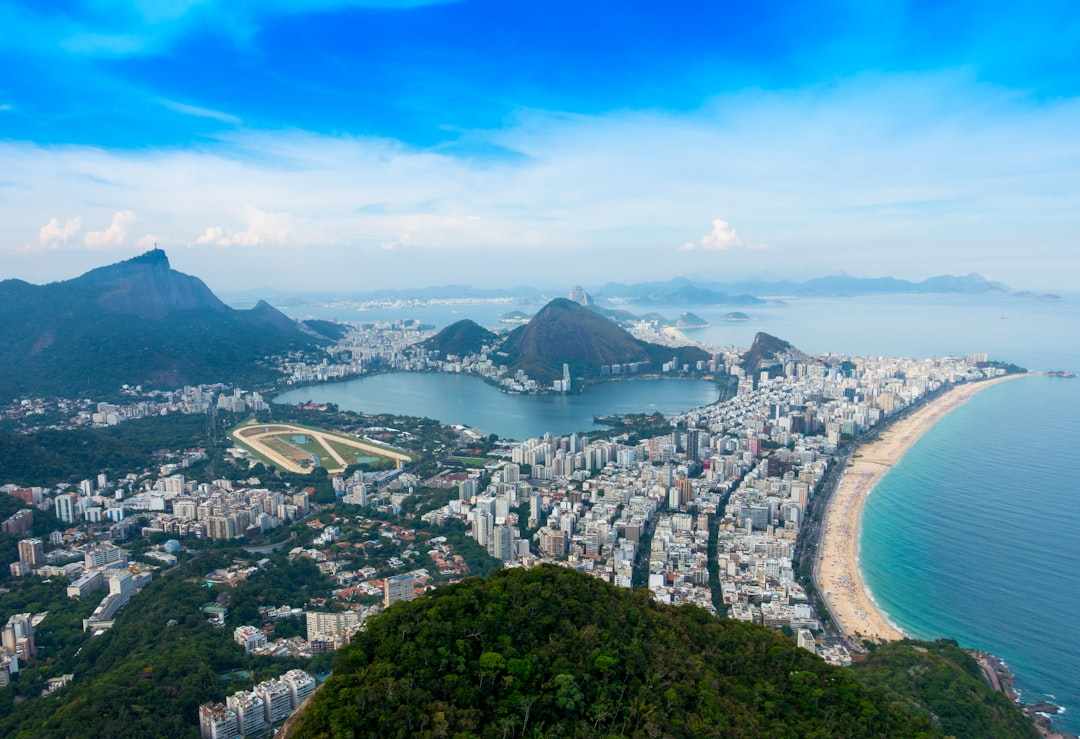
Inter-Inter-Ministerial Ordinance 18/2026 sets out the scope of the waiver and the conditions under which Irish passport holders can enter without a visa. The ordinance covers common visitor activities, while drawing a line between business meetings and paid employment.
Officials published the measure and put it into force in early March 2026. Some reports referenced an earlier start date in late February 2026, and those reports cited confirmation by the Ministry of Foreign Affairs in late February 2026.
The practical point for travellers is that Brazil’s formal action is the basis immigration officers and carriers use when checking entry eligibility. Rules can change, and travellers often confirm entry conditions close to departure.
The visa waiver applies to Irish citizens travelling on ordinary passports. The ordinance focuses on that category, and it does not set out in the same terms how other passport types or special travel documents might be handled.
Permitted purposes include tourism, attending conferences, and short business meetings. The policy frames business activity as meetings without paid work, and it distinguishes those trips from longer assignments that require a different status.
Travellers who take paid work cannot do so under visa-free entry, under the terms described with the waiver. Longer assignments require a Temporary V visa.
Under the ordinance, the initial authorised stay is 30 days. Irish visitors can extend once in Brazil for 60 days, allowing a maximum of 90 days in any 12-month period.
That cap makes cumulative day-counting important for frequent travellers, including people who make repeated trips for meetings or events. Each entry can be valid on its own terms, but the overall total cannot exceed 90 days in a 12-month period.
Border checks still apply even when a visa is not required. Irish citizens must present a valid ordinary passport, proof of return or onward travel, and evidence of sufficient funds.
Airlines also tend to check for basic admissibility before boarding on international routes, because carriers can face penalties and costs if passengers are refused entry. Travellers who arrive without required documents can still be turned back.
Brazil’s authorities also warn that overstays and unauthorised work can create future entry issues. The waiver offers easier access, but it does not remove compliance obligations tied to purpose of travel and length of stay.
The move forms part of a broader package under Brazil’s “Open Doors 2026” strategy. That strategy aims to recover inbound tourism and boost MICE travel, referring to meetings, incentives, conferences and exhibitions.
Ireland is one of eight countries included in the measure, alongside China, Denmark, France, Hungary, Jamaica, Saint Lucia, and Bahamas. Brazil has presented the visa changes as part of its tourism and events push.
Inbound travel remains below a pre-pandemic peak, based on the figures cited with the strategy. Brazil recorded 5.9 million arrivals in 2025, compared with 6.6 million at the pre-pandemic peak.
For Irish travellers, the waiver directly affects both leisure and corporate itineraries by removing an application step that could act as a barrier for short-notice trips. Conferences and trade fairs often involve last-minute bookings, and firms can send staff with fewer administrative constraints.
Analysts cited a pre-Covid baseline of 15,000 Irish visitors annually to Brazil and predicted a 25% increase over two years. That forecast is an expectation rather than an official count, but it frames why the change matters to the travel market.
Industry attention has also focused on how passengers connect between Ireland and Brazil. Analysts pointed to routes via Lisbon on TAP and via Paris on Air France-KLM as likely beneficiaries if demand grows.
Airlines have also shown interest in capacity as entry rules loosen for additional nationalities. LATAM, Air France-KLM, and JetBlue were cited as seeking additional slots.
Brazil’s decision is unilateral, meaning Brazil set the entry terms without requiring the other country to match them. The shift signals a move away from strict reciprocity, and it follows China’s waiver for Brazilians.
The waiver’s coverage of short business meetings could be particularly relevant for Irish firms with links to São Paulo. The sectors cited in connection with the policy include energy, engineering, and tech/fintech.
Trade shows and conference travel feature prominently in the policy context set out by the “Open Doors 2026” strategy. The ordinance’s scope, which includes conferences, aligns with Brazil’s stated focus on MICE recovery.
Supporters of the change also link easier entry to longer-term positioning for international events. The travel facilitation was described as supporting trade shows ahead of Brazil’s World Expo 2027 bid.
For tour operators, removing the e-visa process can change how products are marketed and sold, because the booking window becomes more flexible. The shift can also reduce call-centre and client-support work tied to troubleshooting visa applications, especially where processing timelines previously constrained departures.
Business travel managers often treat visa friction as a cost centre because it adds fees, delays, and compliance checks. With the waiver in place for ordinary passports, companies can focus more on trip purpose and stay length, rather than application timing.
Still, corporate travellers face a clear boundary under the new regime. Paid work remains outside the permitted activities for visa-free entry, and longer assignments must move through the Temporary V visa channel described alongside the ordinance.
Travellers who expect to extend their trips need to manage time carefully. The ordinance allows one in-country extension, but the overall 12-month cap means an extension can reduce flexibility for later travel in the same period.
Documentation remains central at the border. Proof of onward or return travel and evidence of sufficient funds are part of the requirements cited for Irish citizens, even with visa-free entry in place.
The policy can change, and travellers typically verify entry rules before flying. Guidance is commonly available through Brazilian consulates and through information provided by Brazil’s Federal Police, which handles immigration inspection at entry points.
For Irish visitors, the immediate effect is that ordinary passport holders can travel to Brazil for short stays without obtaining an e-visa first, as long as their activities fit the permitted purposes and their total time stays within the 90-day limit in any 12-month period.