What Was President Biden’s Comment on Japan and Other Countries?
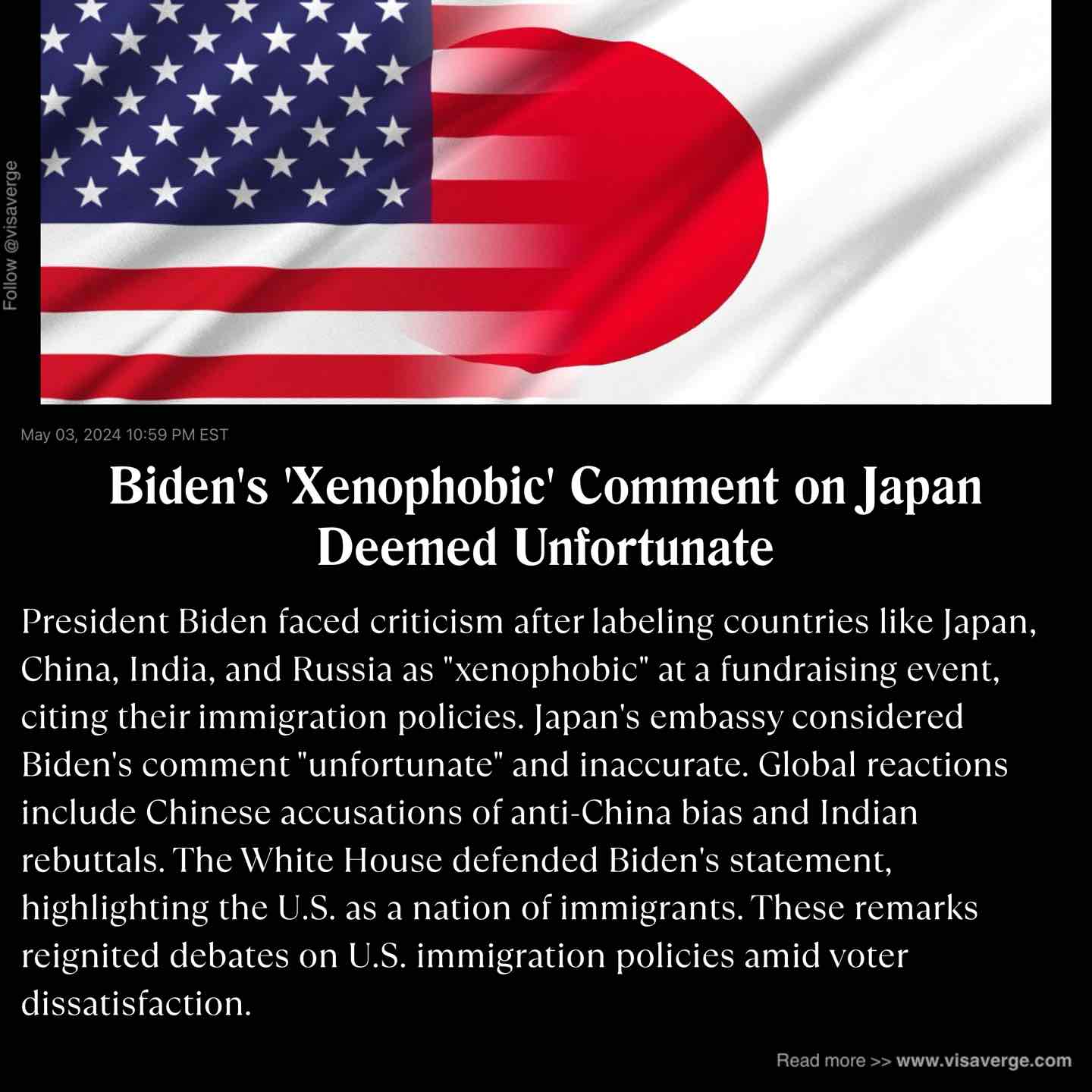
During a recent campaign fundraising event, President Joe Biden sparked a wave of controversy with remarks suggesting countries like Japan, India, China, and Russia were “xenophobic” due to their restrictive immigration policies. Addressing a predominately Asian-American audience, Biden linked economic struggles in these nations to their reluctance towards accepting immigrants. He stated, “Why is China stalling so badly economically? Why is Japan having trouble? Why is Russia? Why is India? Because they’re xenophobic. They don’t want immigrants.” This comment was particularly striking considering its timing soon after he had declared the US-Japan alliance “unbreakable” during Japanese Prime Minister Fumio Kishida’s state visit to Washington.
How Did the Japanese Embassy React to Biden’s Remarks?
The response from Japan’s embassy was swift and clear. They described the “Biden xenophobic comment” as “unfortunate” and pointed out that it was “not based on an accurate understanding” of Japan’s current policies. Given the evolving nature of Japan’s immigration policies, which have been relaxed in recent years to combat the country’s declining population, the remark was seen as especially misinformed. The embassy reiterated the strength of Japan-US relations, particularly highlighting the recent visit by Prime Minister Kishida, which they claimed showed the relationship was “stronger than ever.”
What Was the Global Reaction to the Comment?
Biden’s statement did not just resonate within the U.S. or Japan but also drew criticism from other nations mentioned in his comments. In China, Chen Weihua, a columnist for the China Daily, expressed his views on social media, attributing Biden’s comment to an “obsession with smearing China,” calling it a “serious mental disease.” Meanwhile, in India, the response was clarified by Madhavan Narayanan, an economist and journalist, who contended that characterizing India as unwelcoming to immigrants was incorrect. He pointed out that India continues to attract both high-skill expatriates and low-wage workers from neighboring countries.
What Does This Mean for US Immigration Debate?
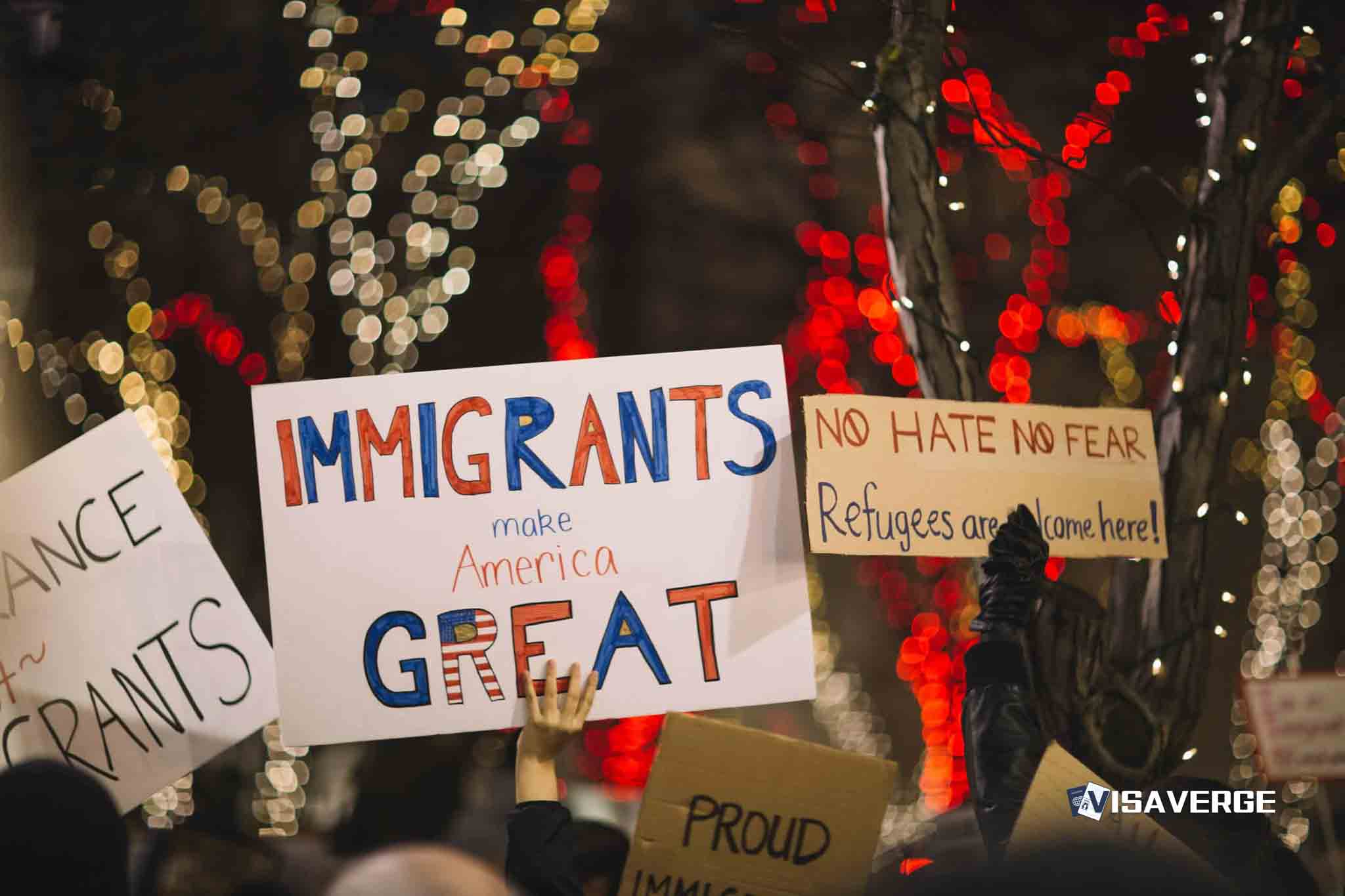
The White House clarified that President Biden’s comments were intended to emphasize the strength of the United States as a “nation of immigrants,” suggesting that the openness to immigration contributes to the country’s economic and social strength. This explanation, however, has not quelled the broader debates ignited by these remarks about U.S. immigration policies and their impacts, especially in light of the ongoing dissatisfaction among U.S. voters concerning Biden’s handling of issues like the US-Mexico border.
Conclusion
This scenario underscores the delicate nature of international diplomacy and the potent impact of political rhetoric on global relationships. As administrations come and go, the essence of diplomatic engagement and understanding remains a cornerstone of international relations. For further details on how these dynamics play out in policy adjustments, one can visit the U.S. Citizenship and Immigration Services for more in-depth information on U.S. immigration policies. One must hope for resumed clarity and strengthened ties following these diplomatic stumbles.
Learn Today:
Glossary or Definitions:
- Xenophobic: A term used to describe a fear or dislike of people from other countries or cultures. In the context of immigration, it refers to policies or attitudes that are hostile towards immigrants or immigration due to concerns about cultural differences or perceived threats to national identity or security.
-
Embassy: The official residence and office of the ambassador of one country in the capital city of another country. Embassies serve as diplomatic missions to represent the sending country’s interests and facilitate communication and cooperation between nations.
-
Economic Struggles: Challenges or difficulties faced by a country’s economy, such as slow growth, high unemployment rates, inflation, or currency devaluation. Economic struggles can be influenced by various factors, including government policies, global economic conditions, and internal issues like labor market dynamics.
-
Immigration Policies: Laws, regulations, and measures established by a country to manage the entry, stay, and rights of foreign nationals within its borders. Immigration policies can cover diverse aspects, including visa issuance, residency permits, refugee admission, deportation procedures, and integration programs.
-
Diplomatic Engagement: The process of countries engaging in formal communication, negotiation, and cooperation to maintain or establish political relationships. Diplomatic engagement plays a crucial role in resolving disputes, fostering mutual understanding, promoting peace, and advancing common interests among nations.
This Article In A Nutshell:
President Biden’s recent comment linking Japan, China, India, and Russia’s economic challenges to “xenophobic” immigration policies raised eyebrows. Japan’s embassy swiftly called out the remark as “unfortunate,” emphasizing robust US-Japan ties. Global reactions varied, highlighting the delicate balance of diplomacy. The incident fuels ongoing debates on US immigration policy effectiveness.
— By VisaVerge.com
Read more:
- Reducing Visa Wait Times in India: President Biden’s Directive to US Envoy
- Biden Administration Resumes Haiti Deportation Flights Amid Violence
- DACA Recipients to Gain Expanded Health Coverage Under Biden Plan
- Biden’s Xenophobic Comment on India, China, Japan, and Russia’s Immigration Policies