The aviation industry has avoided new tariffs on aircraft and their parts after the latest EU-US trade deal, finalized in July 2025. This decision brings relief to airlines, manufacturers, and travelers who faced months of uncertainty about possible cost increases and supply disruptions.
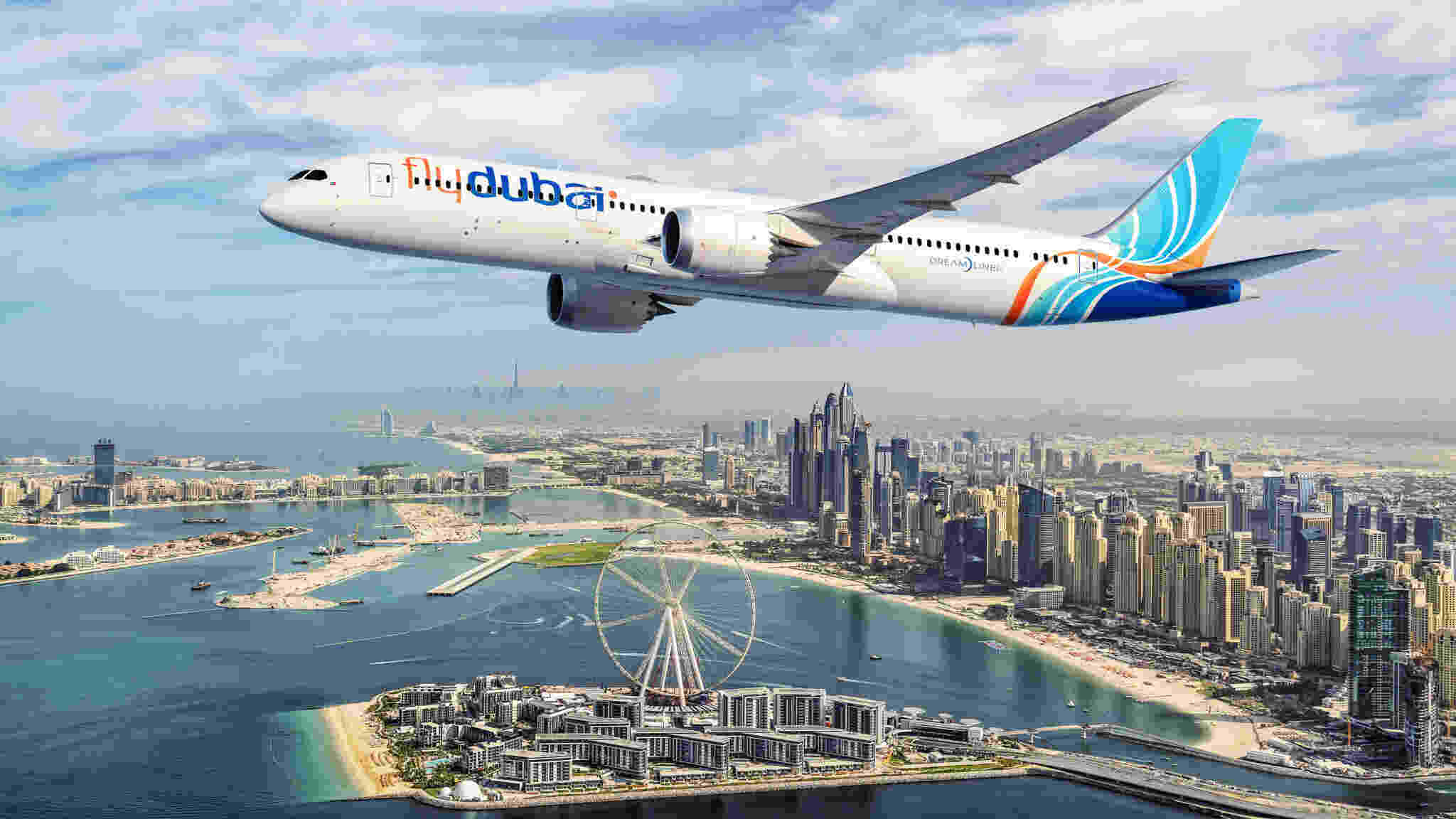
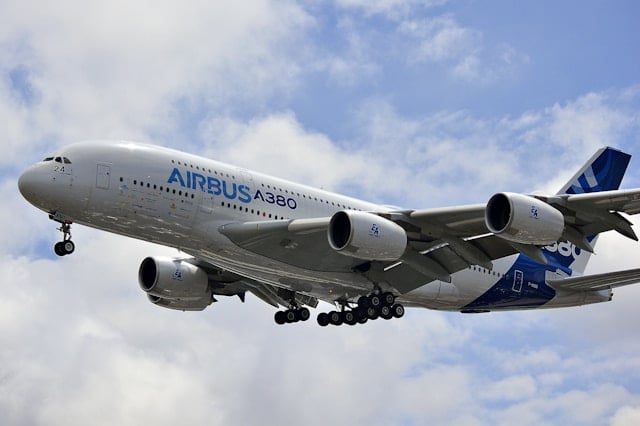
In April 2025, President Trump announced a 20% tariff on all European Union exports. After negotiations, most goods now face a 15% tariff, but aircraft and their components are exempt. This exemption is especially important for companies like Airbus, which supplies many airlines in the United States ?? and Europe ??. Without this deal, airlines and manufacturers would have faced billions in extra costs, likely leading to higher ticket prices and fewer new planes.
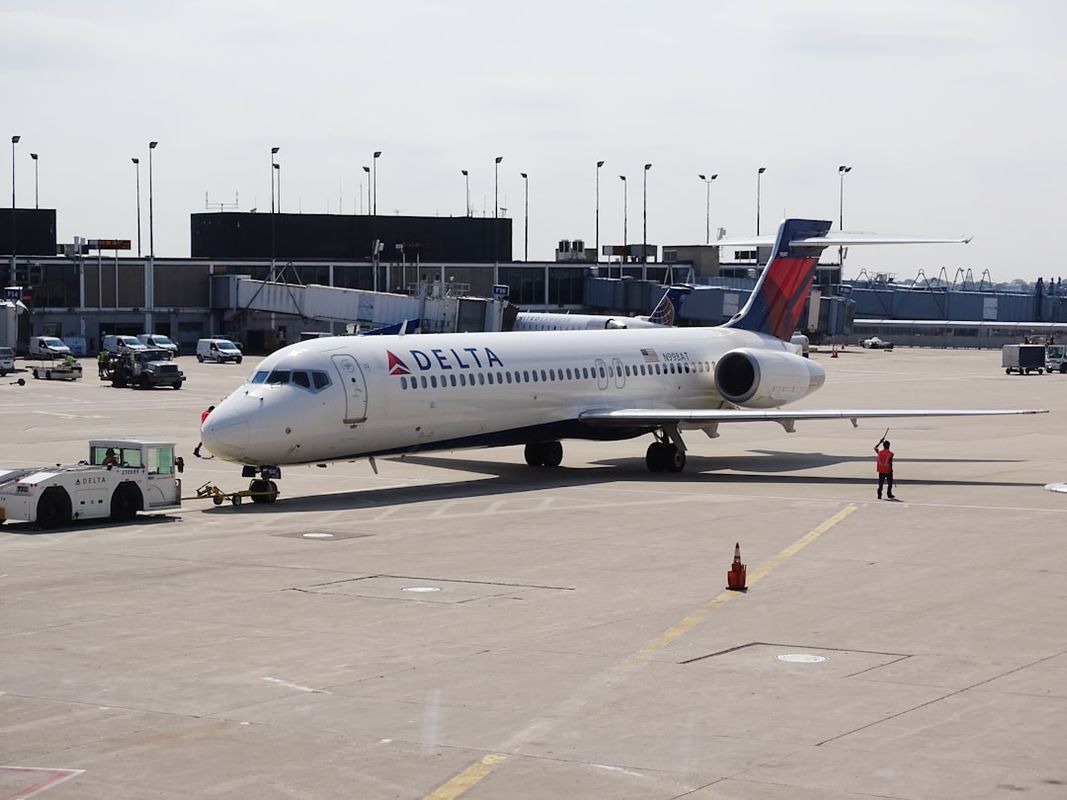
Transportation Secretary Sean Duffy supported the return to the zero-tariff agreement from 1979, saying it matches what the aviation industry wants. Delta Air Lines took creative steps to avoid tariffs by having an Airbus plane delivered to Japan instead of the United States ??, then using it for international flights. Ryanair CEO Michael O’Leary said the airline considered registering planes in the UK or delaying deliveries to avoid extra costs. American Airlines CEO Robert Isom reported strong revenue but warned that ongoing trade uncertainty could hurt profits, even as demand for travel remains high.
The aviation industry benefits directly from the zero-tariff rule. Airlines and manufacturers avoid new costs, helping keep ticket prices stable and supporting jobs. However, tariffs still affect other industries, and the overall trade environment remains tense. Consumers could still see higher travel costs if airlines pass on increased expenses from other tariffed goods or general economic uncertainty.
Since 1979, the United States ?? and European Union ?? have had a zero-tariff policy for aviation, helping both regions build strong aviation and aerospace sectors. Trade tensions rose in early 2025 when President Trump pushed for new tariffs to balance trade with the EU. The aviation exemption came after strong lobbying by industry groups and tough talks between governments.
Industry experts call the exemption a “big win” for aviation but warn that the trade situation is still unstable. Airbus and other European manufacturers are relieved but remain cautious about future US trade policy. US airlines are using creative legal and logistical strategies to avoid tariffs, showing how complex global supply chains have become.
Looking ahead, future US-EU trade talks could bring new changes to tariff rules, especially if political or economic conditions shift. Airlines and manufacturers are preparing backup plans to handle any sudden policy changes. The broader travel industry is watching closely for signs of higher demand or new economic challenges linked to trade disputes.
Airlines and manufacturers are using legal workarounds, such as routing aircraft deliveries through third countries or registering planes outside the EU and US, to avoid tariffs. These steps require careful attention to customs and aviation rules. For the latest policy updates, check the US Department of Transportation website.
As reported by VisaVerge.com, the aviation industry’s exemption from new tariffs brings short-term stability, but all stakeholders should stay alert for future changes in trade policy.
Learn Today
Tariff → A tax imposed on imported goods to increase their price and protect domestic industries.
Zero-tariff policy → An agreement eliminating taxes on certain imports to encourage free trade between countries.
Airbus → A major European aircraft manufacturer supplying planes to airlines worldwide, crucial in US-EU trade.
Supply chain → A network that moves a product from supplier to customer, involving production and delivery.
Trade dispute → A disagreement between countries over trade rules often leading to tariffs or sanctions.
This Article in a Nutshell
The 2025 EU-US trade deal exempts aircraft parts from tariffs, easing costs for Airbus and airlines. Industry leaders praise the stability but remain cautious about future trade uncertainties amid ongoing global tensions.
— By VisaVerge.com