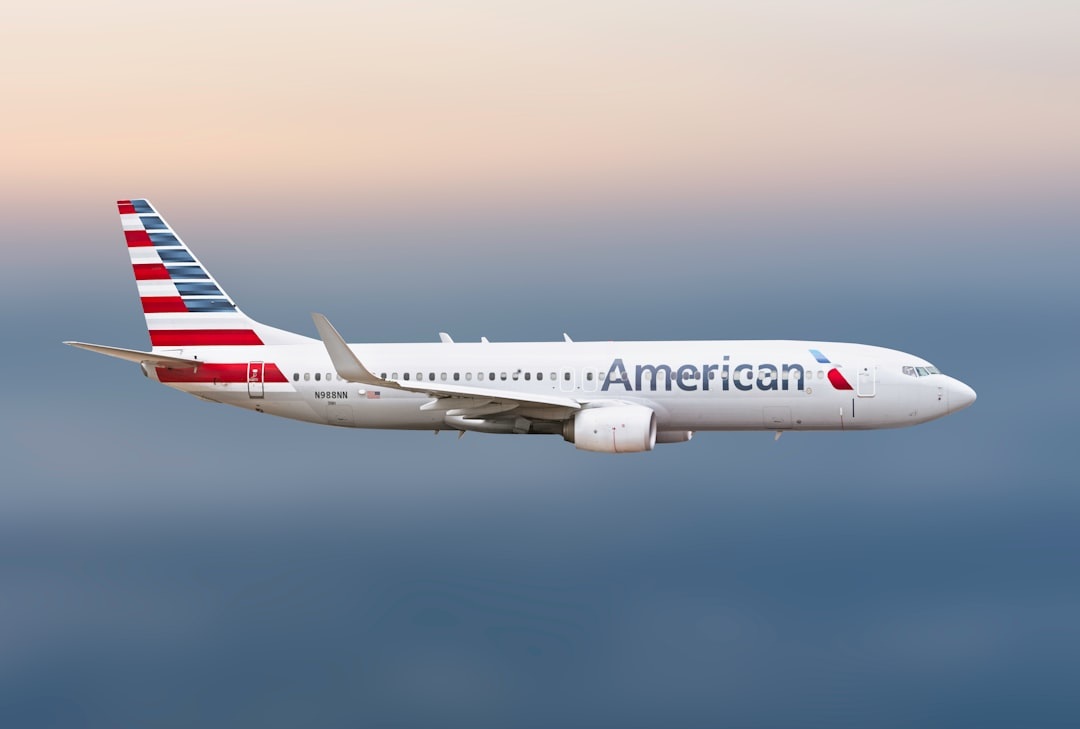
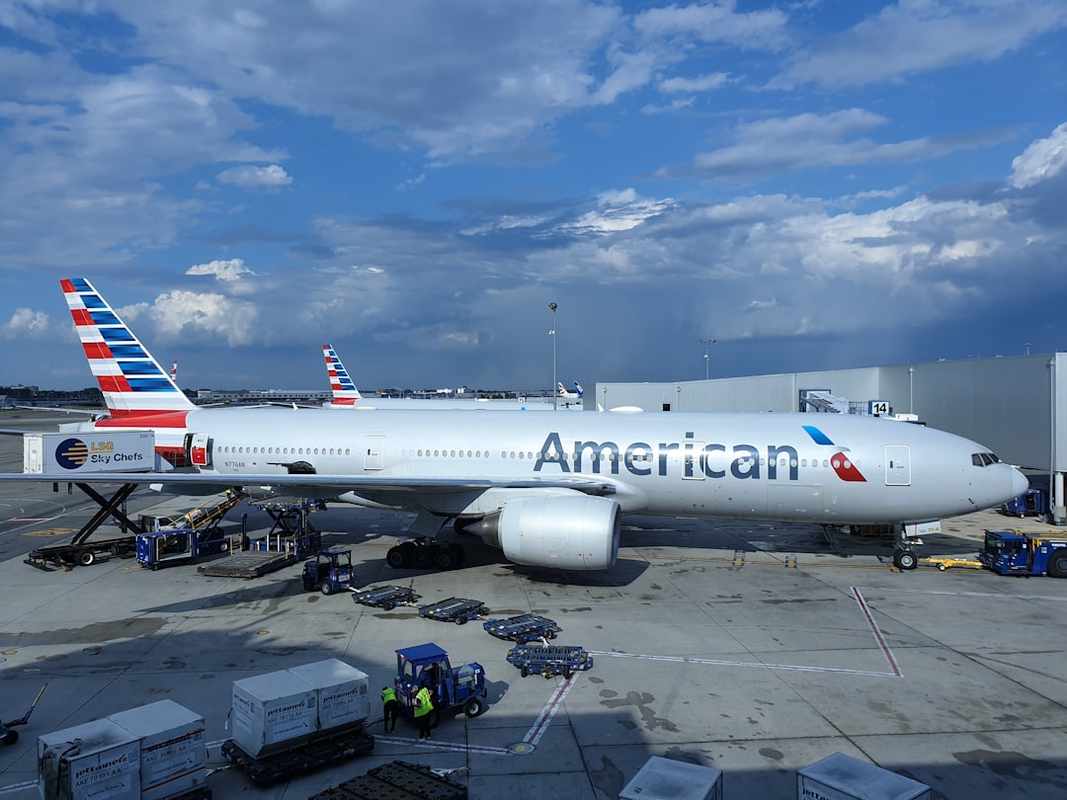
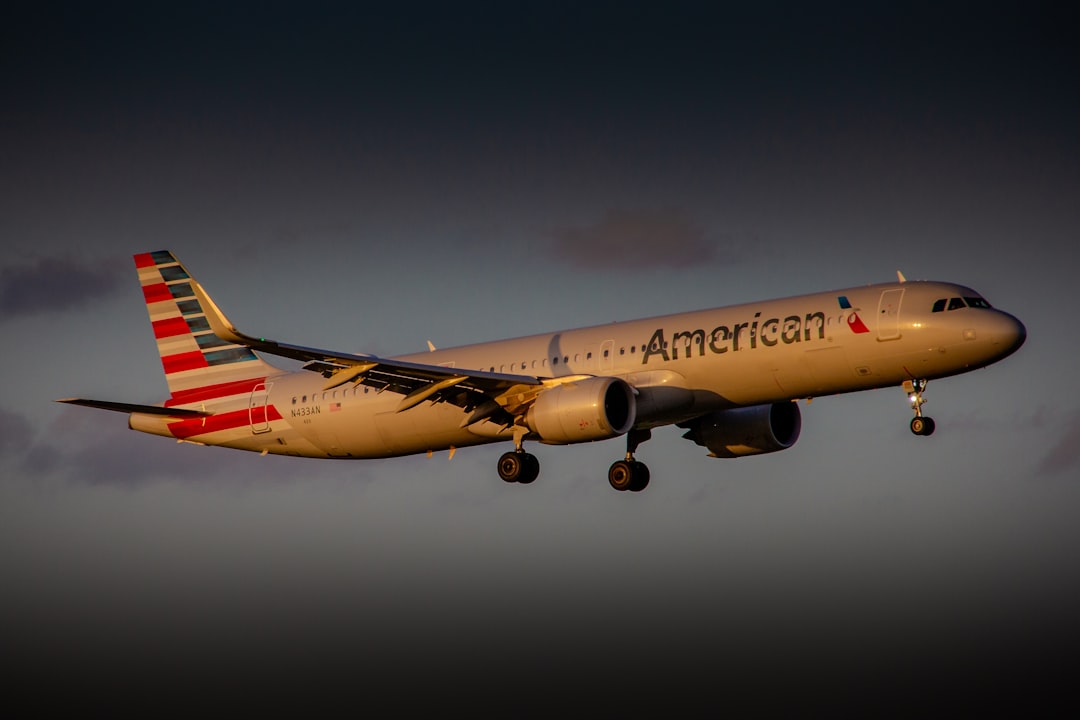
(UNITED STATES) American Airlines drew broad praise in early November 2025 as U.S. airports struggled to rebound from the 43-day government shutdown, the longest in U.S. history, which left air travel strained by persistent staffing shortages in key safety roles. The airline moved quickly to rebuild its schedule after weeks of forced cuts and cancellations tied to air traffic control staffing gaps and pressure on Transportation Security Administration checkpoints. Those steps affected hundreds of thousands of travelers across the ??.
Schedule cuts and immediate impact
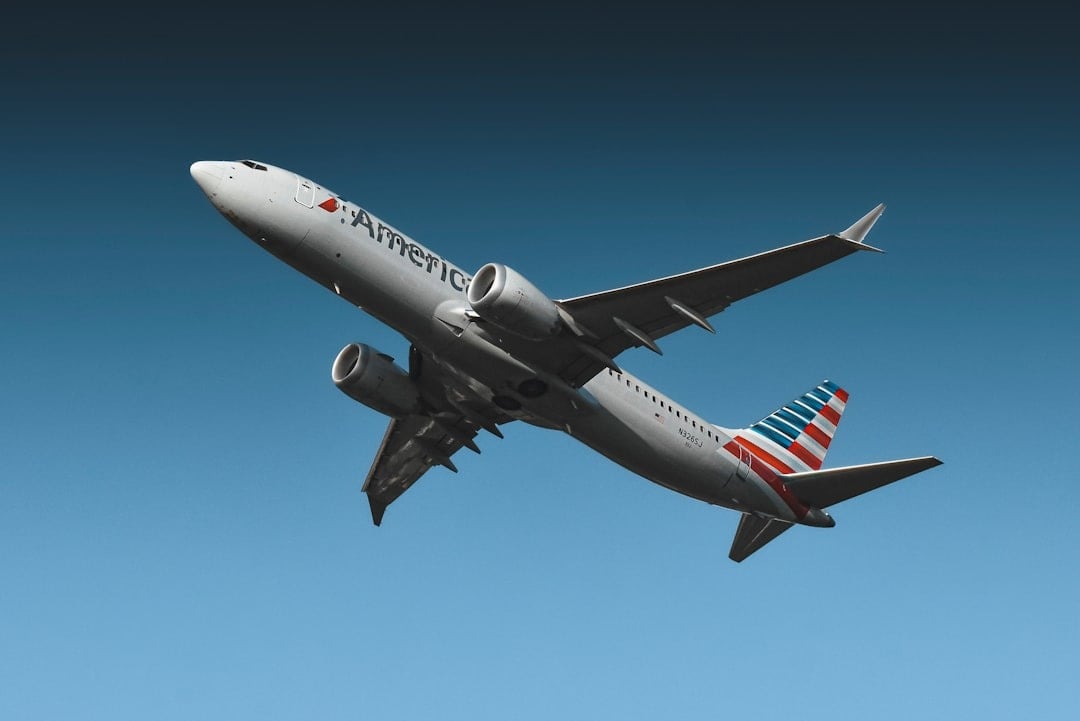
During the shutdown period, American Airlines trimmed its timetable by about 6%, removing roughly 200 flights across 40 airports to comply with Federal Aviation Administration directives aimed at maintaining safety as controller staffing thinned.
The cuts disrupted plans for more than 250,000 customers, and pressure intensified in the first week of November as the carrier canceled over 400 flights on both domestic and international routes. Even after the federal government reopened, the headwinds did not ease immediately.
Strategy: conservative scheduling and clear communication
Industry observers noted that the airline’s approach combined conservative scheduling with steady communication to passengers as it balanced limited staffing and surging demand. Key elements of that approach included:
Free toolB1/B2 Tourist Visa Stay Calculator online- Flexible rebooking and waivers to keep travelers moving.
- Avoiding overpromising on restoration timelines.
- Coordinating closely with airports to slot flights where reliable coverage existed.
The company’s measured steps reflected the recognition that the FAA’s ability to surge controllers back into position would be gradual, not instantaneous.
“Restore flying only as quickly as it can protect safety and on-time reliability,” the airline signaled — a stance that earned rare public approval for a carrier recalibrating during a fragile recovery.
Operational challenges after the shutdown
Although the shutdown formally ended, managers across air traffic control centers and towers faced lingering issues:
- Furloughed training pipelines that had to restart.
- Thin overtime cushions.
- TSA lines in some terminals taking longer to normalize.
- Backlogs of staffing plans and scheduling challenges.
Against that backdrop, American Airlines cautioned customers that restoration would be paced by safety and reliability requirements.
Customer-facing tactics and results
Analysts credited the airline’s transparency and daily updates with helping travelers navigate the disruption. Notable customer-focused practices included:
- Clear waiver policies and consistent messaging emphasizing safety and staffing realities.
- Proactive rebooking options that appeared earlier in the day.
- Smaller gaps between original departure times and updated schedules.
- Rerouting through different hubs or shifting passengers to earlier departures when feasible.
According to analysis by VisaVerge.com, this transparency tempered frustration at a moment when customers often feel they’re the last to know about changes.
Tactical cooperation at airports
At airports where TSA personnel were still stretched, the airline worked with local managers to reduce bottlenecks:
- Adjusting boarding times.
- Strengthening staffing at key gates where possible.
- Sending customer alerts advising travelers to arrive early and move swiftly through checkpoints.
These measures did not eliminate delays, but they reduced the risk of cascading disruptions and provided more workable alternatives for passengers.
Why conservative scheduling helped
Public and industry feedback highlighted a simple operational trade-off:
- A flight removed from the timetable two days earlier with a confirmed alternative strands fewer passengers than a flight that stays on the schedule and cancels late at night.
- By posting slightly smaller schedules during recovery, American Airlines likely prevented a deeper cascade of missed connections and overnight delays.
This pragmatic stance favored reliability and predictability over temporary volume gains.
Coordination with FAA and capacity realities
American Airlines’ coordination with the FAA reflected a pragmatic view of capacity. Key constraints included:
- The FAA’s safety-first posture and methodical process for rebuilding controller capacity.
- Differences in how quickly airports could come back online, depending on certified controllers and local resources.
- The difficulty of rapidly certifying controllers for complex airspace versus adding agents at ticket counters.
For authoritative details on air traffic operations and safety policy, travelers and industry watchers can consult the Federal Aviation Administration.
Ongoing outlook and guidance
By mid-November 2025, the airline said it would continue to monitor staffing levels and adjust schedules as needed, while expressing optimism that additional flying could return before the winter holidays. The FAA’s public updates emphasized how carefully each increment of air traffic had to be managed.
Practical guidance emerging from the episode:
- Check your flight status early.
- Accept earlier alternatives when offered.
- Expect a steadier schedule as staffing catches up.
- Be prepared for uneven recovery across different airports.
For employees, the slow climb back underscored the value of patience while safety-critical roles return to full strength.
Lessons and the path forward
The episode exposed how deeply airline reliability depends on federal staffing pipelines, especially at en route centers and terminal radar rooms that can’t simply surge replacements. As travel demand remains strong, carriers and federal partners face continuing pressure to build resilience plans that work under unusual strain.
American Airlines’ performance did not erase the cancellations in early November or lingering delays at busier hubs. Still, it demonstrated that disciplined operations, clear information, and realistic scheduling can reduce the long tail of a system shock.
As the Thanksgiving travel rush approached, the airline’s goal was a full recovery that would hold through December — a target dependent on steady gains in the controller workforce and consistency at TSA checkpoints. Leadership framed the path forward plainly: bring back flights when the system can carry them and avoid “paper” schedules that look good but fail late in the day. This was a cautious bet on reliability over raw volume, shaped by the hard lessons of the shutdown and the reality of staffing shortages that don’t disappear with a single announcement.
This Article in a Nutshell
In the wake of a 43-day government shutdown, American Airlines cut about 6% of its schedule—roughly 200 flights at 40 airports—impacting over 250,000 travelers and prompting more than 400 cancellations in early November. The airline emphasized conservative scheduling, flexible rebooking, and clear daily communication while coordinating with the FAA and airports. Those measures reduced cascading delays as air traffic controller and TSA staffing gradually recovered. The paced restoration prioritized safety and predictable reliability over quick volume increases.