- Air India is implementing phased fuel surcharges starting March 12, 2026, due to rising global oil prices.
- Short-haul international routes face increases up to USD 90, while domestic flights see a ₹399 ticket hike.
- Long-haul flights to North America will reach USD 200 surcharges during the second phase on March 18.
(INDIA) — Air India began a phased expansion of fuel surcharges on domestic and international routes, saying sharply higher jet-fuel prices linked to Gulf-region geopolitical tensions forced the move.
In a March 10 statement, the airline said aviation turbine fuel accounts for nearly 40% of an airline’s operating costs and set the rollout to begin on March 12, 2026.
Air India Group said the surcharges apply to all new bookings, while tickets issued before the start time generally remain unaffected unless passengers reissue or change them later.
The phased approach lands as jet-fuel prices jump in ways airlines say disrupt supply and undermine hedging strategies, pushing carriers to reassess pricing across networks.
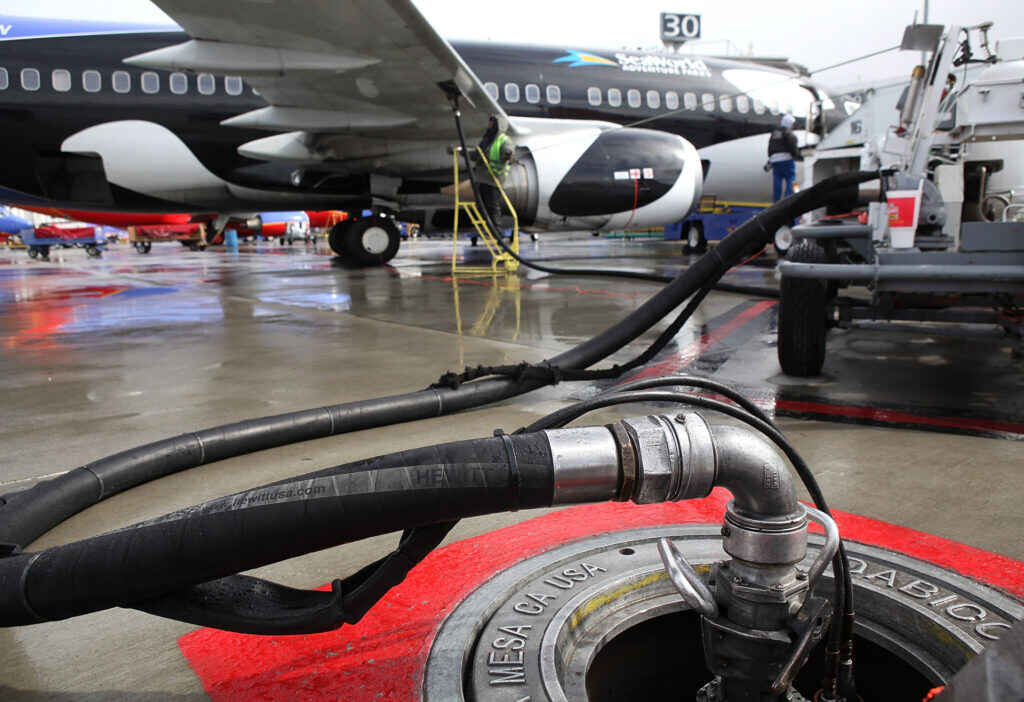
IndianOil’s published ATF rates effective March 1, 2026 showed aviation fuel at ₹96,638.14 per kilolitre in Delhi, ₹99,587.14 in Kolkata, ₹90,451.87 in Mumbai, and ₹100,280.49 in Chennai.
Air India linked its decision to the fuel shock and said the surcharge measures help prevent route cancellations, with periodic reviews planned as market conditions shift.
Under Phase 1, Air India set new surcharges for bookings made from 0001 hours IST on March 12, 2026, adding ₹399 per ticket for Domestic India & SAARC sectors.
On short-haul international routes in Phase 1, Air India introduced a USD 10 surcharge for West Asia/Middle East flights for new bookings from the same start time.
For Southeast Asia, Air India raised the surcharge to USD 60 from USD 40 for Phase 1 bookings made from 0001 hours IST on March 12, 2026.
For Africa, the airline increased the surcharge to USD 90 from USD 60 under Phase 1 for bookings made from that start time.
Phase 2 begins for new bookings from 0001 IST on March 18, 2026, with Air India lifting Europe surcharges to USD 125 from USD 100.
On the longest routes, Phase 2 increases surcharges for North America and Australia to USD 200 from USD 150, also for new bookings made from 0001 IST on March 18, 2026.
Air India said Phase 3 will cover the Far East, naming Hong Kong, Japan, and South Korea, but has not yet announced the details.
The surcharge changes also extend beyond cash tickets. Air India said surcharges apply to Maharaja Club redemptions but not United MileagePlus bookings.
For travelers booking from India, the immediate effect shows up in the final amount paid, not just the base fare displayed at the start of the search.
Students and workers often face tight travel windows tied to semester dates, visa appointments, joining dates, stamping, job changes, or school calendars, leaving limited flexibility to wait out higher add-ons.
Gulf and North America commuters and NRIs can also face higher total fares when planning urgent family travel or multi-country itineraries, especially when changes trigger reissuance and fare recalculation.
Air India’s structure puts the steepest Phase 2 hikes on long-haul routes to North America and Australia, where the surcharge rises to USD 200 for new bookings after 0001 IST on March 18, 2026.
The airline’s policy that earlier tickets are generally not affected unless changed adds another layer of cost risk for travelers who book early but later adjust dates.
That risk concentrates on groups that commonly change bookings, including students and workers who rebook around visa timelines or academic schedules, and families coordinating across multiple cities.
Airlines and shippers have also faced rising costs beyond passenger fares. Air freight rates have surged up to 70% on some routes as airspace closures, rerouting, and fuel costs disrupt normal operations.
Air India’s move fits into a wider pattern of airline responses to jet-fuel spikes, including price hikes, route adjustments, and reviews of existing surcharges across the Asia-Pacific region and elsewhere.
Fuel pressures in India add to the squeeze. The rise in ATF since early March 2026 has been amplified by high excise duties and VAT in cities like Delhi and Mumbai.
Air India framed the surcharges as a way to protect operations, signaling the airline will revisit the levels periodically rather than treating the changes as a one-time adjustment.
Travelers seeking to limit exposure face a timing problem because the surcharge depends on when a new booking is made, not simply when the flight departs.
Bookings made before 0001 hours IST on March 12, 2026 generally avoid the new Phase 1 add-ons, unless a later change triggers reissuance and recalculation.
For travelers who have not yet booked, buying before the next cutoff matters because Phase 2 adds higher surcharges for Europe, North America, and Australia from 0001 IST on March 18, 2026.
Avoiding itinerary changes after purchase can also matter, because reissuance can pull a booking into the newer surcharge regime and increase the final price.
With the airline still due to announce Phase 3 details for the Far East, travelers on routes involving Hong Kong, Japan, and South Korea face additional uncertainty on how pricing may change.
Air India’s measures also show how fuel surcharges have become a direct budget line for travelers, rather than a behind-the-scenes industry adjustment absorbed through margins.
The cost pressure stacks in multiple ways, combining surcharges with seasonal fares, availability constraints, and the knock-on effects of conflict-related detours across global networks.
Jet-fuel prices remain the central driver in Air India’s explanation, and the airline placed ATF at nearly 40% of operating costs in its March 10 statement.
In India, the ATF levels effective March 1, 2026 underscored the scale of the fuel bill at major hubs, from ₹90,451.87 per kilolitre in Mumbai to ₹100,280.49 in Chennai.
The airline’s phased design also signals it expects the fuel environment to remain unstable enough to require staged decisions, rather than a single uniform fee across all markets.
What remains unresolved is how long the surcharge environment will last, whether other Indian carriers will match or expand similar pricing moves, and how further oil and jet-fuel volatility could affect summer travel demand.