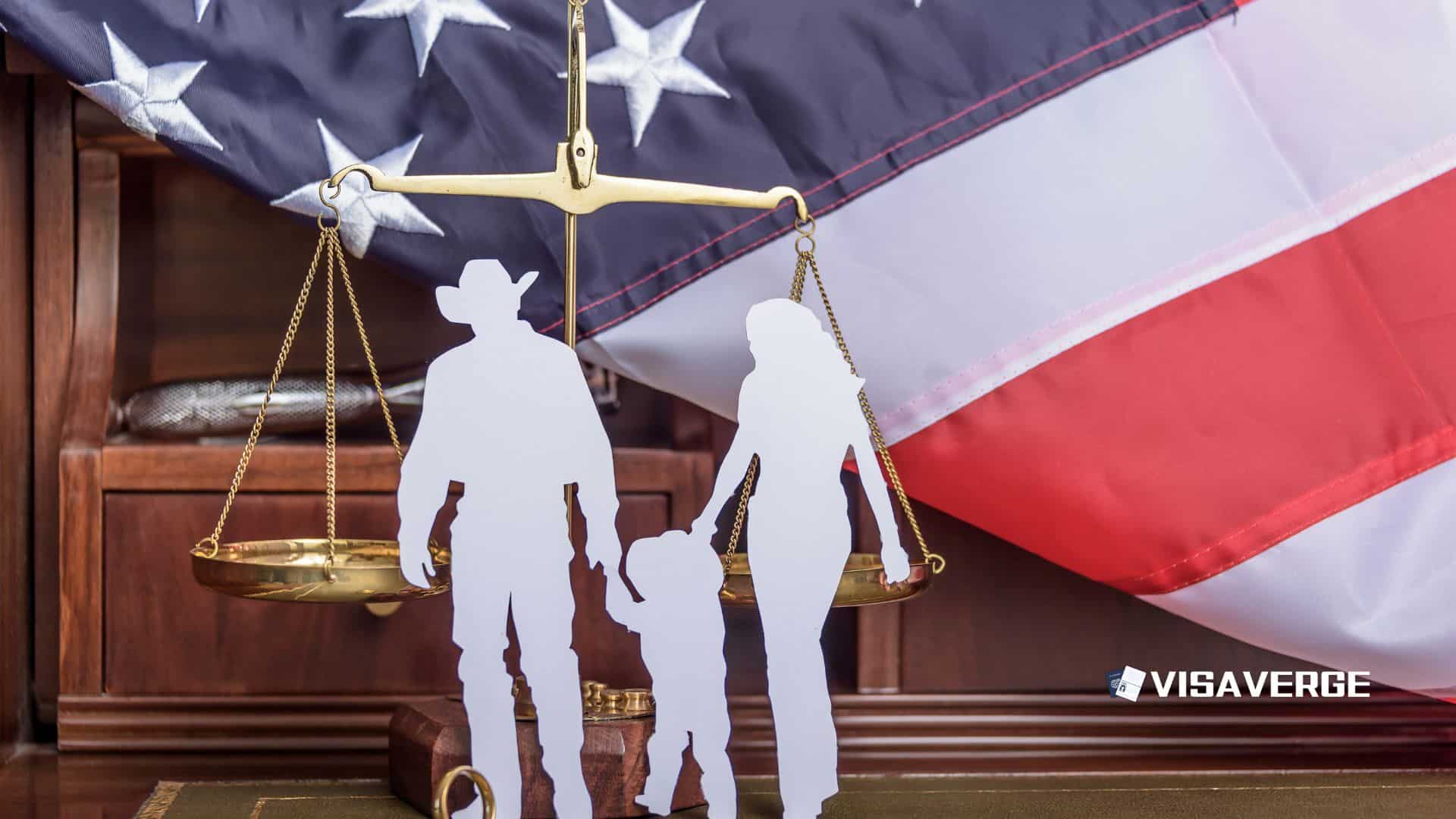
- Advocates filed a motion to halt self-deportation policies targeting unaccompanied immigrant children in federal custody.
- The policy offers a $2,500 resettlement stipend while threatening fines to pressure minors to leave.
- Critics argue the program bypasses legal safeguards intended to protect children from trafficking and harm.
(UNITED STATES) — Legal advocates filed a motion on February 24, 2026, asking a federal judge to halt a U.S. Customs and Border Protection policy they say pressures unaccompanied immigrant children to voluntarily self-deport.
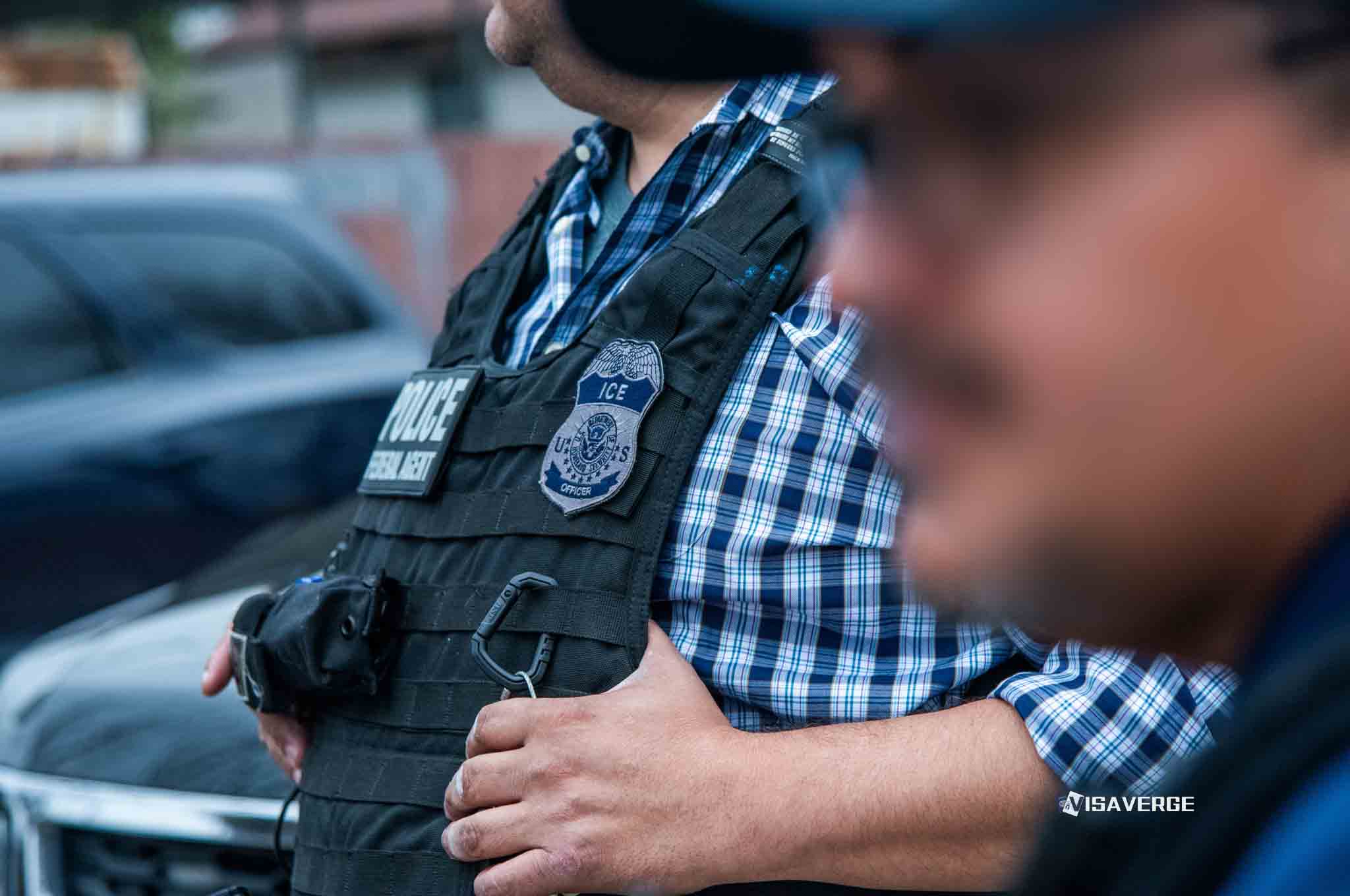
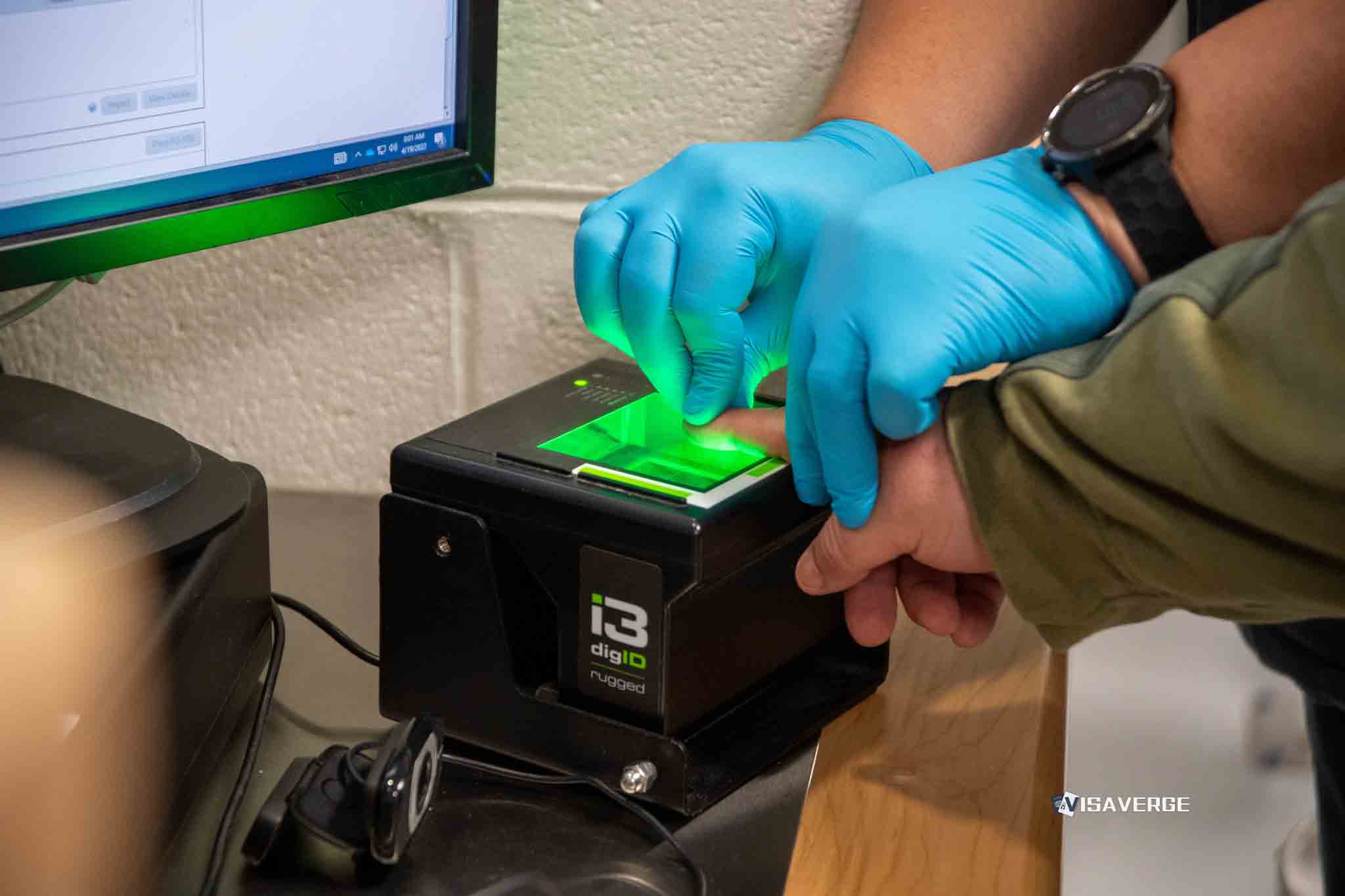
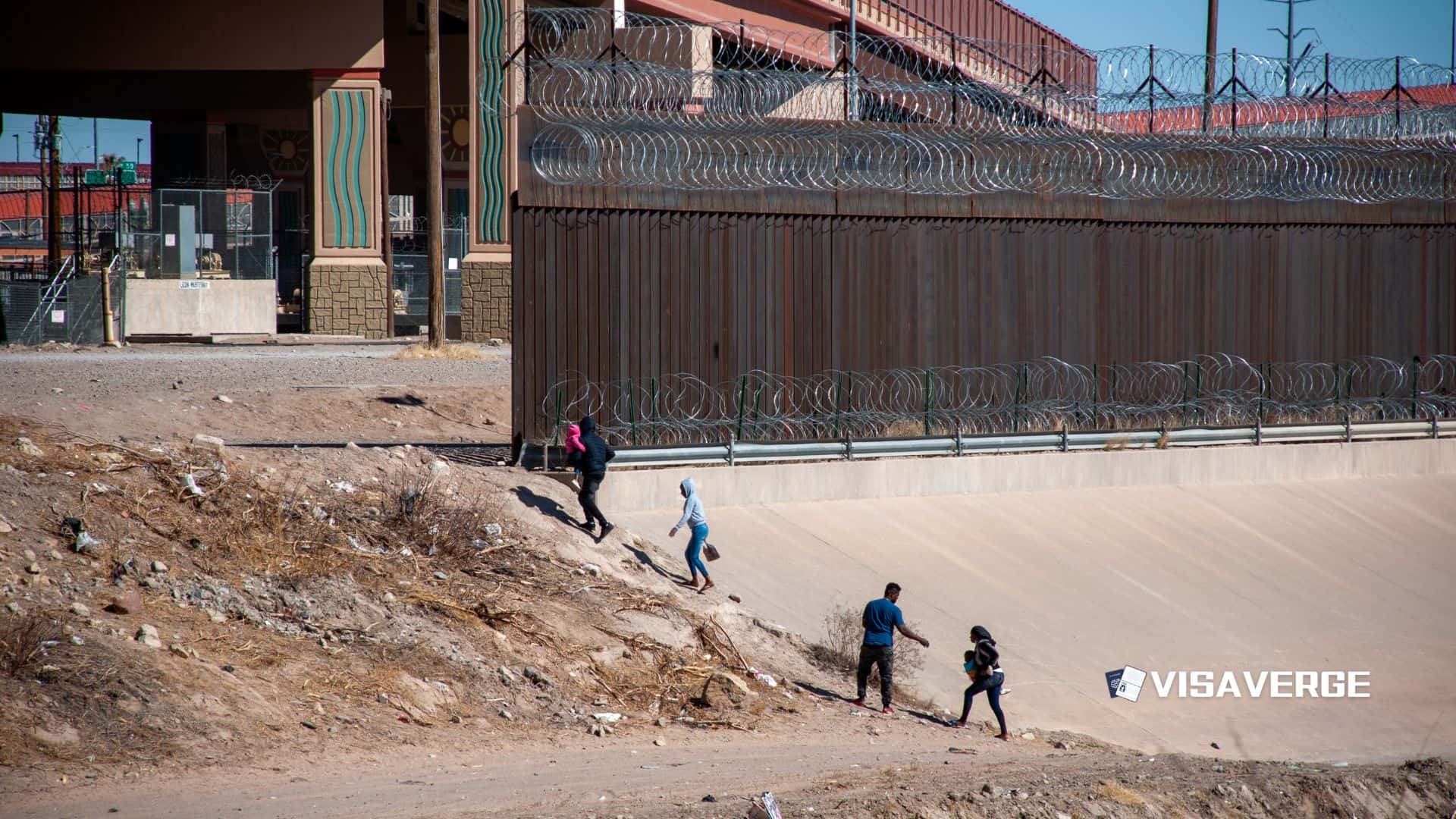
The filing targets how CBP agents present a “voluntary departure” option to children at or around the time they are processed, before the minors enter federal shelters. Advocates describe the approach as pressure on children to leave the United States without the usual safeguards.
Free toolUSCIS Receipt Number Decoder
CBP’s approach has drawn attention because it ties directly to Project Homecoming, a Trump administration initiative that offers money and travel assistance to certain undocumented noncitizens who agree to depart. In the case of unaccompanied children, critics argue the program’s incentives and penalties can turn “voluntary” choices into coerced ones.
President Trump launched Project Homecoming through Presidential Proclamation 10935, titled “Establishing Project Homecoming,” issued May 9, 2025. The proclamation directs the Departments of State and Homeland Security to provide financial incentives to eligible people who leave the country on their own.
Project Homecoming sets a framework in which leaving voluntarily can come with a cash payment, while staying can bring escalating enforcement consequences. That structure now sits at the center of the dispute over whether CBP’s messaging to unaccompanied minors improperly short-circuits required procedures.
CBP agents, advocates say, have been presenting the self-deportation option to unaccompanied children before those children reach the shelter system that typically follows initial apprehension. The advocates argue that timing matters, because it can shape decisions before children understand their rights or have a chance to seek help.
The dispute also turns on the Trafficking Victims Protection Reauthorization Act of 2008, or TVPRA, which mandates procedural protections for unaccompanied minors. Advocates contend CBP’s approach bypasses standard processing under TVPRA by steering children into “voluntary” departures.
Project Homecoming’s incentives include a $2,500 “one-time resettlement support stipend” for undocumented noncitizens aged 14 and older who voluntarily depart the U.S. The proclamation also contemplates travel assistance, a practical feature that can make departure immediate once someone agrees to go.
Supporters of the approach inside DHS and CBP have framed it as offering an option to depart without a formal removal process, while critics have focused on the imbalance in power when the choice is presented to a child in custody. Legal advocates argue the combination of cash incentives and potential penalties can shape decisions in ways that raise due process concerns.
The policy mechanics include both carrots and sticks, with advocates pointing to the way financial terms can influence a minor’s decision-making. Project Homecoming ties benefits to agreement to depart, and it has also been linked to punitive measures aimed at encouraging departures.
Those punitive measures include $5,000 fines imposed by DHS on certain unaccompanied minors to encourage self-deportation. Advocates argue that threatening fines against children, while simultaneously offering a stipend for leaving, creates pressure that conflicts with the idea of a voluntary decision.
Early operational indicators surfaced soon after the proclamation took effect. In May 2025, earlier Project Homecoming flights offered $1,000 stipends to participants returned to Honduras (38 individuals) and Colombia (26 individuals), figures that advocates have cited as evidence the program moved quickly from paper to practice.
Advocates have argued that the specific way CBP frames the choice to minors can induce them to relinquish rights under TVPRA and waive due process protections. They have linked those concerns to the risks that TVPRA screening is designed to address, including the possibility of return to harm and trafficking-related dangers.
The policy’s impact also comes against a backdrop of sharp enforcement numbers involving very young children. April 2025 saw over 8,000 children aged 11 or under receive removal orders, the highest monthly figure in over 35 years.
During the first six months of the administration, nearly 15,000 children under age 4 were ordered deported. Advocates have pointed to those figures as a sign of the scale of the population that could face CBP messaging about “voluntary” departure at moments of vulnerability.
Oversight concerns have also reached Capitol Hill. A bipartisan group of U.S. Senators sent a letter to DHS in February 2026 demanding internal guidance on the $2,500 stipend and $5,000 fines, plus data on child removals since January 2025.
The senators who signed the letter included Jacky Rosen, a Democrat from Nevada, Andy Kim, a Democrat from New Jersey, Mazie K. Hirono, a Democrat from Hawaii, and Bernard Sanders, an independent from Vermont. Their inquiry focused on how DHS applies incentives and fines and what the department knows about removals involving children.
Advocates have also pointed to at least one federal court action that halted certain removals after DHS transported dozens of children to airports for removal. The available records did not identify the judge or the court in that instance, but the episode has been cited as evidence that judicial intervention can abruptly change removal operations.
As of February 25, 2026, no court ruling had been reported on the February 24, 2026 motion. The CBP policy remains in effect while the case proceeds, leaving advocates watching for court orders, DHS guidance updates, and further congressional responses in the near term.