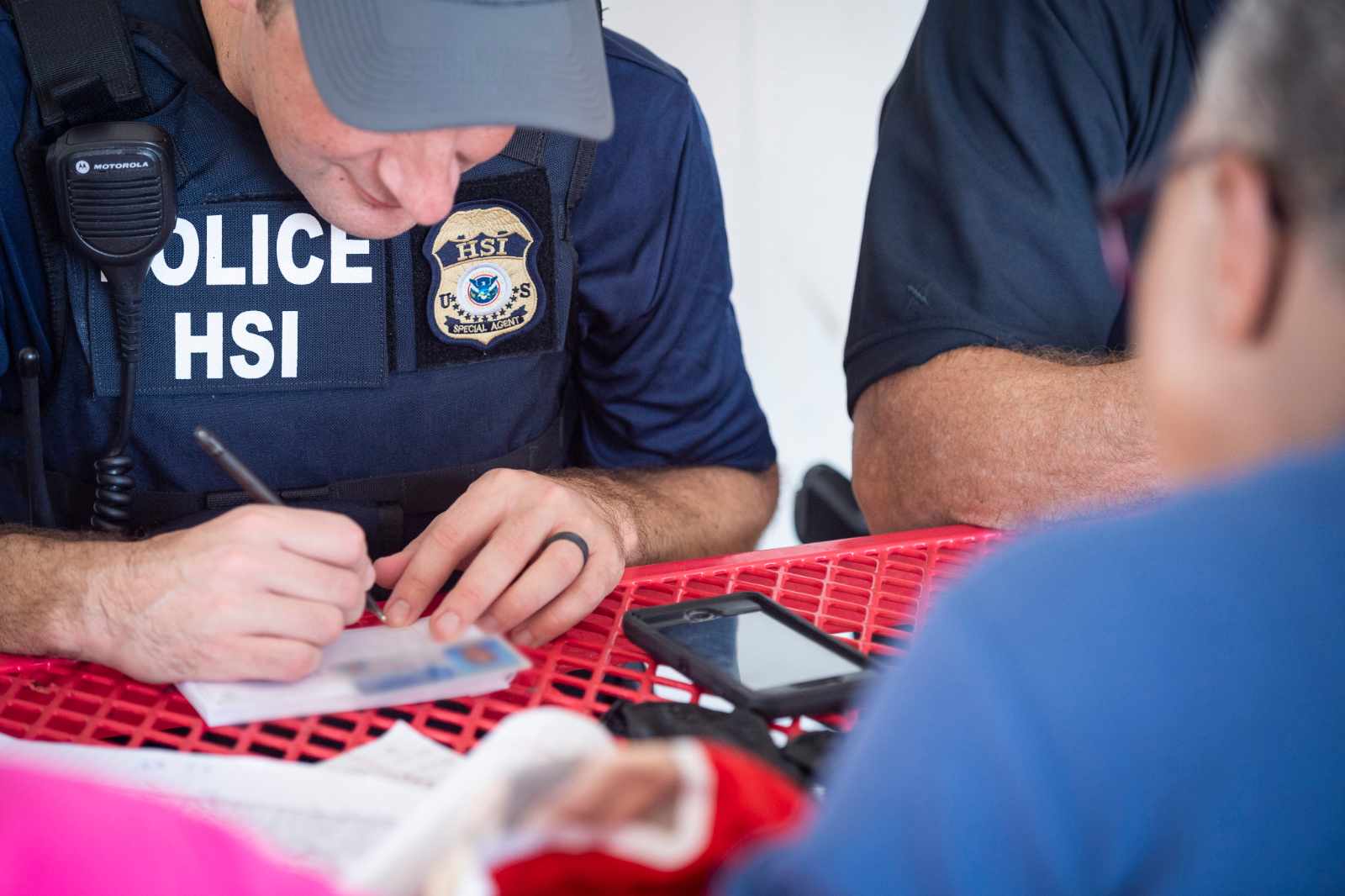
(TEXAS) Nearly 150 Canadian citizens, including two toddlers under the age of four, have been detained by U.S. Immigration and Customs Enforcement (ICE) since January 2025, new data show. One child was held for 51 days at a controversial Texas facility that rights advocates say is unfit for young children.
As of August 2025, 56 Canadians remain in ICE custody, and internal projections suggest total detentions of Canadian nationals this year could double compared with 2024, according to analysis by VisaVerge.com and advocates who reviewed government records. The rising numbers challenge the widespread belief that Canadians rarely face serious immigration enforcement in the United States, and they highlight how quickly cross‑border trips can turn into prolonged confinement.

Children as a focal concern
Children have become the most troubling symbol of this trend. Two Canadian toddlers were taken into custody with their families and placed in a Texas facility that has already drawn complaints over limited access to water, medical care, and legal assistance. One of those children was held for 51 days, exceeding legal limits intended to keep minors out of extended detention and move them to safer, more suitable settings.
Legal scholars and child welfare advocates say holding very young children for weeks at a time in such conditions raises serious human rights and due process concerns. U.S. law and long‑standing court rulings generally require that minors in immigration custody be released or transferred as quickly as possible. When a toddler spends nearly two months in confinement, lawyers argue, it suggests breakdowns in case review, supervision, and basic respect for families who may have legal status or strong claims to stay.
“Holding very young children in civil immigration facilities for prolonged periods raises grave legal and developmental questions.”
— Legal scholars and child welfare advocates
How Canadians end up detained
Advocates who work with families held in immigration centers say many Canadian citizens are detained not because they crossed the border illegally, but because they:
- Cannot immediately prove their status (lost passports, expired documents, or reliance on digital copies officers refuse to accept)
- Are swept up during broader enforcement operations aimed at undocumented migrants
- Are detained after brief or preliminary checks by frontline officers using limited information
Once in the system, release can depend on:
- Access to lawyers
- Consular assistance
- Relatives who can post bond
Government and consular response
The Canadian government has acknowledged the growing number of detainees and says it is pressing U.S. officials through diplomatic channels. Consular officers can:
- Request welfare checks
- Seek information about individual cases
- Remind authorities that affected people are Canadian nationals
However, rights groups argue Ottawa’s response does not match the scale of the problem. Their demands include:
- More public pressure on U.S. authorities
- Faster intervention in long detentions
- Systematic tracking of every Canadian held in immigration custody, especially children
Practical advice for travellers and families
Canadian officials urge citizens to contact consular services as soon as they are detained or if a relative goes missing after crossing the border. The Department of Homeland Security provides general information on immigration detention and facility locations at this link: ICE Detention Facilities. Advocates warn, however, that such information can be hard to use in a crisis.
Lawyers recommend Canadians traveling to the United States carry strong proof of identity and citizenship at all times, even for short trips. Useful documents include:
- Passports
- Provincial birth certificates
- Citizenship cards
Advocates also stress that detained travelers have the right to:
- Ask for Canadian consular contact
- Request a lawyer (note: the U.S. immigration system does not provide free public defenders)
Conditions at the Texas facility
The Texas facility where the Canadian toddlers were held has long been criticized by local campaigners and national organizations. Complaints include:
- Limited access to clean drinking water
- Long waits to see medical staff
- Short daily periods for outdoor recreation
- Restricted phone access and high call costs, making it hard to reach attorneys and family members
Medical professionals warn that such stress can cause lasting emotional and developmental harm for young children forced to live in those conditions.
Systemic issues behind the detentions
Legal experts studying immigration enforcement identify deeper systemic problems:
- Frontline officers often make quick decisions with limited information, relying on appearance, accent, or incomplete databases.
- People who do not fit an expected pattern or who struggle with English under stress can be detained despite having the right to be in the country.
- Correcting mistakes in the system can take weeks, prolonging unnecessary confinement.
Numbers and context
Key figures from the analysis and reporting:
| Item | Figure |
|---|---|
| Canadians detained since January 2025 | Nearly 150 |
| Canadians remaining in ICE custody (Aug 2025) | 56 |
| Longest reported detention of a toddler | 51 days |
| Projected change vs. 2024 | Could double if trends continue through December |
This rise occurs despite the fact that Canada and the United States maintain one of the world’s closest visa‑free travel relationships, with millions crossing the land border every month for work, study, tourism, and family visits.
Human impact
For families caught in the middle, statistics offer little comfort. Parents describe:
- Trying to keep children calm inside crowded dormitories
- Improvising games with scraps of paper
- Worrying about illnesses spreading when kids share bunk beds and bathrooms with strangers
Relatives in Canada spend hours contacting consulates, lawyers, and local lawmakers, trying to trace loved ones through a detention system that can feel opaque and unresponsive, especially to those unfamiliar with U.S. immigration rules.
Policy recommendations and outlook
Policy analysts in both countries say the recent cases should push Washington and Ottawa to rethink protections for nationals when immigration enforcement goes wrong. Recommended actions include:
- Faster identity checks for people claiming citizenship of close partner countries
- Stricter time limits on holding children in any civil facility
- Better tracking and transparency for detained foreign nationals, especially minors
According to reporting cited by VisaVerge.com, each prolonged detention of a Canadian citizen in the United States becomes a test of the system’s fairness and humanity. For now, families on both sides of the border watch anxiously, hoping diplomatic talks will produce relief and accountability.
Nearly 150 Canadian citizens, including two toddlers, were detained by ICE since January 2025; one child spent 51 days in a Texas facility criticized for limited water, medical care, and legal access. By August 2025, 56 Canadians remained in custody and analysts warn detentions could double from 2024. Advocates call for faster identity checks, stricter limits on child detention, better consular tracking, and improved transparency across U.S. immigration enforcement.