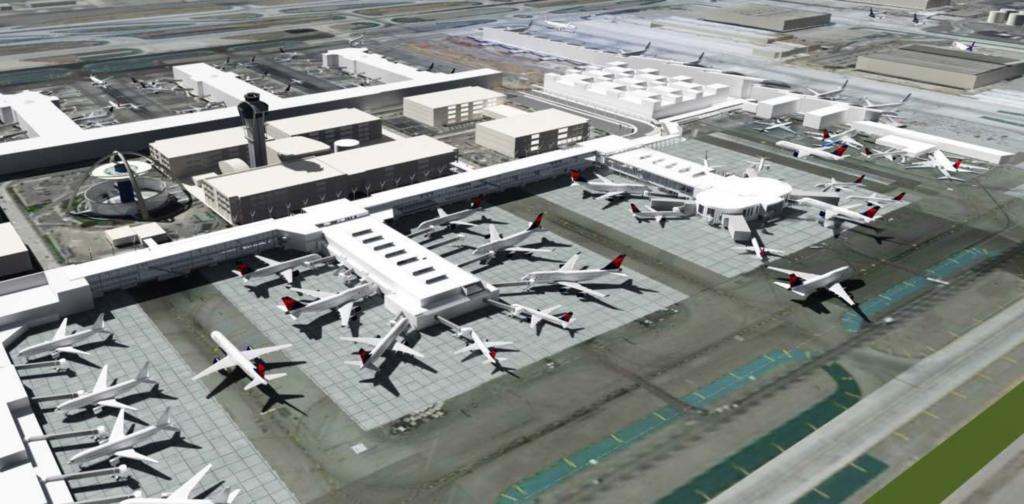
United Airlines flight attendants have thrown contract talks back into limbo after 71% voted to reject a tentative contract agreement, the Association of Flight Attendants-CWA (AFA-CWA) said in results announced on July 29, 2025, with more than 92% of eligible members taking part. The “no” vote forces both sides to return to bargaining for a workforce of about 28,000 cabin crew members, a group the union says has not had a raise since 2020, leaving many workers angry that pay has not kept up with living costs.
Union reaction and what the vote signals
Ken Diaz, president of the United Airlines chapter of AFA-CWA, framed the vote as a rebuke of management and a sign that members want more than a quick fix.
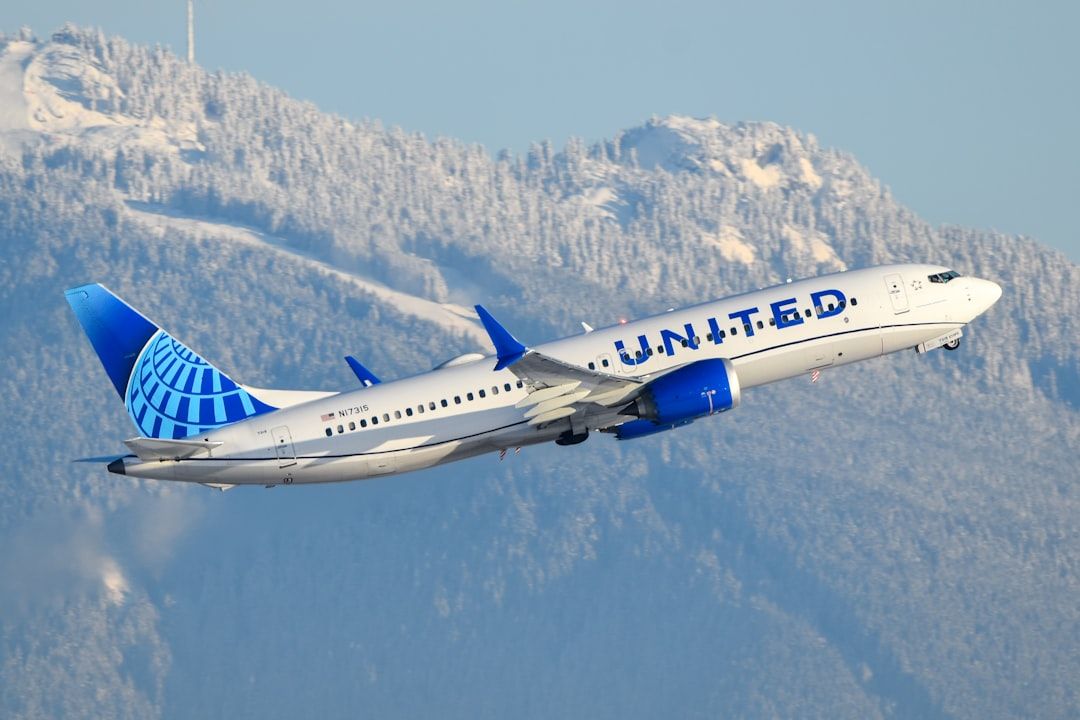
“United Flight Attendants today voted to send a strong message to United Airlines management by rejecting a tentative agreement that didn’t go far enough to address the years of sacrifice and hard work to make the airline the success it is today. This is democracy in action,” Diaz said.
The union portrayed the vote as not just a rejection of the dollar figure in the deal but a demand for enforceable day-to-day protections that determine whether the job feels safe, stable, and livable.
What the tentative agreement offered
The tentative contract agreement, reached in May 2025, included headline pay gains and other elements:
- Immediate pay increases of at least 26%
- Union and other reports describing up to 40% total first-year value when benefits are counted
Despite those numbers, many flight attendants said the proposal failed to lock in protections around:
- Hotel quality during layovers
- Distance between airports and assigned hotels
- Long stretches of unpaid time on the ground between flights
Those issues may sound technical, but crews say they translate into unpaid, work-like obligations and more nights far from the airport when rest is already limited.
Real wages, inflation, and contract language concerns
The union said real wages had effectively fallen by about 25% because of inflation. Some members described the pay piece as an inflation catch-up rather than a true gain after years without raises.
Additional concerns cited by flight attendants included weak or vague contract language—for example, hotel standards that would require only that rooms be in “tenantable condition,” wording members felt was too open to interpretation to ensure safety or basic comfort.
Scheduling and the Preferential Bidding System (PBS)
The rejection reopened a contentious fight over scheduling—an issue that affects workers’ health and family life, particularly for those who split time between cities or countries.
- United proposed the return of algorithm-assigned schedules using a Preferential Bidding System (PBS), a software-driven method that assigns work based on seniority-based preferences.
- United characterized the idea as a “joint process with AFA to modernize bidding in a way that gives flight attendants more say in their schedules and more flexibility.”
- AFA-CWA rejected that framing, calling the scheduling proposal a concession that would “reduce the value of the TA,” and described the proposals as a list of rollbacks.
This dispute shows bargaining has moved beyond a single pay number into trade-offs over work rules that affect fatigue, risk, and daily life.
Union demands and bargaining schedule
After the July rejection, AFA-CWA surveyed members and laid out eight demands to push in negotiations. The first formal bargaining session after the vote took place “late last week,” with the next session not scheduled until early December 2025, according to the source material.
The union’s stated priorities include:
- Ground duty pay — pay for waiting on the ground between flights (pay for all work time rather than only after aircraft doors close)
- Less tiring red-eye flying
- End to layover notifications
- More rest on longer flights
- Contract compliance guarantees
- Improvements for reserve flight attendants
- Better layover hotels
- Stronger health care and retirement benefits
Impact on international travel and immigration-sensitive passengers
For readers concerned about immigration and cross-border travel, the dispute goes beyond labor relations. United carries large numbers of international travelers, including students, temporary workers, and new immigrants headed to the United States 🇺🇸.
- When flight attendants talk about fatigue, rest rules, and time on the ground, they are also discussing the conditions required to operate long-haul flying safely and predictably.
- Those conditions matter to passengers who may be trying to reach visa appointments abroad, arrive at a U.S. port of entry before documents expire, or connect to onward flights for family reunification.
The source material notes that, as of late 2025, there have been no strikes or service disruptions. That matters because airline labor disputes can quickly ripple into missed connections and rebookings—especially stressful for travelers with tight immigration timelines.
VisaVerge.com reports that travel uncertainty tends to hit international passengers hardest because missed flights can lead to:
- Missed consular interviews
- Lost fees
- The need to reschedule plans around school and job start dates
Even without strikes, extended negotiations create uncertainty for staffing and schedules, which can affect route capacity and flight timings.
Legal context and the mediation process
Aviation labor talks in the United States 🇺🇸 typically follow a slow path because airlines and unions operate under the Railway Labor Act, with federal mediation playing a central role when talks stall.
- For an official federal overview of how airline and rail labor disputes are handled, see the National Mediation Board: National Mediation Board.
Competitive landscape and peer comparisons
United’s talks with AFA-CWA are unfolding in a competitive pay environment. Flight attendants expressed concern about lagging behind peers at:
- American Airlines (unionized)
- Delta (non-union, where profit-sharing is part of compensation)
Unions argue rising revenue and strong demand should translate into stronger contracts. Airlines counter that labor costs must fit long-term budgets and that work-rule changes can be as important as pay.
What’s next
For the 28,000 flight attendants represented by AFA-CWA, the rejection makes clear that headline wage increases alone were not enough to close a trust gap created by five years without a raise.
The next stage of bargaining will test whether United Airlines can reach a deal that members will ratify without trading away protections on:
- Rest
- Hotel standards
- Pay for unpaid ground time
Those protections are core to crews’ daily experience—elements passengers rarely see but flight attendants feel on every trip.
United Airlines flight attendants rejected a May 2025 tentative agreement by 71% with over 92% turnout, reopening talks for about 28,000 crew. The proposal offered at least 26% immediate pay increases (up to 40% first-year value including benefits) but failed to guarantee enforceable protections on hotel quality, unpaid ground time, and scheduling via PBS. AFA-CWA has eight demands; bargaining resumes with key issues centered on rest, safety, and contract language.
Live Government Data
State Dept • CBPBusiest Border Crossings
- San Ysidro 110 min
- Nogales 90 min
- Otay Mesa 75 min