- Major U.S. airlines warn that the partial government shutdown is creating severe risks for spring air travel.
- Over 50,000 TSA officers are working without pay, leading to significant attrition and longer security lines.
- Aviation leaders are urging Congress to fund security operations to avoid nationwide flight cancellations and disruptions.
(UNITED STATES) — U.S. airlines warned of rising risks to air travel as a 29-day partial government shutdown affecting the Department of Homeland Security continued after Congress failed to agree on immigration enforcement reforms demanded by Democrats.
The shutdown began on February 13, 2026, and has turned into both a political standoff in Washington and an operational strain for agencies tied to travel and security. At airports, the pressure is already visible in longer lines, checkpoint disruptions and mounting concern about what comes next as spring passenger volumes climb.
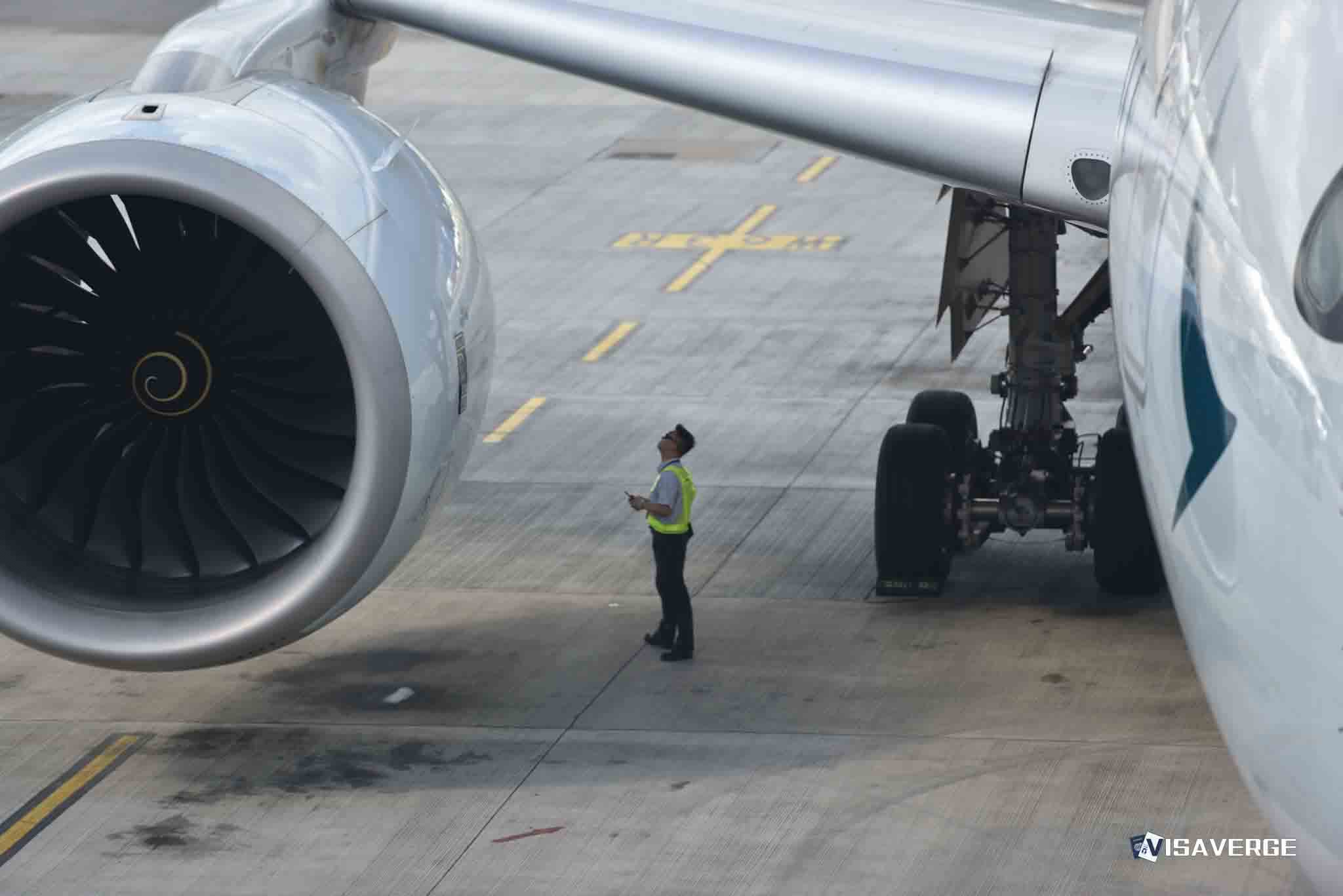
Chief executives from major U.S. airlines, including cargo carriers FedEx, UPS, and Atlas Air, sent a letter to Congress on March 16, 2026, urging an immediate end to the impasse. Their warning came as approximately 50,000 TSA officers continued working without pay and more than 300 have quit since the shutdown started.
Negotiations broke down over immigration-related demands, putting the Department of Homeland Security at the center of the funding fight. That has left one of the country’s most visible security systems — airport screening — operating under growing stress as lawmakers remain split.
Passengers at several airports have already felt the effects. Security lines exceeded two hours at Houston Hobby, New Orleans, and Newark, while some checkpoints closed and delays ran higher than normal as of March 15, 2026.
TSA officers have kept reporting for duty even as the shutdown dragged on. Without pay, frontline screening staff are carrying out airport security operations while attrition and absences add pressure to staffing.
That strain is showing up in routine airport functions that travelers often take for granted. Even modest staffing gaps can quickly stretch wait times when checkpoints lose workers, lanes close, and heavy passenger traffic keeps coming.
The TSA app is also down, making it harder for travelers to check wait times before leaving for the airport. That removes a tool many passengers use to judge when to arrive, adding another layer of uncertainty at a time when screening lines have already lengthened.
Some airports have begun fundraising to help unpaid officers buy essentials. The effort reflects how the shutdown’s effects have moved beyond government payroll disputes and into daily operations at security checkpoints.
Airlines say the timing raises the stakes. They anticipate a record 171 million passengers over the spring travel period, up 4% from last year.
Those volumes matter because airport screening systems can struggle even when staffing disruptions appear limited on paper. More travelers moving through the same checkpoints means small reductions in available personnel can produce longer lines, missed flights and wider schedule disruption.
Carriers have warned that heavy spring demand could magnify the damage if the shutdown continues. Their concern extends beyond isolated delays to the risk of cancellations and systemwide strain similar to earlier funding lapses.
Industry leaders pointed to the 43-day shutdown last fall, which prompted FAA-ordered 10% flight cuts at major airports. That experience has sharpened warnings that prolonged funding gaps can move quickly from staffing problems into network-level disruption across aviation.
Cargo carriers joined passenger airlines in pressing Congress to act. Their involvement highlighted that the issue reaches beyond vacation travel and into broader transportation flows that depend on steady federal security operations.
The pressure is not confined to airport lines. TSA officers are nearing another missed paycheck milestone, with a full paycheck due to be missed on March 20, 2026.
That payroll strain comes alongside wider disruption across the Department of Homeland Security. FEMA first responder training has been canceled, CISA cybersecurity staff have been furloughed amid attacks by Iranian hacktivists, and Coast Guard training and maintenance have been halted, grounding aircraft and vessels.
Other security work has also slowed. Critical infrastructure security assessments for hospitals, power grids, and water systems have been paused, broadening the impact of the partial government shutdown far beyond passenger checkpoints.
Taken together, those disruptions have raised concern that the aviation problems unfolding at airports are part of a larger weakening of emergency preparedness and homeland security functions. Long security lines may be the most visible public symptom, but the shutdown is also affecting less visible activities tied to response capacity, cybersecurity and readiness.
The cumulative effect has intensified warnings from the travel sector. Airlines argue that unpaid TSA officers, airport delays and disruptions elsewhere in DHS now form part of the same problem: a funding lapse that is hitting security operations during a busy travel period.
Congress, however, remains divided. Senate Democrats rejected funding efforts on March 12, 2026, despite House proposals including air traffic controller pay raises.
That left the broader immigration fight unresolved and kept shutdown pressure on the agencies caught in the middle. Debate continues over immigration-related demands and related funding provisions, with no deal yet reached despite the increasingly public alarms from aviation executives.
Operational concerns have added urgency, but they have not broken the deadlock. Each day without a settlement increases the chance that airport delays become more widespread as spring travel builds.
Security threats cited in the debate have added another dimension to the standoff. Among them are concerns about potential Iranian drone assaults on the West Coast, heightening attention on prolonged dysfunction inside agencies responsible for transportation security, infrastructure protection and response readiness.
For travelers, the direct effects are easier to see than the political mechanics behind them. Longer waits at security checkpoints, reduced visibility into screening times because the TSA app is down, and the possibility of cascading delays all stem from the same staffing and funding strain.
For airlines, the shutdown presents a different but related risk. Flight schedules depend on a system in which airport screening, air traffic operations and supporting security functions work in sync; when one part is stressed, the effects can spread quickly.
That is why aviation companies have tried to frame the dispute as more than another budget fight. Their message to Congress is that shutdowns affecting security personnel can push operational stress into the national travel system, especially when demand is high.
The warnings also reflect a practical concern about timing. Spring travel brings large passenger flows over a concentrated period, leaving little room for bottlenecks to clear once lines begin to build and delays spread across terminals.
Checkpoint closures, staff losses and screening delays can reinforce one another. Fewer available TSA officers can slow passenger processing, longer lines can crowd terminal spaces, and delays at one airport can ripple outward as airline schedules tighten.
Airlines say that pattern is what makes the current shutdown especially sensitive. With 171 million passengers expected over the spring period, the margin for disruption is thinner.
The industry is now pushing not only for an end to the current standoff but also for changes aimed at future shutdowns. Airline executives have called for legislation ensuring pay for critical aviation personnel during future funding lapses.
Their argument is that aviation safety and continuity should not depend on repeated budget impasses. The current experience — unpaid TSA officers, staffing stress, long lines and uncertainty for passengers — has given that demand new force.
The proposal also reflects lessons from past shutdowns. When front-line transportation and security staff keep working without pay, agencies may maintain basic operations for a time, but attrition, absences and morale pressures can erode performance as the standoff lengthens.
In the current shutdown, more than 300 TSA officers have already quit since February 13, 2026. That figure has become one of the clearest markers of how quickly a funding lapse can affect the workforce that screens travelers and keeps checkpoints open.
Airlines have tied that concern directly to passenger experience. Their warning is that Americans face unacceptable long lines, delays, and cancellations if the shutdown continues to drag on.
For now, those pressures are building faster than the political solution. The Department of Homeland Security remains partly shut down, TSA officers remain on the job without pay, and Congress remains stuck over immigration enforcement reforms sought by Democrats.
As lawmakers continue to argue, airports are operating under a strain that industry leaders say could worsen with each day of heavy spring traffic. The immediate shutdown remains unresolved, and the longer it lasts, the more the nation’s travel system risks moving from delay to broader disruption.
Live Government Data
State Dept • CBPBusiest Border Crossings
- Nogales 90 min
- Otay Mesa 90 min
- San Ysidro 85 min