- A May 2025 J-1 visa processing pause trapped hundreds of international medical graduates in administrative limbo.
- Delays threatened residency programs, as 25% of U.S. medical residents are international trainees required for healthcare staffing.
- The interruption exacerbates a projected 86,000-doctor shortage by 2036, particularly impacting 77 million people in healthcare deserts.
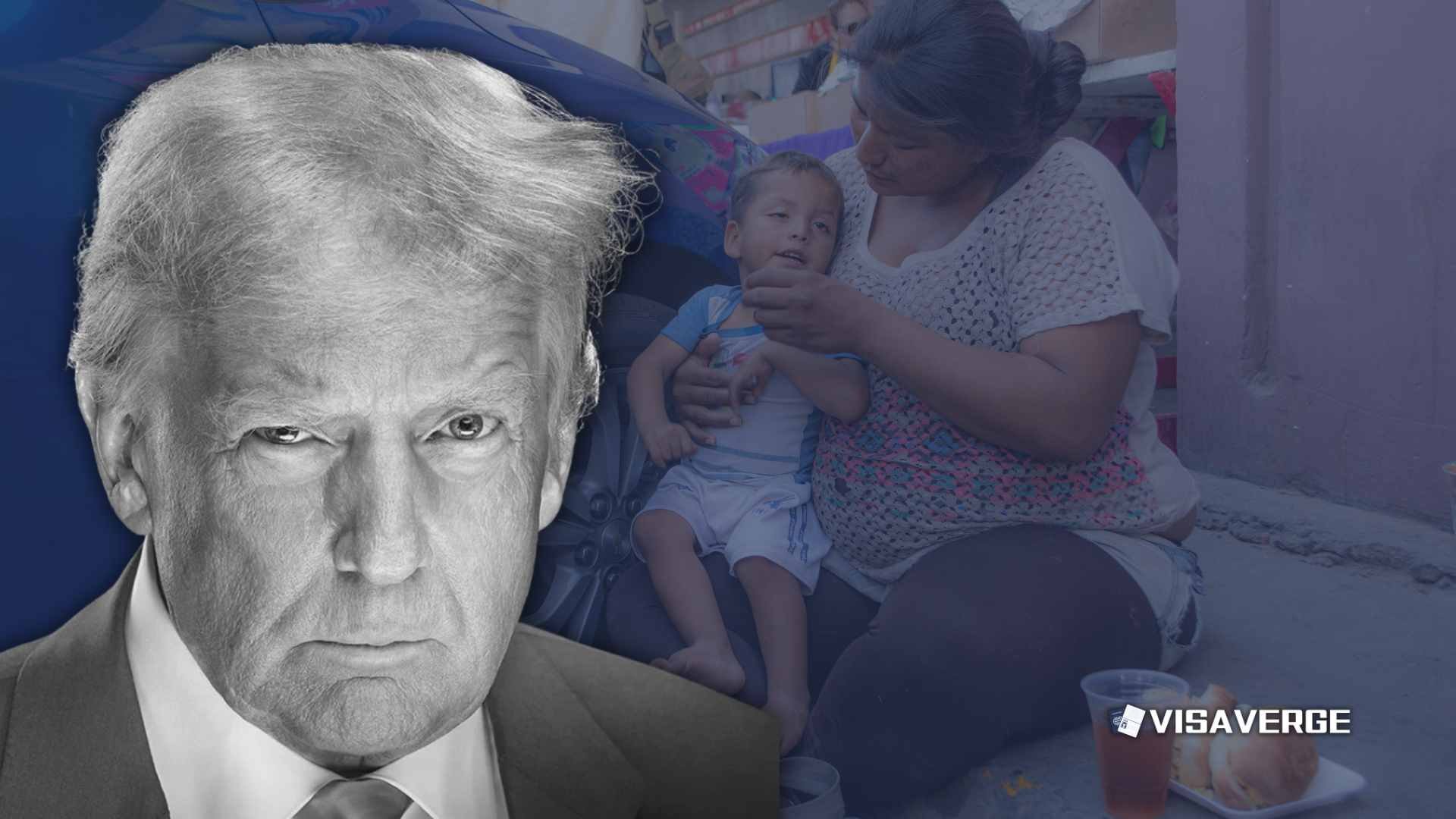
(U.S.) — The Trump administration’s pause on J-1 visa processing in May 2025 left hundreds of international medical graduates in “visa limbo,” unable to begin residencies at U.S. hospitals after matching with training programs.
More than 6,600 non-U.S. citizen doctors were accepted into residency programs with start dates of July 1, 2025. Many then ran into delays getting J-1 visas, the primary visa category for international medical graduates seeking clinical training in the United States.
The three-week pause backed up visa appointments and delayed entry for doctors who had already secured residency placements. The Department of State later announced that visa interviews could resume, but uncertainty remained over how quickly processing would return to normal operations.
Those delays hit at a moment when hospitals were preparing for the annual turnover in residency programs. Incoming physicians were supposed to relocate, complete medical exams and arrive in time for training, but many instead faced extra costs and stalled travel plans.
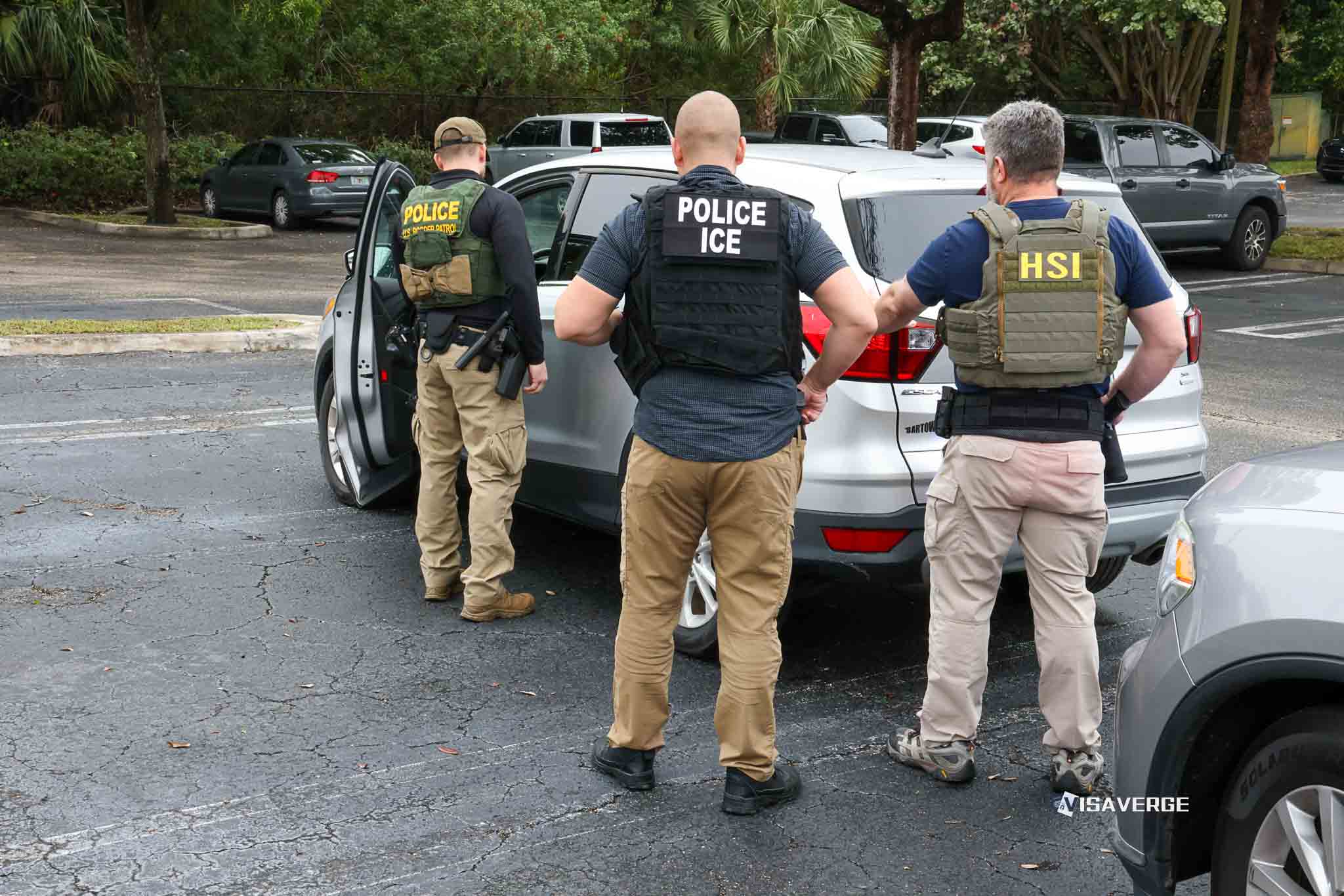
Some doctors could not enter the country at all because the Trump administration’s travel ban affected 19 countries. Others confronted a slower-moving obstacle: interview bottlenecks and a consular pipeline that did not immediately clear when the pause ended.
The disruption extended beyond a single visa category. On January 14, 2026, the Department of State announced a pause on processing immigrant visas for individuals from 75 countries identified as “high risk for use of public benefits.”
That separate move added to concerns inside health care, where foreign-born workers fill large parts of the labor force. Workers from 69 of those 75 countries make up nearly one in ten (8%) of the U.S. health care workforce, representing approximately 1.2 million health care workers as of 2025.
Together, the restrictions point to a wider squeeze on the flow of foreign medical professionals into the United States. The administration has also limited student visas, affecting how many immigrants can study to become doctors, while creating an atmosphere perceived as unfriendly to immigrants.
For international medical graduates, the result has been a collision of timing and policy. They matched into residency programs, prepared to move and train, and then encountered a system that no longer moved at the pace their programs required.
For hospitals, the problem reaches beyond a delayed start date. Residency programs depend on incoming doctors arriving on schedule, and any interruption can ripple through staffing plans that were already thin in some specialties and regions.
The strain lands on a health care system that already faces deep workforce shortages. The Association of American Medical Colleges predicts a shortage of 86,000 doctors by 2036.
At the same time, 77 million people live in healthcare deserts where care is unavailable. Any break in the physician pipeline carries added weight in places that already struggle to recruit and retain medical staff.
International trainees hold a large share of that pipeline. About 25% of medical residents in the U.S. are international students, a level that shows how heavily many institutions rely on physicians trained abroad or recruited from overseas.
Residency programs also have not been able to fill every opening with U.S.-trained graduates. Last year, approximately 2,500 residency slots went unfilled.
That combination matters. A country projecting an 86,000-doctor shortfall by 2036 is also leaving thousands of training positions vacant and slowing the arrival of doctors who already matched into programs.
The staffing pressure is especially sharp in geriatric specialties and nursing homes. Those parts of the system were already dealing with labor shortages before the visa restrictions took effect.
A pause on J-1 visa processing, even one that lasted three weeks, therefore carried consequences beyond the affected applicants. It interrupted a part of the workforce pipeline that many hospitals use to staff difficult-to-fill positions.
The practical damage unfolded quickly. Doctors incurred additional costs for medical exams, and plans to relocate to the United States were thrown into disarray.
Residency matches set training paths months in advance. By the time a doctor is accepted, housing plans, travel, paperwork and reporting dates are often already aligned with a July start.
When visa processing slowed, that schedule no longer held. Doctors were left waiting for appointments, waiting for interview slots to reopen and waiting to learn whether they would be able to enter the country in time to train.
Even after the Department of State said interviews could resume, the question was how fast consular operations could absorb the backlog. That uncertainty became part of the crisis, because residency programs work on fixed calendars and new doctors do not have unlimited time to arrive.
The pause on J-1 processing also fed a broader concern among educators and employers about future recruiting cycles. A system that can stop abruptly, then restart unevenly, introduces risk for applicants and for the programs that depend on them.
That risk now sits alongside the immigrant visa pause announced on January 14, 2026. While it applies to immigrant visas rather than J-1 exchange visitor visas, it reinforced the sense that immigration processing for health professionals could become less predictable across multiple channels.
Foreign-born workers from 69 of the 75 countries affected by that immigrant visa action account for nearly one in ten (8%) of the U.S. health care workforce. In raw terms, that is approximately 1.2 million health care workers as of 2025.
Those numbers give the policy debate a direct workforce dimension. Restrictions aimed at immigration processing do not fall on a small corner of the labor market when health care providers from those countries already make up such a large share of staff.
The administration’s student visa limits add another layer. They affect the number of immigrants able to study to become doctors, which means the pressure is not confined to current residents and incoming physicians.
Instead, the effects may reach across the training continuum, from medical education to residency to longer-term employment. That raises questions about the pipeline for international medical graduates even after any single pause ends.
For many matched residents, the immediate issue remained the same: getting a J-1 visa interview and receiving approval in time to begin work. The Department of State’s announcement that interviews could resume offered a partial reopening, not an instant return to normal processing.
That distinction mattered because the backlog did not disappear when the pause formally lifted. Backed-up appointments meant doctors still faced delays, and hospitals still had to wait on arrivals.
Programs and applicants alike were left to manage the fallout in timing, cost and relocation. Medical exams had to be repeated or rescheduled in some cases, while moves to the United States no longer followed the original calendar.
The disruption also complicated planning for institutions that serve patients in hard-to-staff settings. Geriatric care and nursing homes, already short on labor, faced the prospect of further strain when incoming trainees could not start on time.
All of this unfolded as the United States continued to depend on international physicians for a large share of graduate medical education. About 25% of medical residents are international students, making the J-1 channel more than an administrative route for a small group.
It is part of the country’s medical training structure. When that route slows, the consequences reach hospitals, residency programs and patients who depend on stable staffing.
The broader climate described by the administration’s critics adds to that pressure. Limits on student visas and policies seen as unfriendly to immigrants may drive away some people who might otherwise study, train or work in the United States.
That prospect carries long-term implications because physician shortages are not a short-term problem. The Association of American Medical Colleges’ projection of an 86,000-doctor shortage by 2036 points to a system that already needs more doctors, not fewer.
Meanwhile, 77 million people live in healthcare deserts where care is unavailable. In that setting, delays affecting international medical graduates do not sit apart from the larger health care debate; they intersect directly with access to care.
The story of the pause on J-1 visa processing is therefore both immediate and cumulative. In the short term, it delayed doctors, created extra costs and trapped hundreds in visa limbo.
Over time, the same disruption may shape how future applicants view U.S. training programs, how hospitals plan staffing and how a stretched health system fills residency slots that already go vacant. For incoming international medical graduates, the uncertainty did not end when interviews resumed. It continued in every unanswered question about when normal processing would actually return.