Key Takeaways
- 126 individuals charged for illegal reentry to the U.S. after deportation; operation announced March 3, 2025.
- Penalties include up to 20 years in prison under 8 U.S.C. § 1326, depending on criminal history.
- The operation targets criminal offenders with serious felonies, reflecting stricter immigration enforcement policies under current administration.
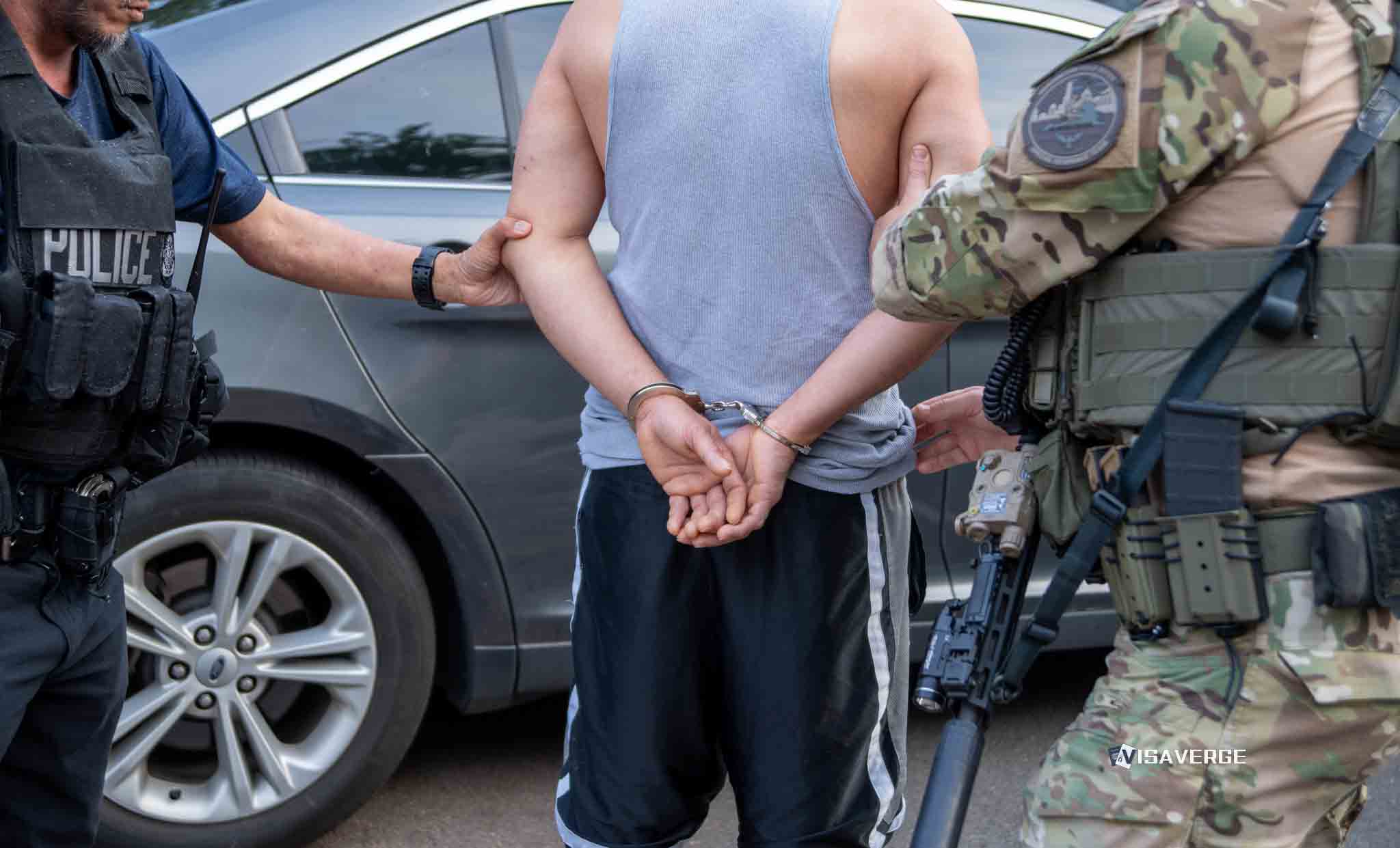
Federal prosecutors in Los Angeles??, Santa Ana??, and Riverside?? have charged 126 individuals with illegally re-entering the United States after being deported. Announced on March 3, 2025, this operation is a component of a broader immigration enforcement strategy targeting individuals who have defied previous removal orders. Many of those charged carry serious criminal records, which adds layers of complexity to their cases and the broader implications for immigration policy in the U.S.
Details of the Arrests and Charges
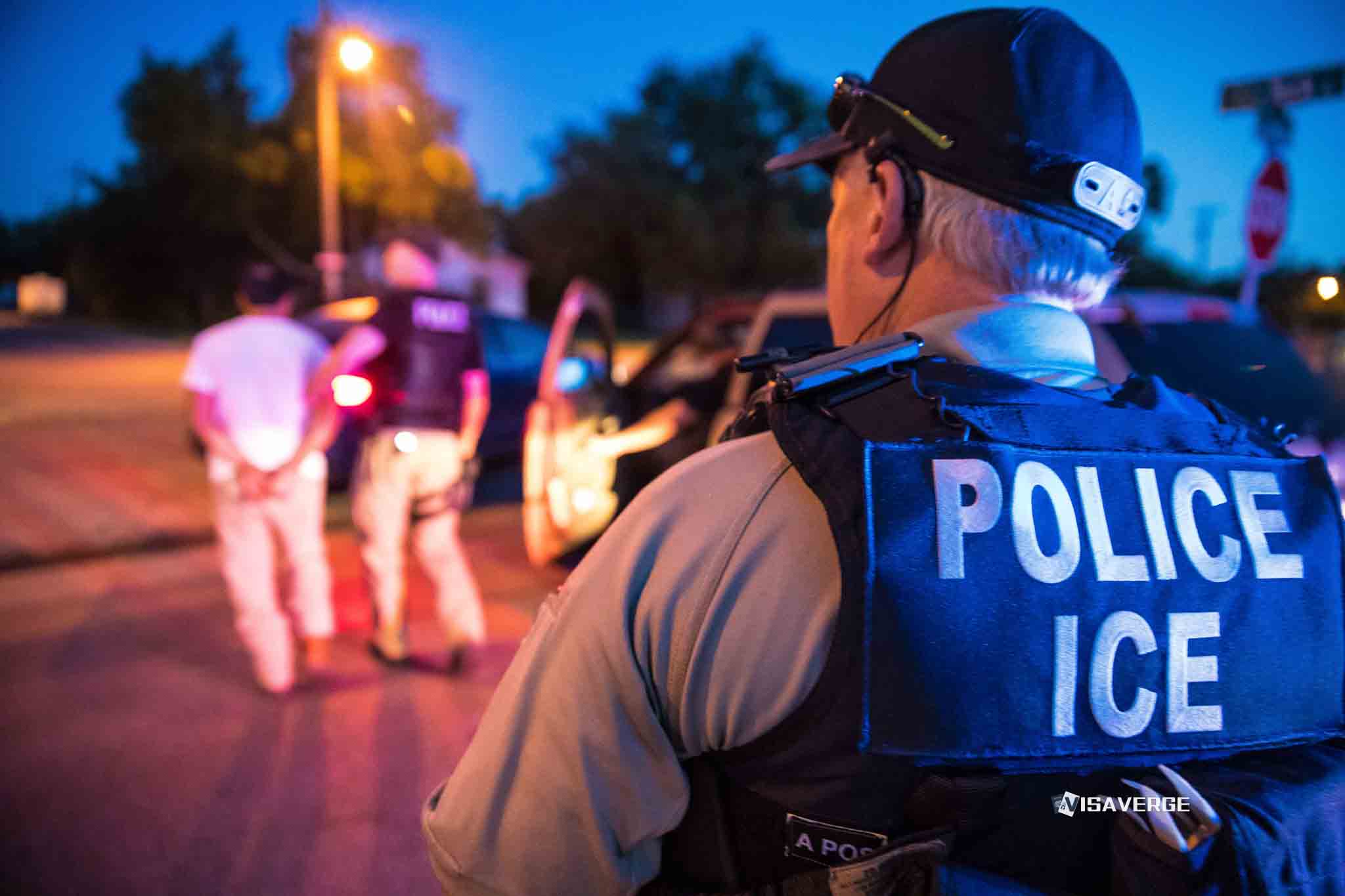
Over the past week, nearly three dozen suspects were arrested as part of this operation. Each defendant faces charges for re-entering the U.S. illegally after deportation. U.S. law (8 U.S.C. § 1326) defines this act as a severe offense, punishable under different levels depending on a person’s criminal history:
- A basic case of unlawful reentry carries penalties of up to two years in federal prison.
- If the individual had been convicted of a felony before removal, the maximum penalty increases to 10 years.
- If the felony was classified as an aggravated felony — which covers grave crimes like murder or trafficking — the prison sentence could extend up to 20 years.
Acting United States Attorney Joseph T. McNally affirmed that prosecuting illegal reentrant aliens is not just about enforcing laws but also about upholding respect for America’s immigration system. He stated that individuals who disregard lawful deportation orders by returning unlawfully will face strict legal consequences.
Reflecting on the operation, Homeland Security Investigations (HSI) Los Angeles Acting Special Agent in Charge John Pasciucco characterized the effort as part of a “whole-of-government approach” to deal with immigration offenders, especially those committing transnational crimes such as drug smuggling and child exploitation.
Key Defendants and Their Histories
The operation uncovered cases involving repeated removals, serious felonies, and ongoing illegal activities. A few notable examples include:
- Ricardo Reynoso-Garcia (59, Arleta??): Previously convicted of voluntary manslaughter, Reynoso-Garcia has been deported or removed four times between 1984 and 2018. Authorities now charge him with another illegal reentry.
- Oscar Parra-Reyes (50, El Monte??): Removed on four occasions between 1995 and 2006, Parra-Reyes has convictions for selling marijuana and unlawful relations with a minor.
-
Luis Roberto Calderon Collantes (52, Rialto??): Deported in August 2021 following a methamphetamine transportation charge, Calderon Collantes allegedly returned and became linked to fentanyl trafficking.
-
Valentin Vidal-Lopez (35, Granada Hills??): After being removed in April 2018 for attempted murder, Vidal-Lopez was recently arrested for driving under the influence and possessing forged documents.
-
Erasmo Hermosillo-Martin (69, Inglewood??): Removed in 1994 after convictions for kidnapping and making terrorist threats, Hermosillo-Martin has now been identified during this enforcement wave.
-
Angel Navarro-Camarillo (42): Removed four times between 2007 and 2021 for charges, including lewd acts on a child younger than 14.
-
Isidro Jimenez-Ibanez (51, Coachella??): Removed in 1995 after a methamphetamine sales charge. Jimenez-Ibanez was recently convicted of assault with a deadly weapon.
The nature and severity of these crimes highlight the focus of enforcement efforts on individuals with significant criminal histories.
Context in Broader Policy Changes
This operation is part of a larger shift under the current administration’s immigration policies. President Trump introduced several significant executive orders on January 20, 2025. These changes include enhanced scrutiny for visa applicants, proposals addressing birthright citizenship, and additional measures aimed at securing the southern border.
One such policy is a new proclamation that bars undocumented individuals entering the U.S. without proper inspection from pursuing immigration benefits. While this aims to discourage unauthorized crossings, it has drawn criticism for restricting access to humanitarian protections like asylum. For example, the administration’s order on birthright citizenship currently faces legal hurdles under a temporary restraining order issued on January 23, 2025, in Washington v. Trump.
Previous executive orders from the prior administration that prioritized less aggressive civil immigration enforcement have now been rescinded. This allows increased focus on prosecutions targeting illegal crossings and reentries.
Legal and Public Reactions
These enforcement actions have sparked intense reactions. Advocates for immigrant rights worry about the broader implications, including potential due process concerns for defendants. Critics argue that aggressive tactics risk alienating long-term members of immigrant communities. Individuals with significant community, family, or business ties to the U.S. — despite their immigration status — may suffer notable consequences, eroding trust between these communities and the government.
On the other hand, proponents of stricter immigration enforcement contend that these measures are necessary to address public safety threats. The focus on individuals with criminal records, they say, demonstrates precision rather than indiscriminate targeting.
Government Collaboration in the Operation
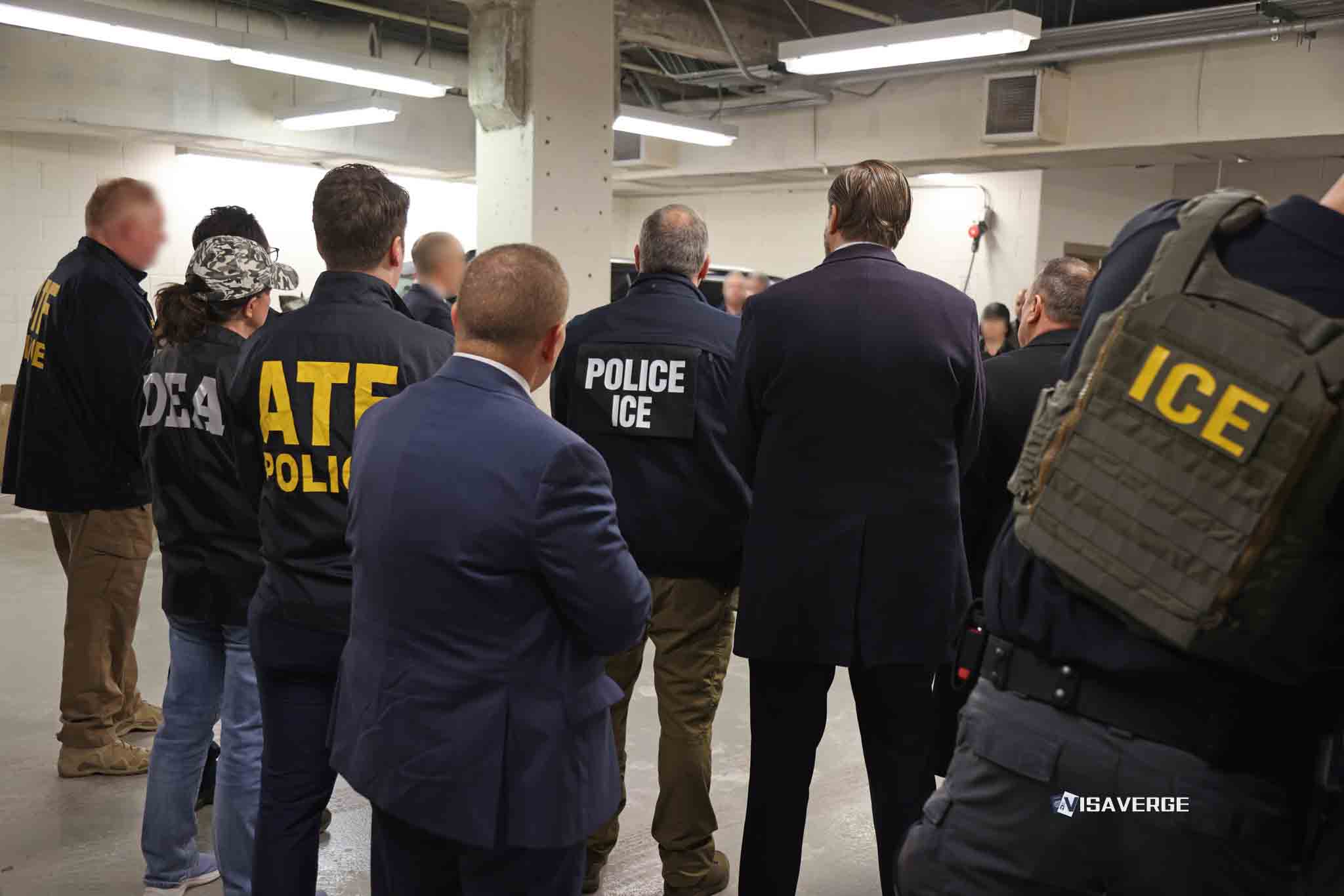
This operation’s success involved multiple federal agencies pooling resources, underscoring how serious the government is about enforcing immigration laws. Agencies participating included:
- Homeland Security Investigations
- Immigration and Customs Enforcement
- The FBI
- U.S. Marshals Service
- The Drug Enforcement Administration
- U.S. Customs and Border Protection
- The Bureau of Alcohol, Tobacco, Firearms and Explosives
- The State Department’s Diplomatic Security Service
This coordinated effort illustrates how highly the administration regards effective immigration enforcement to maintain border integrity and public safety.
Voices of Leadership
Joseph T. McNally emphasized that these operations uphold respect for long-established immigration procedures. Meanwhile, other leaders expressed the importance of deterring repeated transgressions. The high-profile nature of investigations, especially concerning high-risk criminals, may act as a deterrent to future unlawful entries.
John Pasciucco also highlighted how these efforts target offenders involved in crimes beyond immigration violations, such as international drug trafficking. His comments reflect a comprehensive vision for securing national safety through better management of immigration violations.
Broader Implications
Operations like this one underline the growing focus on criminal elements within illegal reentry cases under current immigration laws. The penalties aim not only to punish those reentering but also to deter others contemplating similar actions. However, the broader, tightened approach to border policies may face extended legal and ethical scrutiny.
Concerns about fairness, potential racial profiling, or impacts on vulnerable individuals have already generated significant debate. Immigration-related issues remain deeply polarizing, with the current administration doubling down on stricter rules, while critics advocate for more humane reforms. Continued enforcement and associated legal challenges could permanently reshape how immigration systems operate moving forward.
As reported by VisaVerge.com, the debate between stricter enforcement and humanitarian responsibility plays a pivotal role in shaping public opinion on immigration policies. For those interested in the legal specifics and procedure, the U.S. Citizenship and Immigration Services (USCIS) website offers guidance on understanding reentry restrictions following deportation.
Concluding Insights
The recent operation and subsequent charges against 126 individuals for illegal reentry touch on many pressing issues surrounding the U.S. immigration system. From its focus on criminal reoffenders to its implications on broader border policies, it marks a determined push from the current administration. Public safety concerns and national sovereignty frame much of the conversation, but ongoing concerns about immigrant rights and proper legal processes will ensure that this topic remains contentious.
Stakeholders on all sides continue to watch closely as these policies and legal battles unfold. The repercussions, both immediate and long-term, could set powerful precedents shaping immigration law enforcement and reform for years to come. These shifts highlight the careful balance the government must strike between security and fairness in its policies.
Learn Today
Illegal Reentry → The act of entering the U.S. without authorization after being deported, punishable under federal law (8 U.S.C. § 1326).
Aggravated Felony → A serious criminal offense, such as murder or drug trafficking, that leads to stricter immigration penalties, including deportation.
Removal Order → A formal decision by immigration authorities requiring an individual to leave the U.S., often due to legal violations.
Whole-of-Government Approach → A coordinated effort among various government agencies to achieve a common goal, such as enhanced immigration enforcement.
Birthright Citizenship → The legal right for individuals born within a country’s territory to gain citizenship, regardless of their parents’ legal status.
This Article in a Nutshell
Federal prosecutors charged 126 individuals across California for illegal reentry after deportation, many with serious criminal records. This enforcement effort targets public safety threats and underscores stricter immigration policies. While proponents cite crime prevention, critics warn of due process concerns and community impacts. The operation reflects ongoing tensions in U.S. immigration reform.
— By VisaVerge.com
Read more:
• Border Bishops Urge Greater Care for Immigrants
• ICE Raids Leave Delmarva Immigrants Living in Fear, Staying Indoors
• Little Rock Diocese Helps Immigrants Understand Their Rights with ICE
• ‘A Day Without Immigrants’ Shuts Businesses, Sparks Protests in Louisville
• Philly Students Say School District Response Leaves Immigrants “Unimportant”