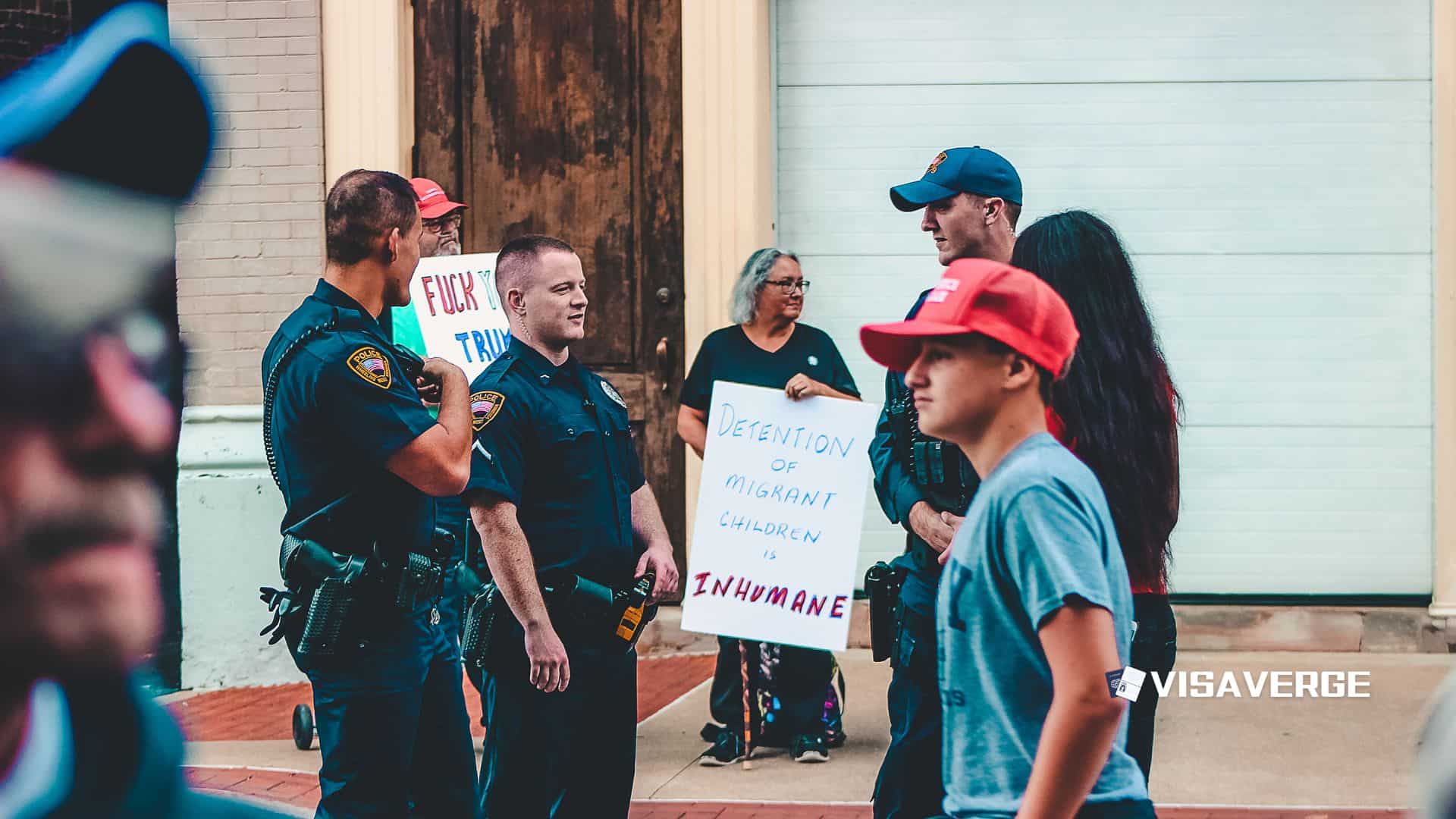
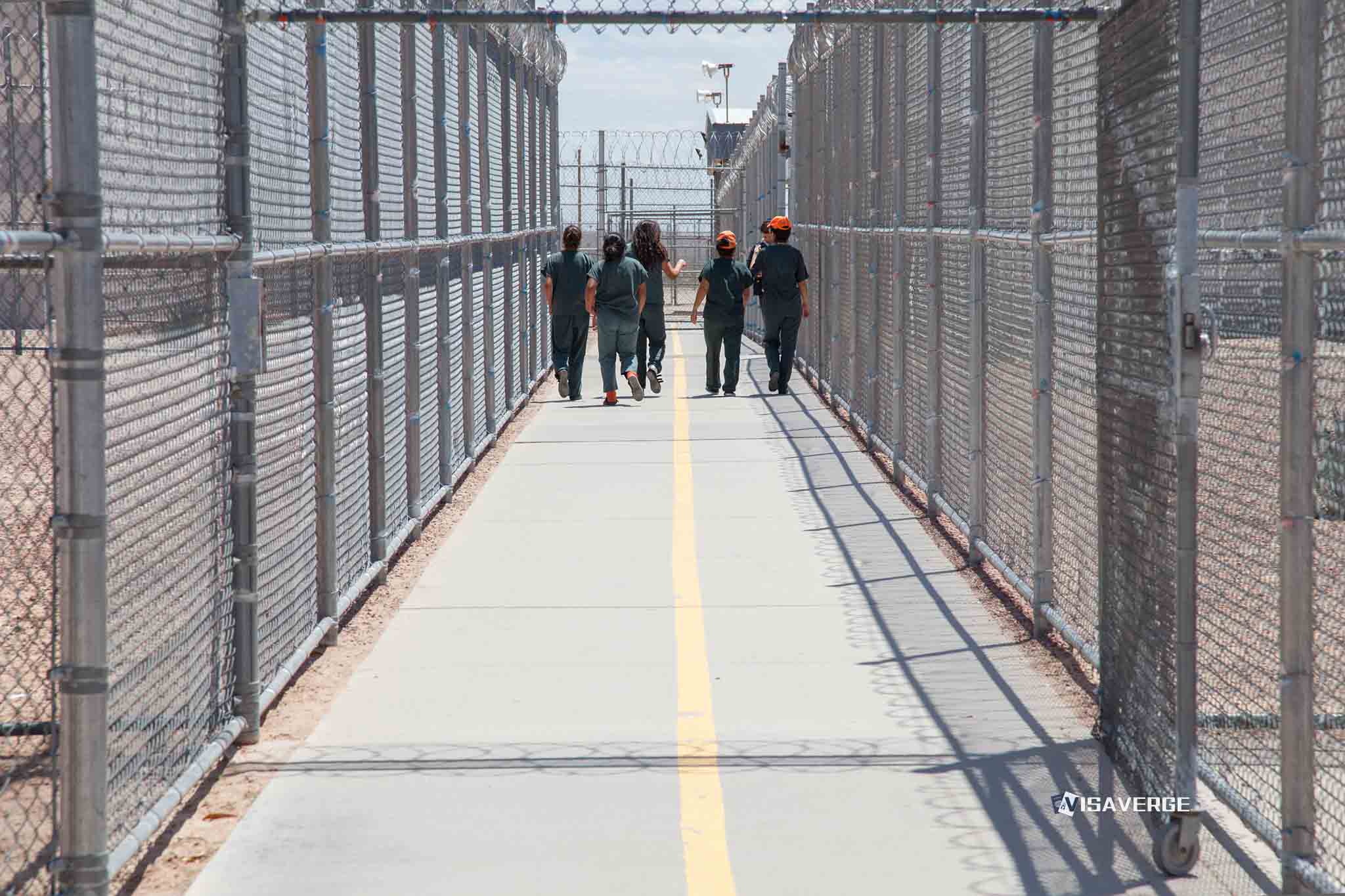
- Court filings reveal at least 10 immigration arrests involving U.S. Park Police and ICE in Washington.
- A class-action lawsuit challenges warrantless civil immigration arrests occurring during routine traffic stops.
- Advocates allege commercial vehicle bans are used as pretext for profiling and immigration screening.
(WASHINGTON, D.C. AREA) — Court filings in a class-action lawsuit against the U.S. Department of Homeland Security describe at least 10 immigration arrests by U.S. Immigration and Customs Enforcement in the Washington, D.C. area that involved the direct participation or initiation of the U.S. Park Police.
The record, filed in Escobar Molina v. U.S. Department of Homeland Security (Case No. 1:25-cv-03417), places ICE arrests alongside Park Police traffic enforcement on federal parkways and at roadblocks, raising fresh scrutiny of how interior enforcement tactics operate in the capital.
White House spokesperson Taylor Rogers defended joint operations on March 16, 2026, saying: “President Trump has transformed DC from a crime-ridden mess into a beautiful, clean, safe city. To ensure the long-term success of the operation, federal and local law enforcement officers continue to work together to keep DC safe.”
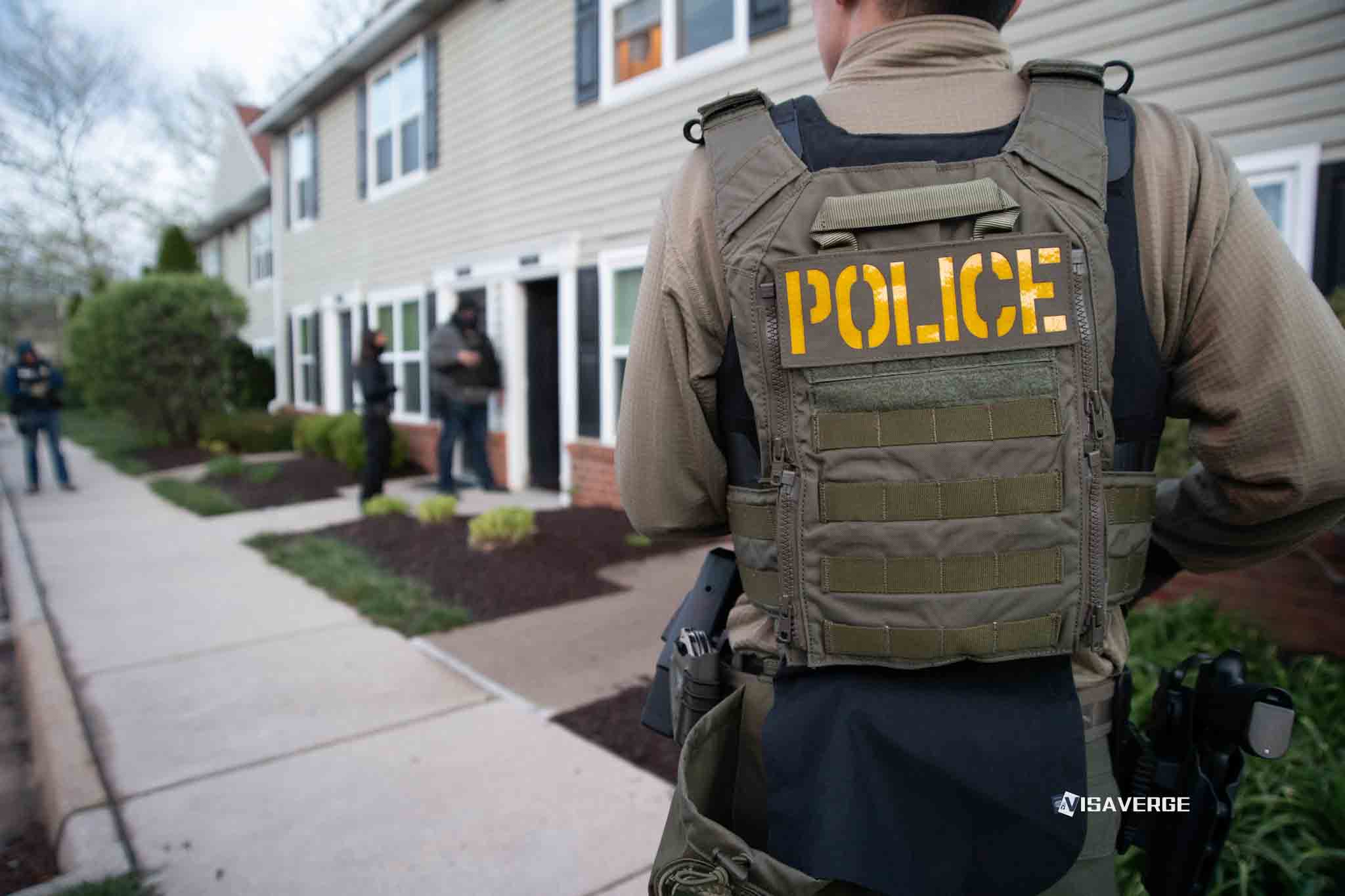
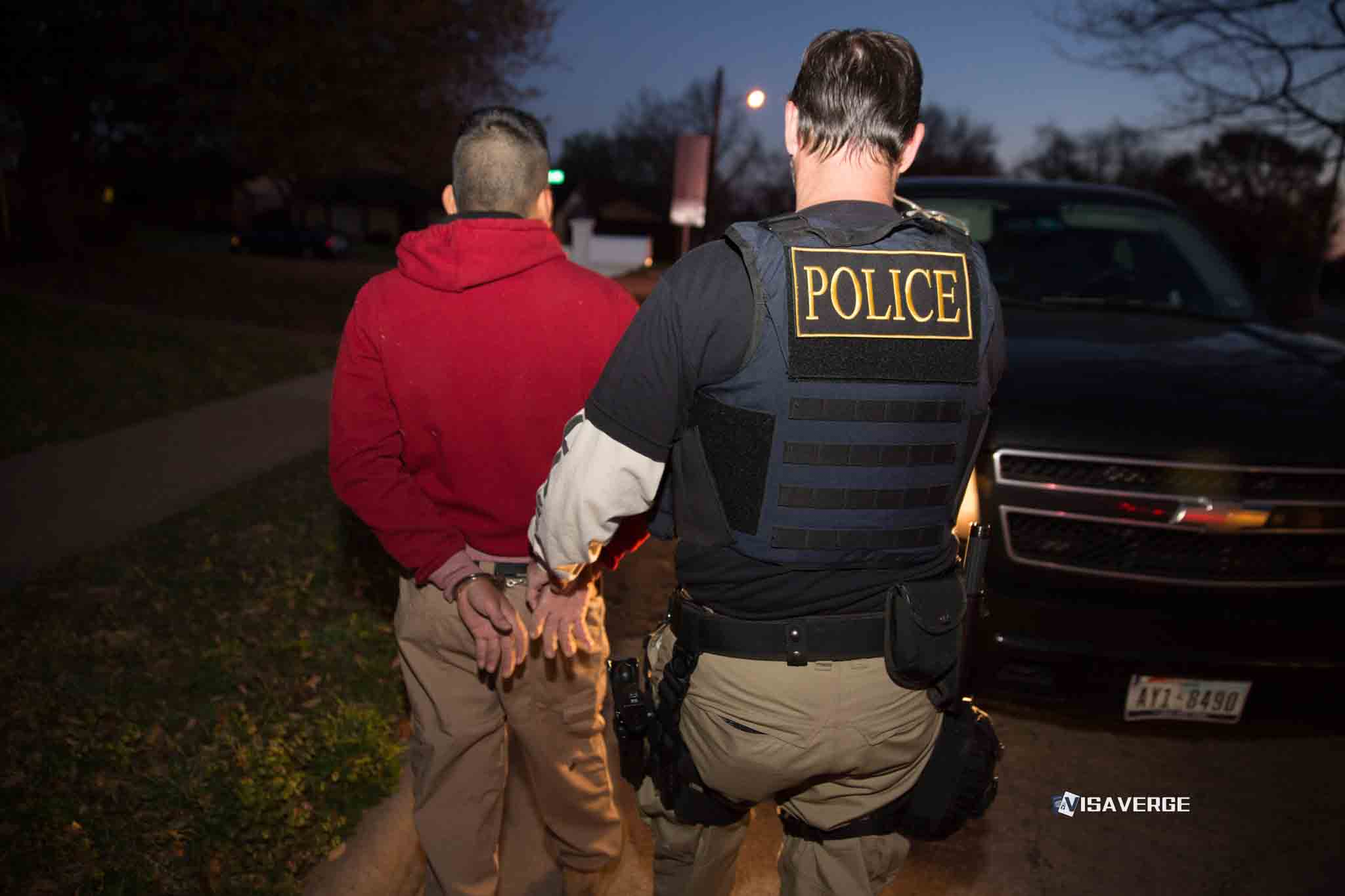
The filings describe a recurring sequence: Park Police officers stop a vehicle for a traffic, safety, or commercial-vehicle issue, and ICE agents then question occupants and make civil immigration arrests, sometimes immediately at the roadside.
Court records filed between September 2025 and February 2026 describe ICE agents as frequently present during Park Police stops, with immigration interviews and arrests occurring after officers pulled vehicles over for what the filings characterize as minor violations.
Those accounts appear in litigation challenging warrantless arrests by DHS, with the suit pressing the question of what legal standard must be met before officers conduct civil immigration arrests in the District.
The allegations also intersect with an executive branch framework for multiagency operations in Washington created by Executive Order 14252 in March 2025, which established the D.C. Safe and Beautiful Task Force.
That task force, according to the executive order, is chaired by the Homeland Security Advisor, Stephen Miller, and includes representatives from DHS, the Department of the Interior, and the Department of Transportation.
After the executive order, National Park Service spokesperson Jasmine Shanti said the agency “has acted decisively to carry out its directives and restore public safety and order across NPS-managed lands in the District.”
The Park Police, which falls under Interior, said it does not conduct immigration enforcement, while acknowledging that DHS can become involved after a stop concludes.
In an official statement, the Park Police public information office said: “The agency does not conduct immigration-related stops or arrests. Vehicles are stopped. to enforce traffic and public safety laws.”
The same statement added: “After we have completed the reason for our stop, DHS, if present, may have follow-up questions that may result in an arrest.”
The court filings describe at least 10 arrests in the D.C. area that involved Park Police participation or initiation, often beginning as traffic or public-safety enforcement on federal parkways, followed by ICE engagement.
A recurring theme in the record involves workers traveling in commercial vans or trucks, with stops described as tied to equipment or commercial-vehicle concerns and then followed by immigration questioning.
Advocates allege in the filings that a “commercial vehicle ban” has been used as a pretext to profile and stop Latino drivers, with the enforcement activity serving as a gateway for immigration screening.
The record frames several encounters as examples of warrantless civil immigration arrests that occurred quickly after identification checks, with ICE agents taking custody at the roadside rather than pursuing warrants first.
The filings include an account involving a man identified as “Camilo Doe,” described as a Guatemalan man who was followed by Park Police on Rock Creek Parkway for having a ladder on his van, then arrested by ICE agents who appeared at the stop.
Another incident described in the court record involves a Nicaraguan mechanical repair worker on humanitarian parole who was stopped by Park Police in December 2025, then handcuffed by ICE and sent to a detention center for deportation.
A third example centers on a pool maintenance technician stopped at a roadblock outside the city, where the filings say ICE, ATF, and Diplomatic Security Service agents were present to assist Park Police, and ICE agents scanned his license and arrested him on the spot.
Taken together, the plaintiffs’ accounts portray coordination that the lawsuit argues effectively converts routine traffic policing into a pipeline for civil immigration enforcement, with the legality of subsequent warrantless arrests at the center of the dispute.
Judicial oversight has already shaped the case. A federal judge in the District of Columbia issued a preliminary injunction in December 2025 in Escobar Molina, barring DHS from making warrantless civil immigration arrests in D.C. without an individualized probable-cause determination that the person is likely to escape before a warrant can be obtained.
The injunction, as described in the court record, focuses on the moment DHS shifts from a traffic stop conducted by Park Police to a civil immigration arrest by DHS or ICE, and on whether officers have made the individualized assessment the order requires.
The litigation’s framing draws a line between Park Police authority to enforce traffic and public safety laws and DHS authority to make civil immigration arrests, arguing that the latter cannot proceed without the individualized determination set out by the court.
Rogers’ statement cast the operations as part of an effort to keep Washington safe, while the Park Police position emphasized that its stops are not immigration-related and that DHS may choose to ask follow-up questions after Park Police complete the reason for the stop.
Shanti’s statement, issued after the executive order that created the task force, emphasized public safety and order across NPS-managed lands, placing Park Service enforcement posture in a broader government campaign that the lawsuit argues now overlaps with interior immigration enforcement.
The court record described ICE agents as appearing at stops on federal parkways such as Rock Creek Parkway or the Baltimore-Washington Parkway, with several incidents involving workers driving commercial vehicles in the region.
The filings’ narrative emphasizes timing and proximity, portraying ICE agents as positioned to act quickly after license and identity checks, and characterizing the outcome as warrantless arrests that plaintiffs argue fall short of the standard the court later reinforced through the December 2025 injunction.
The Park Police statement’s language suggests an operational boundary—traffic and safety enforcement first—followed by DHS questioning if DHS is present, which plaintiffs argue invites a form of handoff that turns stops into immigration enforcement encounters.
The lawsuit’s broader tension, reflected across the filings, centers on whether quality-of-life enforcement and traffic policing in the capital can function as a gateway to ICE arrests, and whether the resulting arrests meet the legal requirements for civil immigration custody in Washington.
Readers can review the executive order that created the task force through the White House posting of Executive Order 14252, and follow agency messaging through the U.S. Park Police newsroom and the DHS newsroom.
ICE also publishes enforcement data through its ERO statistics, while the allegations described in Escobar Molina continue to be tested in court as filings and orders shape how warrantless arrests are evaluated in the District.