- The CBP Home app facilitates digital self-deportation but does not erase reentry bars for unlawful presence.
- Overstaying for more than one year triggers a ten-year ban on returning to the United States.
- The DHS 2025 initiative uses a $200 million campaign to encourage voluntary departures over formal removals.
(UNITED STATES) The CBP Home app has turned self-deportation into a digital process, but it does not erase unlawful presence penalties. People who leave through the app still face 3-year or 10-year reentry bars if they overstayed long enough. That reality now shapes choices for families, workers, and students across the country.

Department of Homeland Security Secretary Kristi Noem announced the app in March 2025 as a replacement for CBP One. Officials say it gives people a way to report departure on their own and leave the country without a formal removal order. DHS also tied the rollout to a $200 million campaign urging people to leave now.
Noem framed the message bluntly: “The CBP Home app gives aliens the option to leave now and self-deport, so they may still have the opportunity to return legally in the future and live the American dream.” She also warned, “If they don’t, we will find them, we will deport them, and they will never return.” Those comments set the tone for the current federal push.
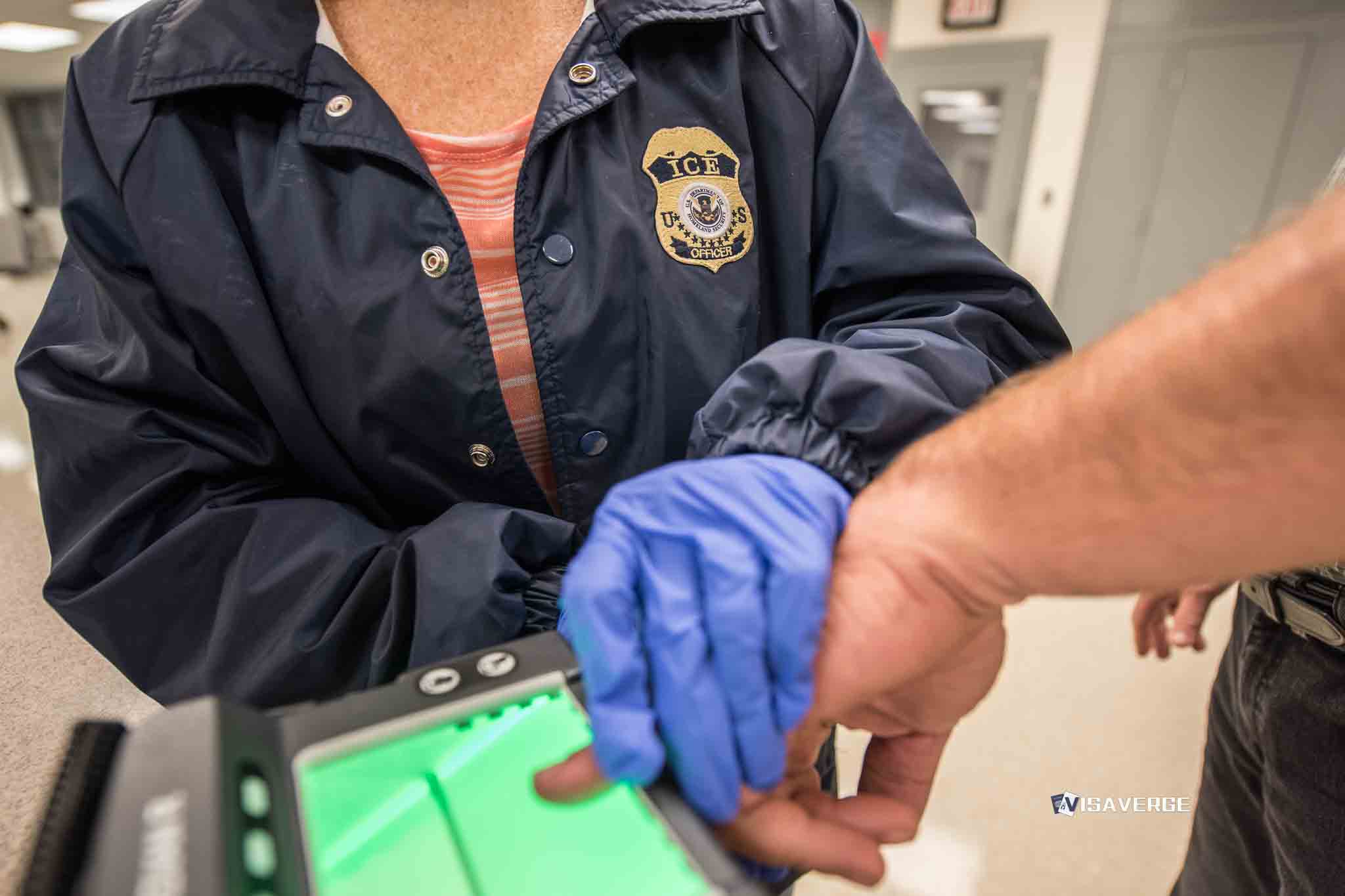
Self-deportation means leaving the United States without a judge’s removal order. A person can fly out, cross at a land border, or otherwise depart on their own. The CBP Home app adds a digital record to that exit. It asks for personal information and travel plans, then records the departure electronically.
That record does not cancel the immigration clock. Unlawful presence still drives the biggest legal risks. If someone stayed more than 180 days but less than one year without status, leaving can trigger a 3-year bar on returning. If the person stayed more than one year, the bar grows to 10 years. Those bars apply whether the person left voluntarily or was removed.
That difference matters because many people assume self-deportation is a clean reset. It is not. A formal deportation or removal order places a severe mark on the immigration record, and that record can block visas for work, study, or family reasons. Voluntary departure or self-deportation avoids some of those harsh marks, but it does not erase the unlawful presence penalty.
VisaVerge.com reports that this gap between government messaging and legal reality is driving confusion. Officials describe self-deportation as a path that may keep future legal return open. Immigration lawyers say the law is less forgiving. Once the unlawful presence bar applies, the person must deal with that bar before any return.
What the CBP Home app does at the border and beyond
The app is built to make departure easier to report. Supporters say that gives people a less confrontational path than arrest and removal. Critics say it creates a digital trail that can follow someone into future applications. The fear is not only about leaving. It is about how that departure will be read later by consular officers, border agents, and immigration judges.
The federal campaign around the app has been highly visible. Ads appear online, on billboards, and in broadcasts. The message is simple: stay out and leave now. That message has real effects in immigrant neighborhoods, where many families are weighing whether to keep working, send children to school, or report crimes.
Families are making urgent plans before anyone leaves
Jennifer Babaie of Las Americas Immigrant Advocacy Center in Texas says families are drawing up emergency papers so trusted relatives can care for children if parents are detained. She also says people are asking whether ordinary activities are still safe. Those questions include going to church, calling police, and keeping children in class.
Immigration attorneys say the pressure has already pushed some people with temporary status or pending cases to leave on their own. Fear spreads quickly when enforcement messaging is constant. Some families choose to go before any stop, arrest, or court date arrives. Others stay but live with the same anxiety.
That fear also affects U.S. citizen children. When parents leave, children often remain behind with relatives or guardians. The practical burden includes school records, medical decisions, housing, and money transfers. A departure that looks simple on paper can reshape an entire household overnight.
Why legal return stays hard after departure
Leaving through the CBP Home app does not guarantee a faster or easier return. Lawyers say it can take months or years of sustained advocacy to repair a case. Waivers, reopened proceedings, and new visa requests all demand paperwork, filing fees, and careful legal strategy. None of that brings a promise of success.
For people with a removal order, the obstacle is even steeper. The order sits on the record and can trigger denial when they seek a visa later. For people who self-deport, the removal order may be absent, but the unlawful presence bar still blocks reentry for years. That is why the legal outcome often looks harsher than the app’s message suggests.
For official guidance, readers can review the USCIS website and the Form I-275 page used for certain immigration processing steps. The Department of Justice’s immigration court resources also explain removal and departure rules.
The current calculation for people considering departure
Anyone thinking about self-deportation should first count time in the United States without status. That count controls the reentry bar. Next, the person should check whether any past order, visa denial, or pending case already changes the picture. Finally, any plan should account for children, property, work, and future immigration goals.
That decision is rarely only about leaving today. It is about whether a person can ever return lawfully. A short trip home can close off work visas, family petitions, and study plans for a decade. For many families, that is the central cost.
Historical debate over self-deportation has returned before, but the 2025 version is more digital and more aggressive. Supporters say it lowers enforcement costs and gives people a choice. Opponents say it pushes people into rushed decisions under threat. What remains unchanged is the law on unlawful presence. The clock keeps running, and the bar to return still stands.