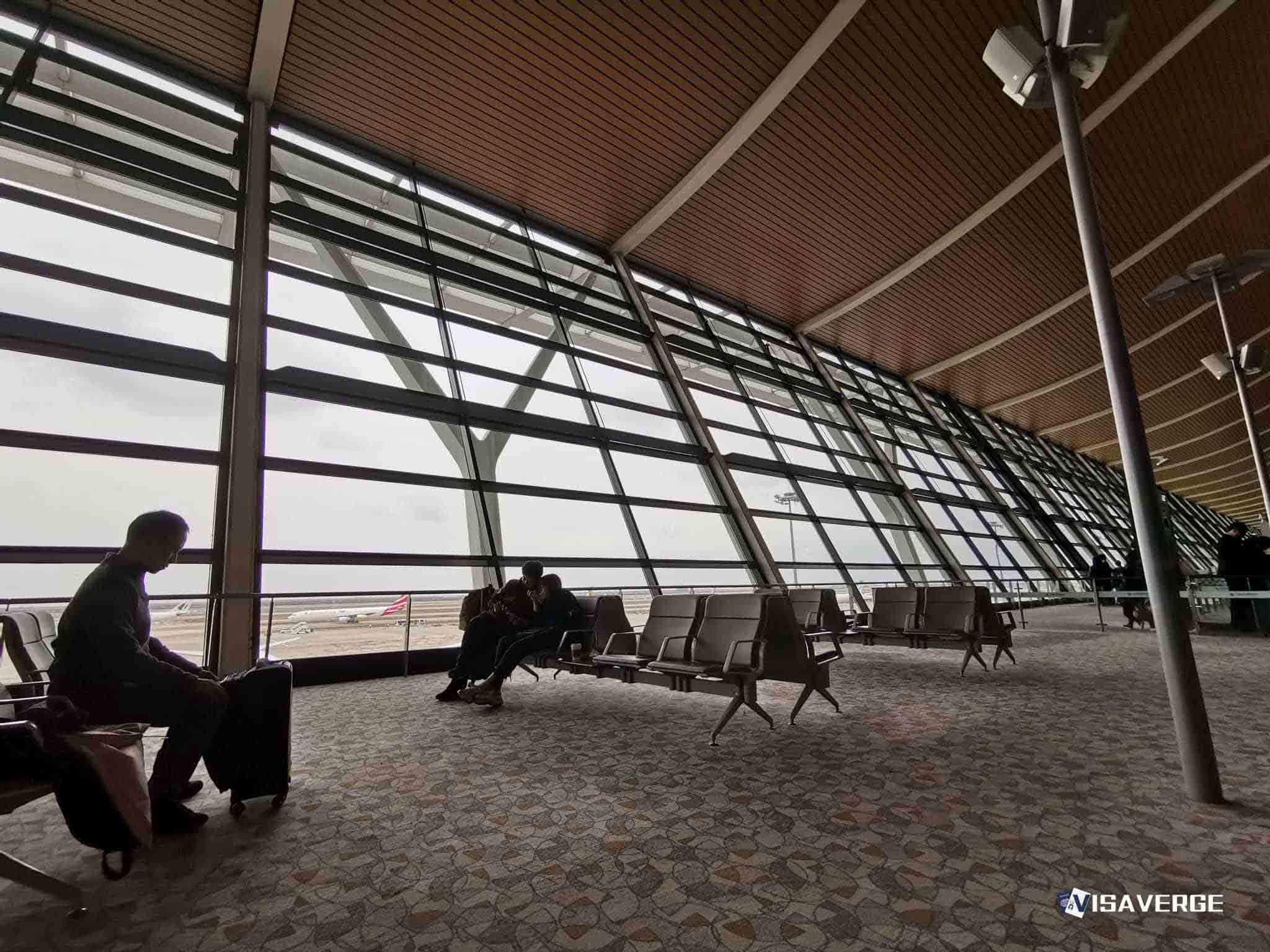
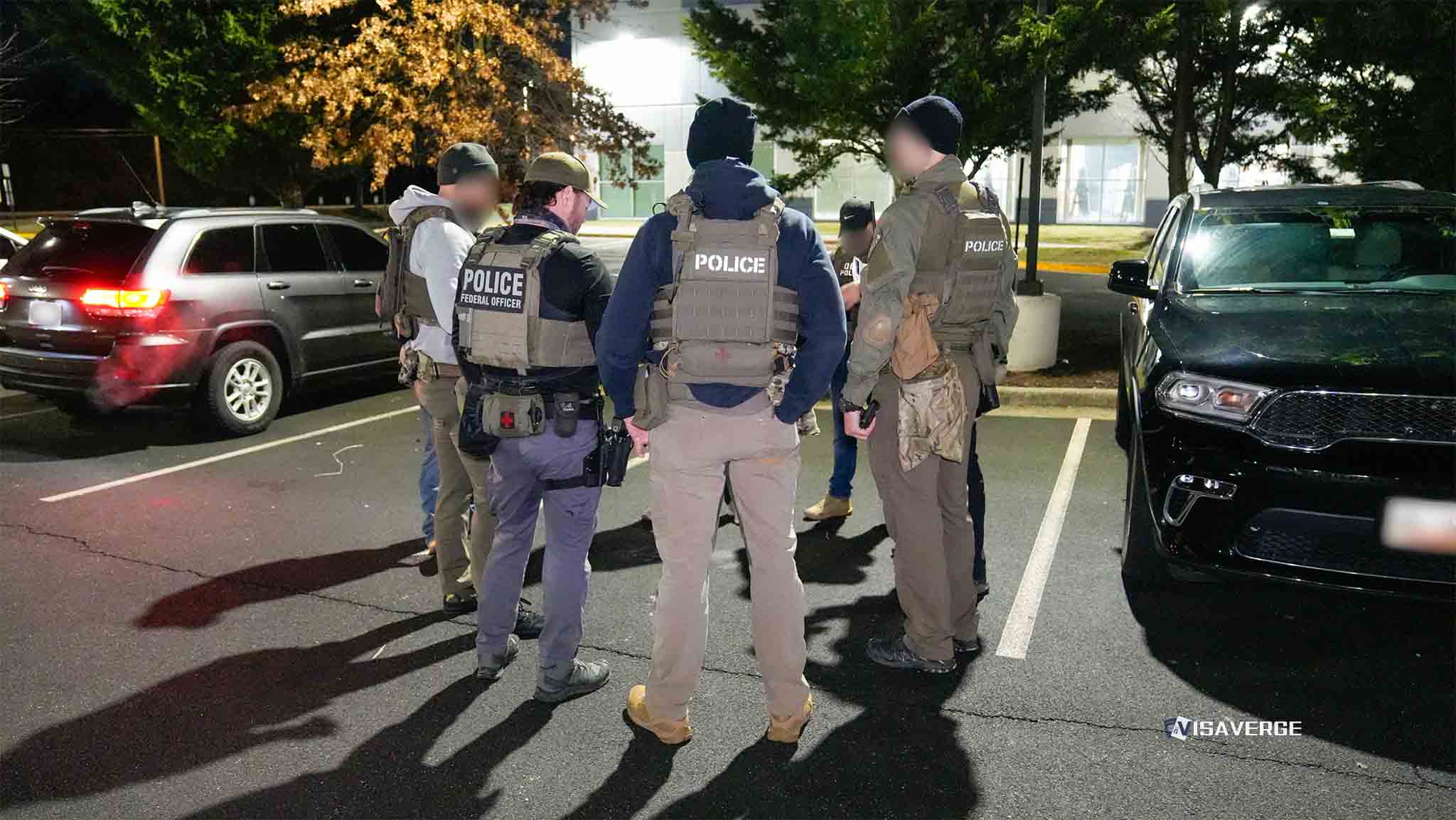
- ICE agents are providing logistical airport support nationally during the ongoing DHS government shutdown.
- There is currently no official confirmation of ICE personnel deployed at BWI security checkpoints.
- TSA remains solely responsible for screening because ICE lacks the 4-6 months of required certification.
(BALTIMORE, MARYLAND) — As the federal government grapples with an ongoing DHS shutdown, ICE agents have begun to assist at airports nationwide, including potential activities around check-in entrances and ID verification, while BWI has faced notable disruption and no official confirmation of ICE at its TSA checkpoints.
For travelers, the first point is simple. ICE and TSA do not do the same job at airport checkpoints. During the shutdown, the Department of Homeland Security has said ICE is helping in support roles, while TSA security checkpoints still require certified TSA personnel for screening.
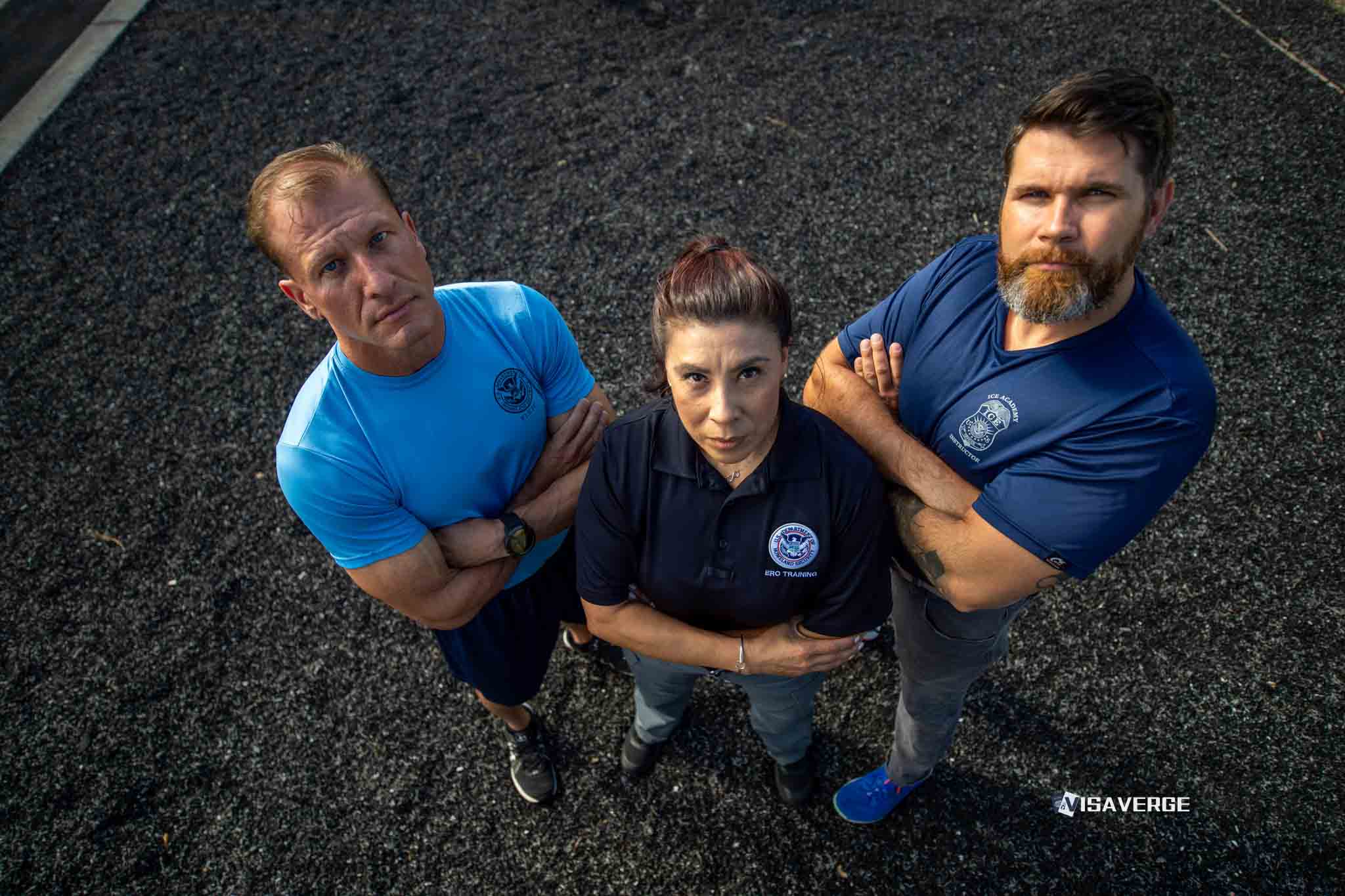
That distinction matters at Baltimore/Washington International Thurgood Marshall Airport (BWI). Reports from around the country confirm ICE activity at airports such as Atlanta (ATL), JFK, PHX, and PIT. Yet as of March 29, 2026, no public statement from DHS, TSA, ICE, or the Maryland Aviation Administration (MAA) has formally confirmed ICE deployment at BWI’s checkpoints.
Overview: what ICE may be doing at airports, and what is not confirmed at BWI
Acting DHS Assistant Secretary Lauren Bis described ICE’s airport role as guarding entrances and exits, helping with logistics, managing crowds, and verifying identification using TSA equipment and standard operating procedures. Those are front-end support tasks. They are not the same as screening bags, operating body scanners, or making checkpoint screening decisions.
In practice, that means travelers may see federal officers near terminal entrances or queue lines. They may also encounter ID checks before the main screening area. Behind the checkpoint, though, TSA screening remains a certified function.
BWI sits in an odd middle ground right now. National reporting has tied the airport to long lines and shutdown strain, but not to a confirmed ICE assignment at TSA security checkpoints. For readers trying to separate rumor from policy, that is the key point.
National policy on ICE at airports during the shutdown
March 2026 reporting has been fairly consistent on the rules. DHS has framed ICE as backup support for airport operations during the funding lapse, not as a replacement for trained screeners.
Why the limit? TSA screening jobs require certifications and repeat training. Axios reported that certification can take 4–6 months, and current reporting says ICE personnel are not certified for checkpoint screening. That is why they are not expected to work “behind the checkpoint.”
A simple way to think about it: ICE may help manage the line at the front door, but TSA still runs the metal detector and X-ray belt.
Labor groups have pushed back hard on the arrangement. Everett Kelley, president of AFGE, criticized using ICE in place of unpaid TSA staff and said over 450 TSA officers had quit since shutdown began. TSA unions have also argued that adding ICE does not solve the basic staffing problem, and may not meaningfully reduce waits.
| Agency / Figure | Expected Role at Airports | Confirmed Status at BWI |
|---|---|---|
| DHS | Directs shutdown response and authorizes support roles | No formal BWI checkpoint confirmation as of March 29, 2026 |
| ICE | Guard entrances/exits, logistics, crowd control, ID verification | No formal BWI checkpoint confirmation as of March 29, 2026 |
| TSA | Conduct certified screening at TSA security checkpoints | Confirmed checkpoint operator at BWI |
| Acting DHS Assistant Secretary Lauren Bis | Publicly described ICE support duties | No BWI-specific confirmation issued publicly |
| AFGE / Everett Kelley | Critiques substitution of ICE for TSA staffing | Commented on national policy, not a BWI confirmation |
| Maryland Aviation Administration (MAA) | Airport operations and public communications | No posted public confirmation of ICE at BWI checkpoints |
BWI-specific snapshot and disruption metrics
Baltimore has been one of the more affected travel markets during the shutdown. AP reported a 37.4% wait-time metric at BWI on March 27, 2026. Two days earlier, coverage also listed Baltimore among cities where passengers were told to arrive hours early.
That number does not prove ICE is at BWI. It does show the airport has been under strain.
BWI’s own security page continues to say TSA operates the airport’s checkpoints and points travelers to AskTSA for help. The airport also offers live wait-time information, but during shutdown conditions, travelers may want to treat those figures as a guide rather than a promise.
Timeline of key dates
The timeline explains why airport operations changed so quickly.
- February 14, 2026: DHS appropriations lapse begins, starting a partial shutdown and halting TSO pay.
- March 21, 2026: President Donald J. Trump says ICE officers will be sent to airports unless DHS funding is resolved.
- March 22–23, 2026: ICE personnel begin appearing at major airports, including ATL, JFK, PHX, and PIT, in support roles around checkpoints.
- March 24–26, 2026: AP, NPR, and Axios report more detail on ICE activities, while unions question whether the move helps.
- March 27, 2026: Executive action is signed to pay TSA employees, with paychecks expected as of March 30.
| Date / Event | What happened | Source / Evidence |
|---|---|---|
| February 14, 2026 | DHS funding lapse began; partial shutdown started; TSO pay halted | Federal shutdown reporting |
| March 21, 2026 | President said ICE would be sent to airports absent funding resolution | AP |
| March 22–23, 2026 | ICE observed at multiple airports in support roles near checkpoints | AP |
| March 24–26, 2026 | DHS statements and major outlet reports described ICE duties; unions objected | NPR, Axios, AP |
| March 27, 2026 | Executive action authorized TSA pay despite the impasse | AP |
Maryland context and the local legal backdrop
Maryland’s politics shape how any ICE presence at BWI may be viewed, even if state law does not control federal checkpoint operations.
The state adopted emergency measures restricting 287(g) agreements with ICE and stressing “constitutional policing.” A 287(g) agreement is a formal partnership that lets local law enforcement help with certain federal immigration enforcement functions. Maryland moved away from those agreements, and that policy shift has made ICE activity more politically sensitive.
Still, federal operations on federal property are a different matter. Airport screening areas and related federal security functions are not regulated by state or local rules in the same way as county police partnerships. So while Maryland’s posture may affect public reaction, it does not bar federal agencies from carrying out lawful federal duties at an airport.
Practical implications for travelers at BWI during the shutdown
For passengers, the main question is not abstract. It is what happens at the terminal.
If ICE is assisting at BWI, travelers would most likely encounter officers near entrances, exits, or line queues, and possibly during ID verification before screening. They would not typically be the officers conducting the actual TSA screening process behind the checkpoint.
Bring acceptable identification. Follow directions from TSA personnel. If an ICE officer is helping with line control or ID checks, screening authority still remains with TSA.
Plan for longer arrival times at BWI due to elevated wait times nationwide; check live wait-time tools and AskTSA resources for assistance
Because wait times have been elevated, extra time is the safest practical step. Current guidance during this shutdown period is 3 hours for domestic and 4 hours for international travel. Many travelers may also want to monitor BWI’s security page and AskTSA before leaving for the airport.
Open questions about BWI verification
A fair question remains: has anyone officially said ICE is at BWI’s TSA checkpoints? As of March 29, 2026, the answer is no public on-the-record confirmation from DHS, TSA, ICE, or MAA.
That does not rule out support activity. It does mean readers should separate verified statements from social media claims.
If you need confirmation on ICE deployment at BWI, contact TSA Maryland Public Affairs or BWI/MAA Media Relations; monitor official airport pages for updates
For now, the clearest takeaway is practical. ICE support at airports is real and documented nationally. BWI disruption is real and documented locally. Formal BWI checkpoint confirmation is still absent, so travelers should rely on official airport and federal updates, arrive early, and expect TSA—not ICE—to remain in charge of screening.
This article discusses ongoing government operations during a funding lapse. Readers should consult official DHS/ICE/BAA/TSA communications for current policies.
Information about ICE deployments and airport roles is based on multiple outlets reporting on government statements and may change as the situation evolves.