- A safety group alleges the crashed Boeing 787 had recurring technical failures over its 11-year operational history.
- The FAS report highlights systemic electrical vulnerabilities involving power distribution and wiring across the 787 fleet.
- Safety advocates demand greater transparency and disclosure from Boeing and regulators regarding the Ahmedabad crash investigation.
(AHMEDABAD, INDIA) — A safety advocacy group has told the US Senate that the Boeing 787-8 Dreamliner involved in the Ahmedabad crash exhibited a long history of technical failures, raising questions about systemic vulnerabilities in the global 787 fleet and demanding greater transparency from manufacturers and governments.
1) Claim at a glance: FAS report and the Ahmedabad crash context
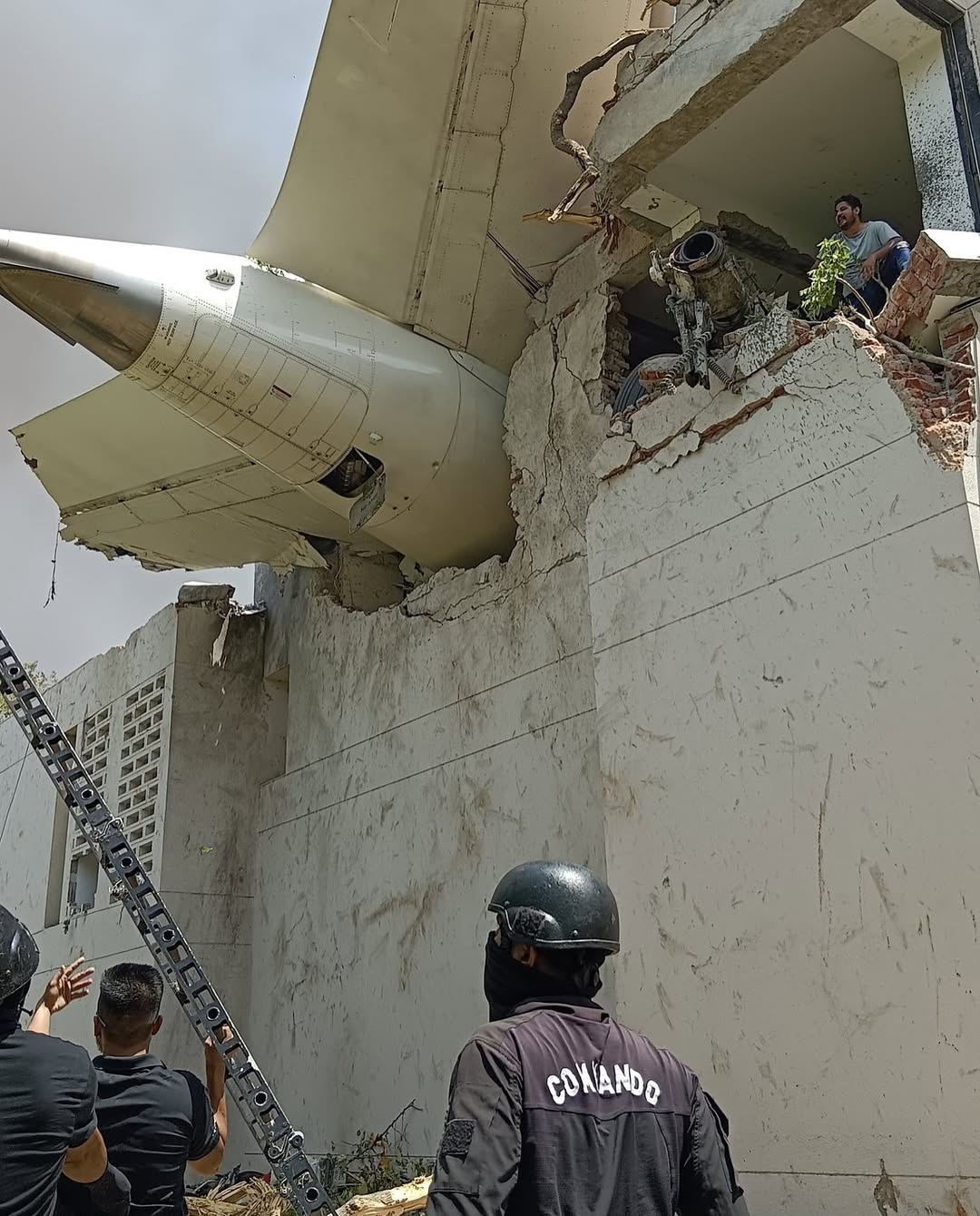
Foundation for Aviation Safety (FAS), led by former Boeing executive Ed Pierson, has submitted a report to the US Senate’s Permanent Subcommittee on Investigations alleging the Air India aircraft that later crashed in Ahmedabad had recurring technical failures across its 11-year operational life.
FAS’s core argument is direct. The aircraft’s maintenance and fault history, as described in the group’s submission, should be treated as a safety signal rather than background noise.
That framing matters because the June 12, 2025 disaster has already produced a contested early narrative, and because Boeing 787 operations span many regulators and oversight cultures.
Public confidence often hinges on what gets disclosed, when, and by whom. Safety investigations can limit what is released early for valid reasons, yet FAS says the balance has tilted too far toward non-disclosure.
2) Documented technical problems across the aircraft’s service life
February 1, 2014 is the date FAS identifies as the start of the pattern. That was the aircraft’s first day in service with Air India.
FAS says failures began immediately and continued for years. Several of the cited issues fall into a common bucket: electrical reliability and the knock-on effects of faults that can cascade across systems.
FAS points to repeated tripping of circuit breakers, wiring damage and short circuits, and episodes described as electrical power loss and overheating involving power distribution components.
Electronics and software faults also appear in the record FAS references. Smoke and fumes are included as well.
Those events do not automatically prove a causal path to a later crash. Still, the mix and recurrence are central to the group’s warning about risk tolerance, dispatch decisions, and whether underlying design or quality issues could appear across other aircraft.
Table 1: Documented issues and incidents
| Category | Incident / Issue | Date / Range | Status / Outcome |
|---|---|---|---|
| In-service reliability | Failures reported from first day of service | February 1, 2014 onward | FAS alleges persistence across 11-year operational life |
| Electrical protection | Repeated tripping of circuit breakers | 2014–2025 | Reported as recurring issue in FAS submission |
| Wiring integrity | Wiring damage and short circuits | 2014–2025 | Reported as recurring issue in FAS submission |
| Power distribution | Electrical power loss and overheating of power distribution components | 2014–2025 | Reported as recurring issue in FAS submission |
| Avionics | Electronics/software faults | 2014–2025 | Reported as recurring issue in FAS submission |
| Cabin safety | Smoke and fumes | 2014–2025 | Reported as recurring issue in FAS submission |
| Major event | Fire in P100 primary power distribution panel during descent into Frankfurt | January 2022 | Entire P100 panel replaced after severe damage |
| Landing gear systems | Grounding tied to landing gear indication system faults | April 2022 | Components replaced; aircraft returned after corrective actions |
3) Notable incidents cited by FAS
January 2022 stands out in the FAS account because it involves fire, warnings, and component replacement. During descent into Frankfurt, a fire broke out in the P100 primary power distribution panel.
Pilots reportedly received fault alerts. FAS says damage was severe enough that the entire panel had to be replaced.
The P100 primary power distribution panel is described as one of five units that distribute high-voltage electricity generated by the engines across the aircraft. Any event involving heat damage or fire in that pathway raises hard questions for investigators and regulators, especially when paired with a longer timeline of electrical issues.
April 2022 brought another operational interruption. FAS says the aircraft was grounded due to landing gear indication system faults.
Afterward, components were replaced, including a proximity sensing data concentrator module and a remote power distribution unit. That pairing matters because it blends landing gear sensing with power distribution hardware, two areas that can interact through fault detection and system messaging.
4) Broader fleet concerns and systemic implications
Ed Pierson and FAS argue the Ahmedabad aircraft should not be viewed in isolation. The group cites approximately 2,000 failure reports involving other 787s in the US, Canada, and Australia.
Geography is a key part of the claim. If similar failure types appear under different regulators, maintenance programs, and operating environments, FAS contends the pattern points to systemic vulnerabilities in the global 787 fleet rather than a local issue at one carrier.
Such a claim does not establish a defect across every aircraft. It does, however, sharpen the debate around how quickly safety data is shared and how much detail becomes public.
Large fleets often generate large numbers of reports. The question is what those reports show when grouped by failure mode, severity, and recurrence.
5) Investigation context and preliminary findings
June 12, 2025 is the crash date cited in the ongoing inquiry into the Ahmedabad disaster, with 260-270 fatalities reported. India’s Aircraft Accident Investigation Bureau (AAIB) is leading the investigation with US participation.
A preliminary AAIB report sparked controversy by suggesting pilot error. The report cited confusion over fuel control switches being moved to an off/cut-off position shortly after takeoff, with cockpit voice recordings indicating confusion between pilots over who moved the switches.
Early findings can guide safety actions. They can also shift as investigators test hypotheses against flight data, maintenance history, and component examination results.
In major accidents, the first public narrative can harden quickly, even when technical work is still underway.
Table 2: Investigation context
| Event | Date | Entity | Key Finding |
|---|---|---|---|
| Ahmedabad crash | June 12, 2025 | AAIB | 260-270 fatalities reported; investigation opened |
| Investigative leadership | June 2025 onward | India’s Aircraft Accident Investigation Bureau (AAIB) | AAIB lead with US participation |
| Preliminary report | 2025 | AAIB | Suggested pilot error; fuel control switches moved to off/cut-off; confusion indicated in recordings |
✅ Readers should note ongoing investigation status and the difference between preliminary findings and final conclusions.
6) FAS critique of transparency and data disclosure
Pressure for disclosure is now part of the safety debate around the Ahmedabad crash. FAS accuses Boeing, Air India, and Indian government employees of withholding critical safety information, and says essential technical data needed to understand the true sequence of events has not been disclosed.
Those allegations go beyond a dispute about timing. They also touch on public trust in how safety information is shared across borders.
In many investigations, some material is restricted to protect witness candor, preserve evidence integrity, or comply with procedural rules. Even so, FAS argues that too much remains out of view to evaluate whether mechanical history, operational decisions, and human factors were weighed fairly.
⚠️ Transparency concerns and data disclosure criticisms from FAS about Boeing, Air India, and Indian authorities
If the dispute continues, it may affect more than one crash inquiry. International aviation relies on cooperation among regulators, manufacturers, and operators.
When a prominent case produces claims of concealment, lawmakers and oversight bodies may seek tighter disclosure standards or more formal cross-border data-sharing expectations, even while an AAIB-led investigation is still active.
This article discusses ongoing safety investigations and regulatory concerns. Readers should note that preliminary findings may change as investigations continue.
Live Government Data
State Dept • CBPBusiest Border Crossings
- El Paso 70 min
- El Paso 65 min
- Otay Mesa 60 min