- Brian José Morales García returned to Texas after attorneys reached an agreement during his ongoing federal lawsuit.
- He was stopped in Gillespie County on April 3, 2026, detained four days, then deported to Mexico.
- His lawyers submitted Colorado birth records and witness affidavits to support his U.S. citizenship claim.
Brian José Morales García has returned to Texas after attorneys secured an agreement allowing him back while his federal lawsuit continues, following his removal to Mexico after an April traffic stop. His lawyers say they gave the Department of Justice additional records supporting his claim that he is a U.S. citizen.
The 25-year-old Central Texas man was stopped while heading to work on April 3, 2026. The encounter took place in Gillespie County near Fredericksburg. Authorities held him for four days before deporting him to Mexico.
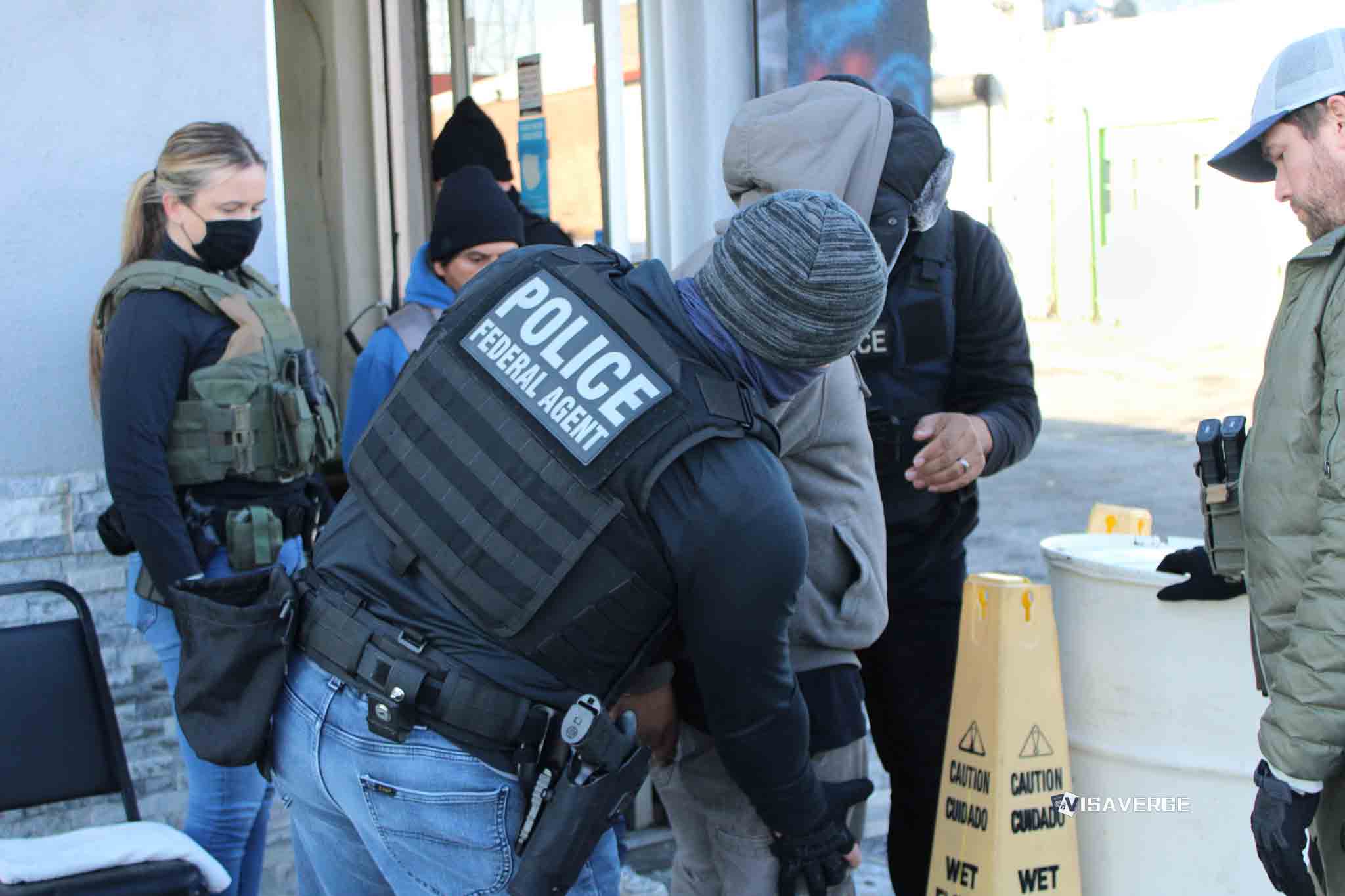
Morales García repeatedly told authorities he was an American citizen, but officials did not accept that claim during the detention. His attorneys say he presented citizenship evidence before his removal.
His return was reported on August 31, 2026 and September 1, 2026. The federal case remains active.
Dicky Grigg, a co-counsel for Morales García, said the legal team would now pursue claims against the officer and government entities involved.
“Now that he's back in the country, our next step is to hold the officer, state and federal responsible for their conduct because nothing is going to change unless ICE and DPS realize, when they abuse somebody or a U.S. citizen, there's a price to pay.”
The lawsuit grew out of the traffic stop and the subsequent detention and removal. Reported agencies involved included the Texas Department of Public Safety, the Webb County Sheriff’s Office and U.S. Border Patrol.
The citizenship dispute began with a roadside stop
The case centers on whether officials properly evaluated Morales García’s repeated assertion that he was a U.S. citizen. His legal team says the government later received more documentation before agreeing to his return during the litigation.
Kate Lincoln-Goldfinch, an attorney for Morales García, said he had asserted his citizenship from the beginning. She said the team gathered further proof to support that position.
The evidence described by his lawyers includes a certified Colorado birth certificate, hospital records, baptismal records and affidavits from witnesses. The records were submitted to the Department of Justice as the attorneys sought his return.
The agencies’ roles are now part of the broader dispute. The Texas Department of Public Safety and the Webb County Sheriff’s Office were identified in accounts of the stop and detention, while U.S. Border Patrol was also reported as involved.
His legal team assembled records from Colorado and witnesses
The documents form the basis of the citizenship claim advanced in the federal case. They also underpinned the agreement that permitted Morales García to come back to the United States while the lawsuit proceeds.
The evidence is not a final judicial finding. A court has not issued a final ruling on the lawsuit’s merits.
A U.S. Customs and Border Protection spokesperson previously said the agency did not arrest a U.S. citizen. That statement differs from the position taken by Morales García’s attorneys, who say the detention and deportation involved a U.S. citizen.
The dispute therefore includes both the underlying citizenship question and the conduct of the officials who handled the stop, detention and removal. Grigg said the legal team would pursue accountability for the agencies and officers involved.
The federal case remains open after the return
The litigation is framed as a federal civil rights and detention challenge. Its current procedural development is the agreement permitting Morales García’s return, not a decision resolving the parties’ competing positions.
His attorneys said they intend to continue the case. They also said the agencies and officers involved should face accountability for what occurred.
The later reporting placed his time in Mexico at about four months. The agreement brought him back while the federal proceedings continue, leaving the factual and legal disputes for further litigation.
This article provides general information and is not legal advice. Consult a qualified immigration attorney about your specific case.