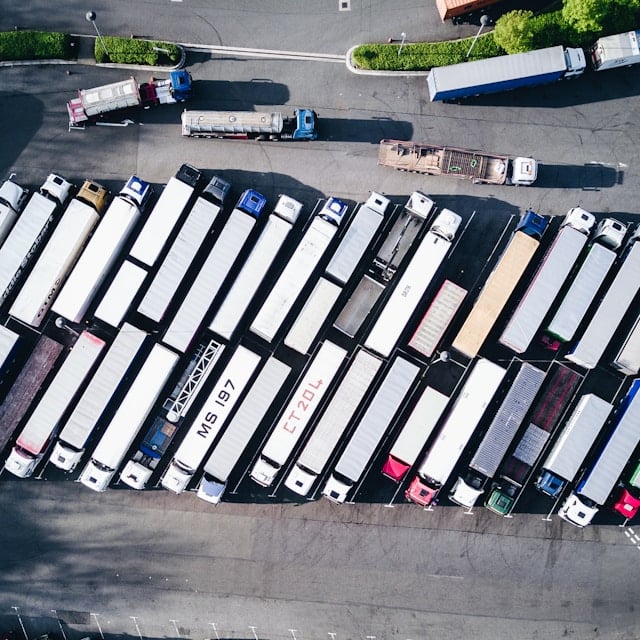
- Representative Mike Kelly renewed support for Dalilah Law to restrict commercial licenses based on immigration status.
- The bill proposes English-only CDL testing and stricter status verification tied to federal transportation funding.
- Impacted groups could include asylum seekers and refugees who no longer meet specific narrow eligibility categories.
Rep. Mike Kelly renewed support August 13, 2026, for the proposed Dalilah Law, which would pressure states to limit commercial driver’s licenses to U.S. citizens, lawful permanent residents, and certain temporary work visa holders. The condition would attach to Department of Transportation funding.
Kelly said the measure would also address licenses issued to drivers who lack qualifying legal status. The proposal is not yet law.
Its supporters want states to withdraw some existing CDLs. That could include licenses held by people who previously had work authorization but no longer meet the bill’s eligibility rules.
Descriptions of the proposal vary. Some versions reach undocumented immigrants, while others also cover foreign nationals with temporary visas that fall outside the bill’s narrow categories.
The measure would impose more than an eligibility screen. It is described as requiring English-only CDL testing, stronger immigration-status verification, and recurring recertification.
The proposal also would use money as an enforcement tool. States that do not comply could face increased federal funding penalties.
The proposal would add new pressure on states
The potential requirements cover several stages of commercial licensing and enforcement:
| Area | Proposed requirement |
|---|---|
| Issuance | Tie state CDL eligibility to federal transportation funding conditions |
| Testing | Require English proficiency during CDL testing and possibly roadside enforcement |
| Existing licenses | Audit or revoke improperly issued non-domiciled CDLs |
| Compliance | Penalize states financially for failing to follow the rules |
Kelly’s August 13 statement framed the plan as a highway-safety measure and a way to close licensing loopholes. The proposal’s funding structure could also prompt disputes over the balance between federal transportation authority and state licensing power.
A federal rule already changed the backdrop. The USDOT/FMCSA measure dated February 13, 2026, narrowed eligibility for non-domiciled CDLs, added immigration-status checks, and took effect March 16, 2026.
That rule generally limits foreign-domiciled eligibility to E-2, H-2A, and H-2B status. Canadian and Mexican drivers receive different treatment under existing reciprocity arrangements.
The eligibility fight reaches beyond undocumented drivers
Some 2026 descriptions of the broader federal restrictions identify refugees, asylum seekers, and DACA recipients as potentially affected groups. Those categories include people who are not undocumented.
The distinction could matter in individual cases. A person’s immigration category, work authorization history, and CDL status may each affect how the rules apply.
The proposed measure is sometimes described as the CDL equivalent of the Laken Riley Act. Its stated target, however, can extend beyond undocumented drivers to certain foreign nationals who do not satisfy the proposed eligibility limits.
If enacted, the funding condition could lead states to review records, verify status, and recertify licenses. It could also create administrative-law and federalism challenges if states contest the federal penalties.
The proposal remains a measure under consideration, not an enacted nationwide prohibition. Its eventual reach would depend on the legislation Congress approves and how agencies implement it.
This article provides general information and is not legal advice. Consult a qualified immigration attorney about your specific case.




_bans_Uber_Black_driver_9c40ad3e.jpg "Uber car with rooftop sign on city street at night.")