- A class action lawsuit seeks to halt warrantless immigration arrests by ICE and CBP across Ohio.
- The legal challenge targets arrests made without individualized probable cause or escape-risk assessments since April 2025.
- Plaintiffs demand permanent injunctions and expungement of records for those affected by allegedly illegal detentions.
(Ohio) — A newly filed class action lawsuit in federal court seeks to curb alleged warrantless arrests by immigration agents in Ohio, and the case could affect people arrested since April 22, 2025.
On March 18, 2026, the ACLU of Ohio and allied organizations filed Aguilar Peralta, et al. v. DHS, et al., No. 2:26-cv-337-SDM-CMV (S.D. Ohio filed Mar. 18, 2026), in the U.S. District Court for the Southern District of Ohio. The defendants are the Department of Homeland Security, U.S. Immigration and Customs Enforcement, and U.S. Customs and Border Protection. At this stage, the complaint sets out allegations and requested remedies. It does not reflect court findings.

That posture matters. A complaint begins a case, but it does not prove the facts. Readers should view the filing as a legal challenge to current enforcement practices, not as a final ruling on what federal officers may or may not do.
Who the Lawsuit Says It Covers
The proposed class, according to the complaint, includes people arrested in Ohio since April 22, 2025, for alleged immigration violations without a warrant and without an individualized assessment of whether they were likely to escape before a warrant could be obtained. The legal standard at the center of the case comes from federal immigration law and regulations that generally require probable cause for a warrantless immigration arrest, plus case-specific reasons showing a warrant could not first be secured. See INA § 287(a)(2); 8 C.F.R. § 287.8(c)(2)(i).
Warning: If you believe you may fall within the proposed class, do not assume you are automatically covered. Class certification has not been reported, and the court has not yet ruled on the claims.
The class definition matters because it frames who may benefit if the plaintiffs later win class certification and obtain relief. In broad terms, the lawsuit says it speaks for people arrested in Ohio during the stated period under circumstances where officers allegedly lacked both individualized probable cause and a specific escape-risk determination.
Allegations About How the Arrests Were Carried Out
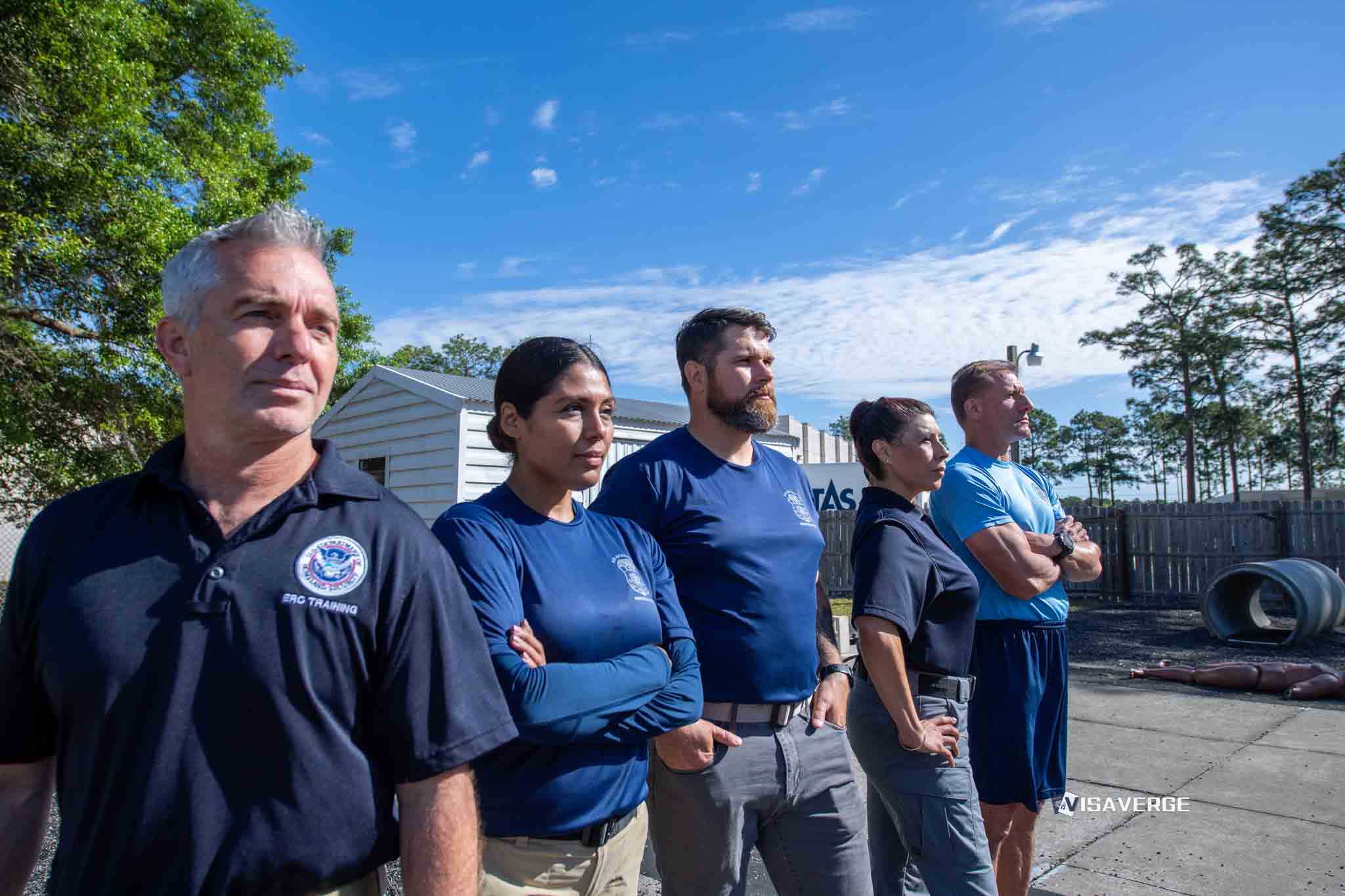
The complaint also raises serious factual allegations about how arrests were carried out. Plaintiffs say some arrests involved plain-clothed, masked, armed agents. They also allege that agents relied on appearance or speech in deciding whom to stop.
According to the complaint, many of those targeted were non-criminal immigrants with jobs, families, and long-standing community ties. The filing places those allegations in the larger context of a reported Trump administration goal of 3,000 immigration arrests per day nationwide. Those assertions remain allegations unless established through litigation.
The Sandusky Example
One example in the complaint is a Sandusky Walmart parking lot arrest on April 22, 2025. Plaintiffs allege the man was arrested without being shown a warrant and without questions about his ties to the community or his likelihood of flight. The complaint further states that, as of filing, 670 immigrants were being held in Ohio detention facilities, and it asserts that many lacked criminal records or arrest warrants.
Individual examples often carry weight in civil-rights cases because they give the court a concrete way to test a broader policy claim. Here, the Sandusky incident is used to support the plaintiffs’ theory that officers may have bypassed the individualized findings that federal rules require before a warrantless immigration arrest.
What the Plaintiffs Want the Court to Order
The relief sought is sweeping. Plaintiffs ask for a permanent injunction barring warrantless arrests unless officers first make individualized probable-cause and escape-risk determinations. They also ask the court to require written documentation of the facts said to justify each warrantless arrest. In addition, they seek expungement of records tied to arrests they contend were unlawful.
If granted, those remedies could change day-to-day enforcement practices in Ohio. A written-justification rule, for example, may create a clearer record for later court review. An injunction may also limit arrests based on generalized assumptions rather than facts tied to a specific person. Expungement, if ordered, could matter for people whose records may affect detention, bond, or later immigration filings.
Status note: As of March 26, 2026, no rulings or case updates were reported. There is no reported injunction, class certification order, or merits decision.
Public Statements and Related Litigation
Public statements from lead counsel frame the suit as both a legal and community-stability challenge. Freda Levenson of the ACLU of Ohio said the administration is using ICE against law-abiding Ohioans with jobs, families, and no criminal record. Lead counsel John Marshall called the alleged arrests illegal and morally reprehensible. Amy Gilbert said the practices described in the complaint have spread fear and destabilized in Ohio communities.
Those statements are advocacy, but they also explain the public-interest purpose behind the suit: to put clearer limits on immigration enforcement.
The legal team reportedly includes 14 lawyers from Marshall, Forman and Schlein, the ACLU Foundation of Ohio, Advocates for Basic Legal Equality, The Gittes Law Group, and Community Refugee and Immigration Services. A related case in Minnesota, Hussen v. Noem, reportedly raises parallel allegations involving warrantless arrests and profiling. Still, related litigation does not control the Ohio case. Outcomes may differ by record, judge, and circuit law.
There do not appear to be any transition rules or grandfather provisions at this point because no court order has changed enforcement standards yet. Until a judge issues relief, current federal arrest authorities and regulations remain in place.
What affected people should do now: Preserve arrest paperwork, bond papers, notices to appear, medical records, and witness names. People with pending proceedings should speak with a qualified immigration attorney as soon as possible.
For now, the most practical timeline is immediate: affected individuals should gather records now, monitor the Southern District of Ohio docket, and seek legal advice before assuming the suit changes their case.
Resources
- AILA Lawyer Referral
- EOIR: justice.gov/eoir
- USCIS: uscis.gov
⚖️ Legal Disclaimer: This article provides general information about immigration law and is not legal advice. Immigration cases are highly fact-specific, and laws vary by jurisdiction. Consult a qualified immigration attorney for advice about your specific situation.