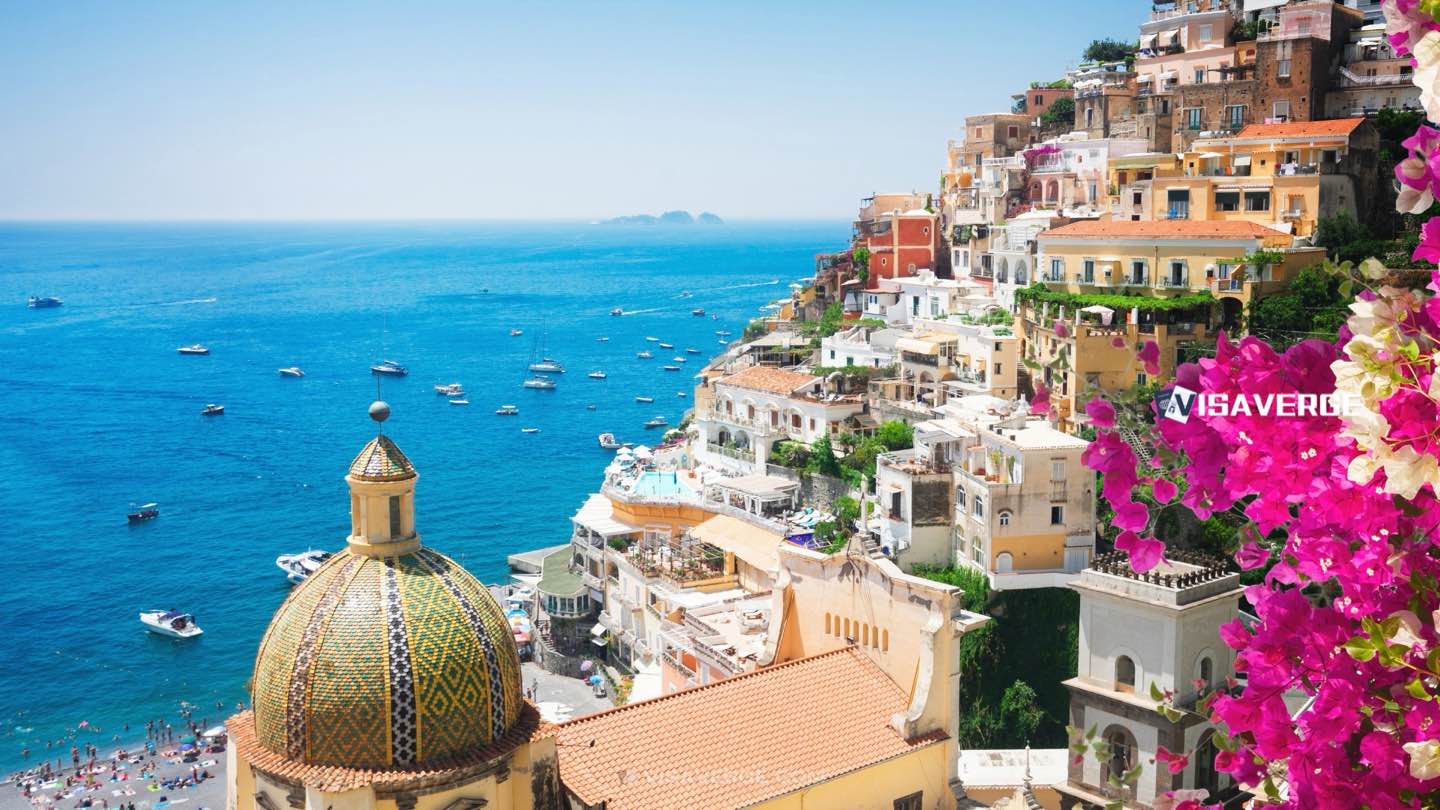
- Italy excludes residential real estate purchases from its investor visa program, focusing on productive economic assets.
- The minimum investment starts at two hundred fifty thousand euros specifically for registered innovative startups.
- New tax laws for twenty twenty-six raised the flat tax on foreign income to three hundred thousand euros.
Italy requires non-EU applicants to place at least €250,000 into an Italian innovative startup to qualify for its investor visa. Buying a home, apartment or villa does not meet the program’s investment rules.
The Investor Visa for Italy Committee administers the scheme under the Ministry of Enterprises and Made in Italy. The ministry’s portal describes it as “a 2-year visa for non-EU citizens who choose to invest in strategic assets for Italy's economy and society.”
Applicants must select one qualifying route. They cannot combine smaller amounts across categories.
Free toolCSPA Age-Out Calculator OnlineThe lowest threshold applies to a company listed on the official Ministry of Enterprises and Made in Italy registry for innovative startups. The other options require larger sums or a qualifying donation.
Property is outside the program. The official portal says the exclusion is intended to “direct capital into productive sectors of the economy rather than housing speculation.”
The rules also affect the cost of living in Italy after approval. A separate tax change took effect on January 1, 2026.
Four investment routes set the entry thresholds
| Route | Required amount | Main condition |
|---|---|---|
| Innovative startup | €250,000 | Investment in a company on the official registry |
| Italian company | €500,000 | Investment in a Società di Capitali |
| Philanthropic initiative | €1,000,000 | Project involving culture, education, research or heritage |
| Government bonds | €2,000,000 | Italian Treasury securities such as BTP, CCT or CTZ |
The ministry portal presents these as the program’s four qualifying categories. A home purchase does not substitute for any of them.
The company route has two levels. An investment of €250,000 must target an eligible innovative startup, while €500,000 applies to an Italian capital company, or Società di Capitali.
The donation route requires €1,000,000. It must support a project in culture, education, research or heritage.
The highest threshold is €2,000,000 in Italian state debt. Eligible examples include BTP, CCT and CTZ securities.
Approval comes before the investment
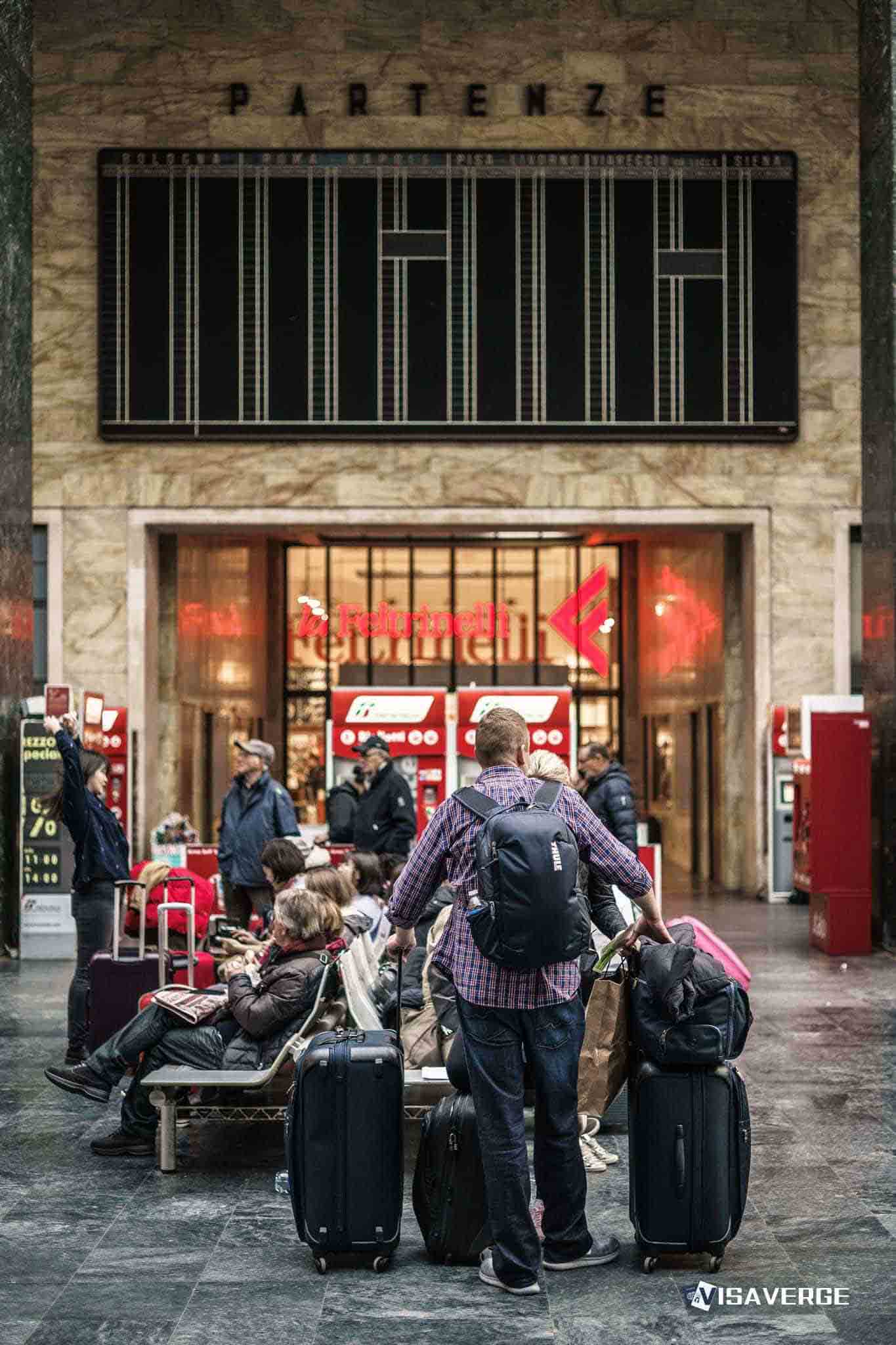
Italy uses an approval-first process. An applicant first seeks a Nulla Osta, or certificate of no impediment, and transfers the capital only after the visa receives approval.
Processing times for the certificate stood at 25 to 35 days in July 2026. The program’s entry-visa stage also requires an in-person biometric appointment at an Italian consulate.
That biometric rule has applied since early 2025. It ended the fully remote process for obtaining the entry visa.
The committee includes representatives from the Ministry of Enterprises and Made in Italy, the Ministry of Foreign Affairs, the Ministry of the Interior and the Bank of Italy.
Minister Adolfo Urso, who oversees the ministry, described the policy direction at FORUM PA 2026 on June 23, 2026. He said the government was pursuing “technological innovation and the competitiveness of Italian companies.”
The tax bill now exceeds the minimum investment
The 2026 Italian Budget Law, Law No. 199/2025, raised the substitute tax on foreign-source income for new residents to €300,000 per year. The change took effect January 1, 2026, increasing the annual charge from €200,000.
Family members bring an additional tax cost. The amount is now €50,000 per person, compared with €25,000 in previous years.
Marco Mesina, a legal expert in Italian residence, linked the higher charge to a more exclusive market position. He said on January 1, 2026:
“The higher entry cost serves to reinforce the exclusivity of the regime. Italy has chosen to compete at the top end of the market alongside Switzerland and Monaco.”
The €250,000 startup route therefore represents only the capital threshold. Applicants considering residence must also account for the annual substitute tax and the added amount for eligible family members.
Some nationalities remain suspended
The program remains suspended for Russian and Belarusian citizens as of July 15, 2026. The suspension followed orders first issued in July 2023 and reaffirmed in March 2024.
Those measures comply with EU Recommendation C(2022) 2028. The restriction applies despite the availability of the four investment categories to other eligible applicants.
Italy’s policy separates residence investment from property ownership. The program directs qualifying capital toward startups, companies, charitable projects and state securities instead of residential real estate.
The ministry’s stated objective is economic investment. Its published description frames the visa around assets considered strategic for Italy’s economy and society.
The current rules leave the startup route as the lowest-cost path, but the tax changes have raised the continuing financial commitment. The approval process still begins with the Nulla Osta, before the applicant moves the investment capital.
As of July 15, 2026, the ministry’s four thresholds remain €250,000, €500,000, €1,000,000 and €2,000,000, with no property option among them.