Key Takeaways
- USCIS mandated immediate use of the updated Form N-400, effective January 20, 2025, without a transitional grace period.
- Key changes include removal of the “Another Gender Identity” option and reintroduction of the term “alien” throughout the form.
- Applications using older forms will face rejection; all pages must match the January 20, 2025, version from the USCIS website.
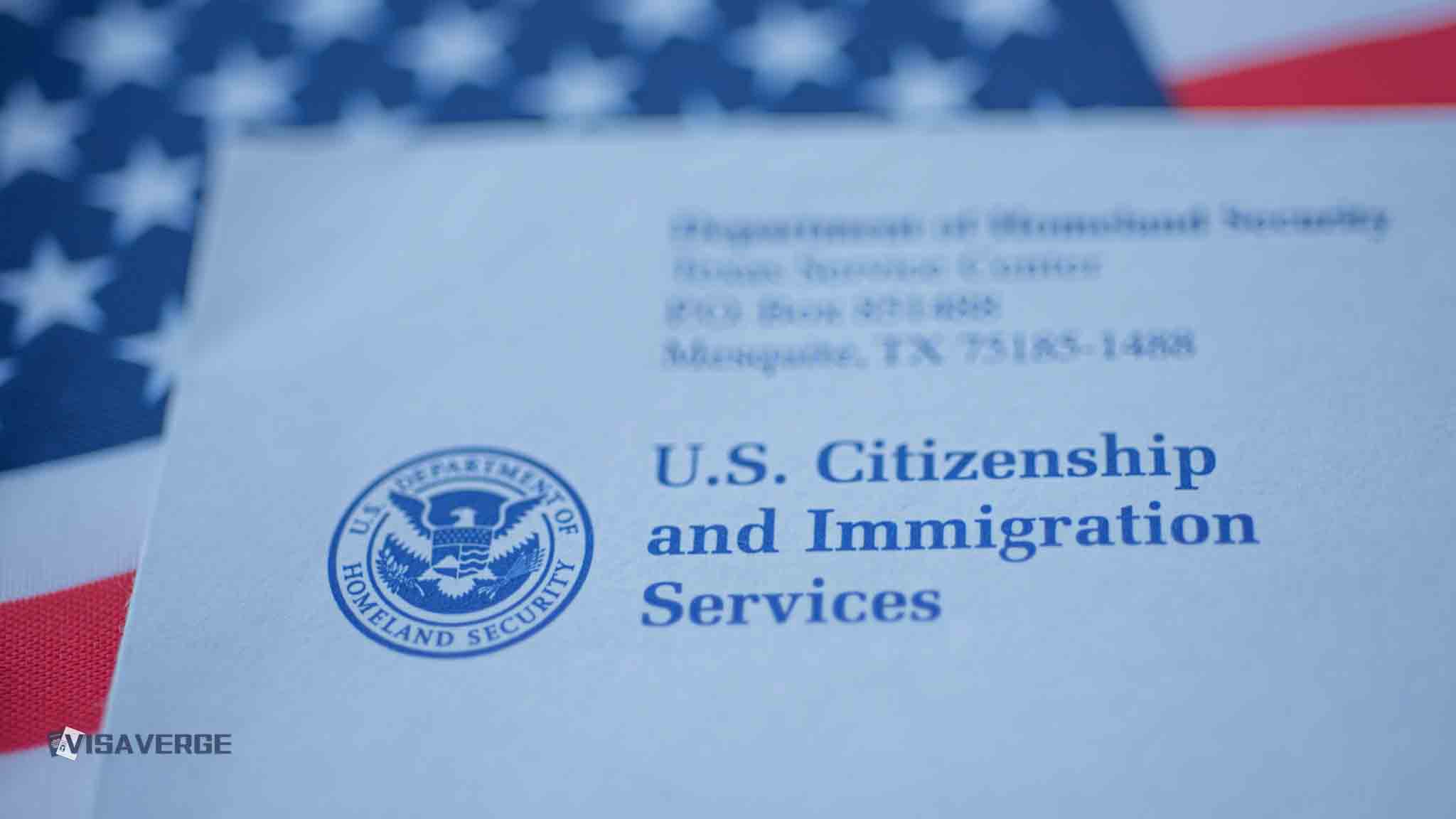
On March 4, 2025, the United States Citizenship and Immigration Service (USCIS) introduced a new version of Form N-400, the Application for Naturalization. This updated version came into effect immediately without a grace period, creating substantial concerns for applicants and legal professionals. A grace period, which has traditionally allowed applicants to adjust to form changes, was notably absent this time, leading to confusion, potential delays, and rejections for those who used outdated forms.
What Changed in the New Form N-400?

The changes in this new version of Form N-400, dated January 20, 2025, stand out for their scope and implications. Among the most notable adjustments is a shift in the options provided for gender identity. In previous editions, applicants had the option to select “Female,” “Male,” or “Another Gender Identity” to reflect varying gender identities. However, the updated form restricts these options to just “Female” and “Male,” effectively removing the “Another Gender Identity” choice. This change aligns with specific executive orders mandating the use of only binary gender descriptors in federal government documents. Such a policy alteration has sparked discussions regarding the inclusivity and fairness of the new form.
Another significant change involves the language used in the form itself. Whereas previous editions described individuals as “foreign nationals” or “noncitizens,” this latest version has reinstated the term “alien” across several sections, including questions about public charge standards and military service exemptions. The term “alien,” which has historically been associated with U.S. immigration law, had been replaced in recent years with less divisive terminology. Its reintroduction in the January 2025 edition marks a notable policy shift.
No Grace Period: A Shift in USCIS Practices
In the past, USCIS has typically provided applicants with a grace period following updates to its application forms. This period allowed individuals who had completed and submitted older versions to have their application processed without rejection. However, with this version of Form N-400, there is no such transitional allowance. USCIS has instead warned applicants explicitly that older versions will not be accepted. This means applications mailed using previous editions—even if they were already in transit—will face rejection.
The USCIS website now contains clear and specific guidance on how applicants can ensure compliance with this updated requirement. USCIS emphasizes the following:
- Applicants must check the edition date at the bottom of every page of Form N-400 to confirm it matches the current form version.
- All pages of the form must be from the same edition, set to the January 20, 2025, version.
- The updated version of Form N-400 should be downloaded directly from the USCIS website to avoid using outdated files.
- Instructions must be read carefully to ensure proper completion of the form.
- All required supporting documents must be included to avoid processing delays.
Potential Challenges for Applicants
The decision to remove the grace period and require immediate compliance with the new Form N-400 creates significant hurdles for applicants and their representatives. Several real-world impacts include:
- Risk of Rejection: Applications submitted using older editions will be rejected outright, leading to delays in the naturalization process. Rejection increases financial burdens, as re-filing fees must be paid anew.
- Increased Processing Scrutiny: USCIS officers are expected to scrutinize applications more closely, focusing on form submissions’ accuracy and adherence to the latest requirements. This could extend processing times for applicants.
- Confusion Among Applicants: With no transitional phase, many applicants are left uncertain about the acceptability of forms they may have submitted shortly before the implementation date.
- Pressure on Legal Representatives: Immigration attorneys now face tighter timelines to advise clients and prepare accurate applications. Even minor mistakes could lead to rejection.
Broader Implications
For some, the removal of the “Another Gender Identity” option has caused concern that the policy might exclude or alienate individuals whose gender identities do not fit into the binary “Female” or “Male” categories. Advocacy groups have voiced concerns about what they see as a step backward in recognizing the diversity of applicants. Beyond personal frustrations, this change could deter some applicants from pursuing naturalization if they feel the government does not reflect their identities accurately.
The reintroduction of the term “alien,” while consistent with long-standing immigration terminology, has also faced criticism. Critics argue that this term may create a sense of detachment or stigmatization. Its prior replacement with terms like “noncitizen” had been seen as a move toward a more neutral descriptor.
Current Trends in USCIS Operations
Despite these updates, naturalization trends remain high. USCIS reported that in fiscal year 2024, 818,500 individuals became U.S. citizens through naturalization, reflecting a decrease of 7% from 2023 but maintaining a 12% increase from the pre-pandemic annual average of 730,100. These numbers show a high level of engagement with the naturalization process, even amid administrative and policy changes.
Additionally, USCIS has introduced separate updates to its policy manual, addressing other aspects of naturalization and immigration:
- Adjustments Related to Refugees and Asylees: Clarifications on the one-year physical presence requirement for adjustment of status applications.
- Continuous Presence Rules: Revised guidance on physical and residency requirements for those working in qualifying religious vocations outside the U.S.
- Special Provisions for Armed Forces Applicants: Detailed rules for service members applying under INA sections 328 and 329.
These broader updates, while significant, underscore the importance of staying informed about each aspect of the immigration system.
Impact on Immigration Attorneys and Stakeholders
The new edition of Form N-400 presents additional challenges for immigration attorneys who must navigate the updated requirements on behalf of their clients. These legal professionals are tasked with guiding applicants through more stringent expectations regarding form submission and ensuring the correct versions are utilized to avoid concerns over rejection.
Attorneys also need to balance this immediate compliance requirement with ongoing policy updates by USCIS, ensuring clients are not only submitting acceptable forms but also accounting for other simultaneous policy changes, such as those affecting armed service members or overseas workers.
Recommendations for Applicants
To avoid disruptions, applicants must take proactive steps to comply with the new rules:
- Always download the most recent forms directly from the USCIS website to ensure they are using the correct edition.
- Thoroughly review the instructions provided before completing any forms. Even a slight misstep in form completion can lead to significant delays.
- Reconfirm that every page of Form N-400 matches the current edition and contains no inconsistencies.
- Check with legal professionals, if needed, to ensure compliance with all filing requirements and supporting documentation.
For those who are uncertain about changed policies, accessing resources provided on VisaVerge.com or other reputable immigration platforms can provide clarity.
Broader Considerations for Immigration Policy
The decision to enact immediate changes to Form N-400, without a grace period and with less inclusive gender categories, reflects broader policy priorities under the current administration. While some may view this as an attempt to streamline or return to previous terminology and classifications, others see it as a step away from fostering inclusivity and diversity within the immigration process.
The broader reaction to these changes, especially regarding naturalization rates and applicant diversity, will become more evident in future fiscal years. How potential applicants respond to a less inclusive application process remains a critical issue.
Conclusion
The updated Form N-400, effective January 20, 2025, introduces significant changes to the naturalization process with immediate compliance requirements. From the elimination of the “Another Gender Identity” category to the return of the “alien” label, these shifts hold notable implications for applicants, legal professionals, and advocacy groups alike.
Given the heightened risk of rejection and increased scrutiny, applicants and their representatives must fully understand USCIS’s updated requirements and act to avoid delays. As the changes take root, real-time awareness of USCIS policies and careful form preparation will prove crucial for those pursuing U.S. citizenship. Applicants are strongly advised to seek advice from qualified immigration attorneys or refer to resources on the USCIS website to ensure full compliance with these changes.
Learn Today
Naturalization → The legal process through which a non-U.S. citizen becomes a U.S. citizen by meeting specific requirements.
Grace Period → A transitional time allowing older processes or documents to remain valid before updated requirements fully apply.
Form N-400 → The official U.S. Citizenship and Immigration Services application form for individuals seeking U.S. naturalization.
Public Charge → A term in immigration law referring to a noncitizen who relies primarily on government assistance for financial support.
Continuous Presence → A requirement for maintaining consistent physical presence in the U.S. for eligibility to certain immigration benefits.
This Article in a Nutshell
USCIS’s 2025 Form N-400 update brings immediate challenges—no grace period, binary-only gender options, and the divisive term “alien.” Applicants risk rejections with outdated forms, intensifying pressure on legal advisors. Inclusivity concerns arise, sparking debate. Stay informed, use updated forms, and seek legal guidance to navigate this significant naturalization policy shift effectively.
— By VisaVerge.com
Read more:
• H-1B Visa Rules Tighten as Lottery Applications Begin
• Florida Cabinet Addresses Wildlife, Business Policies, and Immigration Rules
• American Airlines May Redefine Carry-On Rules for Travelers
• New Border Rules Bring Changes for Canadian Snowbirds Heading South
• H1B Visa Rules for Remote Work See Changes in 2025