Key Takeaways
• Federal agents violently detained Narciso Barranco on June 21, 2025, causing a dislocated shoulder and public outrage.
• Barranco, father of three U.S. Marines, is applying for parole-in-place to avoid deportation risks.
• Community raised over $48,000 for Barranco’s legal defense amid protests calling for immigration policy reform.
A violent encounter between federal immigration agents and Narciso Barranco, a longtime resident of Santa Ana, has sparked anger, protests, and renewed debate about immigration enforcement in the United States ??. The incident, which took place on June 21, 2025, outside an IHOP restaurant, involved Barranco—a 48-year-old landscaper and father of three U.S. Marines—being forcefully detained by masked agents. The event was captured on video and quickly spread across social media, leading to public outcry and calls for policy reform.
What Happened: The Detention of Narciso Barranco
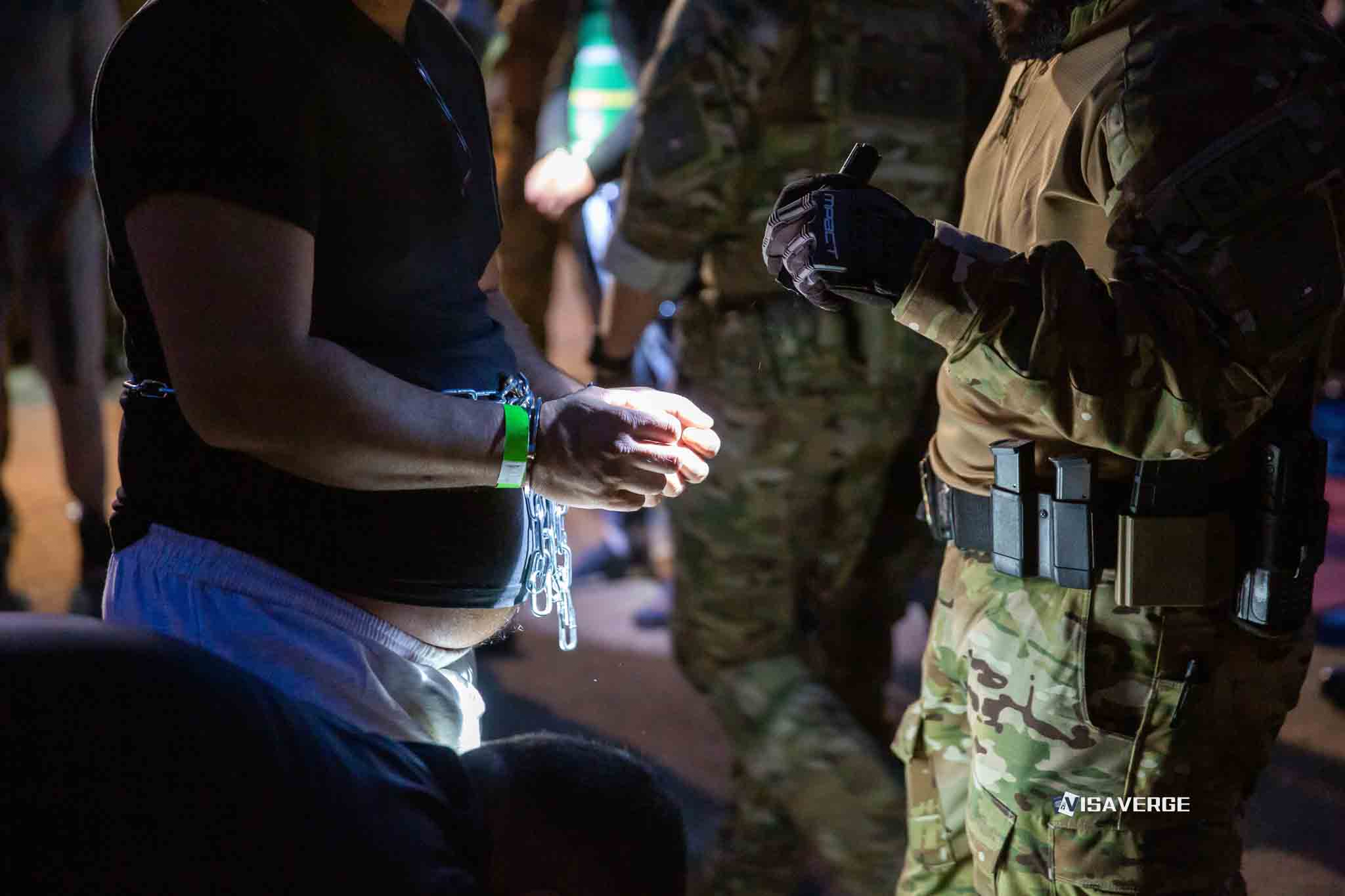
On the morning of June 21, 2025, Narciso Barranco was working outside an IHOP in Santa Ana when several masked federal immigration agents approached him. According to witnesses and video footage, at least four agents, each weighing over 200 pounds, pinned Barranco—who stands about 5’6″ and weighs around 150 pounds—to the ground. The agents repeatedly punched him and used pepper spray during the arrest. Despite being outnumbered and not resisting violently, Barranco suffered a dislocated shoulder.
Free toolUSCIS Receipt Number DecoderAfter the arrest, Barranco was taken to a detention facility in Los Angeles. Reports from his family and legal representatives state that he did not receive medical treatment, food, or water for more than 24 hours. The video of the incident quickly went viral, drawing attention from local residents, advocacy groups, and national media.
Immediate Public Response and Protests
The video of Narciso Barranco’s detention led to swift and strong reactions in Santa Ana. Dozens of people gathered to protest outside city buildings, demanding the removal of federal immigration agents from the area. Protesters held signs and chanted, calling attention to what they described as excessive force and unfair treatment of a nonviolent individual.
A GoFundMe campaign was started to help with Barranco’s legal defense. By the evening of June 22, the campaign had raised over $48,000, showing strong community support for Barranco and his family.
Family Ties: A Father of U.S. Marines
Narciso Barranco’s story is especially powerful because of his family’s deep ties to the U.S. military. He is the father of three sons who have served or are currently serving in the U.S. Marine Corps. His eldest son, Alejandro Barranco, is a Marine veteran who served in Afghanistan. Two younger sons are active-duty Marines stationed at Camp Pendleton.
Alejandro Barranco spoke out after the incident, expressing feelings of betrayal and disbelief. He described his father as a hardworking man with no criminal record who has lived in Orange County since the 1990s. Alejandro said, “I feel betrayed. My father was just working. He’s never been in trouble. He’s a good man.” The family’s story has resonated with many, especially other military families and immigrant communities.
Legal Status and Parole-in-Place
Narciso Barranco is reportedly in the process of applying for parole-in-place. This is a special immigration benefit that allows certain undocumented family members of active-duty military personnel to remain in the United States ?? without fear of deportation. Parole-in-place is meant to protect military families from being separated due to immigration status.
To apply for parole-in-place, eligible individuals must submit Form I-131, Application for Travel Document, to U.S. Citizenship and Immigration Services (USCIS). You can find the official form and instructions on the USCIS website. However, as Barranco’s case shows, not all enforcement agents may be aware of or properly apply these protections.
Official and Political Reactions
As of June 23, 2025, neither the Department of Homeland Security (DHS) nor Immigration and Customs Enforcement (ICE) had released public statements about the incident. The silence from federal agencies has only fueled more questions and frustration among community members.
U.S. Representative Lou Correa, who represents Santa Ana, condemned the detention. He called it “madness” and criticized current immigration policies as broken. Correa and other local officials have called for investigations and reforms to prevent similar incidents in the future.
Policy Questions: Enforcement and Military Families
The violent detention of Narciso Barranco has raised important questions about how immigration laws are enforced, especially when it comes to families with military ties. Parole-in-place policies are supposed to protect people like Barranco, but the incident suggests these protections may not always be applied or communicated clearly to agents in the field.
Some key concerns include:
- Inconsistent Application: Parole-in-place is not always recognized or respected by all agents, leading to confusion and wrongful detentions.
- Use of Force: The level of force used by federal immigration agents, especially in public and against nonviolent individuals, is under scrutiny.
- Community Trust: Incidents like this damage trust between immigrant communities and law enforcement, making it harder for agencies to do their jobs and for families to feel safe.
Background: Immigration Enforcement and Military Families
Over the past several years, the United States ?? has seen a rise in aggressive immigration enforcement tactics. Agencies like ICE and Customs and Border Protection (CBP) have increased their presence in communities, sometimes using military-style equipment and methods.
This approach has led to concerns about the blurring of lines between military and law enforcement roles. Laws like the Posse Comitatus Act are supposed to prevent the military from being used for domestic law enforcement, but the involvement of military families in immigration cases adds another layer of complexity.
Military families often face unique challenges when it comes to immigration. Many service members have close relatives who are undocumented. Policies like parole-in-place were created to address these situations, but as the Barranco case shows, gaps remain.
Legal and Human Rights Perspectives
Legal experts stress that everyone in the United States ??, regardless of immigration status, has certain rights under the Constitution. These include the right to due process and protection from excessive force. When federal immigration agents use violence against nonviolent individuals, it can violate these rights and lead to lawsuits or policy changes.
Advocates for immigrant rights say the Barranco case is not an isolated incident. They argue that the immigration system lacks transparency and oversight, putting vulnerable people at risk. They are calling for reforms to parole-in-place and other protections for military families.
Law enforcement officials, on the other hand, often point to the challenges of enforcing complex immigration laws while maintaining public safety. They argue that agents need better training and clearer guidelines to avoid incidents like this.
Community Impact and Broader Implications
The detention of Narciso Barranco has had a ripple effect in Santa Ana and beyond. For many, it highlights the fear and uncertainty that immigrant families live with every day. The fact that Barranco is the father of active-duty Marines has made the case especially emotional for military families and veterans.
The incident has also sparked a wider debate about the role of federal immigration agents in local communities. Some local leaders are calling for limits on federal enforcement activities in their cities, while others are pushing for more oversight and accountability.
According to analysis by VisaVerge.com, cases like Barranco’s often lead to increased community organizing and advocacy. Legal aid groups, faith organizations, and elected officials are stepping up to support affected families and push for policy changes.
What Happens Next? Investigations and Possible Changes
Because the video of the incident spread so quickly, there is growing pressure on DHS and ICE to investigate the actions of the agents involved. Community groups and lawmakers are demanding answers about why such force was used and whether agents followed proper procedures.
Possible next steps include:
- Internal Investigations: DHS and ICE may launch internal reviews to determine if agents violated policies or laws.
- Policy Reforms: Lawmakers could propose new rules to strengthen protections for military families and limit the use of force in immigration enforcement.
- Community Advocacy: Local groups will likely continue to organize protests, raise funds, and provide legal support for Barranco and others in similar situations.
Guidance for Families Facing Similar Situations
For families who find themselves in situations like Narciso Barranco’s, there are several important steps to take:
- Seek Legal Help: Contact an experienced immigration attorney as soon as possible. Legal aid organizations can help connect families with free or low-cost representation.
- Apply for Parole-in-Place: If you are a family member of an active-duty service member, you may be eligible for parole-in-place. Submit Form I-131 to USCIS and gather all required documents.
- Request Medical Care: If someone is detained and needs medical attention, make sure to request care in writing and notify legal representatives.
- Document Everything: Keep records of all interactions with federal immigration agents, including names, badge numbers, and details of the incident.
- Contact Elected Officials: Reach out to your local congressional office for help. Representatives like Lou Correa (D-Santa Ana) can provide assistance and advocate on your behalf.
- Engage Community Support: Connect with advocacy groups, faith organizations, and community leaders who can offer support and raise awareness.
Official Resources
For more information about immigration enforcement, parole-in-place, and legal rights, visit the U.S. Citizenship and Immigration Services (USCIS) official website.
Other helpful contacts include:
- Department of Homeland Security (DHS): Oversees ICE and CBP operations.
- Immigration and Customs Enforcement (ICE): Handles detention and removal operations.
- Legal Aid Organizations: Many groups offer free or low-cost legal help to immigrants and their families.
The Bigger Picture: Immigration, Military Families, and Civil Rights
The case of Narciso Barranco is more than just one man’s story. It highlights the real-life impact of immigration enforcement on families, especially those who have served or are serving in the U.S. military. The incident has brought attention to the need for clearer policies, better training for agents, and stronger protections for vulnerable groups.
As the debate continues, many are watching to see how federal agencies and lawmakers respond. Will there be real change, or will incidents like this continue? For now, the Barranco family and their supporters are hoping for justice and a safer, fairer system for all.
Action Steps for Readers
If you or someone you know is affected by immigration enforcement:
- Know Your Rights: Everyone in the United States ?? has basic rights, regardless of immigration status.
- Stay Informed: Follow updates from trusted sources and official government websites.
- Get Help: Don’t face these challenges alone. Legal aid and community support can make a big difference.
The story of Narciso Barranco, federal immigration agents, and the Santa Ana community is a reminder of the ongoing challenges and debates surrounding immigration in the United States ??. As reported by VisaVerge.com, these cases often lead to greater awareness, advocacy, and, sometimes, real policy change. By staying informed and involved, individuals and communities can help shape a more just and compassionate immigration system for everyone.
Learn Today
Federal Immigration Agents → Government officials enforcing immigration laws, conducting arrests and deportations in the U.S.
Parole-in-Place → An immigration benefit allowing certain military family members to remain legally without deportation risk.
Form I-131 → Official U.S. government form used to apply for travel documents including parole-in-place benefits.
Department of Homeland Security (DHS) → U.S. federal agency overseeing immigration enforcement and border security operations.
Immigration and Customs Enforcement (ICE) → Federal agency responsible for detaining and removing undocumented immigrants from the U.S.
This Article in a Nutshell
Narciso Barranco’s violent detention by immigration agents ignited protests in Santa Ana, highlighting flaws in enforcement and protections for military families. The incident questions parole-in-place awareness and use of force in immigration arrests, fueling calls for reforms and accountability in U.S. immigration policies.
— By VisaVerge.com