Rep. Claudia Tenney Introduces Bill to End Birthright Citizenship for Illegal Alien Children
A July 2025 bill led by Rep. Claudia Tenney proposes restricting U.S. birthright citizenship to children of citizens or lawful permanent residents, challenging longstanding constitutional rights. Supported by Trump’s executive order and the Supreme Court’s decision, this legislation could affect millions born to unauthorized immigrants and temporary visa holders.
Rep. Claudia Tenney introduced July 23, 2025, bill to end automatic birthright citizenship for children of illegal aliens.
Supreme Court allowed Trump’s 2025 executive order restricting birthright citizenship to take effect nationwide.
Bill limits citizenship at birth to children of U.S. citizens or lawful permanent residents only.
Rep. Claudia Tenney has introduced the Constitutional Citizenship Clarification Act in the House of Representatives, aiming to end birthright citizenship for children born in the United States ?? to illegal aliens and certain other non-citizen groups. This move, announced on July 23, 2025, marks a major step in ongoing efforts by some Republican lawmakers and the Trump administration to change how the 14th Amendment’s citizenship clause is applied.
The bill, led by Rep. Claudia Tenney (NY-24) and supported by Senator Tom Cotton in the Senate, seeks to clarify that only children born to U.S. citizens or lawful permanent residents (LPRs) would automatically receive citizenship at birth. Supporters argue that the current system encourages illegal immigration and birth tourism, and that the new law would help protect the value of American citizenship. “We must restore the original intent of the 14th Amendment and ensure citizenship is reserved for those with a true, legal connection to our country,” Tenney stated during the bill’s introduction.
Rep. Claudia Tenney Introduces Bill to End Birthright Citizenship for Illegal Alien ChildrenBackground and Legislative Context
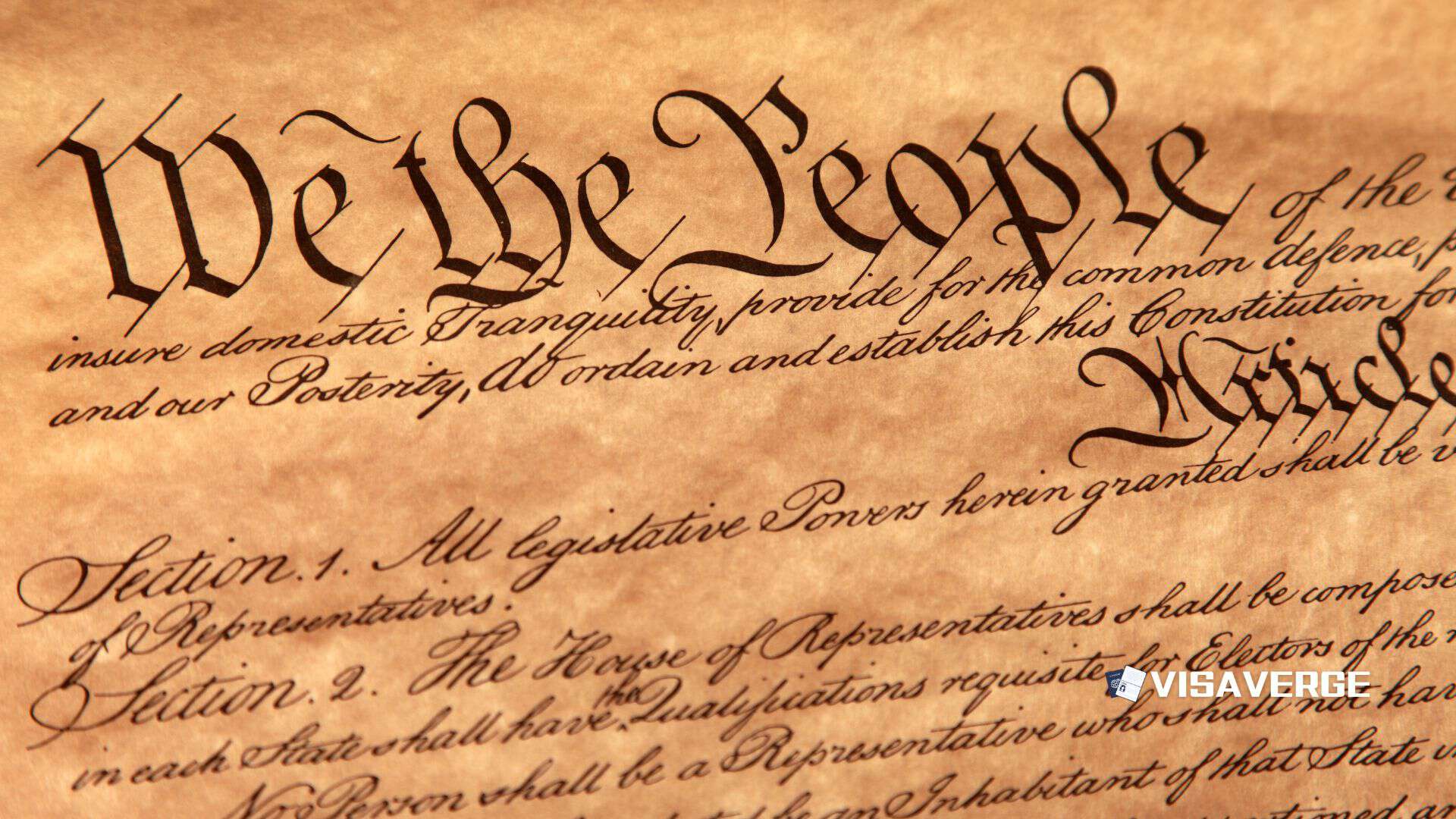
The 14th Amendment to the U.S. Constitution says, “all persons born or naturalized in the United States, and subject to the jurisdiction thereof, are citizens of the United States.” For over a century, this has meant that almost anyone born on U.S. soil becomes a citizen, no matter their parents’ immigration status. The new legislation, however, would change this by limiting automatic citizenship to children of U.S. citizens and lawful permanent residents.
This push is not new. Earlier in January 2025, Rep. Brian Babin (R-TX) introduced the Birthright Citizenship Act of 2025 (H.R.569), which also aims to limit citizenship to children born to U.S. citizens, nationals, lawful permanent residents, or lawful immigrants serving in the military. That bill is still in committee and has not advanced.
On July 24, 2025, another related bill, H.R.4741, was introduced to further clarify which individuals born in the United States ?? qualify for citizenship. These efforts show a coordinated attempt to change how birthright citizenship is granted.
⏰
Birthright Citizenship Legislative Timeline
Key dates in the ongoing efforts to change birthright citizenship laws
VisaVerge
January 20, 2025President Trump signed Executive Order 14160
This order aims to restrict birthright citizenship for children born to non-citizens.
January 2025Rep. Brian Babin introduced the Birthright Citizenship Act of 2025
This bill seeks to limit citizenship to children born to U.S. citizens and lawful permanent residents.
June 27, 2025Supreme Court stayed injunctions against Executive Order 14160
The Supreme Court allowed the executive order to take effect, despite ongoing legal challenges.
July 23, 2025Rep. Claudia Tenney introduced the Constitutional Citizenship Clarification Act
This act aims to end birthright citizenship for children born to illegal aliens and certain non-citizen groups.
July 24, 2025Another related bill, H.R.4741, was introduced
This bill further clarifies which individuals born in the U.S. qualify for citizenship.
Executive Action and Legal Developments
On January 20, 2025, President Trump signed Executive Order 14160, titled “Protecting the Meaning and Value of American Citizenship.” This order tries to restrict birthright citizenship by stating that children born in the United States ?? to parents who are not citizens or lawful permanent residents—including those with temporary visas or who are in the country unlawfully—would not automatically receive citizenship.
The executive order faced several legal challenges and was blocked by federal judges. However, on June 27, 2025, the Supreme Court, in the case Trump v. Casa, stayed those injunctions. This means the executive order could now take effect across the country, although the legal debate is far from over.
Who Would Be Affected
If the Constitutional Citizenship Clarification Act or the executive order becomes law, the following groups would be most affected:
Children born in the United States ?? to illegal aliens
Children of foreign spies
Children of individuals on diplomatic visas
Children of temporary visa holders (such as students, tourists, workers, DACA recipients, and those with Temporary Protected Status)
VisaVerge.com
✓
Birthright Citizenship Eligibility Criteria
Key qualifications for automatic citizenship at birth
1
Children born to U.S. citizens
Automatically receive citizenship at birth.
2
Children born to lawful permanent residents (LPRs)
Automatically receive citizenship at birth.
3
Children of foreign spies
Would not receive automatic citizenship.
4
Children of individuals on diplomatic visas
Would not receive automatic citizenship.
5
Children of temporary visa holders
Includes students, tourists, workers, DACA recipients, and those with Temporary Protected Status; would not receive automatic citizenship.
These children would no longer receive automatic citizenship at birth. Instead, they might be considered citizens of their parents’ home countries, or in some cases, could become stateless if no country recognizes them as citizens.
Practical Impacts and Concerns
Losing birthright citizenship would have serious effects. Children denied citizenship would not be able to get Social Security cards, U.S. passports, or access federal programs like CHIP, SNAP, and Medicaid. They would also be barred from voting, serving on juries, and holding certain jobs. According to the Migration Policy Institute, ending birthright citizenship for children of unauthorized immigrants could increase the unauthorized population by 4.7 million by 2050.
Another concern is fairness. The proposed law would not apply to children born before it takes effect. This could create a situation where two children born just days apart have very different legal rights, raising questions about equal treatment.
Supporters’ and Opponents’ Views
Supporters, including Rep. Claudia Tenney, Senator Cotton, and the Trump administration, say that birthright citizenship encourages illegal immigration and birth tourism. They argue that the 14th Amendment was never meant to give citizenship to children of illegal aliens and that these changes would help protect the value of American citizenship.
Opponents, including many immigration advocates and legal experts, warn that ending birthright citizenship could create millions of stateless or undocumented children. They say this would increase social inequality and go against the spirit of the Constitution. They also point out that birthright citizenship is a long-standing American principle and that changing it could have serious legal and humanitarian consequences.
The legal community is watching closely. The Supreme Court’s recent decision to allow the executive order to proceed signals that the issue is far from settled and will likely be argued in court for years to come.
What Happens Next?
The Constitutional Citizenship Clarification Act and similar bills are still at the early stages in Congress. While the current political climate—with a Republican-controlled House and President Trump in office—may help these bills move forward, they still face hurdles in the Senate and possible vetoes.
If the executive order and new laws take effect, the government will need to create new rules for birth registration, citizenship checks, and access to federal benefits. This could mean more paperwork and new procedures for hospitals, schools, and government agencies.
What Should Affected Families Do?
Families who may be affected should stay informed about the status of these bills and the executive order. It’s important to keep records of parents’ immigration status and children’s birth certificates. Those with questions about their status can check official resources, such as the U.S. Citizenship and Immigration Services (USCIS) website, for updates and guidance.
Where to Find More Information
For the full text of the Constitutional Citizenship Clarification Act and related bills, visit Congress.gov.
Updates on Executive Order 14160 can be found on the White House and Federal Register websites.
Legal filings and decisions for Trump v. Casa are available on the Supreme Court’s official site.
Advocacy groups like the National Immigration Forum and Migration Policy Institute offer detailed guides and analysis.
As reported by VisaVerge.com, these changes could reshape the future of citizenship in the United States ?? and have lasting effects on millions of families. Lawmakers, courts, and communities will continue to debate the best path forward, but for now, the future of birthright citizenship remains uncertain. Families, advocates, and officials alike should watch closely as these important decisions unfold.
Learn Today
Birthright Citizenship → Automatic citizenship granted to individuals born on U.S. soil regardless of parents’ immigration status.
14th Amendment → U.S. Constitution provision guaranteeing citizenship to anyone born or naturalized in the United States.
Lawful Permanent Resident (LPR) → Non-citizen legally authorized to live and work permanently in the United States.
Executive Order 14160 → A 2025 Trump order aiming to restrict birthright citizenship to children of citizens and LPRs.
Birth Tourism → Practice of traveling to a country to give birth and secure citizenship for the child.
This Article in a Nutshell
Rep. Claudia Tenney’s bill aims to end automatic U.S. birthright citizenship for children of illegal aliens, reshaping immigration law. The Supreme Court’s recent ruling backs a Trump order restricting citizenship to certain parents, marking a major shift in birthright citizenship policies and igniting ongoing legal battles.
— By VisaVerge.com
?
People also ask
Answers from VisaVerge guides
What’s Next for Birthright Citizenship Amid 2025 Legal Changes
The 2025 Birthright Citizenship Act and Executive Order seek to restrict automatic citizenship to children with U.S. citizen or lawful resident parents. This could affect hundreds of thousands, increase statelessness risks, and faces major legal challenges, including delayed Supreme Court enforcement and intense national debate.
What is the proposed change under the Birthright Citizenship Act of 2025?
The bill proposes changing the longstanding rule that most children born in the United States are citizens at birth, by limiting citizenship to those whose parents are U.S. citizens or nationals, lawful permanent residents living in the U.S., or non-U.S. nationals serving in the U.S. Armed Forces.
What policy changes in January 2025 affect birthright citizenship for some undocumented immigrants?
January 2025 policies aimed at limiting birthright citizenship for children born to certain undocumented immigrants were introduced, though they are currently blocked by the courts.
What is the impact of ending birthright citizenship on children born after February 19, 2025?
Children born in the U.S. on or after February 19, 2025, will no longer receive automatic citizenship unless at least one parent is a U.S. citizen or Legal Permanent Resident.
Nadia Hassan covers immigration policy and legislation for VisaVerge.com, decoding the bills, executive actions, agency rule changes, and fee structures that reshape the system. With a sharp eye for how Washington's decisions reach ordinary applicants, she translates dense policy into practical context. Nadia's analysis gives readers the "what it means for you" behind every major immigration announcement.
Rep. John McGuire introduces the Birthright Citizenship Clarification Act of 2026 to limit automatic citizenship for children of non-permanent residents.