- New Zealand lawmakers backed a plan to expand identity-check powers for immigration officers.
- The committee demanded robust safeguards to prevent racial profiling based on appearance or accent.
- Refusing requests without excuse could lead to immediate arrest and detention under the bill.
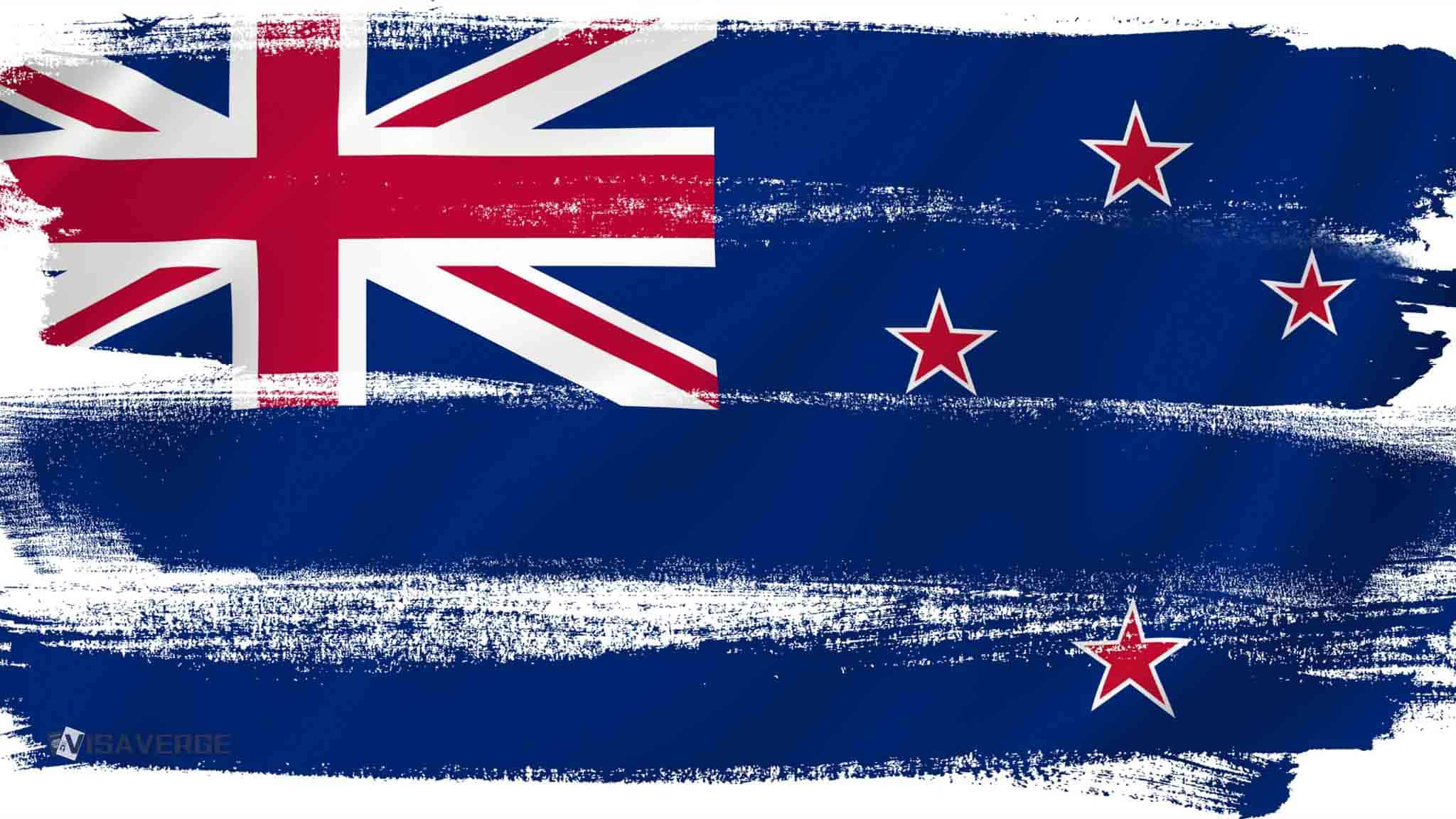
New Zealand MPs have backed a plan to expand identity-check powers while calling for safeguards against racial profiling. The proposal would let immigration officers demand personal information and identity documents from people they have “good cause to suspect” are breaching visa conditions or could face deportation.
The Education and Workforce Committee set out its position in a final report released August 7, 2026. It supported the government’s plan, but said the new authority needed firm limits.
Free toolUSCIS Receipt Number Decoder
The committee wrote:
“Submitters told us, and we agree, that this should be accompanied by robust safeguards to ensure proportionality and accountability.”
The report addresses the Immigration (Enhanced Risk Management) Amendment Bill. Its proposed test is whether an officer has good cause for suspicion, rather than whether a person belongs to a particular group.
That distinction has not ended concern. Critics said an officer could improperly rely on a person’s appearance, accent or perceived migrant status when deciding whether to demand identification.
The bill would attach arrest and detention risks to noncompliance
A person who refuses an identity request without a reasonable excuse could face an immediate warning about possible arrest and detention if the bill passes. The warning would accompany the request.
The proposed power covers both personal information and identity documents. It would apply to people suspected of violating visa conditions or being liable for deportation.
The committee’s report therefore places two demands beside the expanded authority: officers must have a proper basis for suspicion, and the system must provide accountability when they use it.
The bill has not been described in the material as enacted. Its consequences remain conditional on passage.
Safeguards would have to control how suspicion is formed
The committee’s concern focuses on the point where a legal standard becomes an officer’s decision in the street or during an encounter. “Good cause” would give officers a basis to request documents, but critics warned that personal characteristics could influence that judgment.
Appearance and accent are not described as lawful substitutes for evidence in the committee’s report. They appear in the criticism as examples of factors that could improperly shape an officer’s view of a person’s immigration status.
The committee’s language emphasizes proportionality and accountability. Those terms indicate that the proposed checks should be matched to the suspected breach and subject to oversight.
The report also records the role of public submissions. People who made submissions told the committee that safeguards should accompany the new powers, and the committee adopted that position in its final report.
The measure links identity checks to existing immigration enforcement
The bill is framed around people who may have breached visa conditions or face deportation. It does not describe a general identity-check power for every person in every circumstance.
Instead, the proposal would connect a document demand to an officer’s suspicion about a person’s immigration position. The officer would need “good cause” before seeking the information or documents covered by the bill.
That threshold is central to the debate. Supporters of the bill backed the expansion, while critics focused on how officers might apply it in practice.
The committee did not reject the government’s plan. It urged safeguards before the expanded authority takes effect.
The committee’s report now sets the terms of the dispute
The final report gives the proposal parliamentary backing while preserving objections about enforcement. It places proportionality and accountability alongside the power to request identity documents, rather than treating the authority as unrestricted.
If lawmakers pass the bill, people who do not comply without a reasonable excuse could be warned of arrest and detention. The proposed consequences make the safeguards especially relevant to encounters involving people whose visa status is uncertain or disputed.
The report released on August 7, 2026, is the clearest date attached to the committee’s position. The next legal effect described in the material depends on the bill’s passage.
This article provides general information and is not legal advice. Consult a qualified immigration attorney about your specific case.