- A federal judge ordered the immediate release of Garrison Gibson after finding his arrest violated the Fourth Amendment.
- Agents used a battering ram to enter Gibson’s home without consent or a judicial warrant during the raid.
- The court cited regulatory failures regarding notice and interview rights for individuals under an Order of Supervision.
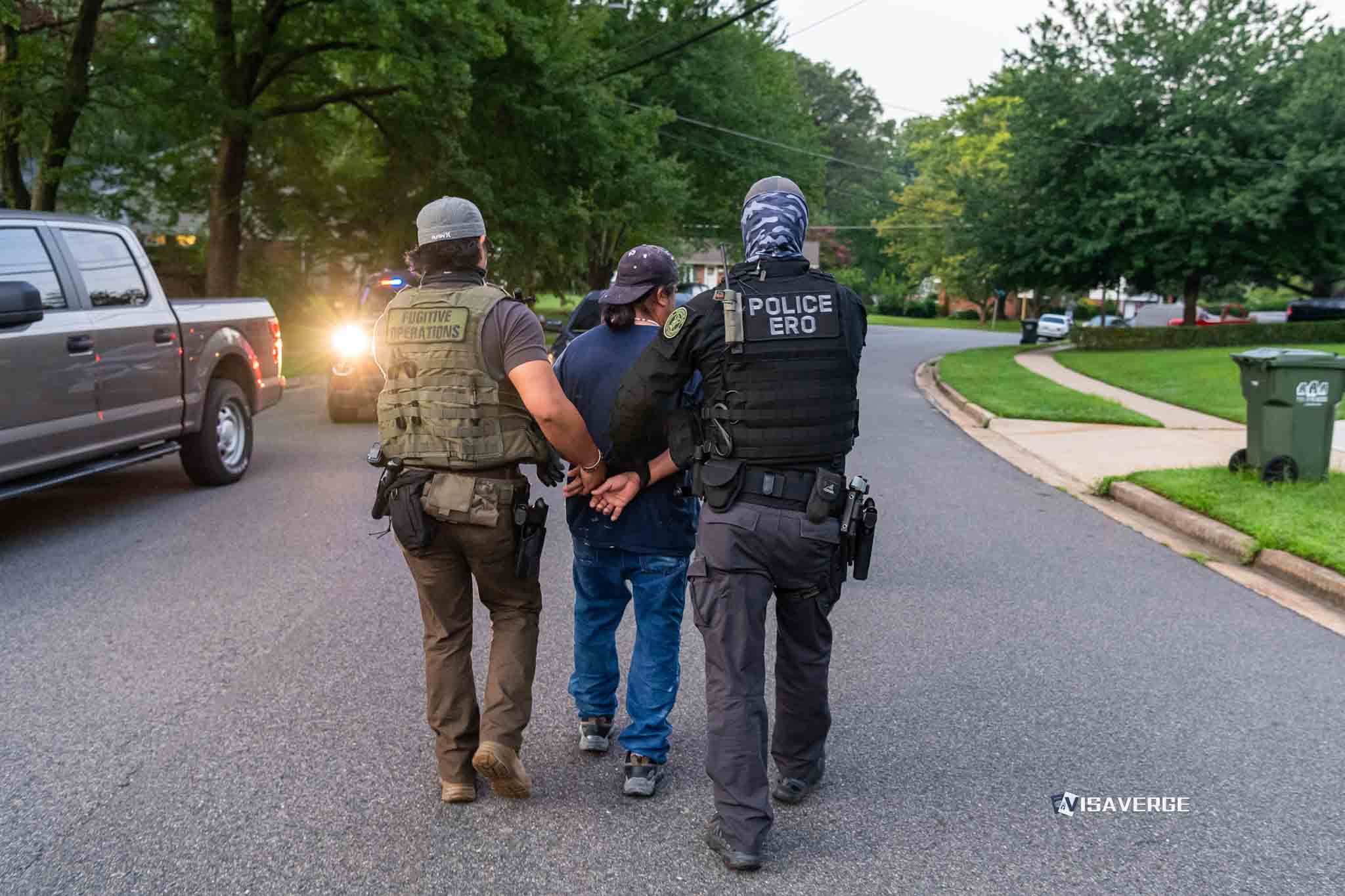
(MINNEAPOLIS, MINNESOTA, USA) — A Minnesota federal judge ordered the immediate release of Garrison Gibson, a Liberian national under Order of Supervision, after finding his January 11, 2026 arrest by immigration agents with a battering ram violated the Fourth Amendment and regulations governing notice and interview rights.
U.S. District Judge Jeffrey Bryan ruled on January 15, 2026 that DHS agents unlawfully entered Gibson’s Minneapolis home on Russell Avenue without consent or a judicial warrant, then held him in unlawful detention. The order sent Gibson out of custody the same day.
Gibson, 37, had been living in the Twin Cities under an Order of Supervision, a status that can allow someone to live and work in the United States while reporting to ICE and following conditions. His lawyer, Marc Prokosch, said Gibson had recently checked in and was compliant with GPS monitoring when agents came to his door.
Federal enforcement in Minnesota has intensified under “Operation Metro Surge,” which DHS has described as its largest enforcement operation ever. Officials have reported 2,500+ arrests in Minnesota since November 29, 2025.
Civil-rights questions raised by the case echo broader debates about constitutional limits on arrest tactics during immigration enforcement. Gibson’s ruling also spotlights how Order of Supervision compliance can intersect with sudden re-detention decisions.
Agents entered Gibson’s home using a battering ram, according to court filings describing the incident and video recorded by witnesses. Family members, including his wife and 9-year-old daughter, were present during the raid, Prokosch said.
The judge also cited regulatory failures tied to Gibson’s supervision status. Bryan said officials did not provide required notice that the Order of Supervision had been revoked, and they did not provide a timely interview after detention.
Time mattered in Gibson’s litigation. The case moved quickly from the arrest through emergency court filings to a release order, as lawyers pressed claims tied to unlawful entry, custody transfers, and the practical barriers detention can create.
A similar pattern of rapid legal escalation after enforcement actions has followed other high-profile incidents, including protest arrests that led to near-term court dates and custody reviews. In many cases, lawyers focus first on the timeline, documents served, and the legal basis asserted at the moment of arrest.
Timeline of key events
| Date | Event | Given/Result | Source/Note |
|---|---|---|---|
| January 11, 2026 | DHS agents arrested Garrison Gibson at his Minneapolis home on Russell Avenue after a battering ram entry | Taken into ICE custody; Fourth Amendment and notice issues later raised | Court record summaries and attorney account |
| January 12, 2026 | DHS public statements defended the operation; Keith Ellison sued DHS | State lawsuit challenged the surge; DHS spokesperson criticized the suit | DHS Newsroom statements; Minnesota Attorney General’s Office filing |
| January 15, 2026 | Judge Jeffrey Bryan ordered immediate release | Court found Fourth Amendment violation and regulatory violations; Gibson released | U.S. District Court for the District of Minnesota order |
“To arrest him, Respondents forcibly entered Garrison G.’s home without his consent and without a judicial warrant. The arrest violated the Fourth Amendment. For this independent reason, Garrison’s detention is unlawful, and the court orders his immediate release,” Bryan wrote.
Bryan added that officials “violated applicable regulations” by failing to provide notice of supervision revocation and by denying a timely interview after Gibson was detained. Those procedural protections can matter for people under an Order of Supervision because revocation may trigger arrest and detention consequences.
DHS defended the operation publicly as targeting public-safety priorities. Tricia McLaughlin, DHS assistant secretary for public affairs, called Gibson “a criminal illegal alien with a lengthy rap sheet that includes robbery, drug possession with intent to sell, possession of a deadly weapon, malicious destruction and theft.”
McLaughlin also criticized Minnesota Attorney General Keith Ellison’s January 12, 2026 lawsuit seeking to end the surge. “Keith Ellison made it abundantly clear today he is prioritizing politics over public safety,” she said, adding that critics were invoking federalism only when it suited them.
Courts, however, decide cases on warrants, consent, sworn declarations, and custody records. Readers trying to assess competing claims often look for whether an agency cites a judicial warrant, a signed order, or a specific charging basis, rather than general characterizations. Ongoing disputes over arrest authority have surfaced in other litigation, including cases where court arrests drew challenges over process and access to counsel.
Note the constitutional issues identified by the judge: home entry without consent or judicial warrant, and notice failures that led to release
Gibson’s underlying immigration posture was central to the court’s assessment of risk and process. Under an Order of Supervision, people are typically expected to check in, keep addresses current, and comply with monitoring, including GPS monitoring when imposed.
Prokosch said Gibson was complying. That compliance mattered because it undercut the idea that a violent home entry was needed to secure his appearance, and it heightened questions about why agents did not use less intrusive methods.
The case also turned on contested criminal-history claims. DHS cited a “lengthy rap sheet,” while Gibson’s legal team pointed to court dispositions showing that a 2008 drug charge was later dismissed or expunged, and that more recent matters were minor traffic and misdemeanor offenses.
Such disputes can carry real consequences during enforcement surges. Arrest records, police reports, and database entries can differ from final court outcomes, and expungement paperwork may not always be reflected in quick background checks. Lawyers often advise clients to obtain certified dispositions and expungement orders, then keep copies available for emergencies.
Custody transfers added another layer. Gibson was first flown to Fort Bliss (El Paso, Texas), a large detention site, even as lawyers pointed to court action aimed at keeping him in Minnesota. He was later returned to Minnesota and held at the Freeborn County Jail in Albert Lea, MN, before his release.
Transfers can affect access to counsel and speed of filings. Moving a detainee out of state can also complicate family contact, document collection, and coordination for interviews that regulations may require after supervision changes.
Custody movements and outcomes
| Location | Custody Status | Transferring Authority | Impact on Legal Proceedings |
|---|---|---|---|
| Minneapolis | Arrested at home; entered ICE custody | ICE/DHS agents | Triggered emergency court filings focused on warrantless entry and regulatory notice |
| Fort Bliss (El Paso, Texas) | Detained after flight transfer | ICE/DHS | Increased barriers to counsel access and rapid documentation; became a focal point of court oversight |
| Albert Lea, MN | Held at local jail pending resolution | ICE with local detention arrangement | Positioned case for immediate compliance with court directives and facilitated release |
| Minnesota (post-release) | Released from custody | Court-ordered release | Opened path for potential fee litigation and continued challenges to arrest legality |
Operation Metro Surge formed the backdrop for Gibson’s arrest and the political conflict that followed. DHS has portrayed the initiative as a high-volume enforcement effort, while local leaders and advocates have warned that aggressive home tactics can chill cooperation with police and discourage people from seeking services.
Tensions spiked after two recent local shootings during enforcement actions. On January 7, 2026, an immigration agent shot and killed Renee Macklin Good, prompting protests. On January 14, 2026, another man was shot and wounded by a federal agent in North Minneapolis after an alleged confrontation involving a shovel and broom handle.
Ellison’s lawsuit, filed through the Minnesota Attorney General’s Office, seeks court intervention that lawsuits of this kind often request, including injunctions, limits on tactics, and production of records. Even where states do not control federal enforcement, court-ordered transparency and compliance remedies can shape how operations are carried out.
Gibson’s release ended his detention, but it did not end the broader dispute over how the surge is conducted. For families, a forced entry can cause lasting trauma, and community groups have warned about reluctance to report crimes or contact public agencies.
For people under an Order of Supervision, the case is a reminder that compliance and documentation can matter quickly. Supervision can involve ID checks, GPS monitoring, and regular reporting, yet enforcement actions can still occur if ICE asserts revocation or new grounds. Court rulings like Bryan’s may also affect how future interviews, notice, and access-to-counsel requests are handled for people in similar status.
Fee recovery may also come into play. Because the court deemed Gibson’s detention unlawful, his lawyers may seek attorney’s fees under the Equal Access to Justice Act (EAJA), a federal law that can allow fee awards in some cases against the government. Eligibility and amounts vary, and litigation over fees often turns on whether the government’s position was substantially justified.
If you or a family member are under Order of Supervision, consult counsel immediately about rights to notice, interview requests, and potential suppression arguments
Practical steps can include keeping copies of supervision paperwork, recent check-in confirmations, GPS compliance records, and certified court dispositions, including expungement orders. Families often prepare an emergency plan for who contacts counsel, who gathers documents, and how children are cared for if a detention occurs.
Readers looking for primary materials can start with DHS Newsroom releases tied to the Minnesota operation and statements from DHS officials. Court filings and orders can be found through the U.S. District Court for the District of Minnesota docket system, where an order reflects a judge’s findings while complaints and declarations contain allegations and sworn accounts.
State litigation documents are typically posted by the Minnesota Attorney General’s Office and can show what remedies are being sought, including injunction requests and records demands. In other enforcement contexts, reporting on immediate arrests has highlighted how fast-moving custody decisions can reshape a person’s ability to seek review.
Gibson walked free because the judge found the entry and detention unlawful. For others under supervision, the case’s core lesson is concrete: warrants, consent, notice, and interview rights can decide whether a home arrest stands up in court.
This article discusses legal rulings and ongoing enforcement actions. Consult qualified counsel for personal legal advice. Outcomes can vary by jurisdiction and case specifics.
Facts and quotes are drawn from court records and official statements; readers should verify against primary sources.