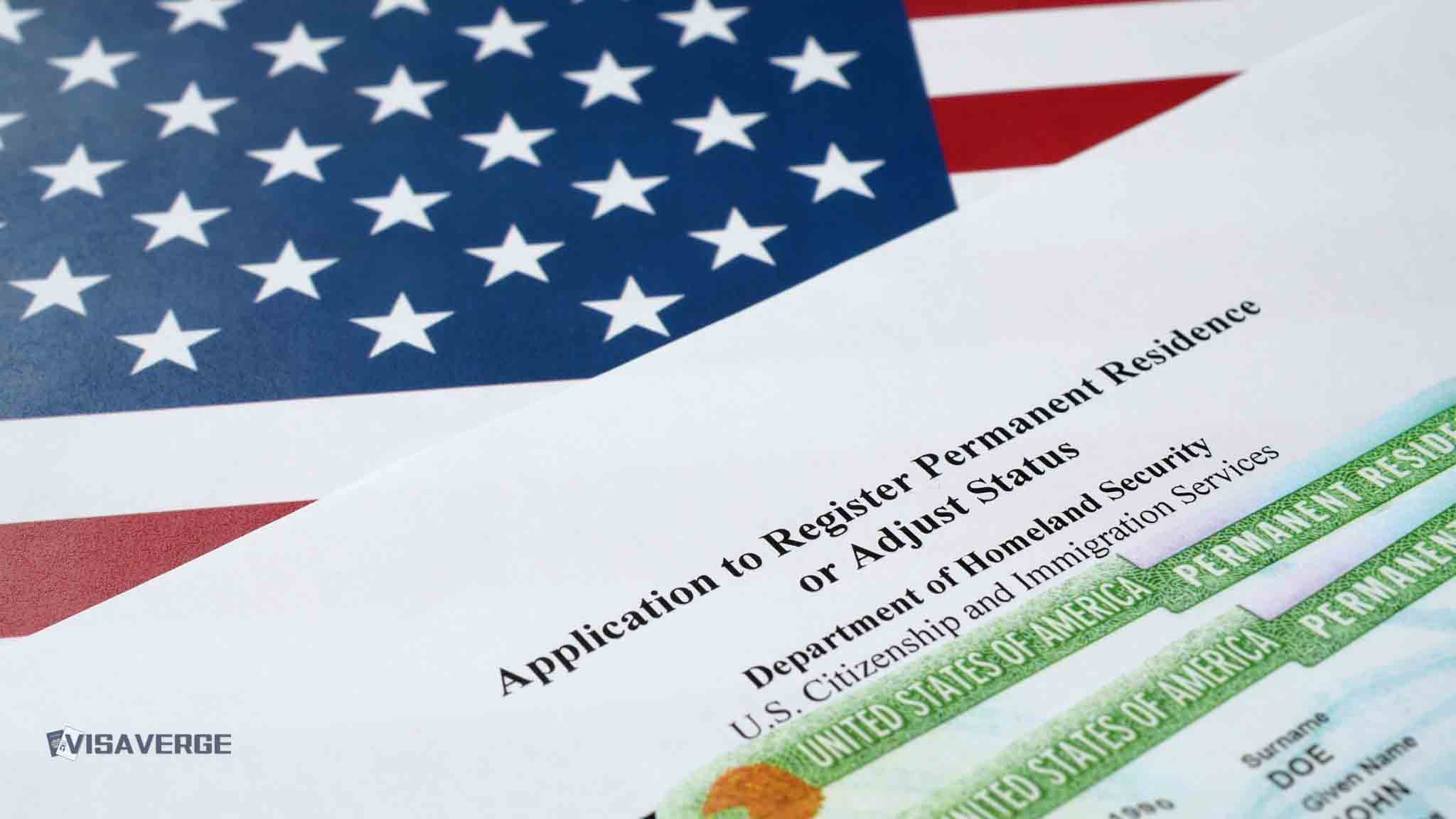
- Joint filers would each answer Yes or No separately.
- OMB review includes another notice and a 30-day public comment period.
Checked against capac.house.gov
Fifty-one members of Congress are urging the IRS to remove a proposed question from the 2026 return and from the information collection sent to the Office of Management and Budget. The lawmakers publicized their challenge on November 2, 2026; it is not a final filing requirement.
Background: Nina Olson of Center for Taxpayer Rights Objects to Citizenship Question on Form 1040

The proposed IRS citizenship question could reach citizens, nationals and people authorized to work in the United States. It also asks about a spouse on a joint return. The agency has not said whether the question will appear on the final return or when any requirement would take effect.
The draft places the question in a new “Other Information” section on page one. Each spouse would answer Yes or No separately. The question reads:
“At the time you file your return, are you, and your spouse if filing jointly, a U.S. citizen, U.S. national, or an alien lawfully authorized to work in the U.S.?”
The wording asks about more than citizenship. A person could be asked to attest to nationality or lawful work authorization, and joint filers would answer individually. Treasury and the IRS have framed the proposal as part of tax administration and refundable-credit eligibility.
The draft asks about status, nationality and work authorization
The draft-form notice says not to file draft forms. Instructions explaining how the question would be answered have not been released.
The wording reaches a broader set of statuses than citizenship alone. In particular, a lawful work authorization response is not the same test used in a separate draft concerning certain refundable credits. That difference could matter to people who file individual returns, including noncitizen taxpayers and married couples filing jointly.
Who challenged the proposal, and what did the lawmakers ask the IRS to do?
Rep. Grace Meng (NY-06, CAPAC Chair), Rep. Adriano Espaillat (NY-13, CHC Chair) and Rep. Yvette Clarke (NY-09) led 51 members of Congress in a letter opposing the proposed citizenship question on federal tax forms.
The lawmakers wrote: “The citizenship question lacks any tax purpose, and the IRS has failed to offer any rationale for it.” They also argued that, because it has no nexus to tax liability, the question is outside the IRS’s authority. They warned that it could discourage noncitizen taxpayers, including ITIN filers, from filing.
“The tax return is not a citizenship registry.”
The lawmakers asked the IRS to remove the proposed question from the return and omit it from the information collection submitted to OMB. The lawmakers’ claims about the IRS’s authority and the consequences for filing are their arguments, not a final legal determination.
Tax experts and senators have also urged the IRS to drop it
A separate comment was signed by former IRS Commissioners John A. Koskinen and Danny Werfel, former National Taxpayer Advocate Nina Olson, the Tax Law Center at NYU Law and the Center on Budget and Policy Priorities. The signatories called the proposal “a sharp reversal of Treasury and IRS policy” and said adding the question “would be arbitrary and capricious.”
Olson, executive director of the Center for Taxpayer Rights, said: “The IRS doesn't need this information to administer the tax law. The only reason you have that attestation is to deter people.” The experts also pointed to existing identification checks and warned that the added question could discourage filing.
The Senate has raised a separate objection. Senate Finance Ranking Member Ron Wyden and Sen. Ben Ray Luján led nine colleagues in asking IRS CEO Frank Bisignano to drop the checkbox. The American Bar Association Tax Section also urged Treasury to remove it, and the Institute on Taxation and Economic Policy filed its own comment.
A related draft, Schedule 3-A, asks whether the filer or spouse is a citizen, national or “qualified alien.” It concerns people claiming the refundable portion of the earned income credit, additional child tax credit, refundable American opportunity credit or refundable adoption credit. Treasury says its proposed rule would enforce the 1996 welfare law, known as PRWORA. Treasury estimates 200,000 to 700,000 taxpayers could lose the refunded portion for 2026, with $700 million to $2.6 billion in credits disallowed. Treasury Secretary Scott Bessent said: “The federal law is clear, and Treasury is enforcing it.”
That test is narrower than the question proposed for the main return. Someone on an H-1B visa could answer Yes to the work-authorization question and No to Schedule 3-A’s “qualified alien” question.
The IRS has not settled whether the question will appear
The question remains in draft status as of November 10, 2026. The comment period closed October 26, 2026, but that did not settle whether the question will survive. The IRS still must submit the information collection to OMB.
OMB’s review includes another notice and a 30-day public comment period. The office can require revisions. The final instructions for answering the proposed question have not been released, and the IRS has not provided a decision or implementation timetable.
If the question survives review, it would appear on 2026 returns filed in spring 2027. Filers and tax preparers should look for the final 2026 return and its instructions before treating the proposed wording as a filing requirement.