(LAKE COUNTY) Lake County leaders are pushing back against a federal plan to use Naval Station Great Lakes as a staging site for Immigration and Customs Enforcement agents next month, warning it could strain the base’s core mission and heighten tensions in nearby communities.
The Department of Homeland Security has asked the Navy for “limited support” to house and support ICE and Customs and Border Protection personnel from September 2 through September 30, 2025, as part of an enforcement surge aimed at Chicago. The request also leaves room for possible National Guard support, though no Guard deployment has been confirmed.
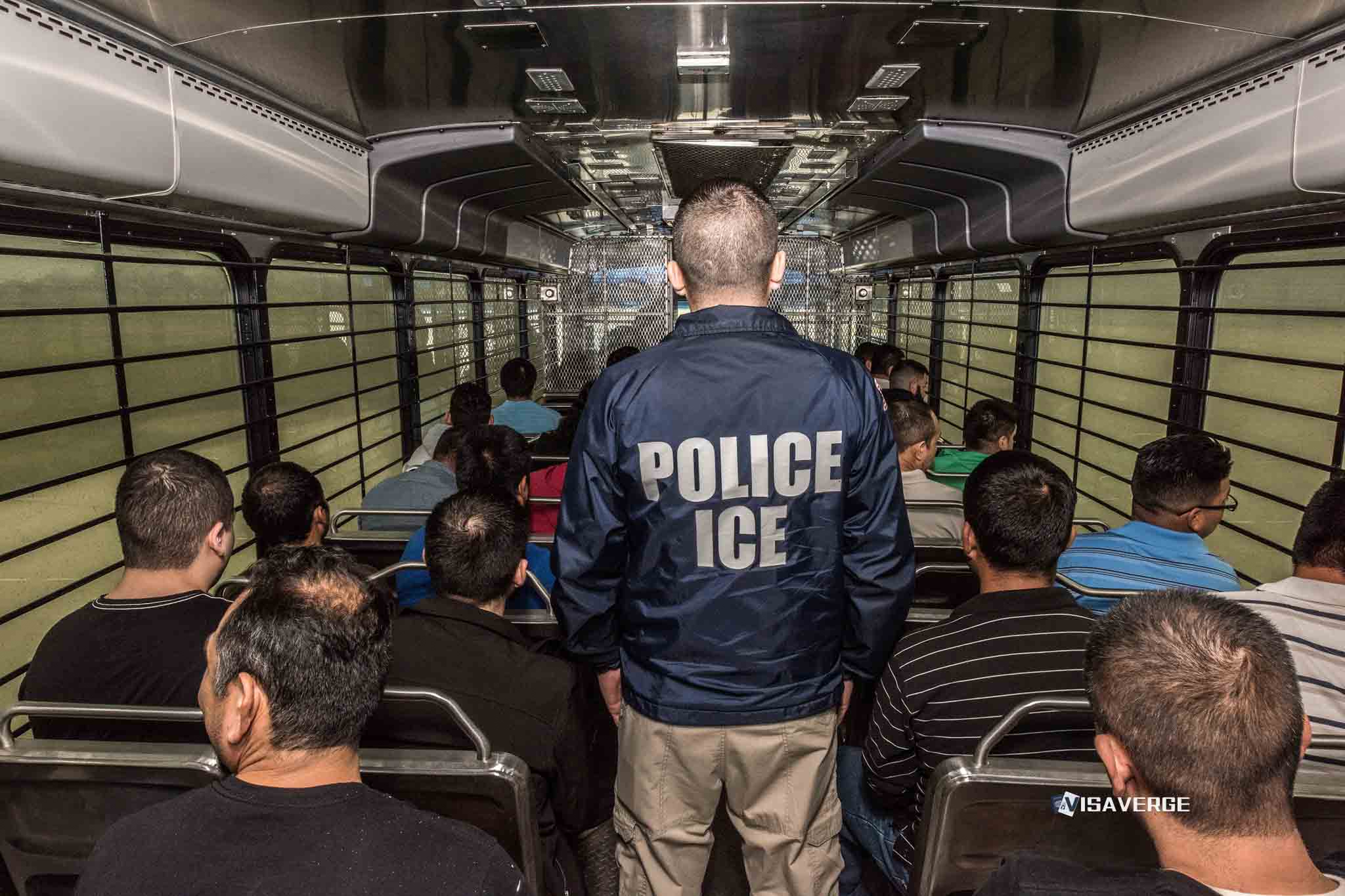
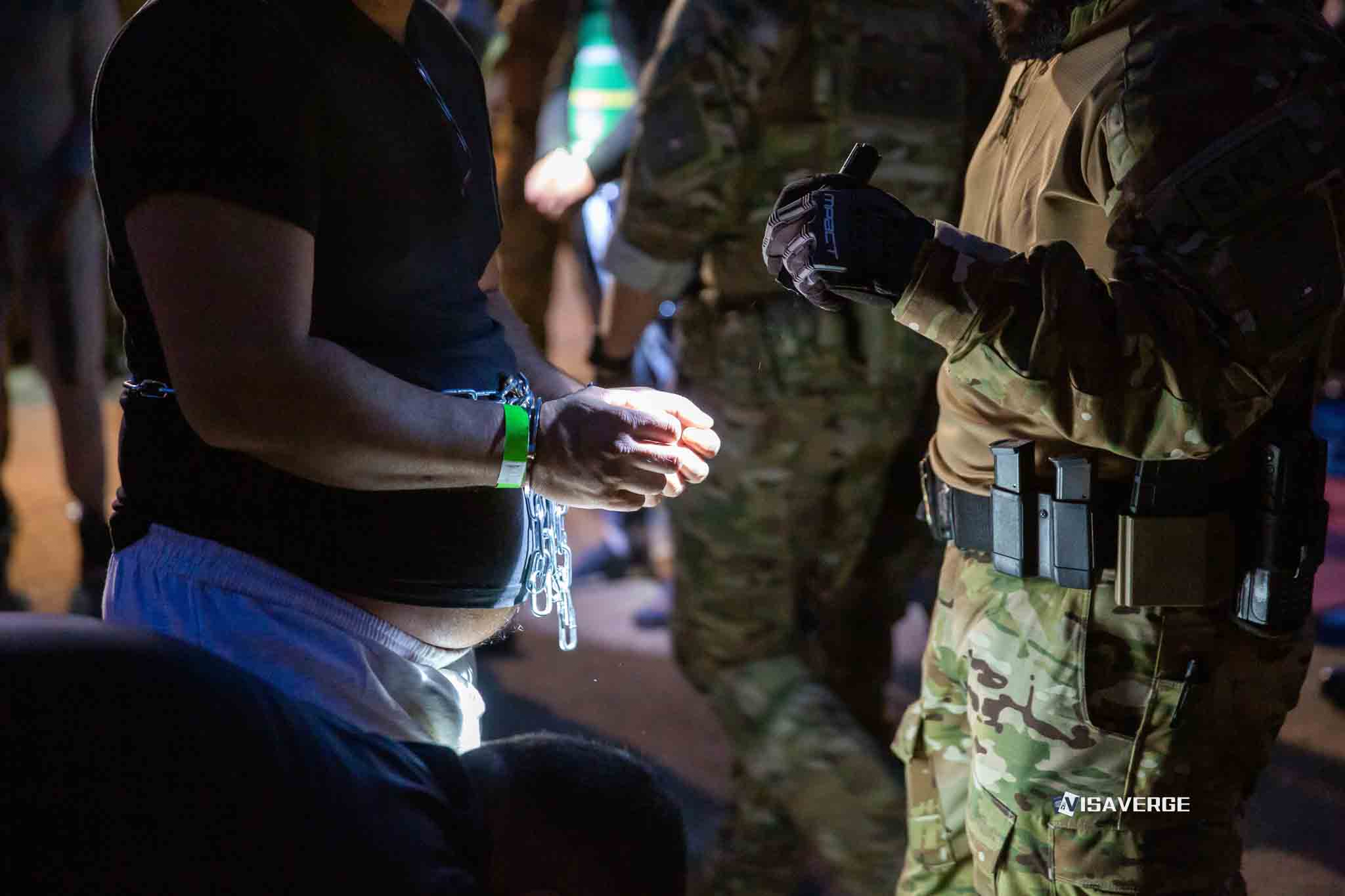
Navy officials say they have received the request and are preparing for potential, narrow support, but they stress no final decision has been made and no permanent hosting is on the table. Under the proposal, ICE agents would be housed mainly in Building 617, which includes the Navy College Learning Center and Morale, Welfare, and Recreation Library. Base barracks can hold up to 200 personnel. About 30–40 ICE agents have already been at the base for riot control training, with more expected if the plan goes ahead.
Free toolUSCIS Receipt Number DecoderMore than a dozen local and state officials from Lake County, including Congressman Brad Schneider, have firmly opposed the move. They argue the presence of federal immigration agents—and the prospect of Guard troops—could pull focus from recruit training, heighten security risks, and strain ties with residents who live and work near the base. Several also warn that protests could follow, raising public safety concerns across North Chicago and surrounding towns.
Schneider, whose district includes Naval Station Great Lakes, has cautioned that using a major Navy training hub for immigration enforcement could threaten national security and escalate community tensions. He also points to gaps between military training and local police methods for handling crowd control, warning that mixed roles during civil unrest create risks for both service members and civilians.
Policy request and September timeline
DHS has asked for “limited support in the form of facilities, infrastructure, and other logistical needs” to back Chicago-area operations throughout September. While the Navy weighs the request, the base has mapped out Building 617 for lodging and work space if needed, and noted it could place additional personnel in nearby barracks.
Officials emphasize the Navy would not run the enforcement mission; it would only provide space and basic support if approved.
Talk of National Guard involvement remains unsettled. As of late August, Governor J.B. Pritzker said he had received no official communication about mobilizing the Illinois National Guard for this operation and called the lack of movement good news for now. Without orders from the governor or federal activation, Guard troops will not deploy to Naval Station Great Lakes.
A senior DHS official has framed the planned surge as part of a broader push to “make our streets and cities safe again” by targeting dangerous offenders. The Chicago effort aligns with a wider enforcement strategy under President Trump that has included deployments of federal agents—and in some cases National Guard troops—to cities such as Los Angeles and Washington, D.C., earlier in 2025.
Final approvals for the Great Lakes plan are pending, with decisions expected from the Pentagon, including Defense Secretary Pete Hegseth, after interagency talks with DHS, the Navy, and local officials.
Local pushback and security concerns
Lake County leaders say the Navy’s top job at Great Lakes—training new sailors—should not be disrupted by a month-long influx of ICE personnel. The base is the Navy’s largest training installation, and local officials worry that turning part of it into a temporary hub for immigration enforcement could:
- Divert staff and security resources from recruit training
- Increase the burden on base infrastructure and schedules
- Fuel public anxiety and spark protests in nearby neighborhoods
Analysts note that placing civilian enforcement operations on military grounds blurs lines between police work and military roles, raising constitutional and civil rights questions. That debate has played out in other cities this year, where legal challenges and public protests followed similar deployments.
For context on ICE’s enforcement arm, readers can review the agency’s Enforcement and Removal Operations overview on the official site: ICE ERO.
Community safety remains a central worry. If protests occur outside Naval Station Great Lakes or in nearby streets, local police would be on the front line. Schneider and other officials say military personnel are not trained or tasked to manage crowds in civilian areas, and mixing those roles could heighten the chance of conflict.
Navy leaders have kept their statements narrow, confirming receipt of the request while stressing it covers only facilities and logistics, not operational control.
Key perspectives summarized:
– For DHS and ICE: The base offers a secure, central site with built-in housing, work areas, and transport links to Chicago.
– For local communities: Residents face worries about militarization, protests, and erosion of trust between families and law enforcement.
– For the Navy: A temporary influx of agents—or Guard troops, if later approved—could complicate recruit schedules and increase security hurdles.
Navy officials have not said how Building 617’s current functions would be handled if ICE agents move in. The space includes the Navy College Learning Center and a library run by Morale, Welfare, and Recreation. Local leaders fear that even short-term repurposing could ripple across training timelines and student services, especially if the number of personnel rises beyond initial estimates.
The situation remains fluid. While DHS seeks to begin staging in early September, final decisions rest with the Pentagon and Navy leadership after talks with state and local partners. Base planners are preparing for limited support if directed, but they have not committed to full operational control or longer-term hosting.
What to watch next
Officials expect clarity before Sept. 2, 2025, when the planned staging period begins. Lake County leaders may explore legal options or press for changes that scale back the plan.
Governor Pritzker’s office continues to monitor any Guard-related requests; no mobilization orders have been issued. Analysts will track whether protest activity materializes near the base and whether ICE shifts resources in response.
VisaVerge.com reports that prior uses of military sites for immigration operations earlier this year drew legal challenges and public pushback, a pattern local officials say they hope to avoid here.
Residents, service members, and base workers are urged to follow updates from Naval Station Great Lakes Public Affairs and from DHS. The Navy says it will share more details if the request is approved and will aim to keep routine training on track.
DHS maintains the September surge targets people who pose threats to public safety, while local leaders call for caution, warning that the plan, if mishandled, could erode trust in both civilian and military institutions in Lake County.
Key takeaway: Decisions are imminent ahead of Sept. 2, 2025. The clash is between DHS’s logistical needs for a targeted enforcement surge and local leaders’ concerns about training disruptions, community tensions, and potential protests.
Frequently Asked Questions
This Article in a Nutshell
DHS has requested limited Navy support to stage ICE and CBP personnel at Naval Station Great Lakes from Sept. 2–30, 2025, as part of a Chicago-area enforcement surge. The Navy is evaluating the request and has identified Building 617 and nearby barracks to house up to 200 personnel; roughly 30–40 agents already conducted riot-control training on base. Navy officials stress they would provide facilities and logistical assistance only, with no operational control, and no final decision has been made. Local and state leaders, including Rep. Brad Schneider, oppose the plan, arguing it could disrupt recruit training, strain base resources, increase security risks, and prompt protests. National Guard involvement remains unconfirmed and would require mobilization orders. Interagency discussions among DHS, the Navy, and the Pentagon will determine approvals before the planned Sept. 2 start. Lake County officials may pursue legal or political actions, and residents are advised to follow updates from Naval Station Great Lakes Public Affairs and DHS.