- DHS launched Operation PARRIS and Metro Surge in early January 2026 for immigration enforcement.
- Minnesota and Twin Cities officials filed a lawsuit challenging the legality of the federal deployment.
- The federal government terminated Somalia’s TPS status on January 13, creating urgent status concerns.
(MINNESOTA) — A major shift in federal immigration enforcement posture took effect in the Twin Cities in early January 2026, as DHS and USCIS launched Operation PARRIS on January 9, 2026, followed by a large-scale enforcement deployment dubbed “Operation Metro Surge,” and a separate DHS announcement terminating Somalia’s Temporary Protected Status (TPS) on January 13, 2026, with a future effective date that is now driving urgent planning for affected families.
The main sources for these changes are DHS and USCIS public statements (including the USCIS Newsroom and DHS press releases), plus local government communications and a newly filed Minnesota-led lawsuit challenging aspects of the surge.
Overview and context: what’s known, what’s alleged, and why it matters
Minnesota is experiencing a high-visibility federal immigration push that has intersected with state and local governance in unusually public ways.
Federal officials describe the state as a focal point for integrity and public-safety enforcement. State and city leaders describe the current tempo as disruptive and legally suspect.
Some political voices have framed the situation as a “war” or “civil war.” That framing is rhetoric, not a legal category.
The legal questions are more specific: what federal agencies may do under immigration statutes, what state and local governments must or may do, and what constitutional limits apply.
Key terms readers are likely to see:
- ICE (Immigration and Customs Enforcement): DHS enforcement arm that arrests and removes noncitizens.
- DHS: Cabinet-level department overseeing ICE, USCIS, and CBP.
- USCIS: Primarily benefits adjudication (asylum, green cards, naturalization), but also conducts fraud and integrity reviews.
- TPS: A temporary humanitarian protection from removal and work authorization, created by INA § 244.
- Refugee vs. LPR: A refugee is admitted under INA § 207 and may later apply for a green card; an LPR holds permanent resident status.
Local officials’ public posture, including disputes over cooperation and detainers, has been covered in metro surge response reporting.
Official actions and programs: Operation PARRIS and increased enforcement
Operation PARRIS (Post-Admission Refugee Reverification and Integrity Strengthening) was announced as a review of certain refugee admissions in Minnesota, focused on refugees who have not obtained lawful permanent resident status.
DHS has described it as a fraud- and integrity-driven initiative. See related background on Operation PARRIS.
A “re-examination” in this context can include updated biographic and biometric checks and requests for records used in the original refugee process.
- Interviews and follow-up questions about identity, travel, or prior statements.
- Review for potential inadmissibility issues under INA § 212 or fraud/misrepresentation concerns.
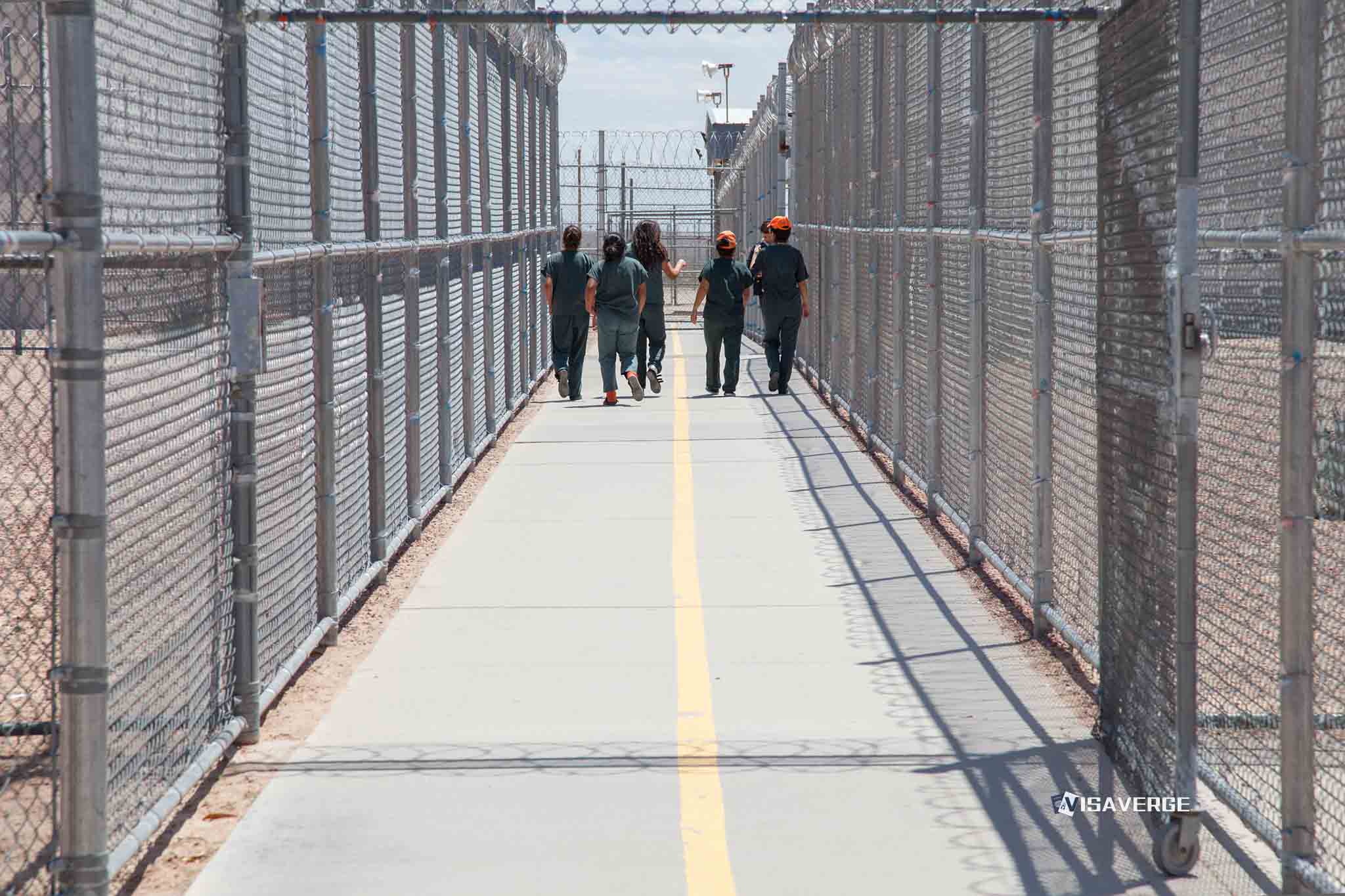
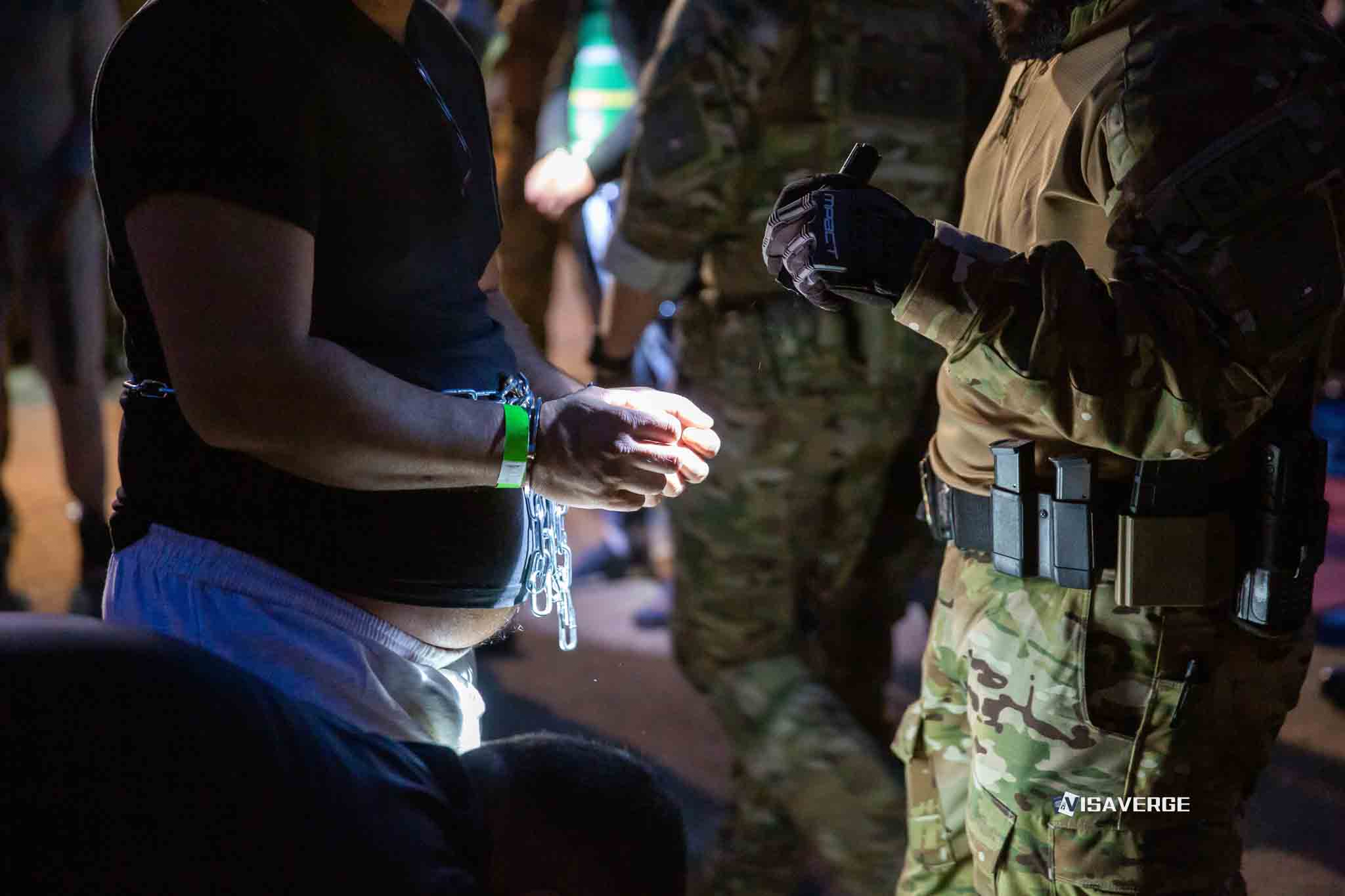
Operation Metro Surge, as described by DHS, involves a heightened presence of federal personnel and more “at-large” enforcement activity.
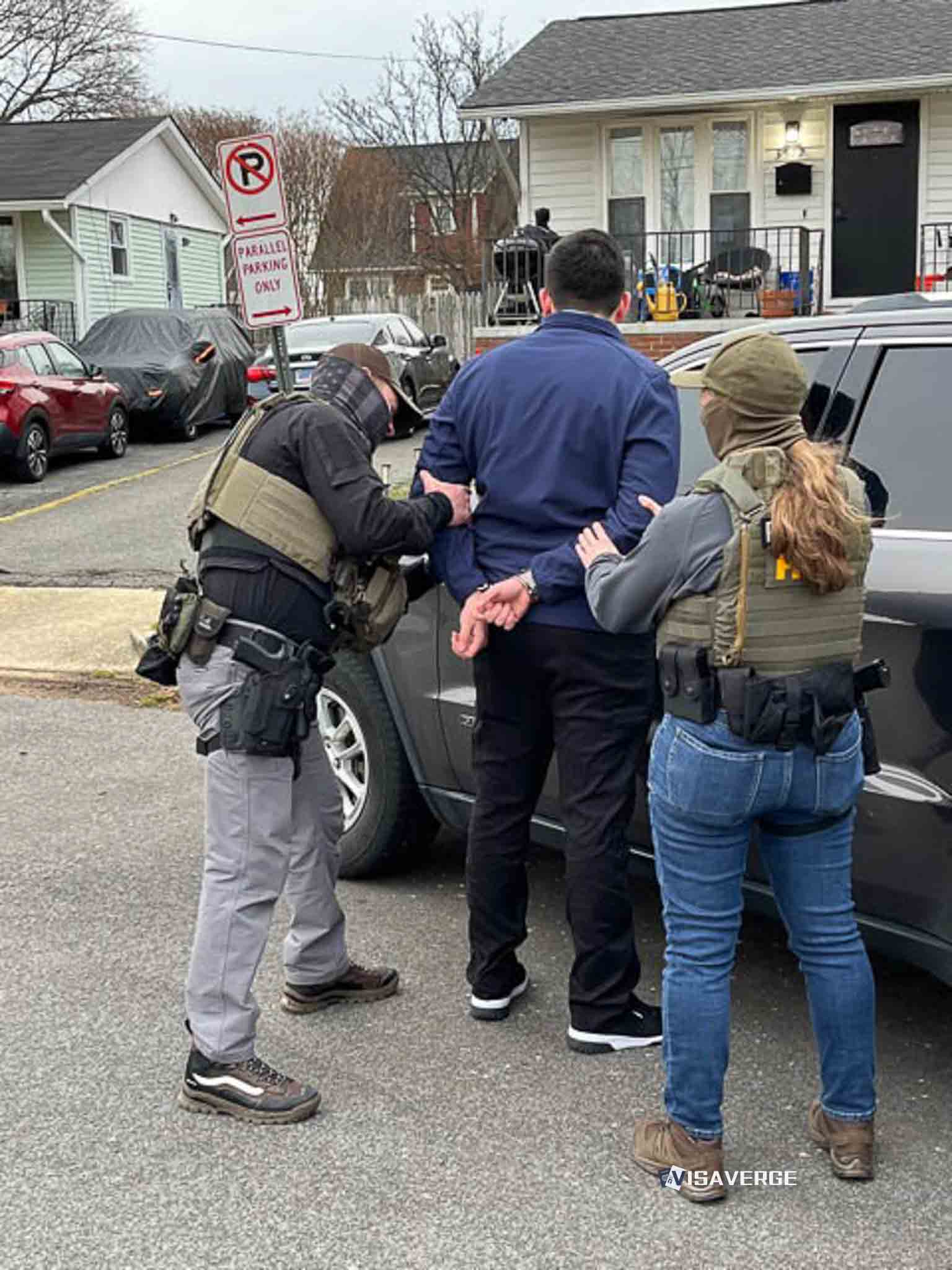
In practice, an increased enforcement posture may involve arrests based on administrative warrants, attempts to locate people with removal orders, and greater use of local field operations.
For residents and institutions, the practical issues are immediate. Refugees should keep copies of I-94s, refugee documentation, EADs, and prior filings.
Employers should follow lawful I-9 practices and avoid over-documentation. Schools and service providers should confirm visitor policies and train staff on responding to law enforcement requests.
DHS has released figures about deployments, case review volume, and reported impacts. Those exact numbers are summarized in the on-page data panel.
If you receive a USCIS interview notice or a document request tied to Operation PARRIS, missing deadlines can create serious risk. Speak with counsel before submitting corrections or affidavits.
Policy and legal context: federal authority, local objections, and TPS termination
The federal government typically grounds immigration enforcement authority in the INA and delegated DHS authority. DHS has framed the surge as necessary for public safety and system integrity.
State and city objections are framed in federalism terms, including 10th Amendment concerns and anti-commandeering principles. Even when the federal government enforces immigration law, it generally cannot require states to administer a federal program.
Courts often look at whether a challenged action is preempted by federal law, whether it compels state actors, and whether plaintiffs can show irreparable harm for injunctive relief.
Parallel to enforcement operations, DHS announced Somalia TPS termination on January 13, 2026. TPS is granted under INA § 244 and, while in effect, typically provides protection from removal and work authorization.
Termination changes future eligibility to remain protected once the termination becomes effective, unless a person has another status or relief option. TPS-related litigation has been an active area nationally and is often fact- and record-driven.
Similar dynamics are discussed in TPS court efforts and TPS termination suits.
TPS-related work authorization and protection often hinge on timing. Track the effective date and any court orders that may pause or change it.
Violent incidents and security measures: careful sourcing and civil-rights concerns
Two shootings have been publicly reported in connection with enforcement activity and protests: one on January 7, 2026, involving a legal observer/protester, and another on January 14, 2026, where a federal officer shot a person in the leg amid an alleged confrontation.
Investigations, witness accounts, and agency statements may evolve. Readers should distinguish (1) official press statements, (2) verified local reporting, and (3) social media claims that may be incomplete or edited.
Crowd-control tools such as chemical irritants and flash devices are typically justified as safety measures by agencies, but they can raise civil-rights and proportionality questions depending on the facts.
Impact on communities and economy: practical consequences and risk reduction
Heightened scrutiny can affect daily decision-making for refugees and mixed-status families. Many people avoid travel, miss work, or reduce use of schools and clinics due to fear of encounters.
Local businesses can also see staffing disruptions and reduced customer traffic. Employers may face anxiety about audits, while workers may fear reporting wage theft or unsafe conditions.
Community-level risk reduction often includes “know-your-rights” education and rapid-response coordination. Document readiness plans for households and mental health supports are also common measures.
- “Know-your-rights” education and rapid-response coordination.
- Document readiness plans for households.
- Mental health supports and school-based counseling where appropriate.
Public discourse and controversy: Insurrection Act talk and sanctuary debates
References to the Insurrection Act have intensified fear. At a high level, the Insurrection Act is a set of federal statutes that may allow the President to deploy military forces domestically in narrow circumstances.
Talk of invoking it does not itself change a person’s immigration status, but it can change perceived risk and prompt scams.
Sanctuary policies vary. Many are about limits on honoring ICE detainers without a judicial warrant, information-sharing rules, and when local arrests are permitted.
Readers should evaluate claims by looking for primary sources, court filings, and agency statements, rather than viral posts.
Scammers often exploit enforcement surges. Be cautious of callers claiming to be “ICE” or “USCIS” demanding money or personal data.
Timeline: what happened, and what to watch next
In early January, reported enforcement actions and protests escalated. On January 9, DHS/USCIS announced Operation PARRIS.
On January 12, Minnesota’s attorney general and Twin Cities governments filed suit challenging aspects of the surge. On January 13, DHS defended Metro Surge and announced Somalia TPS termination.
On January 14–15, a reported confrontation and shooting, followed by heightened rhetoric including Insurrection Act references, increased tension.
Next, watch for requests for a temporary restraining order or preliminary injunction, DHS/USCIS FAQs clarifying PARRIS procedures, and local directives for hospitals, schools, and city staff about responding to federal presence.
Official sources and how to verify
For primary-source verification, use the USCIS Newsroom for benefits and policy announcements (uscis.gov).
Use DHS press releases and the ICE newsroom for enforcement statements (dhs.gov, ice.gov).
Check local statements through the City of Minneapolis news page (minneapolismn.gov). Confirm authenticity by staying on .gov domains, matching dates and release titles, and cross-checking across agencies.
Save PDFs and screenshots for your records and for attorney review.
Recommended actions (next 7–30 days)
- If you are potentially affected by Operation PARRIS, assemble your immigration record and consult an attorney before interviews.
- If you hold TPS or rely on a family member’s TPS-based work authorization, review options promptly, including other relief or status.
- Employers and schools should identify a single point of contact for law enforcement inquiries and train staff on consistent procedures.
For background on patterns in enforcement surges, see ICE operations history.
⚖️ Legal Disclaimer: This article provides general information about immigration law and is not legal advice. Immigration cases are highly fact-specific, and laws vary by jurisdiction. Consult a qualified immigration attorney for advice about your specific situation.