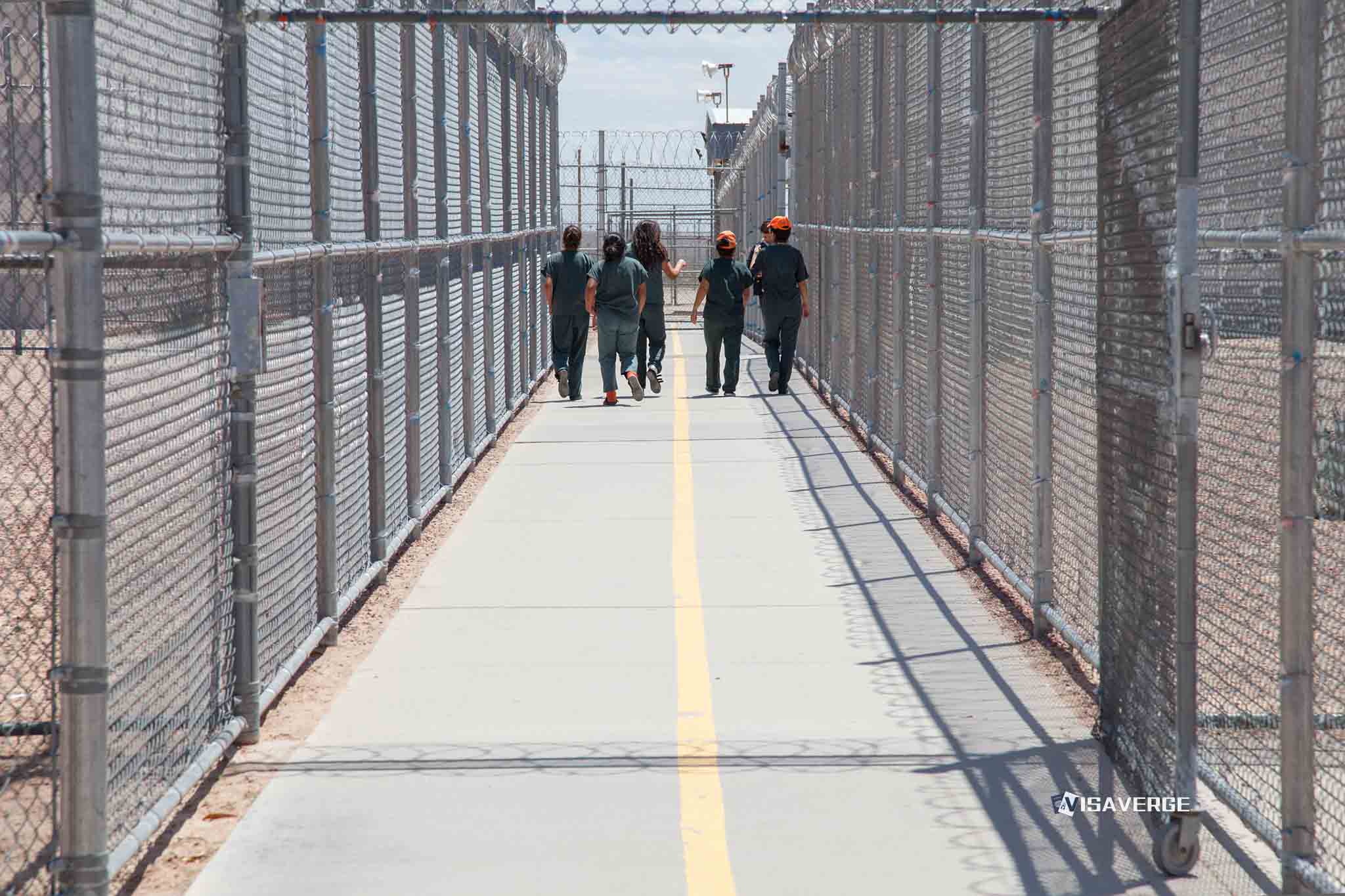
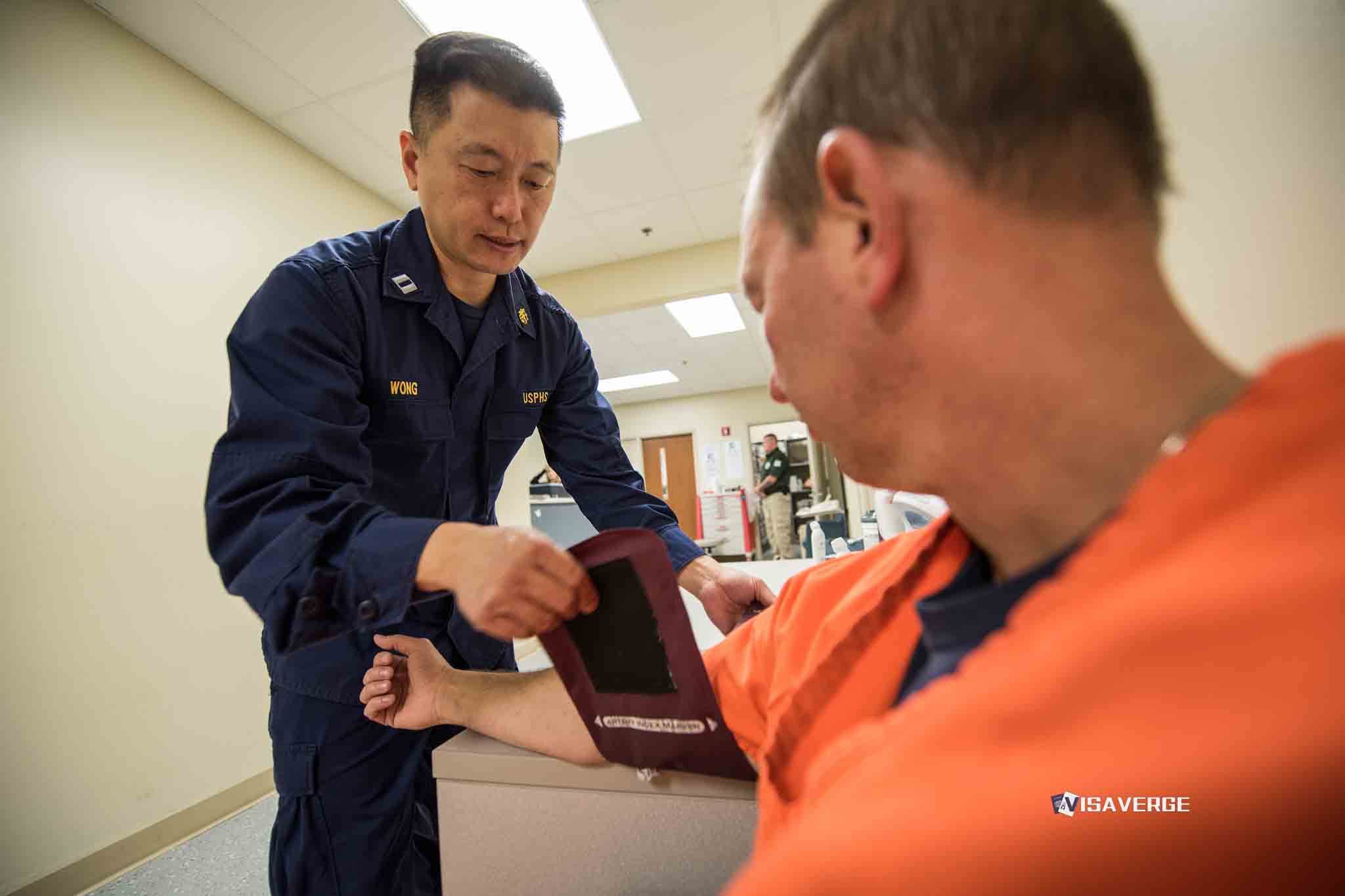
- ICE splits training between eight-week ERO programs and comprehensive 27-week HSI special agent courses.
- August 2025 policy changes removed Spanish language requirements for ERO recruits, favoring translation technology.
- A massive 120 percent manpower increase has added 12,000 new officers and agents within one year.
(UNITED STATES) — ICE has split its frontline workforce into two very different training pipelines, and the gap has widened: Enforcement and Removal Operations (ERO) officers are now prepared through an academy of about 8 weeks while Homeland Security Investigations (HSI) special agents still complete a far longer 25–27 week course.
Officials describe the shorter ERO program as a response to urgent staffing goals and modernized instruction, but the change has also intensified debates about field readiness, accountability, and due process during fast-paced enforcement actions.

ERO and HSI sit inside the same agency, yet they do different jobs. ERO typically focuses on locating, arresting, detaining, and removing people who violate U.S. immigration law. HSI typically investigates crimes that often cross borders, from trafficking networks to financial and cyber cases.
That mission split drives the academy design. ERO training is geared toward operational enforcement tasks and safety in high-contact situations. HSI training is built around complex investigations, evidence rules, and courtroom-ready case building.
Hiring pushes and curricula can change quickly. Prospective applicants and advocates should confirm current requirements in official postings and updates, not social media summaries.
Discussion of training and recruitment expansion has increased for that reason.
Section 2: ERO Training
ERO’s current academy model is described as compressed and intense. The program runs about 8 weeks and is organized as 48 training days, often six days a week.
The practical effect is faster onboarding into field offices during a period of rapid hiring. It also raises the stakes for field training after graduation. That phase can determine whether academy skills translate into safe, lawful, well-documented enforcement work.
Curriculum themes commonly described for ERO track the job’s daily demands. Classroom work covers immigration law and procedure, including constitutional limits such as the Fourth Amendment and the structure of removal proceedings under the Immigration and Nationality Act of 1952.
Skills blocks typically emphasize officer safety, defensive tactics, firearms proficiency, emergency response driving, physical conditioning, and report writing. Documentation matters: supervisors, immigration courts, and outside reviewers rely on accurate records when questions arise about stops, arrests, custody decisions, and removals.
A major shift came in August 2025, when ICE removed a formal Spanish-language requirement for ERO recruits that previously consumed academy time. The replacement is a stronger reliance on translation technology.
Supporters argue it speeds staffing and reflects modern field tools. Critics counter that language ability affects more than basic comprehension, especially during rapid encounters where tone, context, and consent can be contested later.
✅ How translation technology is used in practice for ERO training and potential gaps where human language proficiency remains important Translation apps and interpreter lines can help confirm identity details, explain basic instructions, and reduce misunderstandings during processing. Limits can surface in chaotic scenes, during simultaneous multi-party conversations, when slang or regional phrasing matters, or when a person is distressed. In those moments, reliance on devices may slow de-escalation and complicate informed communication. Many agencies address that gap through continued training, access to qualified interpreters, and stricter supervisory review of reports where language barriers shaped an encounter.
Shortened training does not automatically mean “less training forever.” It often means the agency expects more learning to happen later through field instruction, refresher blocks, and performance monitoring.
That approach can work, but only with strong supervision and consistent standards across offices. It also affects public confidence when outcomes hinge on split-second judgment.
Reporting on training intensity at FLETC has also drawn attention to day-to-day preparation, including at FLETC Brunswick.
Section 3: HSI Training
HSI special agents follow a two-phase model designed for long investigations and courtroom-focused casework. Total training is described as about 25–27 weeks at FLETC in Glynco, Georgia.
Phase one is the Criminal Investigator Training Program (CITP), a 12-week course shared with other federal agencies. CITP is the foundation: criminal procedure concepts, investigative methods, interviewing basics, and core law enforcement skills that apply across agencies.
The goal is a baseline professional standard before agents move into an HSI-specific framework.
Phase two is HSI Special Agent Training (HSISAT), typically 13–15 weeks. HSISAT concentrates on HSI statutory authorities and investigative areas.
Training themes often include case management, evidence handling, financial investigations, cyber and computer forensics, undercover techniques, and asset forfeiture. That content reflects the pace of HSI work.
Agents must build records that can survive defense challenges, prosecutor review, and judicial scrutiny. HSI also requires an investigative mindset. Reports are written for future readers: supervisors, prosecutors, defense counsel, and juries.
Coordination is routine, including work with prosecutors and partner agencies. Ethical and legal limits matter because mistakes can collapse a case or lead to suppression of evidence. Post-academy assignments vary by office, and specialized instruction can follow depending on mission needs and threat priorities.
A broader picture of how HSI fits into ICE’s footprint is discussed in ICE operations.
Section 4: Significant 2025–2026 Context & Policy Changes
Rapid growth is the backdrop. On January 3, 2026, ICE announced a 120% manpower increase, adding 12,000 new officers and agents in under a year and bringing the total force to 22,000.
The agency tied that buildout to funding in the One Big Beautiful Bill Act (July 2025). Hiring at that speed can strain any training pipeline. It can also strain the less visible layers: field training officers, supervisors, and quality-control review of reports and use-of-force documentation.
⚠️ Note the official dates and statements: 8-week ERO training; Spanish-language removal in August 2025; January 16, 2026 DHS statement; January 3, 2026 manpower surge
Language policy became a flashpoint because it touches safety, consent, and due process. Translation technology can be helpful, but it changes how communication is audited after the fact.
If a critical instruction was delivered through a device or a third-party interpreter line, supervisors and reviewers may ask how accuracy was confirmed. That can shape internal accountability and public trust, especially when events move quickly.
Public scrutiny sharpened after a fatal shooting in Minneapolis on January 7, 2026, which triggered national debate about whether an 8 weeks academy can prepare officers for high-risk encounters.
Commentators have drawn connections between training length, de-escalation, and safe decision-making. Agencies and unions often respond that training is not only an academy number, but a chain of preparation that includes field oversight and continued instruction.
Official messaging has focused on rigor and modernization. On January 16, 2026, DHS Secretary Tricia McLaughlin described “months of rigorous training and selection” at FLETC and said candidates receive “extensive training over eight weeks” that includes conflict management and de-escalation, alongside firearms and driving training.
Acting ICE Director Todd Lyons also confirmed the six-day-a-week structure and said ICE “continuously evaluates and modernizes its training programs,” including cutting redundancy and adding technology.
Policy and practice can diverge. A policy can remove a classroom requirement, yet field offices may still prefer bilingual hires. A memo may standardize an approach, yet supervisors may enforce it differently across locations.
Readers following enforcement debates may find value in policy shift coverage and in analysis of policy risks.
Section 5: Summary of Key Facts (Side-by-Side)
Career fit often comes down to work style. ERO tends to be operations-driven, with a heavy emphasis on arrests, transport, detention coordination, and removal-related paperwork. HSI tends to be investigation-driven, with longer timelines, evidence handling, informant and undercover considerations, and frequent coordination with prosecutors.
Both roles demand report writing and rule compliance, but HSI typically lives and dies by case files that must stand up in court. Glynco, Georgia is the central training setting for both tracks at FLETC.
The structured environment is similar in that recruits are evaluated on professionalism and performance under stress. Daily experience diverges after graduation. ERO work can be fast and unpredictable, often in teams executing time-sensitive actions.
HSI work can be slower at first, then intense near enforcement operations, arrests, or search warrants, with long documentation cycles afterward.
Decision factors are practical. Candidates who prefer investigative depth, financial tracing, and courtroom preparation may lean toward HSI. Candidates who prefer direct operational tempo and removal-related enforcement may lean toward ERO.
Tolerance for writing-heavy workloads matters in both. So does comfort with supervision and continuing training after the academy.
| Feature | ERO (Deportation Officer) | HSI (Special Agent) |
|---|---|---|
| Training duration | 8 weeks (48 training days, often six days a week) | 25–27 weeks total |
| Structure | Compressed academy focused on operational enforcement readiness | Two-phase: CITP (12 weeks) + HSISAT (13–15 weeks) |
| Core mission | Identification, arrest, detention, and removal under immigration law | Criminal investigations into transnational crimes |
| Curriculum themes | Immigration law and procedure, officer safety, tactical skills, driving, physical conditioning, report writing | Criminal procedure, evidence, case management, financial investigations, cyber/computer forensics, undercover work, asset forfeiture |
| Language expectation | Formal Spanish-language requirement removed in August 2025; increased reliance on translation technology | Varies by assignment and office needs |
| Public debate drivers | Faster onboarding tied to hiring surge; accountability questions after January 7, 2026 Minneapolis incident | Longer academy seen as aligned with investigative complexity |
Section 6: Official Sources & References
DHS and ICE publish updates that can change the picture quickly. DHS Newsroom is typically best for official announcements and leadership statements, including staffing initiatives and policy framing. ICE.gov is commonly where program pages and mission descriptions appear, including academy overviews for components.
USAJOBS postings are the most practical place to confirm current eligibility rules, conditions of employment, and whether language skills are preferred or required for a specific opening.
Readers should check page dates, save screenshots or PDFs of postings, and track changes over time. A timestamp matters when a hiring surge is underway. Distinguish official statements from commentary, and treat social media summaries as leads to verify, not final authority.
This article analyzes government announcements and policy changes. For legal precision or changing requirements, readers should consult official sources. Procedural implications can vary by posting and over time; verify current postings and dates on official sites.