(PENNSYLVANIA, UNITED STATES) A long-time Pennsylvania resident was suddenly removed from the country and put on a flight to Guatemala after what began as a minor fender bender on his way to work, turning an everyday traffic mishap into a stark example of how quickly immigration enforcement can move in the United States.
What happened to Pablo Sosa
According to multiple reports, Pablo Sosa, who had lived in the United States for around 20 years, was driving to his job when he was involved in a small traffic accident, described as a fender bender. No one has suggested the crash was serious.
What would normally end in an exchange of insurance information or a simple ticket instead led to local police contact. That contact prompted federal immigration checks, and the routine crash became the start of Sosa’s fast removal from the country.
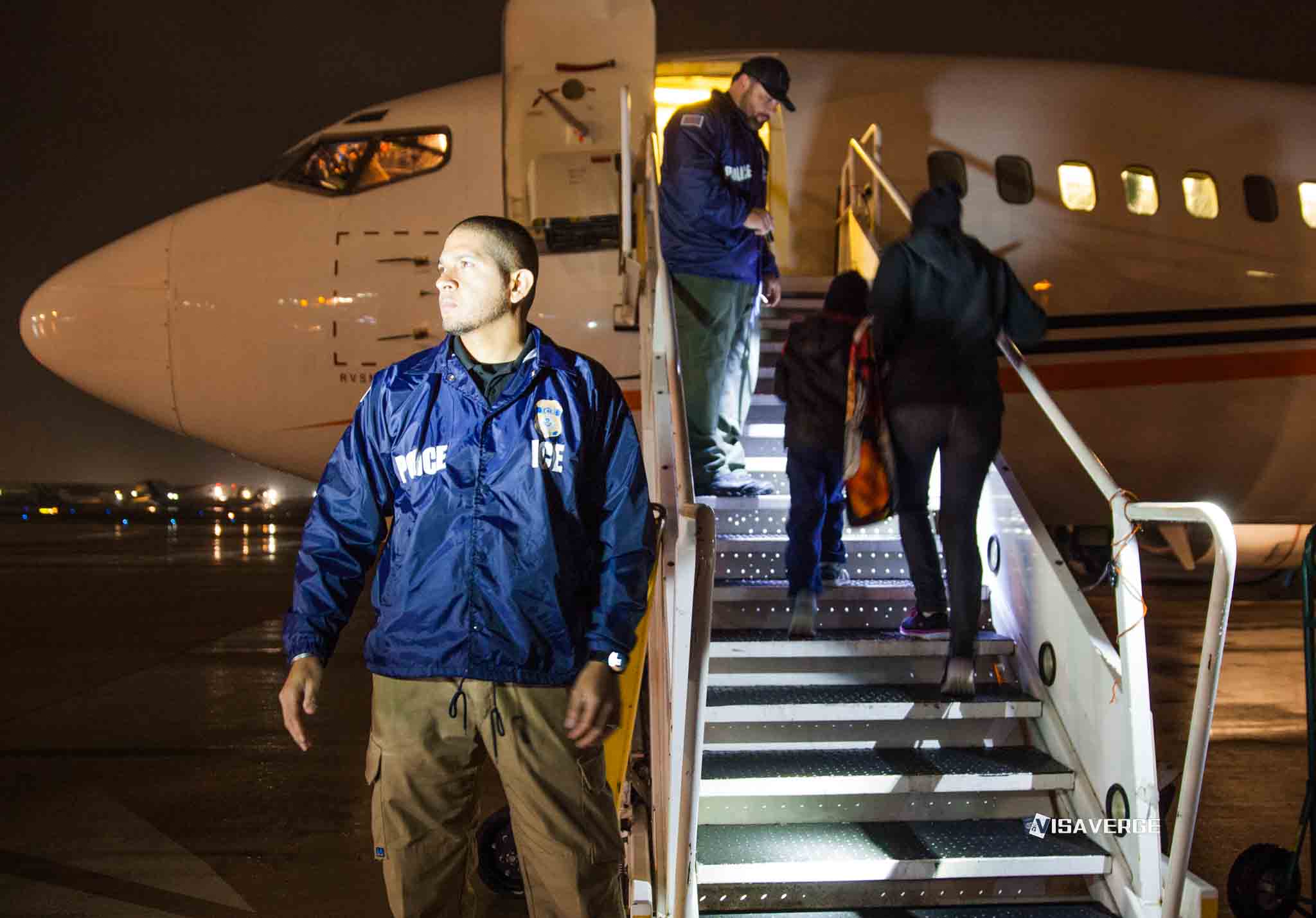
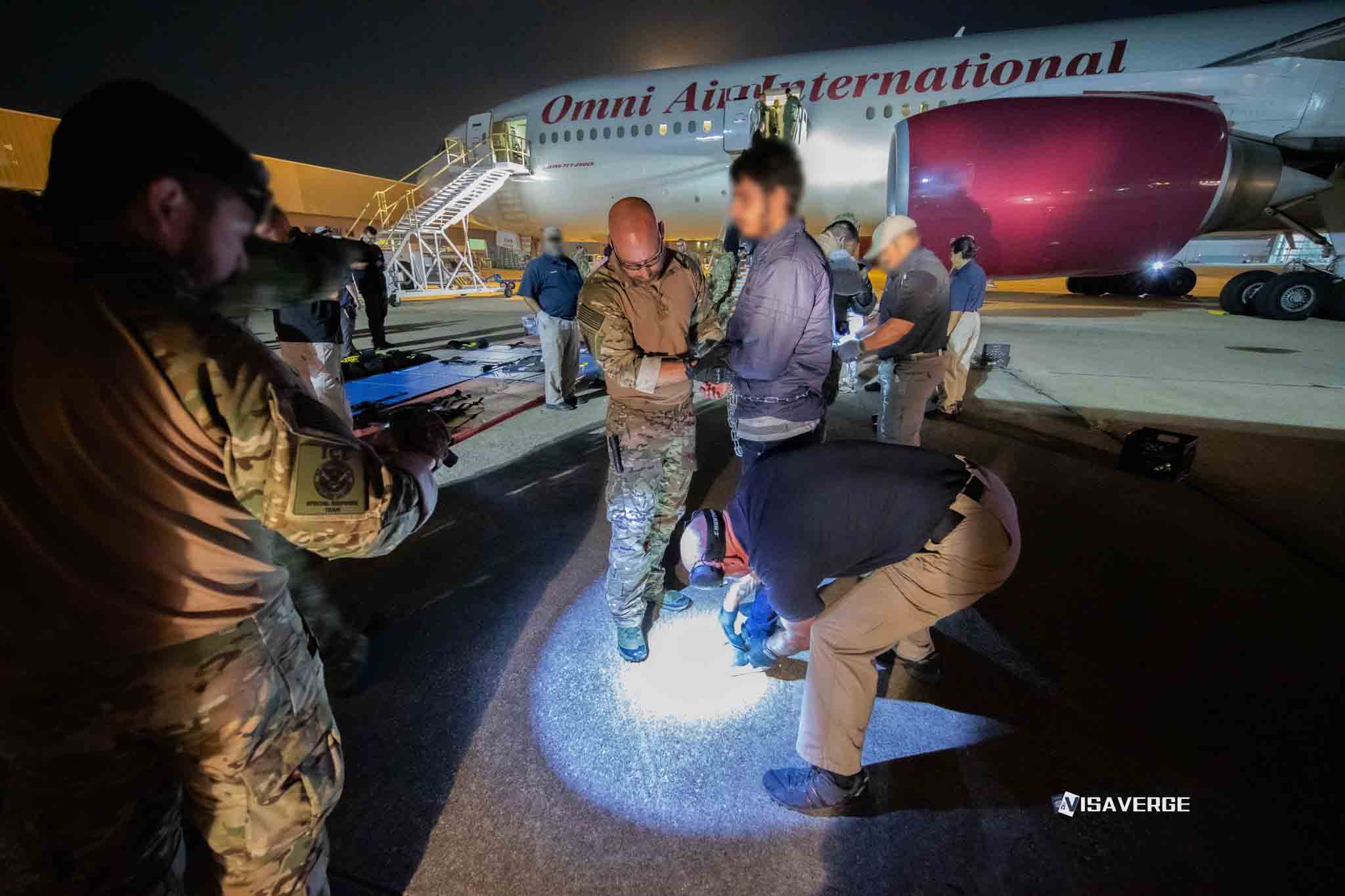
Once local authorities became involved, immigration officials determined that Sosa was not lawfully present in the United States. That discovery set off a chain of events: local law enforcement interaction, an immigration status check, then a handover to federal immigration agents. Sosa was quickly taken into custody by U.S. Immigration and Customs Enforcement (ICE) and deported to Guatemala, the country he had left roughly two decades earlier.
How the enforcement process often works
When local police run a driver’s information, that data can be shared with federal databases. If immigration records flag a person as lacking legal status or having a past order of removal, ICE may step in.
| India | China | ROW | |
|---|---|---|---|
| EB-1 | Apr 01, 2023 ▲31d | Apr 01, 2023 ▲31d | Current |
| EB-2 | Jul 15, 2014 ▲303d | Sep 01, 2021 | Current |
| EB-3 | Nov 15, 2013 | Jun 15, 2021 ▲45d | Jun 01, 2024 ▲244d |
| F-1 | May 01, 2017 ▲174d | May 01, 2017 ▲174d | May 01, 2017 ▲174d |
| F-2A | Feb 01, 2024 | Feb 01, 2024 | Feb 01, 2024 |
- The agency’s Enforcement and Removal Operations arm is responsible for locating, arresting, detaining, and removing people who are in the country without authorization or who have certain criminal records.
- More about the agency is available on its website: U.S. Immigration and Customs Enforcement.
Typical sequence in cases like Sosa’s
- Local law enforcement stops or interacts with a person (e.g., traffic stop, accident).
- Officer runs identifying information (license, plate, name).
- Information is checked against federal databases.
- If flagged, local authorities may turn the person over to ICE.
- ICE custody can lead to detention and removal proceedings.
A simple table summarizing the flow:
| Step | Action |
|---|---|
| 1 | Local police contact (traffic stop / accident) |
| 2 | Driver’s information checked in databases |
| 3 | Federal flag (lack of status / prior removal order) |
| 4 | Transfer to ICE custody |
| 5 | Detention and possible removal to country of origin |
Legal context and limitations
Legal experts note that, in many situations, once ICE takes custody the process can move very fast, especially if the person already has a past removal order or lacks a realistic path to adjust status.
- Some people may seek relief (e.g., asylum, family-based petitions, protections for crime victims).
- Many long-term residents, however, do not qualify for these forms of relief.
- Without a strong legal defense, a person can go from a local police station to an immigration detention center and then onto a deportation flight in a matter of days or weeks.
Reactions and perspectives
Supporters of stricter enforcement argue:
– The law is clear: if someone has no legal status, any contact with authorities can and should lead to action.
– Immigration laws must be applied consistently; officials do not need a serious crime to begin proceedings.
Immigrant rights groups counter:
– Long-term residents who stay out of serious trouble and contribute to their communities should not be torn away over a fender bender or other low-level issues.
– Many undocumented residents pay taxes, raise U.S. citizen children, and support local economies.
– Sosa’s quick removal shows how little room current law leaves for mercy, family ties, or community roots when immigration status is in question.
“Low-level encounters with law enforcement can become the doorway to removal for people who have quietly lived in American communities for years.” — analysis cited by VisaVerge.com
Local impact in Pennsylvania
Pennsylvania advocates say the case has spread fear among undocumented workers who drive to jobs in construction, agriculture, restaurants, and factories. Simple issues like a broken taillight, a missed stop sign, or a slight bump at an intersection now feel like potential doorways to ICE custody.
- Lawyers report more clients asking what to do after minor collisions or traffic stops.
- Common questions include whether to call a lawyer after any contact with police and how to protect family members if taken into custody.
Human and community consequences
The emotional and financial impact on families can be severe.
- Long-term residents frequently have deep ties: U.S.-born children, spouses, mortgages, church communities, and steady jobs.
- When someone is deported suddenly, families can lose their main breadwinner overnight.
- Children may wake up to find a parent gone, unsure when or if they will return.
Community members in Pennsylvania say Sosa’s case is a reminder of how fragile stability can be when one small accident or traffic stop can break apart years of life-building.
Broader policy debate
Sosa’s case fits into a wider national debate over local cooperation with federal immigration enforcement.
- Some cities and counties limit how much they share with ICE, especially for low-level offenses, arguing that cooperation makes immigrants afraid to report crimes or speak to police.
- Other jurisdictions insist on full cooperation, saying they will not “harbor” anyone without legal status, regardless of the offense.
For now, federal immigration law allows ICE broad authority to act once a person without legal status comes to its attention. That means a Pennsylvania worker like Pablo Sosa can spend nearly half his life building a life in the United States, only to see it undone after a minor crash in morning traffic.
Key takeaway
Sosa’s fender bender and rapid removal to Guatemala have echoed through immigrant communities, adding a new, pervasive fear: that the next small accident could be the one that sends them away.
Pablo Sosa, who lived in Pennsylvania for nearly 20 years, was stopped after a minor fender bender and found to lack lawful status. Local authorities ran his information, which led to ICE taking custody and quickly deporting him to Guatemala. The case highlights how routine traffic incidents can escalate into rapid immigration enforcement, raising fear among immigrant communities and prompting calls for legal resources and debate over local-federal cooperation on immigration checks.