(INDIANAPOLIS) Dozens of immigrants who had already passed every step toward becoming American citizens were blocked from taking the oath of allegiance at a naturalization ceremony in Indianapolis on Thursday, December 4, 2025, after federal officials pulled them out of line moments before the final step. The ceremony at Fuel Hall, which was meant to be a celebration of new citizens, instead ended in confusion and fear for people told they could not proceed because of their countries of origin.
What happened at the Fuel Hall ceremony
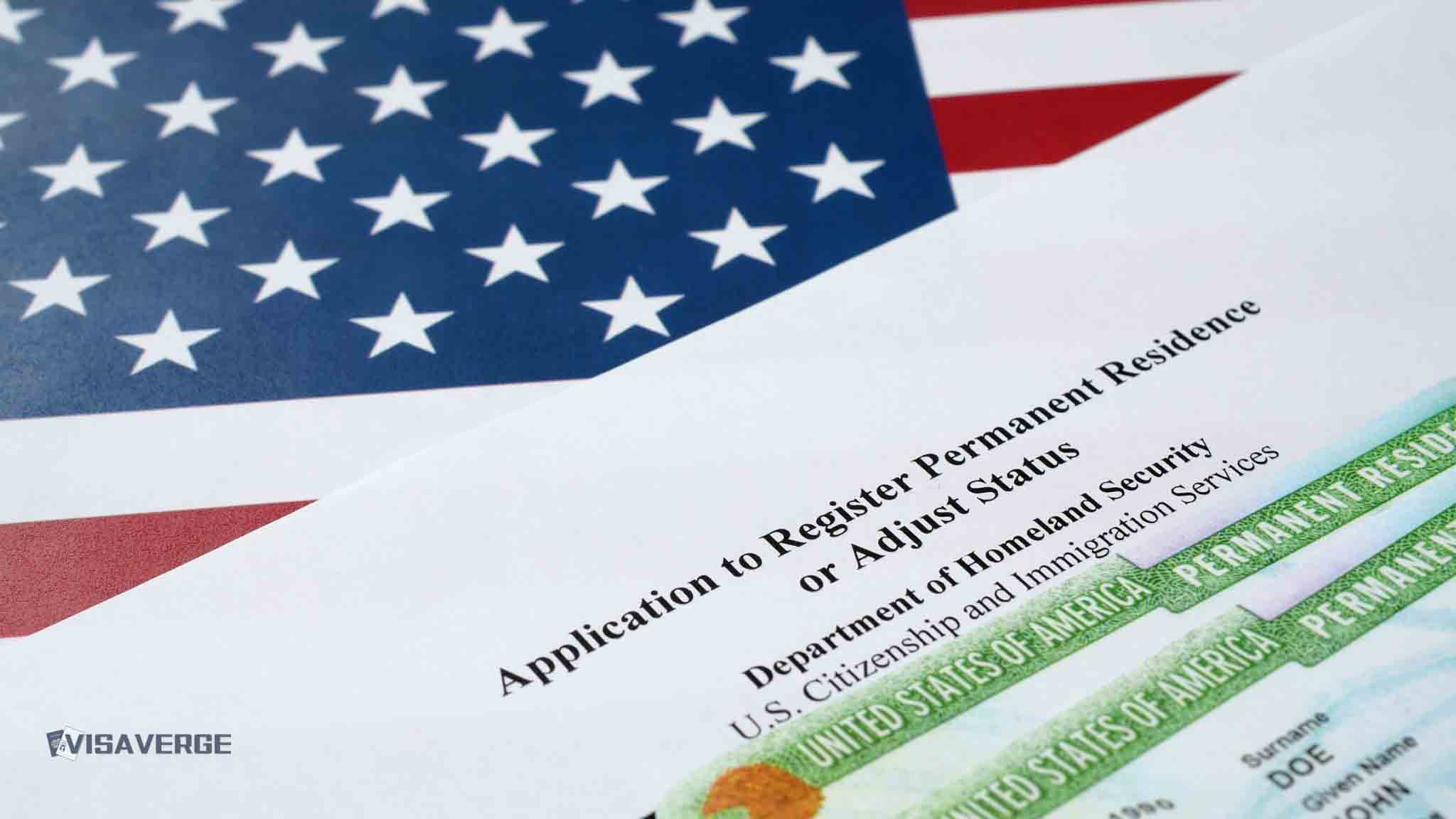
According to those present, the affected applicants had already been fully approved by US Citizenship and Immigration Services (USCIS). Many had completed interviews, passed English and civics tests, cleared background checks, and received official notices to appear at the Indianapolis event.
Some applicants even saw their naturalization certificates already printed, only to learn, at the last minute, that they would not be allowed to take the oath of allegiance that day.
USCIS officers on site told several would‑be citizens that a recent policy change under the Trump administration meant they could not move forward with the ceremony based on their nationality. While the exact list of countries and the internal guidance have not been released publicly, advocacy groups say the pattern is clear: specific nationalities are now facing new barriers at the very end of the process.
How the denials unfolded
The ceremony drew applicants from across Indiana who had waited months, and in some cases years, for this day. Naturalization ceremonies are usually the final, deeply symbolic step in the process.
USCIS itself explains on its naturalization ceremonies page that applicants do not become citizens until they stand, raise their right hand, and take the oath of allegiance. According to analysis by VisaVerge.com, this moment is normally a formality once USCIS has approved the application, and last‑minute denials at the ceremony itself are rare.
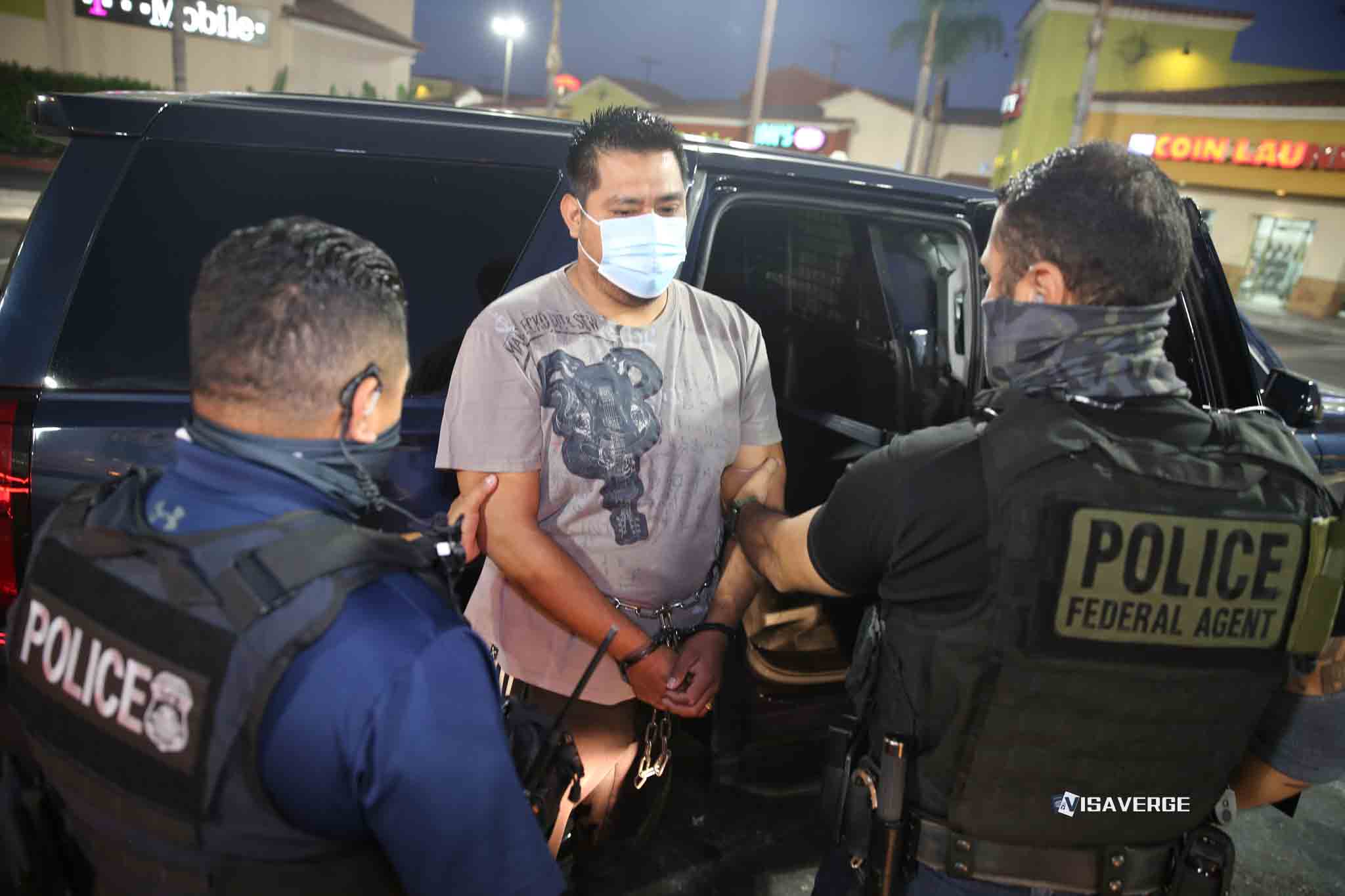
This time, however, many immigrants reported being pulled out of line just before entering the hall or even after they were already seated and waiting for their names to be called. Others received abrupt cancellation notices shortly before the event they had prepared for, arranged work schedules around, and invited family and friends to attend.
Community response and immediate impacts
Immigrant advocacy groups in the city say they quickly began hearing from multiple families on Thursday. The Mirror Coalition, a local organization that works with refugee and immigrant communities, reported that “multiple clients” were turned away from the Indianapolis ceremony or had their ceremonies canceled in the hours leading up to the event.
With no clear written explanation and only brief comments from officers on site, many affected people left not knowing when, or if, they would be allowed to take the oath of allegiance.
The human cost was evident: families canceled post‑ceremony celebrations, parents had to explain delays to children, and people worried about upcoming elections they had hoped to vote in for the first time. Some had arranged time off or traveled long distances across Indiana only to return home with no new date and no written explanation beyond a brief verbal reference to a Trump‑era rule.
People who had completed every step of the federal process now fear that final approval is not a guarantee. Even a printed naturalization certificate and a reserved seat in the ceremony room were not always enough.
Legal and procedural context
The denials appear to be part of a broader federal push to tighten checks on certain nationalities, even for immigrants who are already at the final stage of their citizenship journey. While nationality‑based security screening is not new in the immigration system, lawyers say using such screening at the oath stage of a naturalization ceremony is a new and harsh twist.
That change means people who have met every legal requirement can still be stopped without warning, based only on where they were born.
Lawyers and advocates in Indianapolis are preparing to challenge the new practice, but the path forward is complicated. Because the policy is tied to internal USCIS decision‑making and national security reviews, many details remain secret. Without clear written standards, applicants and their attorneys struggle to predict who will be affected, when delays might end, or what extra evidence—if any—could clear the way to a rescheduled ceremony.
USCIS rules about missed ceremonies
Normally, if applicants miss a ceremony, USCIS instructs them to return their N-445 Notice of Naturalization Oath Ceremony with an explanation so the agency can reschedule. The notice gives the date, time, and place of the ceremony and includes checkboxes where an applicant can indicate whether they attended or request a new date.
USCIS guidance states that failing to return the Form N‑445 or missing repeated ceremonies without a good reason can lead to denial of the naturalization application.
In the Indianapolis case, however, many of those denied say they did show up on time, fully ready to complete the process, only to be blocked by officers enforcing the new policy. That leaves them in an unclear position: they followed USCIS instructions, yet were treated as if they could not complete the ceremony for reasons outside their control.
Community groups now worry that returned N‑445 forms, or records of missed ceremonies, might later be used against applicants if their cases are reviewed.
Wider political and legal ramifications
The events in Indianapolis come at a moment when citizenship rules in Indiana and across the United States are under sharper legal and political debate.
Voting rights advocates have already taken state officials to court over proof‑of‑citizenship requirements tied to voter registration, arguing the state relies on outdated or incorrect federal data when trying to verify who is a citizen. Those lawsuits warn that naturalized citizens, especially those born abroad, are more likely to be wrongly flagged or asked to provide extra proof.
The sudden denial of the oath at a naturalization ceremony adds a fresh layer to those concerns: if the final ceremony can be blocked on the basis of nationality, the path to full civic participation is more uncertain for many.
Advice for affected applicants
Local organizations are urging anyone affected at Fuel Hall to keep thorough records and follow these steps:
- Keep copies of all notices and documents:
- N‑445 notices
- Any printed naturalization certificates shown
- Any written cancellations or communications from USCIS
- Check USCIS tools and guidance:
- Use the USCIS case status tool to monitor updates.
- Review the USCIS naturalization ceremonies page for rescheduling and attendance rules.
- Seek legal help:
- Contact immigrant advocacy groups or an immigration attorney to discuss possible challenges or next steps.
Final note
USCIS has not issued a detailed public statement on the Indianapolis denials. Standard policy says applicants not approved at the time of the ceremony should receive notice of the reason and information about next steps. The agency’s website stresses that people remain lawful permanent residents until they take the oath of allegiance and receive their certificates, meaning their green card rights continue, but their path to the ballot box and to full civic participation remains on hold.
For Indianapolis, a city that often celebrates new citizens at public events, the December 4, 2025 ceremony became a stark reminder that policy shifts in Washington can reshape lives in a single morning. Instead of leaving Fuel Hall as Americans, dozens of immigrants walked back into the cold Indiana air still waiting, once again, for the chance to raise their right hand and complete the oath of allegiance they had long prepared to take.
At a December 4, 2025, ceremony in Indianapolis, dozens of approved naturalization applicants were stopped from taking the oath of allegiance after USCIS officers enforced a recent nationality-based policy change. Many had completed all legal requirements and even had printed certificates. Local advocacy groups documented multiple cancellations, urging affected people to retain documents, return Form N-445 as directed, and seek legal counsel. USCIS has not released detailed public guidance, prompting concerns about transparency and potential impacts on voting rights and civic participation.