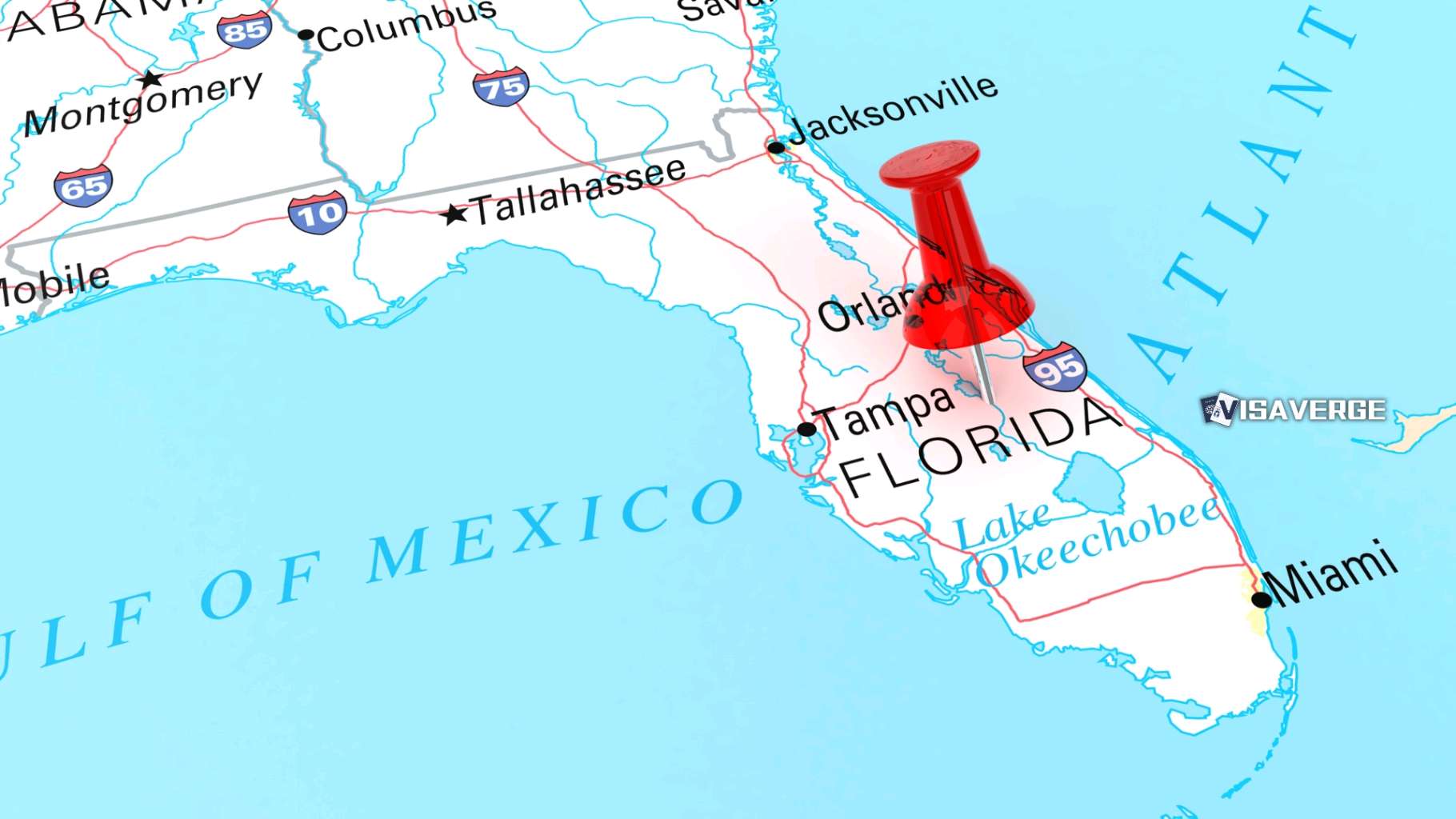
- Florida’s HB 915 law implements strict penalties for notario fraud and unauthorized immigration legal services.
- Notaries are strictly prohibited from using the term notario without mandatory bilingual legal disclaimers.
- Violators now face jail time and heavy fines for misleading advertisements or providing unlicensed legal advice.
(FLORIDA) Florida’s HB 915 puts sharper teeth behind the state’s fight against notario fraud, and immigrants now have clearer tools to spot scams before they destroy a case, a paycheck, or a family’s immigration future. The law, effective July 1, 2025, bans misleading ads, false promises, and unauthorized legal help, while exposing violators to civil fines and misdemeanor charges.
For many families, the risk starts with a familiar word. In much of Latin America, a notario público is a legal professional with authority to give advice and prepare documents. In Florida, a notary public does none of that. A notary only witnesses signatures, verifies identity, and administers oaths. Anyone who claims otherwise is crossing a legal line.
Why the new law matters in daily life
Florida’s immigrant population makes the state a prime target for scams. Fraudsters often approach recent arrivals, Spanish-speakers, seniors, and people with urgent status problems. They promise green cards, work permits, or deportation relief. Then they file the wrong forms, miss deadlines, or collect money and disappear.
Free toolUSCIS Receipt Number DecoderThe damage is often immediate. A bad filing can trigger denial notices, loss of fees, delays in work authorization, or exposure to removal proceedings. A fake consultant can also create criminal problems if documents are forged or signatures are altered. VisaVerge.com reports that Florida’s tougher enforcement has become a model for local anti-fraud action because it targets the people most likely to be harmed first.
What HB 915 forbids
HB 915 amended Florida’s notary, consumer protection, and unauthorized-practice laws. It creates clear limits on what a notary may say, advertise, or sell.
Illegal conduct includes:
- using words like “notario,” “notario público,” “immigration specialist,” or similar claims without the required disclaimer
- offering immigration legal advice
- preparing forms such as
Form I-485for adjustment of status - claiming to handle deportation defense, DACA renewals, or citizenship cases
- guaranteeing results, including “100% approval”
- forging signatures, altering documents, or hiding fees
Every ad, flyer, sign, website, and business card must carry the bilingual warning: “I am not an attorney licensed to practice law in the State of Florida and may not give legal advice or accept fees for legal advice.” That statement is not optional. It is the first line of defense for a confused client.
How the enforcement timeline works
Florida began enforcement after July 1, 2025, and state agencies moved quickly. The Department of State created a public disciplinary database that helps people check whether a notary has been suspended, revoked, or disciplined. That database now acts as a screening tool before any money changes hands.
By 2026, the state had already logged more than 200 disciplinary entries, including complaints tied to immigration scams. Officials also reported a sharp rise in complaints after HB 915 took effect, which pushed more joint work between state investigators and local police. The process usually follows this path: a complaint is filed, investigators review the ad or transaction, and the state decides whether to suspend a commission, fine the violator, or refer the matter for prosecution.
Penalties that now hit harder
Florida now treats these abuses as more than consumer fraud. Depending on the conduct, penalties include fines, restitution, revocation of a notary commission, and criminal cases.
- A misleading ad can bring a fine up to $1,000
- Illegal immigration services can bring a $2,500 to $5,000 civil penalty
- Serious violations can trigger misdemeanor charges, with up to 1 year in jail and a $1,000 fine
- Forgery or repeat fraud can bring felony charges, with up to 5 years in prison
- Unauthorized practice of law can also lead to separate prosecution
The point is deterrence. Florida wants scammers to know that a cheap flyer or a rented office is not protection.
How immigrants can check a provider before paying
A careful check takes only a few minutes and can save years of trouble.
- Confirm an attorney’s license through the Florida Bar lawyer search.
- Verify a notary’s status in the Florida Department of State notary database.
- Review the USCIS page on how to avoid scams.
- Ask whether a nonprofit representative is DOJ-accredited before sharing documents.
- Refuse any provider who wants cash upfront, promises a result, or says the family must keep the arrangement secret.
A licensed attorney can represent a client in immigration court and before USCIS. A notary cannot. A reputable provider will say that clearly. A scammer will not.
Warning signs that almost always point to trouble
The strongest red flags are easy to spot once you know them. A business that uses Spanish-only “notario” marketing without the disclaimer is already violating Florida law. So is any office that demands a power of attorney for simple filings, asks clients to wire money abroad, or refuses to show a bar number or commission number. A fake expert often works from a home, a mall kiosk, or a back room with no posted credentials. These patterns matter because they usually appear before the money is gone.
Where victims report fraud
Florida gives victims several reporting paths. The primary state channel is the Department of State Division of Corporations hotline at 850-245-6975 and its complaint process. Consumer fraud complaints also go to the Florida Department of Agriculture and Consumer Services at 1-800-HELP-FLA. For criminal conduct, victims can contact the Florida Attorney General’s Office at 1-866-9NO-SCAM or local police.
Immigration fraud can also go to USCIS through its fraud reporting channel. Wire fraud belongs with federal law enforcement. Advocates and legal aid groups often help people file reports in Spanish, which matters because victims usually arrive frightened and unsure which office to trust.
What the early cases showed
Florida’s early enforcement offers a clear warning. State officials have investigated forged papers, fake consultants, and ads that hid the required disclaimer. In one Tampa case, a notario allegedly took money from Venezuelans by promising TPS help. In other cases, counties such as Miami-Dade and Broward saw immigration-related complaints that led to discipline and prosecution. Those cases show how quickly a small false promise becomes a larger legal and financial crisis.
Why community education still matters
HB 915 also pushes public education. State agencies and immigrant groups have expanded workshops, Spanish-language PSAs, and school outreach. That work matters because scams grow when families are afraid to ask questions. Clear rules do not help if people never hear them. The strongest protection is still simple: check the license, read the disclaimer, and never pay for legal advice from a notary.
For immigrants dealing with backlogs, permit delays, and rising pressure to act fast, that lesson lands hard. A rushed decision often costs more than a filing fee. It can cost status, work, and peace of mind.