- ICE launched Operation Catch of the Day in Maine, resulting in more than 100 arrests within three days.
- Local officials questioned the arrest of a recruit with valid work authorization until April 2029.
- Governor Janet Mills demanded federal authorities show judicial warrants instead of relying on administrative paperwork.
(CUMBERLAND COUNTY, MAINE) — On January 21, 2026, U.S. Immigration and Customs Enforcement (ICE) arrested a Cumberland County corrections officer recruit in Portland as part of a DHS operation targeting serious offenders, prompting local officials to question tactics and warrants while emphasizing that the individual had valid work authorization.
The arrest, carried out on Wednesday, January 21, 2026, put a county hiring decision on a collision course with federal immigration enforcement, raising questions about work authorization, public safety, and what due process looks like during fast-moving operations.
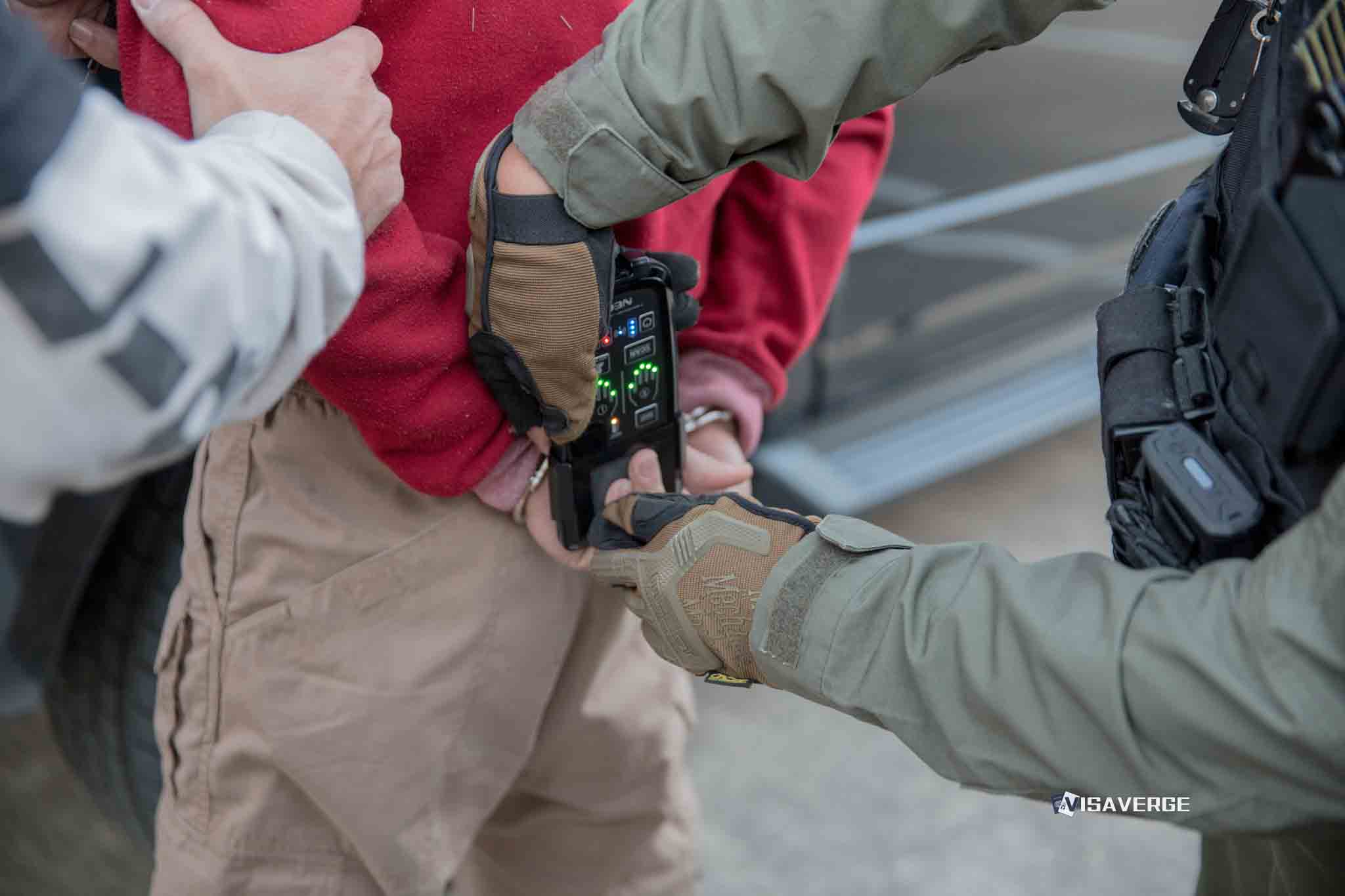
⚠️ ICE arrests in these cases are typically administrative immigration enforcement, not a local criminal arrest. People still have due process rights, and early claims should be checked against verified names, dates, and official statements.
Department of Homeland Security (DHS) officials framed the multi-day action as “Operation Catch of the Day,” describing it as a push aimed at serious offenders in Maine. Local officials, however, pointed to the recruit’s vetting record and valid I-9 form work authorization as evidence the arrest did not fit that public description.
DHS statements and operation scope
Assistant Secretary Tricia McLaughlin said DHS launched the initiative to “target the worst of the worst criminal illegal aliens in the state,” and cited arrests of people convicted of aggravated assault, false imprisonment, and endangering the welfare of a child. McLaughlin also criticized Gov. Janet Mills and other officials over cooperation and “sanctuary” policies.
ICE Deputy Assistant Director Patricia Hyde said on January 22, 2026 that ICE identified approximately 1,400 targets in Maine. Hyde also confirmed that more than 100 arrests were made in the first three days of the operation.
Operations like this are often planned in stages, beginning with target identification, address and workplace research, and arrest teams deployed over several days. Arrest totals announced early can reflect an enforcement surge, but they do not, by themselves, explain each person’s background, current work authorization, or whether the case is criminal or civil.
Public branding can also shape how communities react. In Maine, officials and community members said the operation name and aggressive posture changed daily routines quickly, including in workplaces and schools.
| Aspect | Details from Source | Implication for Readers |
|---|---|---|
| Operation name and goal | “Operation Catch of the Day,” described by DHS as targeting “the worst of the worst” | Public messaging may differ from who is arrested on the ground |
| Scale metrics | About 1,400 targets identified; more than 100 arrests in three days | Early counts show pace, not full case details |
| Local impact | 15–20% drop in school attendance reported | Enforcement surges can alter community behavior fast |
| Hiring vs. enforcement | Recruit passed county vetting and had work authorization until April 2029 | Work authorization does not always prevent detention during immigration enforcement |
| Warrant dispute | Governor demanded warrants be shown | Readers may hear “warrant” but should distinguish administrative vs. judicial |
Arrest details and local reaction
The Cumberland County corrections officer recruit was stopped in Portland’s Bayside neighborhood, where multiple federal agents in tactical vests pulled him over and took him into custody, according to eyewitness accounts and Sheriff Kevin Joyce. Joyce said agents left the recruit’s vehicle running and unsecured on the road, a detail he highlighted as a safety risk in a busy area.
That kind of scene matters for more than optics. An unsecured, running vehicle can create immediate danger for other drivers and pedestrians, and it can complicate later disputes over what happened during the stop.
A second arrest the same night added to the public reaction. ICE also arrested a York County Corrections Officer, Mauro Inacio Bernardo, an Angolan national employed since 2024, officials said.
After an ICE arrest, people are typically transported for intake and processing, including identity checks and paperwork that can take time to populate in public-facing systems. In many cases, a detainee may not appear immediately in ICE’s online detainee locator, and families often turn to legal counsel to confirm location and next steps.
Access to counsel and practical steps
Access to counsel can be time-sensitive. Initial custody decisions and transfers may happen quickly, and families may need to keep records of names, dates, and arrest locations to help an attorney locate someone.
Sheriff Joyce said the recruit was hired in February 2024 and described him as “squeaky clean,” citing criminal history checks, fingerprint checks, professional reference checks, and a polygraph examination. Joyce said the recruit’s I-9 form showed legal authorization to work in the United States until April 2029.
Form I-9 is the federal employment eligibility verification process employers use to review identity and work authorization documents. Passing an I-9 check means the employer examined acceptable documents and completed the form, but it is not a guarantee that immigration enforcement will never occur, especially if a person has separate immigration proceedings.
Work authorization can remain valid even when an immigration case is pending. People may have an employment authorization document or other qualifying authorization while they attend hearings and comply with reporting requirements, including travel for court dates.
Joyce said the recruit had recently traveled to Texas for an immigration hearing to remain in compliance with federal law. Immigration hearings can occur out of state, and missing them can carry serious consequences, which is why attorneys often urge careful tracking of notices and deadlines.
Employer responsibilities and agency impacts
For employers, I-9 compliance has its own limits and rules. Reverification is generally tied to expiring work authorization, but document handling must follow anti-discrimination requirements, and employers typically cannot demand specific documents from employees.
Multiple arrests involving public employees can ripple through staffing and public trust, especially in corrections, where shifts must be filled and facilities must remain secure. Even before any final outcome, an arrest can force schedule changes and trigger internal communications plans.
York County’s case also raised HR questions that agencies often face in these situations. Many employers place employees on administrative leave or begin an internal review, while coordinating public statements and preserving records, but legal options vary by case.
Sheriff Joyce criticized the Portland arrest as “bush-league policing” and said he questioned why a person with valid work authorization and no criminal record was taken into custody. “So what part of him is illegal? I don’t know,” Joyce said.
Gov. Janet Mills demanded that federal authorities show warrants and denounced what she called secrecy. “In America, we don’t believe in secret arrests or secret police. If they have warrants, show the warrants,” Mills said.
⚠️ Readers may hear “warrant” used broadly in public debates. An ICE administrative warrant is not the same as a judicial warrant signed by a judge, and each typically carries different authority.
In immigration enforcement, ICE often relies on administrative paperwork for civil immigration actions. A judicial warrant is typically issued by a court and can carry different legal weight, especially when questions arise about entering private spaces or compelling third-party action.
The dispute in Maine also reflected the wider tension between federal authority and local practice. Local agencies may share some information with federal authorities, decline cooperation in certain circumstances, or adopt policies that limit participation, depending on state and local rules.
Community effects and attendance
In Portland and Lewiston, officials and advocates said the operation changed daily behavior, even for families not directly targeted. Portland Public Schools reported a 15–20% drop in attendance at some schools following the start of the raids, reflecting fear that school drop-offs or bus stops could become risk points.
Corrections agencies also face a separate dilemma. Hiring can be rigorous, but employer vetting is not a substitute for immigration adjudication, and public safety agencies can be left managing morale and staffing uncertainty when federal actions intersect with local recruitment.
Advocacy groups cited a 4th quarter 2025 surge they described as increasing non-criminal ICE detentions, rising from 6% to 41% of detainees over the past year. Such figures can depend on how “non-criminal” is defined, and readers often need to compare categories across agencies and time periods before drawing conclusions.
Advice for families and where to look for confirmation
Families trying to respond to enforcement activity are often advised to seek credible, licensed legal help and to avoid notario fraud and online scams that promise guaranteed outcomes. Many households also prepare basic emergency contact plans, including childcare pickups and key document copies, though the right steps depend on individual circumstances.
Readers looking for confirmations can monitor DHS and ICE public statements, and compare them with on-the-ground statements from the Cumberland County Sheriff’s Office and the governor’s office. When claims spread quickly, checking the exact spelling of names, the date of the arrest, and the wording of quotes can prevent errors from snowballing.
For immigration process basics, USCIS maintains public guidance on employment eligibility verification and related topics, and federal systems may help track case activity when applicable. Official references include: USCIS, USCIS Case Status Online, myUSCIS, Cornell Law School Legal Information Institute, and U.S. Department of Justice.
Decisions about detention, court dates, or eligibility can turn on facts that are not public in early reporting. In many cases, only a qualified immigration attorney can assess options based on filings, hearing notices, and custody status.
This article discusses immigration enforcement actions. Readers should consult qualified legal counsel for individualized advice.
Information is based on official statements and reported details; ongoing investigations may update facts.