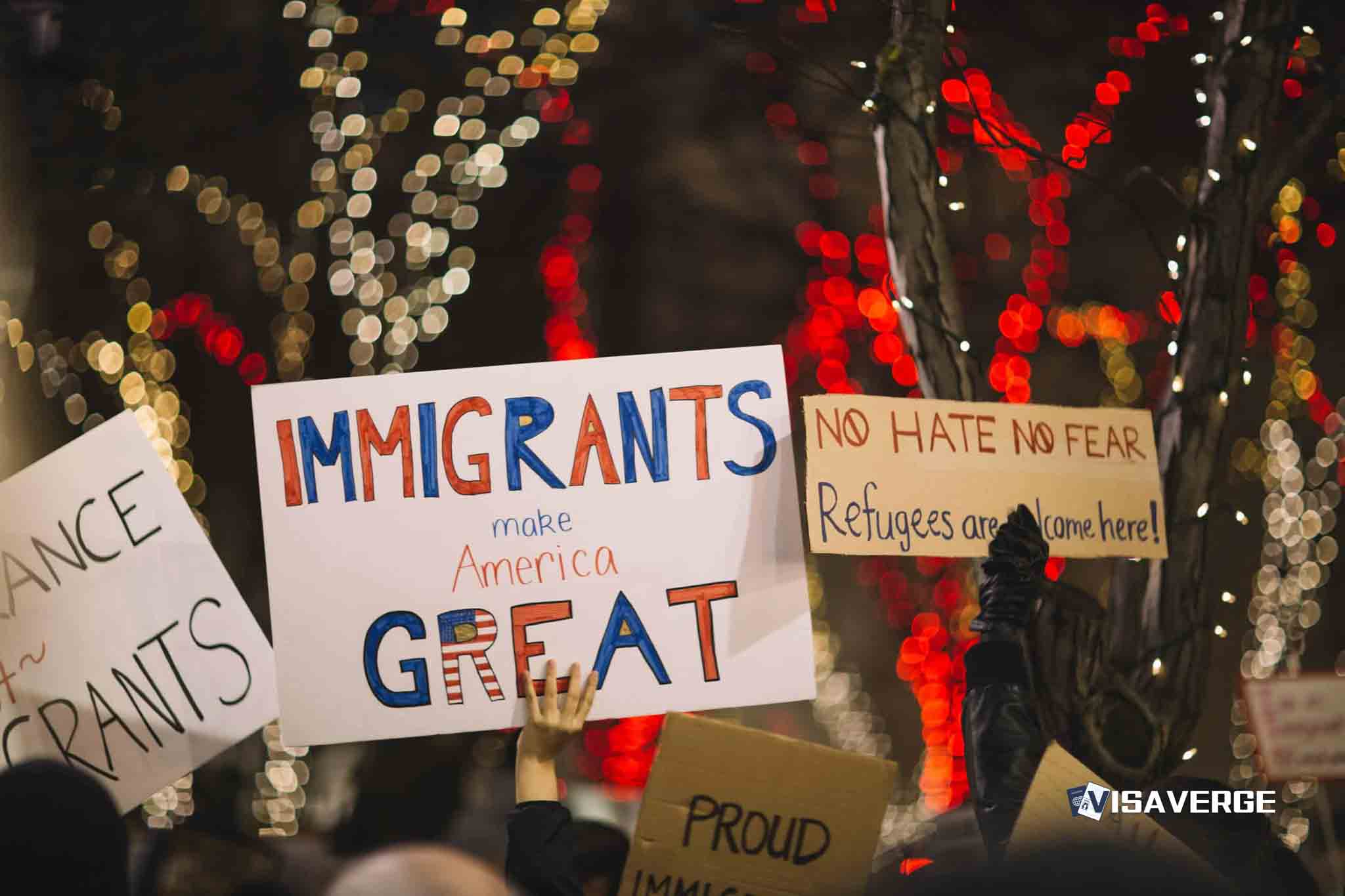
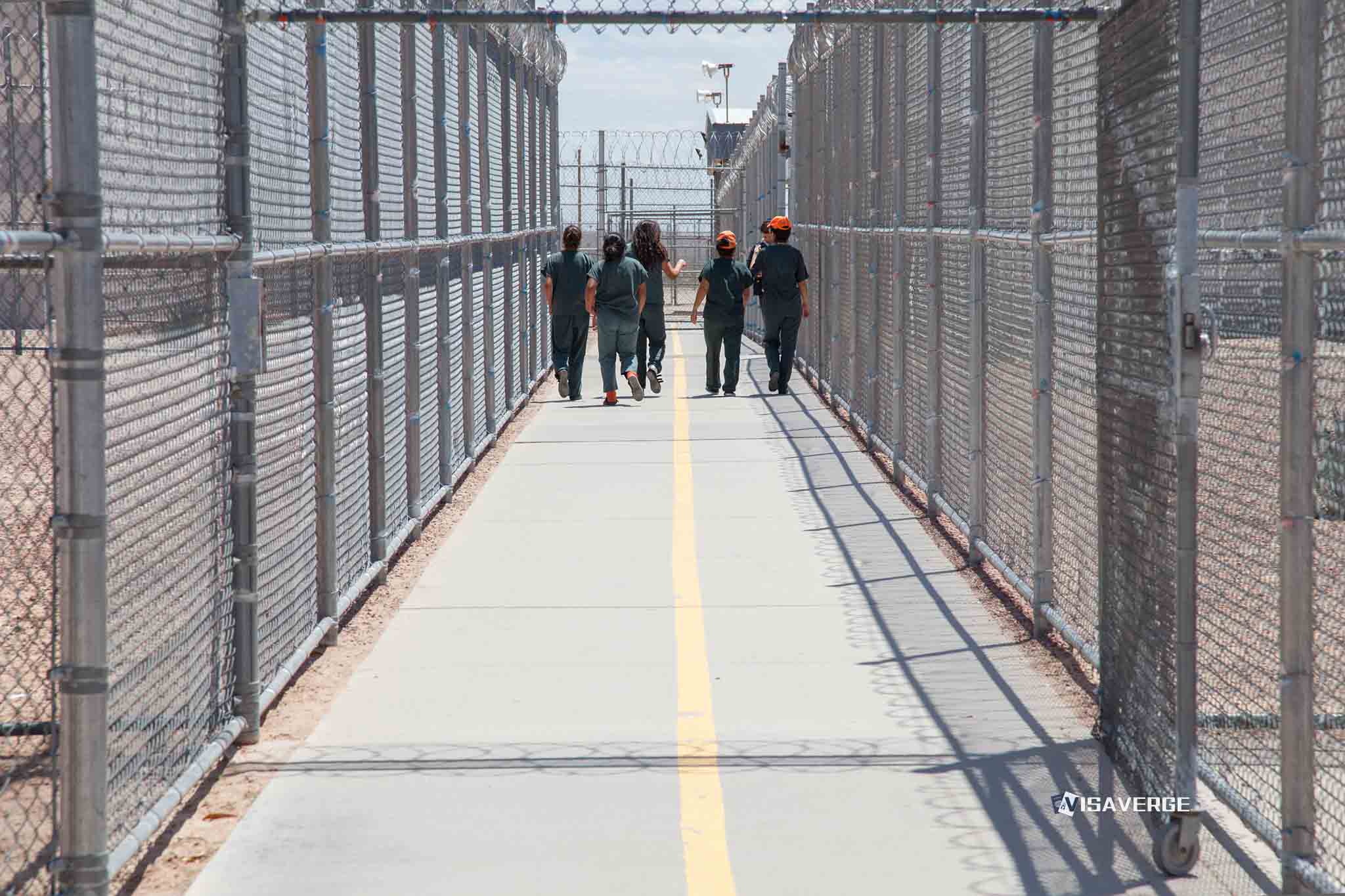
(COLUMBUS, OHIO) — A temporary Catholic dispensation issued this week in central Ohio is drawing attention to a concrete legal change already in effect: DHS’s January 2025 rescission of the federal “protected areas” policy, which had limited immigration enforcement activity at churches, schools, and certain other locations.
What changed, and when it became effective
On January 21, 2025, the Department of Homeland Security (DHS) publicly announced it had rescinded prior guidance that restricted enforcement actions in or near “protected areas” (previously called “sensitive locations”). DHS stated it would instead rely on officer discretion and “common sense.” The DHS statement and related directives are posted on dhs.gov (Jan. 21, 2025) and the rescission directive is dated January 20, 2025.
While DHS enforcement priorities can shift by administration, the legal takeaway for families is immediate: there is no longer a nationwide DHS policy that generally discourages immigration arrests at houses of worship. That change has been in place for almost a year.
The local trigger: “Operation Buckeye” and the Columbus Diocese decree
The Catholic Diocese of Columbus reports that a localized ICE operation, “Operation Buckeye,” launched December 16, 2025, intensified fear in immigrant communities. According to the Diocese, ICE vehicles were observed near parish property during pre-Christmas Posada events, and the Diocese reported a sharp attendance decline.
In response, Bishop Earl K. Fernandes issued a decree on December 23, 2025, granting a dispensation from the obligation to attend Sunday Mass and holy days of obligation for those who “reasonably fear being detained” due to immigration enforcement. The decree runs through January 11, 2026, and may be reevaluated.
This church-law dispensation does not change anyone’s immigration status. It is a practical indicator of how federal policy shifts can affect daily life and risk assessment.
Warning (Practical Reality)
A religious dispensation does not provide legal protection from arrest, does not stop ICE activity, and does not create an immigration defense.
Who is affected by the enforcement-policy shift
The rescission most directly affects people who must appear in public for worship, schooling, medical care, or community services, including:
- Undocumented individuals who may be at risk of arrest and placement into removal proceedings under INA § 240.
- Mixed-status families who may fear family separation even where some members have lawful status.
- Noncitizens with pending filings (asylum, TPS, family petitions, U visas) who still lack final protection.
- TPS holders and applicants, including individuals concerned about Haiti TPS timelines.
Even when DHS states it is targeting “criminal illegal aliens,” enforcement actions can affect witnesses, bystanders, and family members. Outcomes often depend on local practices and individual facts.
How this intersects with immigration court and benefits processes
If ICE arrests a noncitizen, DHS may initiate removal proceedings by serving a Notice to Appear. Relief can be complex and depends on eligibility and deadlines.
Common forms of relief include:
– Asylum (INA § 208) and withholding of removal (INA § 241(b)(3))
– Protection under the Convention Against Torture (8 C.F.R. §§ 1208.16–1208.18)
– Cancellation of removal (INA § 240A) for certain permanent or nonpermanent residents
People with pending USCIS applications should also consider how an arrest may affect their ability to attend biometrics, interviews, or court hearings. Missed appointments can create additional problems, even when relief is potentially available.
Litigation status and limits of court protection
A key legal nuance is that challenges to the rescission have not necessarily restored protections for everyone. The source content references a February 2025 preliminary injunction in Philadelphia Yearly Meeting of the Religious Society of Friends v. DHS. As described, the injunction applied only to specific plaintiff congregations.
That means many churches, including those in the Columbus Diocese, may remain subject to the post-rescission environment. Further appeals or expanded injunctions are possible, but litigation can be slow and often turns on standing and venue.
Warning (Injunction Limits)
Even when a court issues an injunction, it may apply only to named plaintiffs or specific jurisdictions. Do not assume it covers your parish or school.
Practical impact: risk planning and safer participation
For families worried about immigration enforcement near churches, the dispensation signals that religious leaders expect fear-driven absences. From a legal-safety standpoint, individuals often consider the following precautions:
- Carry proof of lawful status where appropriate, and keep copies secure.
- Establish an emergency plan for child pickup and medical decisions.
- Speak with counsel before attending high-visibility events if there is a prior removal order.
- Avoid false documents or misrepresentations, which can create serious immigration consequences.
If someone is already in proceedings, missing a hearing can trigger an in absentia order under INA § 240(b)(5), unless strict reopening rules are met.
Deadline (TPS Watch)
Haiti TPS is reported here as expiring February 3, 2026. TPS dates can change by DHS notice. Confirm current dates on uscis.gov.
Transition rules or “grandfathering”
There is no “grandfather” rule that preserves the prior protected-areas approach for people who previously relied on it. The earlier guidance was discretionary, not a statutory right. Post-rescission, enforcement decisions are typically case-by-case, subject to constitutional limits and internal policy.
Recommended actions and timeline (January 2–11, 2026)
- Now (this week): If you fear arrest, consult a qualified immigration attorney to assess risk and options.
- Before January 11, 2026: If using the Columbus Diocese dispensation, consider remote worship while you evaluate legal steps.
- Ongoing: Monitor DHS/USCIS updates and any court orders that could alter enforcement practices.
Action Item (If an arrest happens)
Families should have a plan for contacting counsel quickly and locating the detained person through official ICE channels. An attorney can assess bond eligibility and defenses.
Legal resources (official and nonprofit)
- EOIR Immigration Court information: https://www.justice.gov/eoir
- USCIS updates and alerts: https://www.uscis.gov/newsroom
⚖️ Legal Disclaimer: This article provides general information about immigration law and is not legal advice. Consult a qualified immigration attorney for advice about your specific situation.
Resources:
– https://www.aila.org/find-a-lawyer
The rescission of federal ‘protected areas’ policies has allowed for increased immigration enforcement near churches and schools. In Ohio, the Catholic Diocese of Columbus responded to ICE’s ‘Operation Buckeye’ by granting a temporary dispensation from Mass attendance for those fearing arrest. While this addresses pastoral concerns, it offers no legal defense, highlighting the urgent need for immigrant families to seek legal counsel and monitor shifting DHS enforcement protocols.