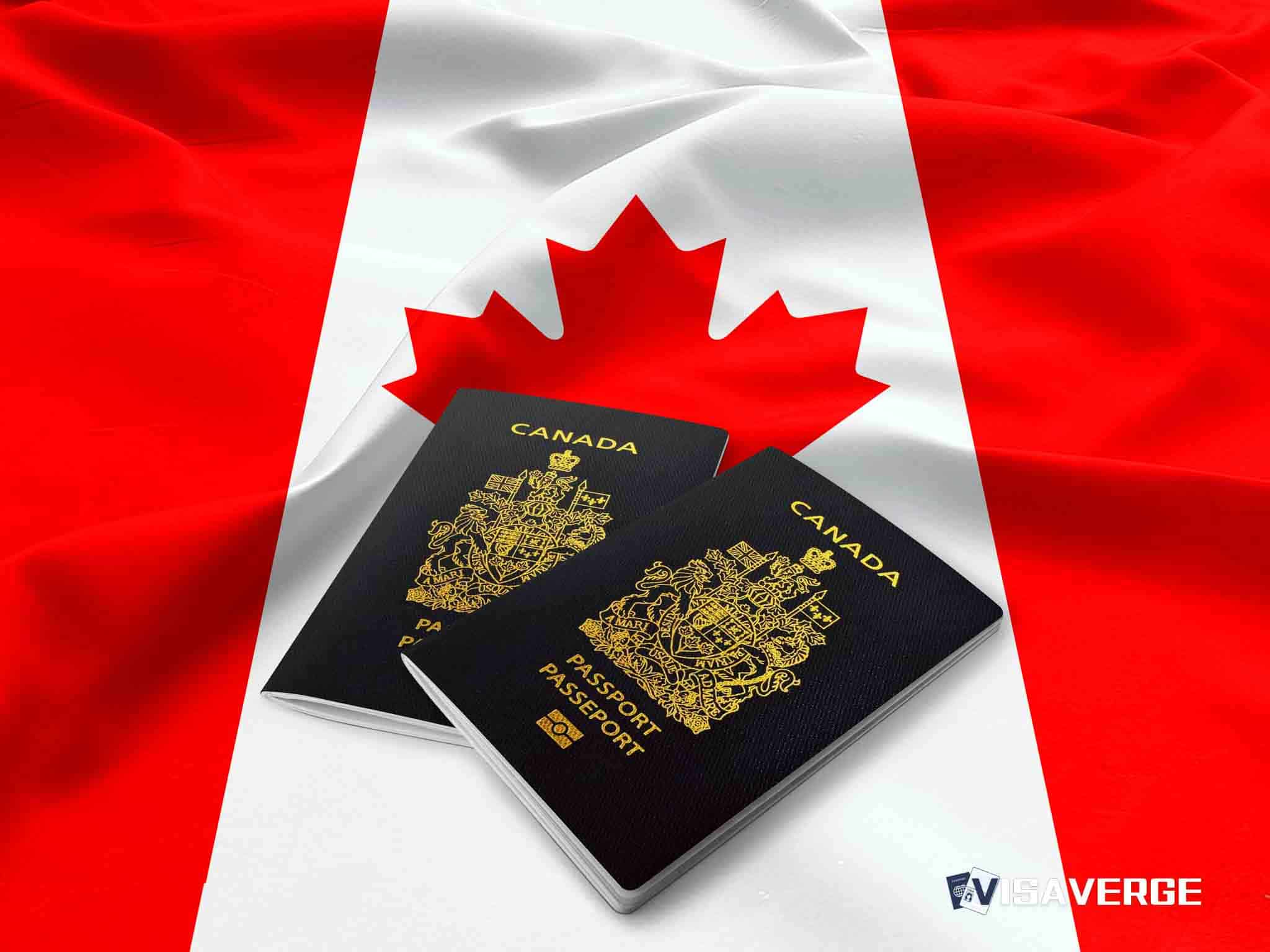
(CANADA) Canada is moving to give itself new powers to cancel visas for large groups of people at once, a step ministers say is needed to protect the system as pressures build at the border. The proposal, advanced this week under Prime Minister Mark Carney’s government, would enable Mass visa cancellations covering whole classes of temporary residents or country-specific cohorts. The plan sits inside a wider border-security reform package before Parliament, and it is already drawing strong reactions from communities most exposed to the change, especially applicants from India and Bangladesh.
What the bill would do

At the core of the bill is new IRCC/CBSA authority. Immigration, Refugees and Citizenship Canada and the Canada Border Services Agency would move beyond case-by-case reviews and gain the power to cancel or refuse visas for groups of applicants.
Officials say the trigger would be large-scale risks to program integrity, such as:
Free toolCanada Express Entry Points Calculator- spikes in visa fraud
- widespread document problems
- sudden surges in asylum claims linked to specific routes
The government has framed the measure as a “rare use” tool to act faster when normal screening falls behind real-world risks.
Process and safeguards in the draft law
The draft law — identified as Bill C-12 after evolving from an earlier border bill, Bill C-2 — sets out a cabinet-led process before any group action.
Key procedural elements include:
- Cabinet approval required before use
- A public notice published in the Canada Gazette
- A clear explanation of the reasons for the cancellation
- A path for affected people to ask for reconsideration
The government says these steps preserve basic fairness while allowing a fast response if the risk is widespread rather than individual.
“The measure is intended as a rare tool to protect program integrity,” officials say, pointing to public notice and reconsideration options as guardrails.
Why the government says this is needed
Officials point to trends they say cannot be ignored:
- Rising asylum claims by Indian nationals: from fewer than 500 per month in mid-2023 to about 2,000 per month by mid-2024
- Processing times for temporary resident visas from India: increased from about 30 days to 54 days within a year
Officials argue that system stress, fraud rings, and questionable documents threaten the immigration framework and public confidence. They say the ability to act at scale can deter bad actors and stop harm quickly if a fraud network or surge overwhelms screening.
Concerns, critics, and community impact
Critics warn the policy marks a sharp break from Canada’s long-standing emphasis on individual review. Analysis by VisaVerge.com suggests that tying policy to specific cohorts brings Canada closer to what some call a “Trump-style” posture associated with group-based restrictions.
Opposition and civil society concerns include:
- Potential discrimination if decisions focus on certain nationalities
- Damage to Canada’s reputation as a welcoming country
- Risk of stranding people mid-journey: students who paid tuition, workers with signed contracts, spouses planning reunions
- Calls for clearer definitions of “high-risk” situations, independent oversight, and time limits on any order affecting a country or class
Lawyers and advocates emphasize that even with a reconsideration option, wide cancellations can cause severe disruption.
Who might be affected first
Internal planning materials, described by people familiar with the file, flag Indian nationals as a primary focus due to the volume and nature of recent applications. Bangladesh is also mentioned among countries officials describe as higher risk for fraud or irregular migration patterns.
The power could be used in broad emergencies (pandemics, wars) but officials also point to non-emergency cases where country-specific visa holders may present a system-level risk.
Impact on temporary residents, schools, and employers
Any move toward Mass visa cancellations would land hardest on temporary residents: students, workers, and visitors—the cohorts most likely to be defined as “classes” under the bill.
Context and impacts:
- The government aims to cut the share of temporary residents to 5% of Canada’s population by the end of 2026
- New intake caps for study permits and stricter criteria for temporary foreign workers have been introduced
- College recruiters warn that uncertainty may deter international students
- Employers caution that sudden cancellations could interrupt projects and harm small firms reliant on seasonal staff
College recruiters and businesses say they need predictability, not just lower numbers, and warn blunt tools could drain talent and slow investment.
Timeline and political debate
The timeline moved quickly: the measure was bundled into a larger border-security reform package and sent to Parliament as Bill C-12 after initial discussions under Bill C-2.
Officials briefed stakeholders on proposed guardrails:
- Cabinet decisions
- Transparent public notices
- Reasons stated on the record
- A channel for reconsideration requests
Supporters argue the state must act when evidence shows fraud or sudden claim spikes erode program credibility. They claim a short, sharp cancellation order may protect public trust better than months of delay.
Opponents counter that policy should focus on:
- Better screening
- More officers
- Faster document checks
They warn against broad cancellations that sweep up genuine travelers along with bad actors and caution that the “Trump-style” label frames migrants as threats.
Practical response from affected parties
Applicants, families, schools, and employers are already reacting:
- Families weigh whether to apply early, delay, or change plans
- Schools and employers draft contingency plans in case a cohort is frozen
- Consultants and lawyers prepare for a likely spike in reconsideration requests and advise clients to keep documents complete, consistent, and ready to defend
Broader context: immigration targets and policy trade-offs
This shift coincides with lower intake targets for permanent residents over the next three years:
- 395,000 in 2025
- 380,000 in 2026
- 365,000 in 2027
The government says this reversal is meant to ease pressure on housing, services, and the labour market. Universities and businesses argue that predictability and targeted improvements to processing capacity matter more than blunt cancellation powers.
Key takeaways
- The bill would give IRCC and CBSA the power to cancel visas for defined groups when system-level risks are identified.
- Proposed safeguards include cabinet approval, a public notice in the Canada Gazette, and a reconsideration path.
- Critics warn of discrimination, stranded travellers, and erosion of individual-review principles.
- The measure could particularly affect students, temporary workers, and visitors from flagged countries such as India and Bangladesh.
- The outcome will shape who can travel to Canada, how quickly they can arrive, and how secure they feel once admitted.
Frequently Asked Questions
This Article in a Nutshell
Bill C-12 would grant IRCC and CBSA authority to cancel or refuse visas for defined groups when system-level risks like fraud or surges appear. The draft requires cabinet approval, public notice in the Canada Gazette and a reconsideration path. Officials cite rising asylum claims from India and longer visa processing times as drivers. Critics warn of discrimination, stranded applicants, and harm to students and employers. The measure forms part of a broader border-security reform and reduced immigration intake targets.