Key Takeaways
• Billboards campaign pushes back against April 2025 immigration crackdown in U.S. cities.
• Krome Detention Center expands with tents, raising concerns about overcrowding and detainee conditions.
• Debate intensifies as public protests and tent cities highlight divisions in U.S. immigration policy.
Officials across the United States ?? are taking bold steps in response to the current immigration crackdown. As of April 28, 2025, two things stand out: a push to display billboards against immigration crackdown policies and the expansion of the Krome Detention Center, including the creation of a tent city. These changes show the deep tensions and urgent issues tied to the country’s immigration system in recent times.
This article will explore these two main developments in detail: the plan for billboards against the immigration crackdown and the expansion of Krome Detention Center into a tent city. We’ll break down what’s happening, why it matters to different groups, and what the possible effects may be for the future of immigration in the United States ??.
Free toolUSCIS Receipt Number Decoder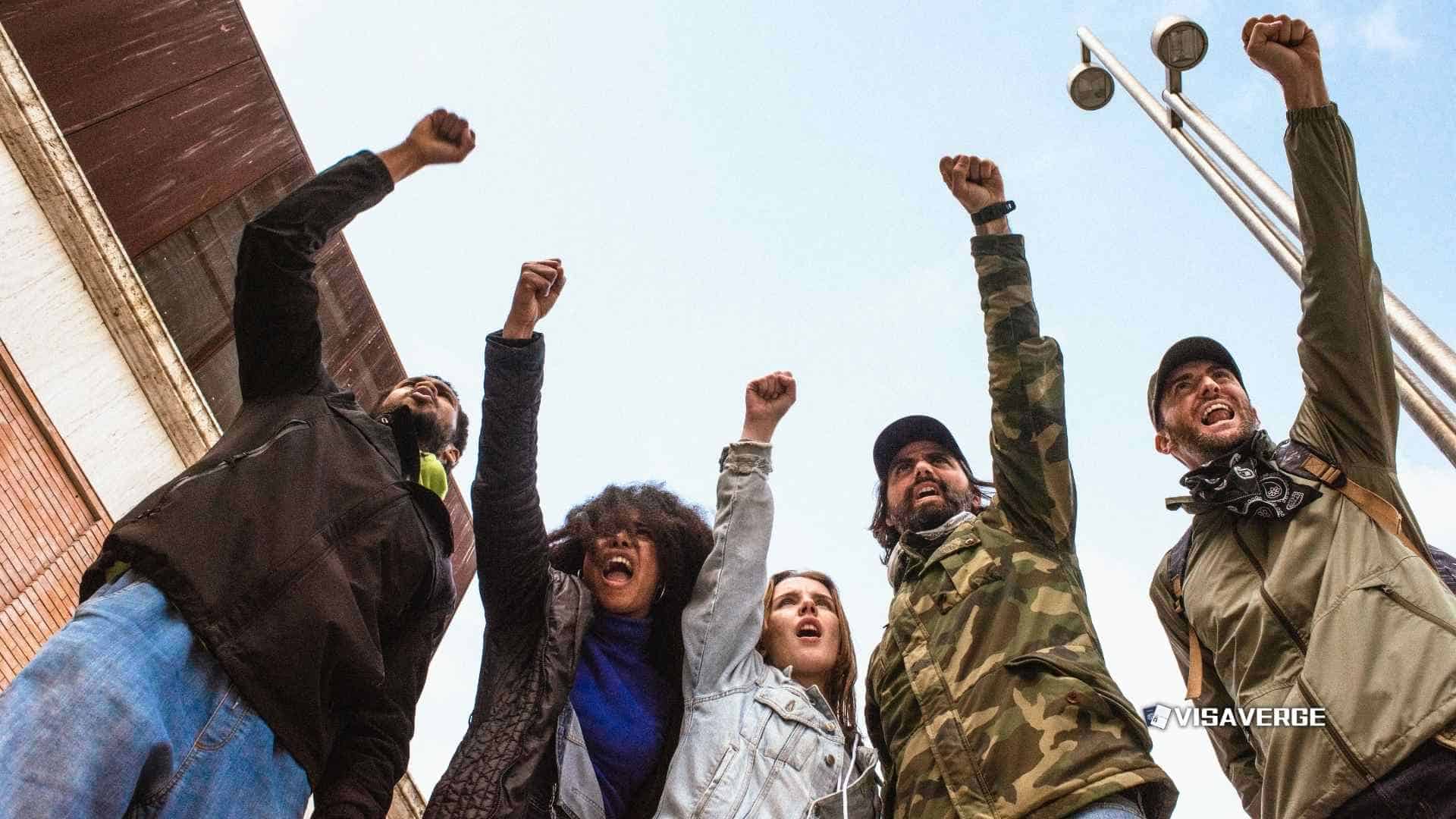
Billboards Against Immigration Crackdown: What’s Happening and Why
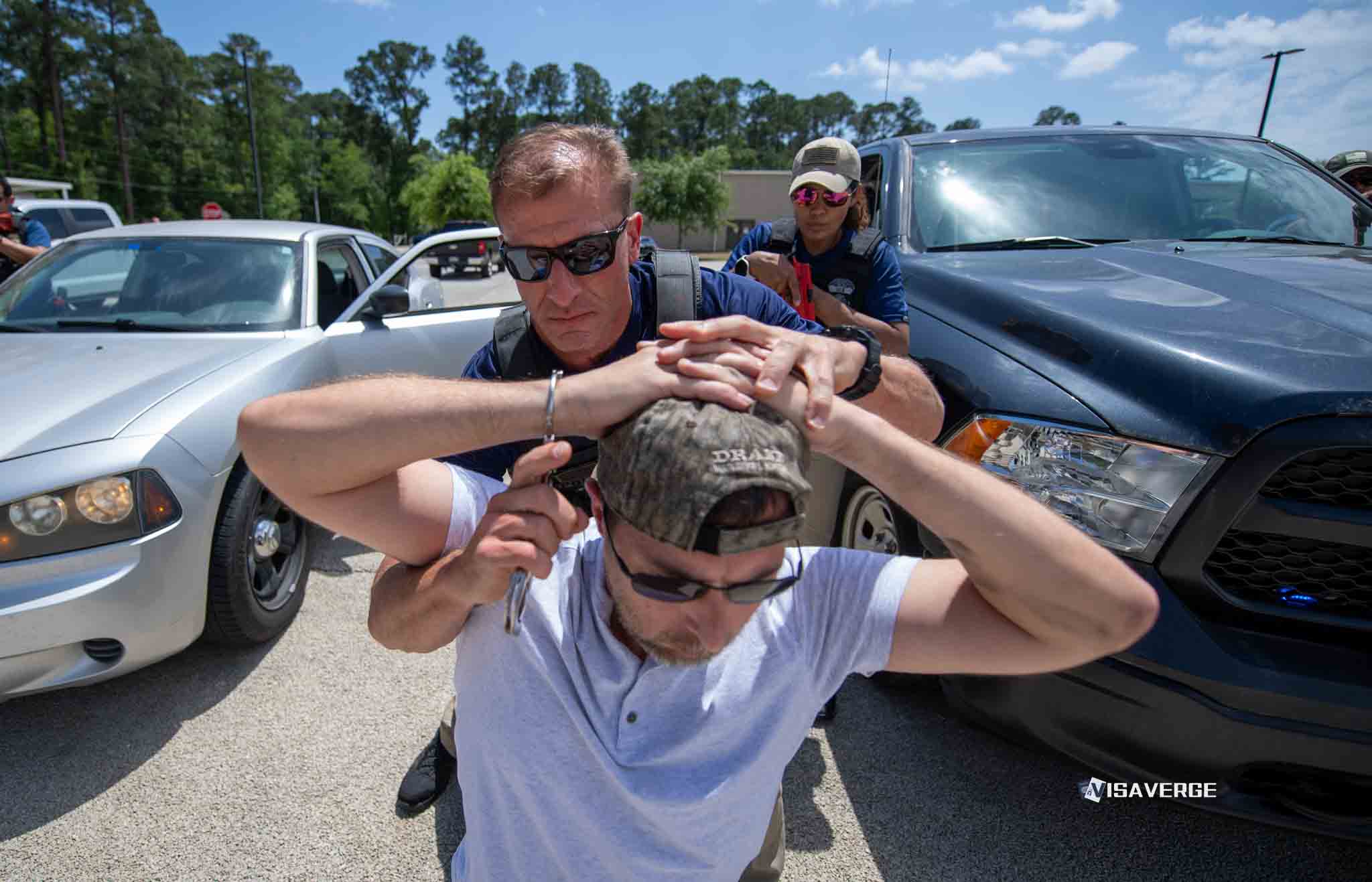
Local officials—especially in areas hit hard by immigration enforcement—are ready to launch a campaign using billboards against immigration crackdown actions led by the Trump administration. This comes after months of increased enforcement, new raids, and hardship for immigrant communities. The plan is simple: use large billboards on highways and city streets to send a clear message against the aggressive moves to detain and deport immigrants.
Who is Behind the Billboard Campaign?
The push for billboards is being led by officials and advocates who want to stand up for immigrants facing tough conditions. Many of these leaders have also joined in other protests, such as city rallies and marches, aimed at stopping what they see as unfair treatment. The billboard campaign is a new way to get more people to notice and support their cause. Community organizers hope that seeing billboards against immigration crackdown efforts will spark people’s interest and get them thinking about the real impacts these policies have on families and neighborhoods.
Why Billboards?
Billboards are big, hard to ignore, and placed where thousands of people see them every day. They can reach those who might not follow the news or attend a protest. The goal is to remind onlookers that immigration enforcement doesn’t just affect those detained. It touches families, friends, workers, and entire communities. Organizers believe that by displaying simple, strong messages with real stories and clear facts, they can raise more understanding and perhaps change minds about how immigration should be handled.
Public Response and Protests
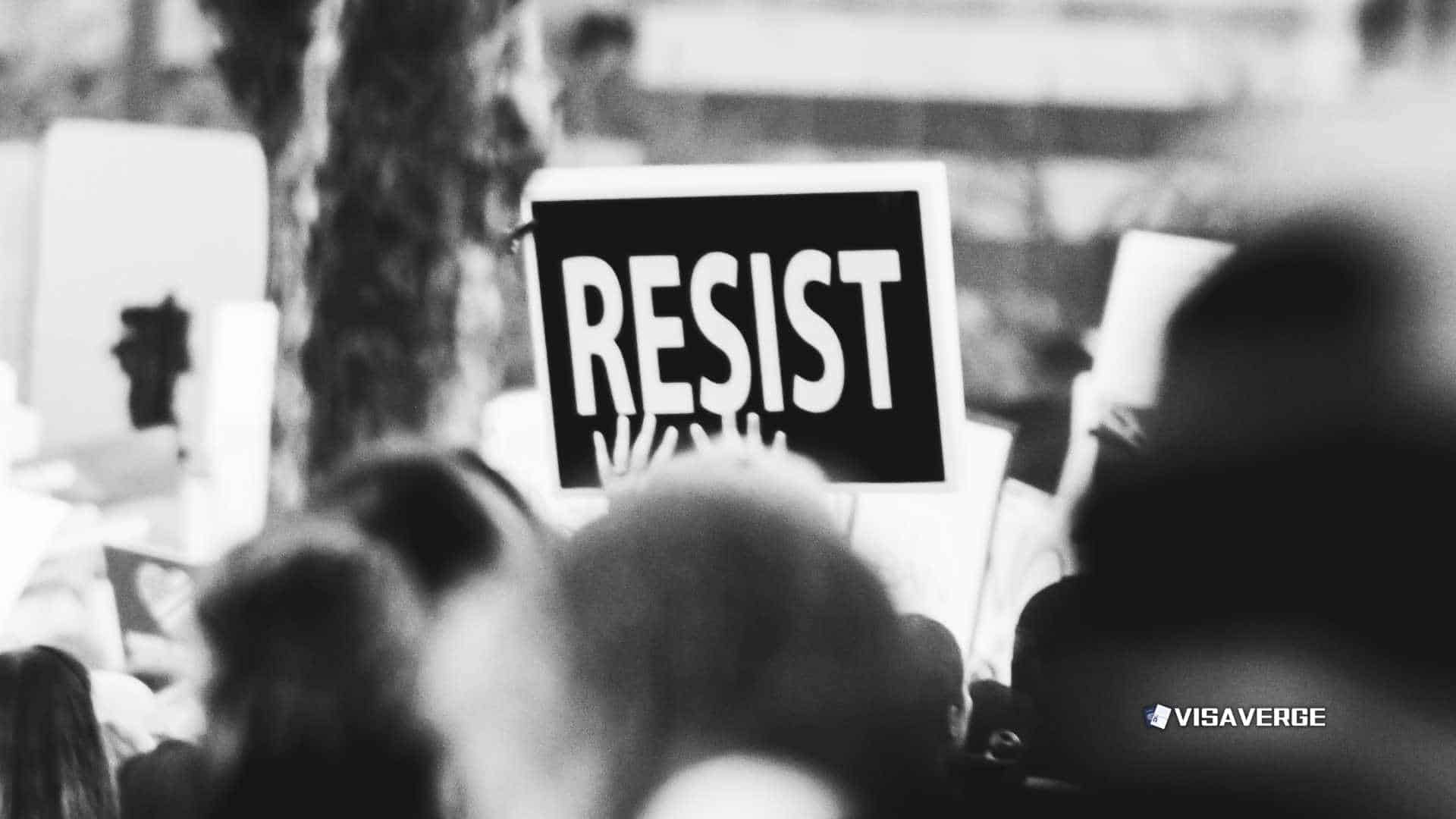
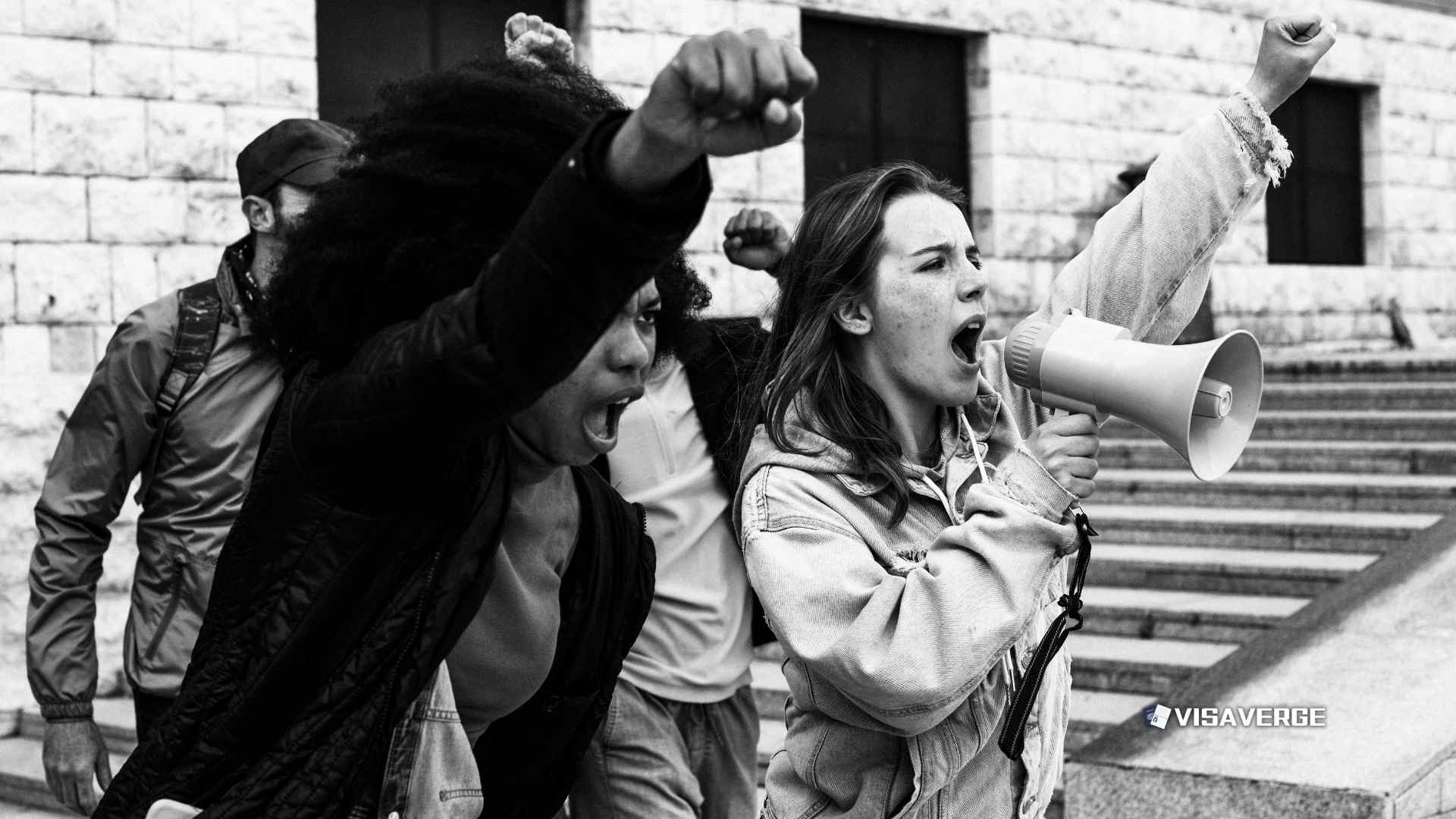
The billboard plan isn’t the first public protest against the immigration crackdown. Across the United States ??, thousands have already marched and rallied to urge a stop to mass enforcement and deportations. Signs, banners, and chants have filled city squares, especially after reports of families being separated or workers being rounded up at job sites. The billboards are viewed as a next step—something constant and highly visible that keeps the discussion going even after the rallies end.
According to reports by VisaVerge.com, this kind of public protest can spark bigger conversations. When people see billboards against immigration crackdown efforts as they drive to work or school, it encourages them to talk about what’s happening. This can help bring more voices to the debate and may put pressure on lawmakers to look at changes in how the country carries out its immigration policies.
Different Views on the Billboards
Not everyone agrees on the billboard approach. Supporters say these billboards give a voice to those who may feel powerless. Many believe it’s important to speak up when families are at risk of being torn apart or when workers fear losing their jobs or being detained suddenly.
On the other hand, some critics argue that the billboards might give the wrong impression, suggesting that law enforcement should not uphold the country’s immigration rules. They say that strong laws are needed to keep the country safe and that enforcement is a key part of that. This debate over how to balance laws with compassion is at the heart of the current tensions.
Krome Detention Center: The Move to a Tent City
At the same time as cities are planning billboards, major changes are happening at detention facilities. Nowhere is this more clear than at the Krome Detention Center in Florida ??. To address overcrowding, the center has started building a tent city. This is a temporary solution but is drawing national attention for its scale and what it means for conditions inside.
Overcrowding Pressures
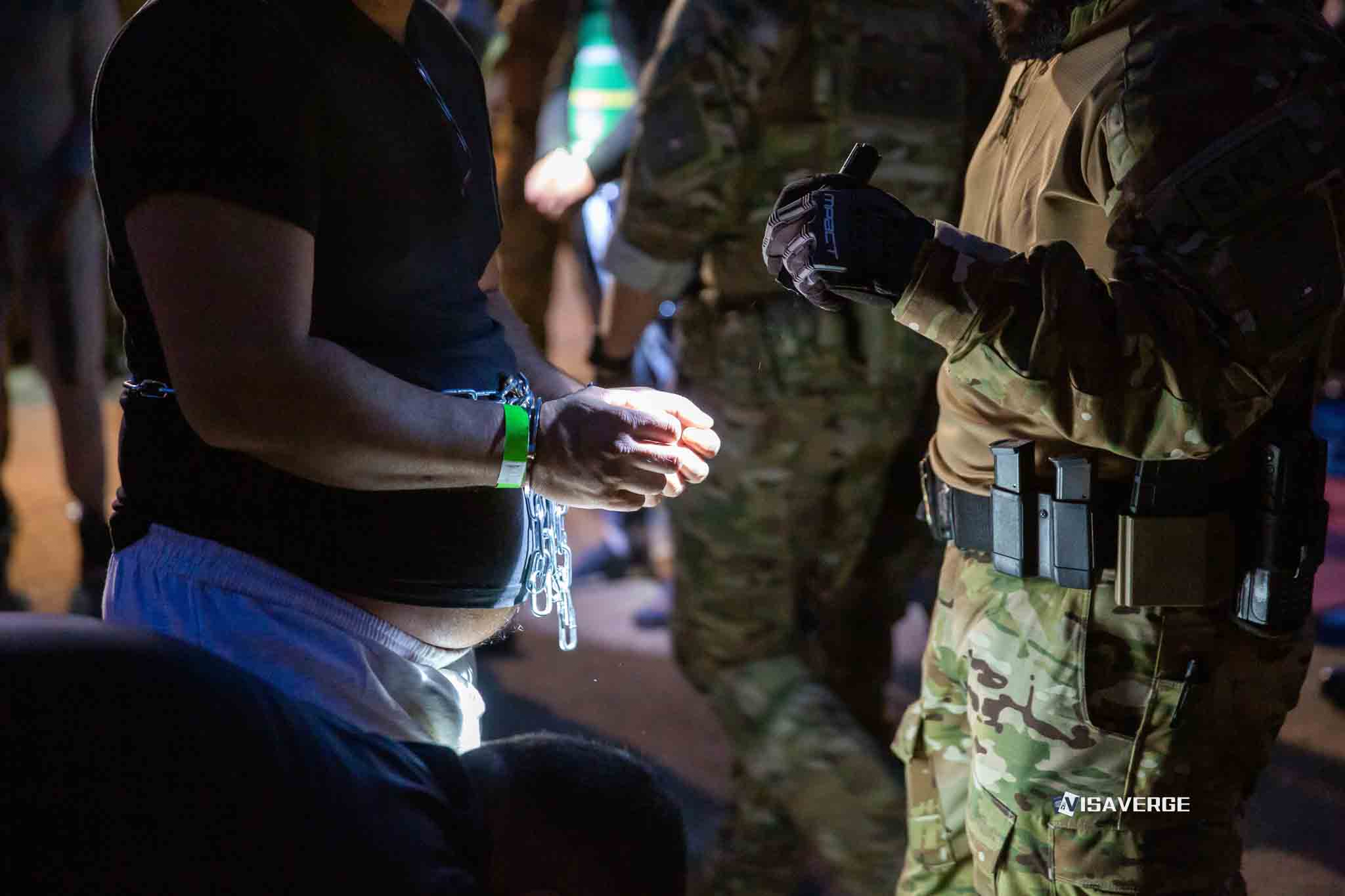
With stepped-up enforcement, more people are being taken into custody faster than before. Facilities like Krome Detention Center are filling up quickly. Reports say the facility has faced a long list of complaints about safety risks, dirty living spaces, and poor medical care.
U.S. Rep. Frederica Wilson visited Krome recently to see the conditions in person. During her tour, she noted that new tents—large enough to fit hundreds more detainees—were being put up as quickly as possible. These tents, known as the Krome Detention Center tent city, are meant to serve as a stop-gap measure until more permanent solutions can be found.
What is a Tent City?
A tent city, in this case, means large outdoor tents set up on the grounds of the detention center. Each tent is meant to house many people, providing only basic shelter. These are not permanent buildings. They are quick-to-build, temporary answers to overcrowding. The use of tents raises many concerns about living conditions, especially in Florida’s hot and humid climate.
Stakeholder Concerns
- Detainees: Many of those held inside fear that crowded tents will make life harder. There are worries about the spread of illness, lack of privacy, and not enough access to toilets, food, or clean water.
- Advocates and Human Rights Groups: These groups have long spoken out against the use of tents or other temporary fixes. They say such moves show the country is failing to provide safe, humane conditions for people in custody.
- Local Leaders: People like Rep. Frederica Wilson have called for better ways to handle the increase in detainees, pointing to the dangers of putting large numbers of people in tents.
History and Impact
The United States ?? has faced similar issues before. During past crackdowns, detention centers became overcrowded, leading to the use of tent cities or makeshift facilities. Each time this has happened, reports surfaced about hardships for detainees and more calls for reform.
Building a tent city at Krome Detention Center adds to the debate. Some say it’s necessary to keep up with the rising number of detainees. Others see it as proof that the system is not equipped to handle increased enforcement without risking basic standards for health and safety.
Understanding Broader Context: Why Now and What’s Next
Both the billboard campaign and the expansion at the Krome Detention Center fit into a much bigger picture. Immigration has become one of the most talked-about issues in the United States ??, especially under the Trump administration. Rules have changed quickly, leading to more raids, arrests, and detentions.
The Climate of Enforcement
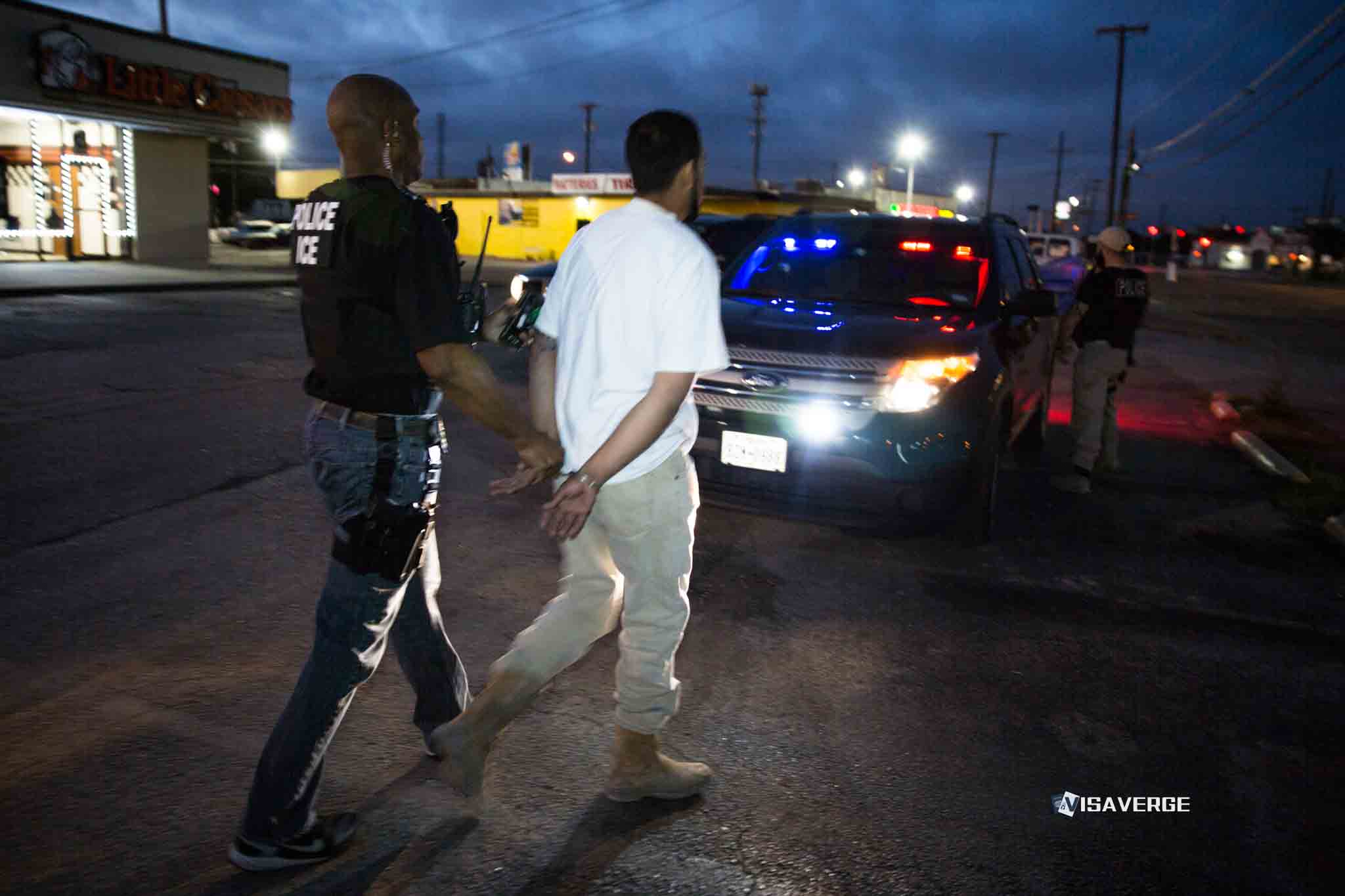
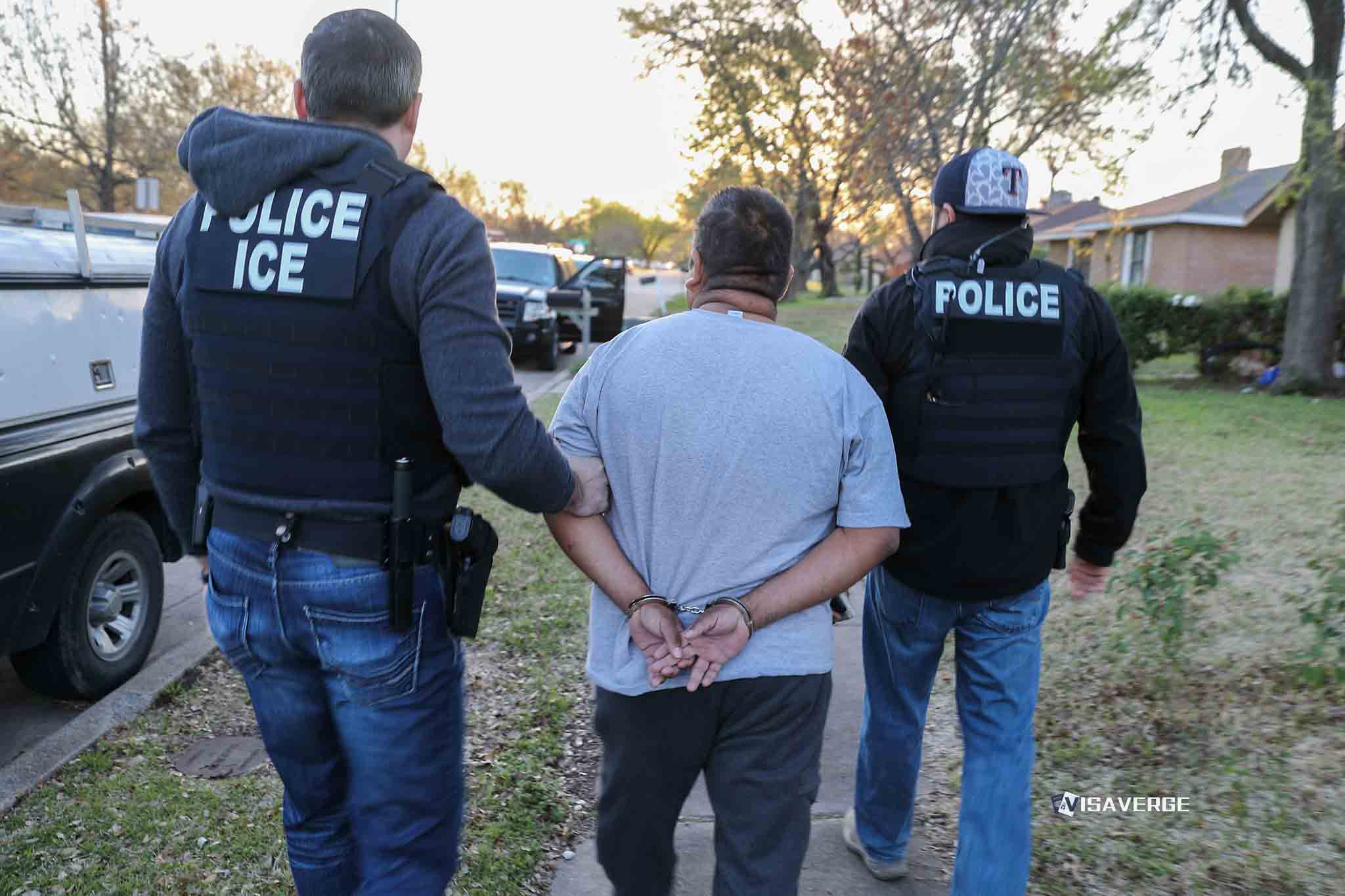
Over the last year, officials say thousands have been detained during workplace raids, and more families have been separated at the border and within cities. This crackdown has led to strong support from some groups, but it’s also brought about fierce protests. The new moves, such as the billboard push and tent cities, are happening in direct answer to these changes.
Calls for System Reform
Many community members, church groups, and local officials believe the time has come for a different approach. They call for solutions that don’t rely only on detention or quick deportation. Instead, these advocates hope for fair hearings, more support for immigrant families, and answers that stay within the country’s values.
The debate is ongoing. On one side, some want stronger enforcement and believe that means more space for detainees, like what’s happening with the tent city at Krome Detention Center. On the other side, many are using billboards against immigration crackdown policies to press for a more welcoming approach.
Possible Effects and the Path Forward
The future of immigration policies and how the country treats those in detention will depend on many things, including upcoming elections, court decisions, and continued protest. If the billboard campaign gains wide attention, it may shift the debate and add to the pressure for change. If tent cities at detention centers grow, expect more concerns about how the system treats people in custody.
Key Takeaways and What to Watch
- The Billboards Against Immigration Crackdown: This campaign could shape how the public thinks about immigration enforcement. Watch for more billboards in large cities, especially in places where protests have been strong.
-
The Krome Detention Center Tent City: As more tents go up, there will likely be more reports on conditions inside and responses from state and federal leaders. Stories from inside these tent cities may influence future policies.
-
Local and National Responses: How local cities and national lawmakers react to these changes will help decide what’s next. More protests or legal efforts might follow if conditions don’t improve.
-
The Role of the Public: Ordinary people—whether by seeing billboards, attending rallies, or contacting their leaders—play a big part in what happens next.
Official Resources and Further Information
For those who want to learn more about immigration policies, detention centers, and rights for detainees, the official U.S. Immigration and Customs Enforcement website provides details on current facilities and government procedures.
VisaVerge.com’s investigation reveals that both the billboard protests and the expansion at Krome are sparking more questions about the country’s direction on immigration. These events don’t only affect those in custody. They ripple through towns, schools, and workplaces everywhere.
Conclusion: The Importance of Staying Informed
The next few months will likely bring further changes, whether in the form of more billboards against immigration crackdown policies, additional tent cities like the Krome Detention Center tent city, or new debates in Congress. With voices on both sides growing louder, it’s important for everyone—immigrants, advocates, policymakers, and everyday citizens—to stay alert and take part in the conversation.
The choices made now will shape not just laws but the lives of millions. As the United States ?? faces a new chapter in its immigration story, small steps like billboard campaigns and large trials like tent cities will send strong signals about what kind of country it wants to be. Staying informed and speaking up can help guide the country toward answers that respect law, fairness, and human dignity.
Learn Today
Billboards Against Immigration Crackdown → Large public signs opposing aggressive detention and deportation policies, used to increase awareness and protest recent enforcement measures.
Krome Detention Center → A major Florida facility where migrants are held during immigration proceedings, currently expanding with temporary tent structures.
Tent City → A temporary grouping of large tents used to house detainees due to overcrowding in permanent facilities like Krome.
ICE (Immigration and Customs Enforcement) → U.S. federal agency responsible for enforcing immigration laws, conducting raids, and overseeing detention centers.
Detainees → Individuals held in custody by authorities, particularly those awaiting immigration hearings or deportation decisions.
This Article in a Nutshell
Immigration tensions intensify in the U.S. as April 2025 sees two major events: a widespread billboard campaign opposing crackdown policies and the rapid expansion of Krome Detention Center into a tent city. These developments spotlight stark divisions and urgent concerns over enforcement, detention conditions, and the future of immigration reform.
— By VisaVerge.com
Read more:
• Krome Detention Center faces overcrowding after rise in immigrant arrests
• New Zealand reconsiders travel advisory after U.S. border detentions
• Disabled people in ICE detention warn of risk in overcrowded jails
• Trump Administration Plans to Use Controversial Florida Facility for Migrants