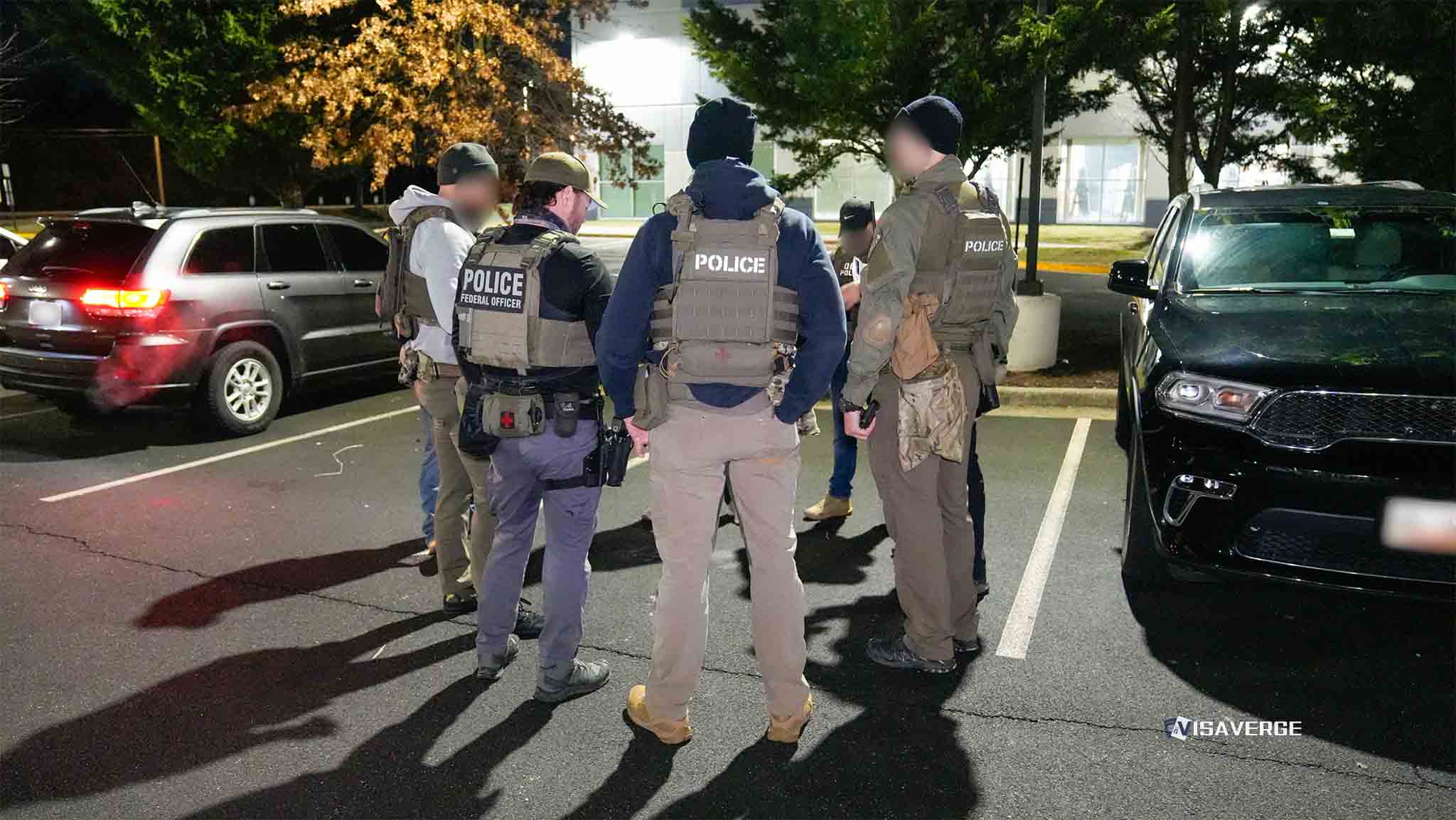
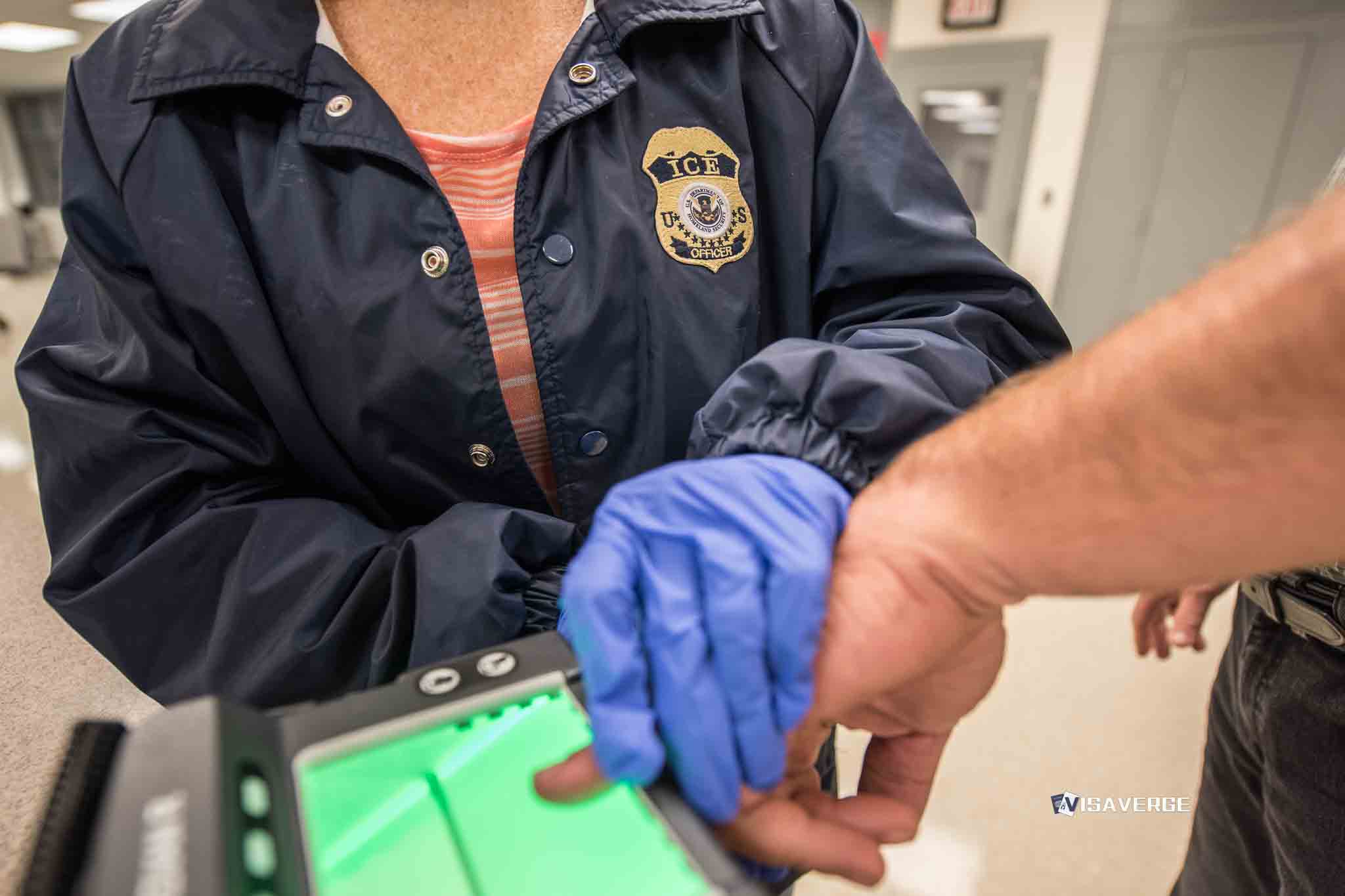
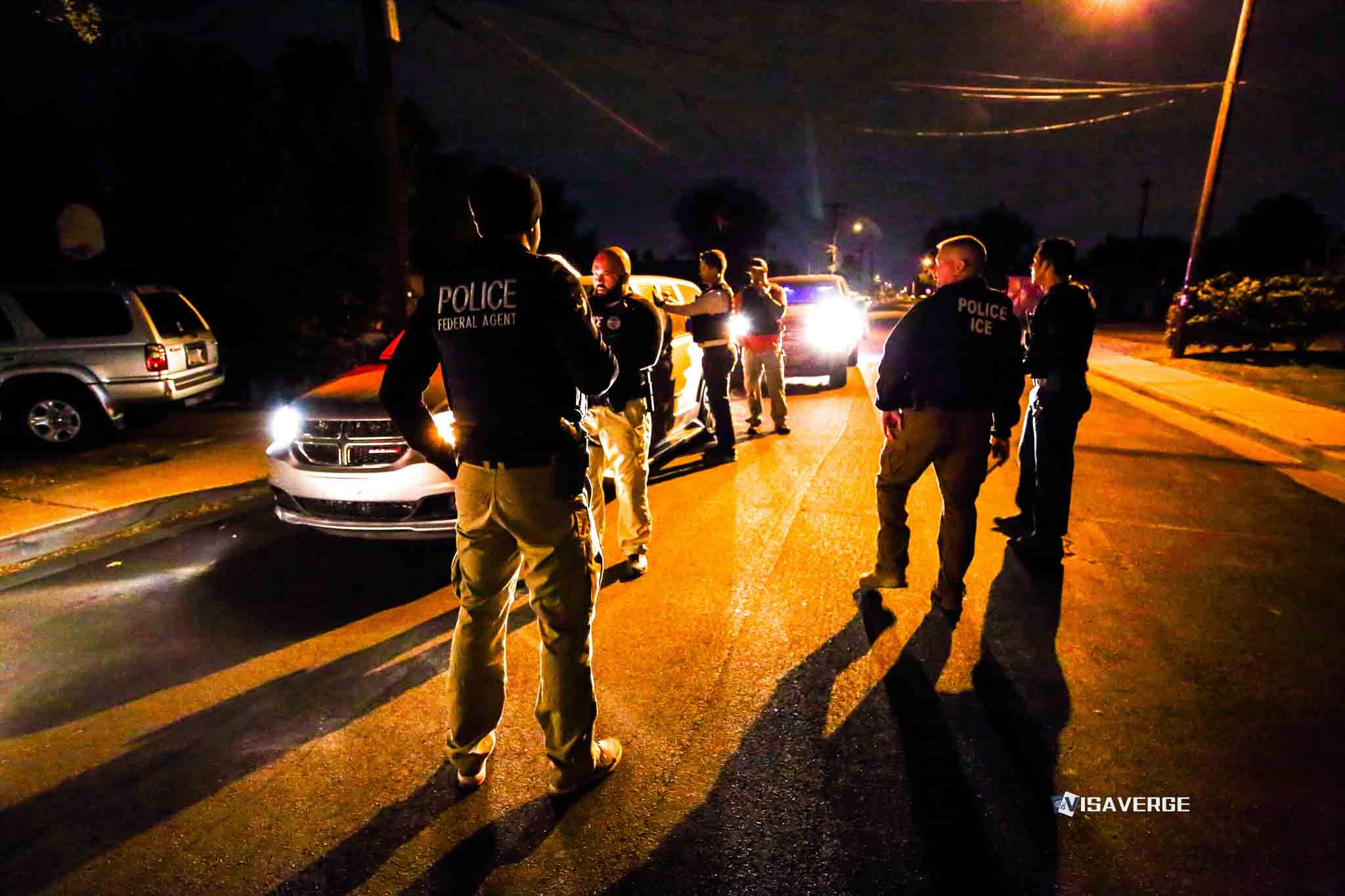
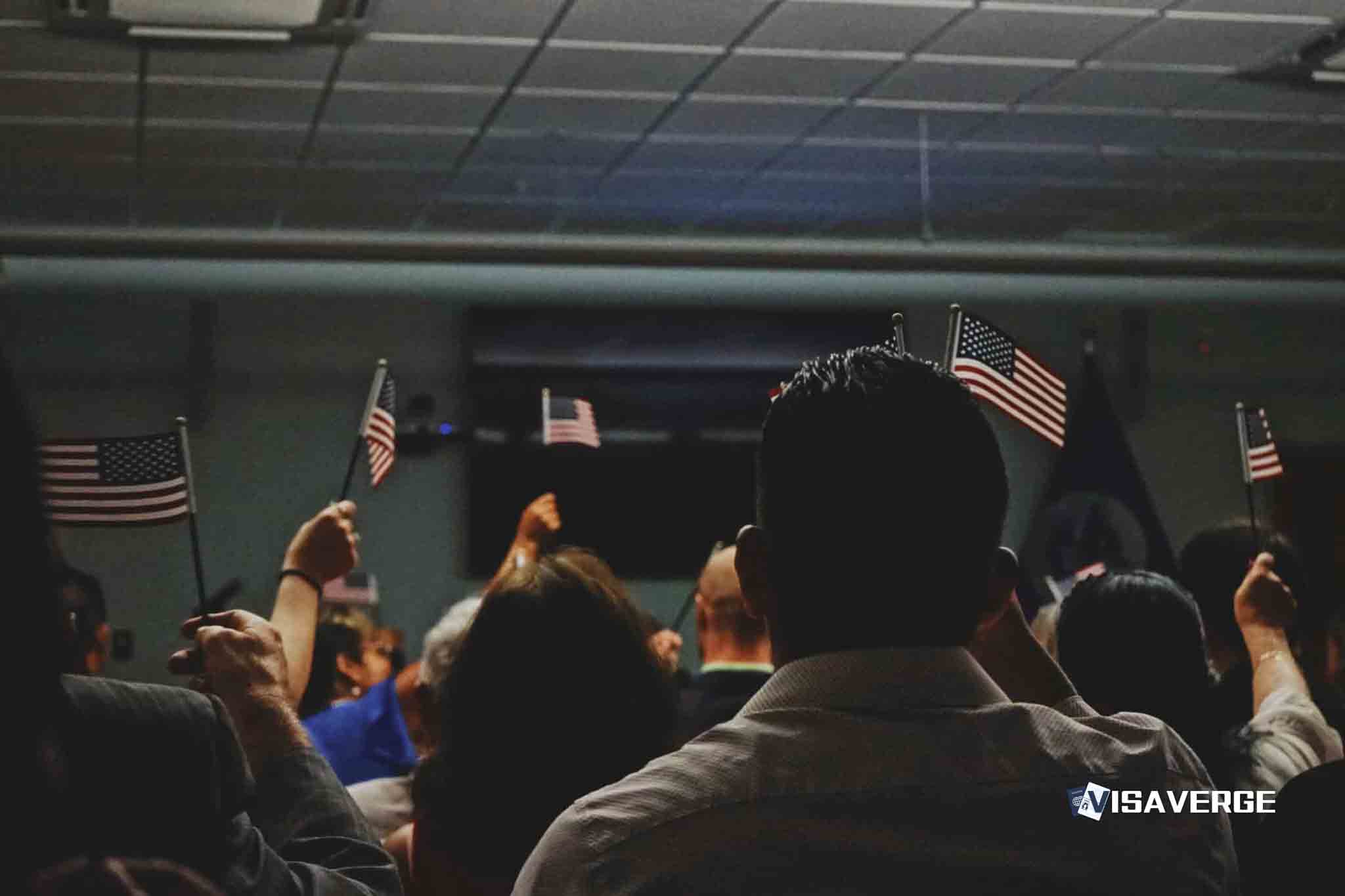
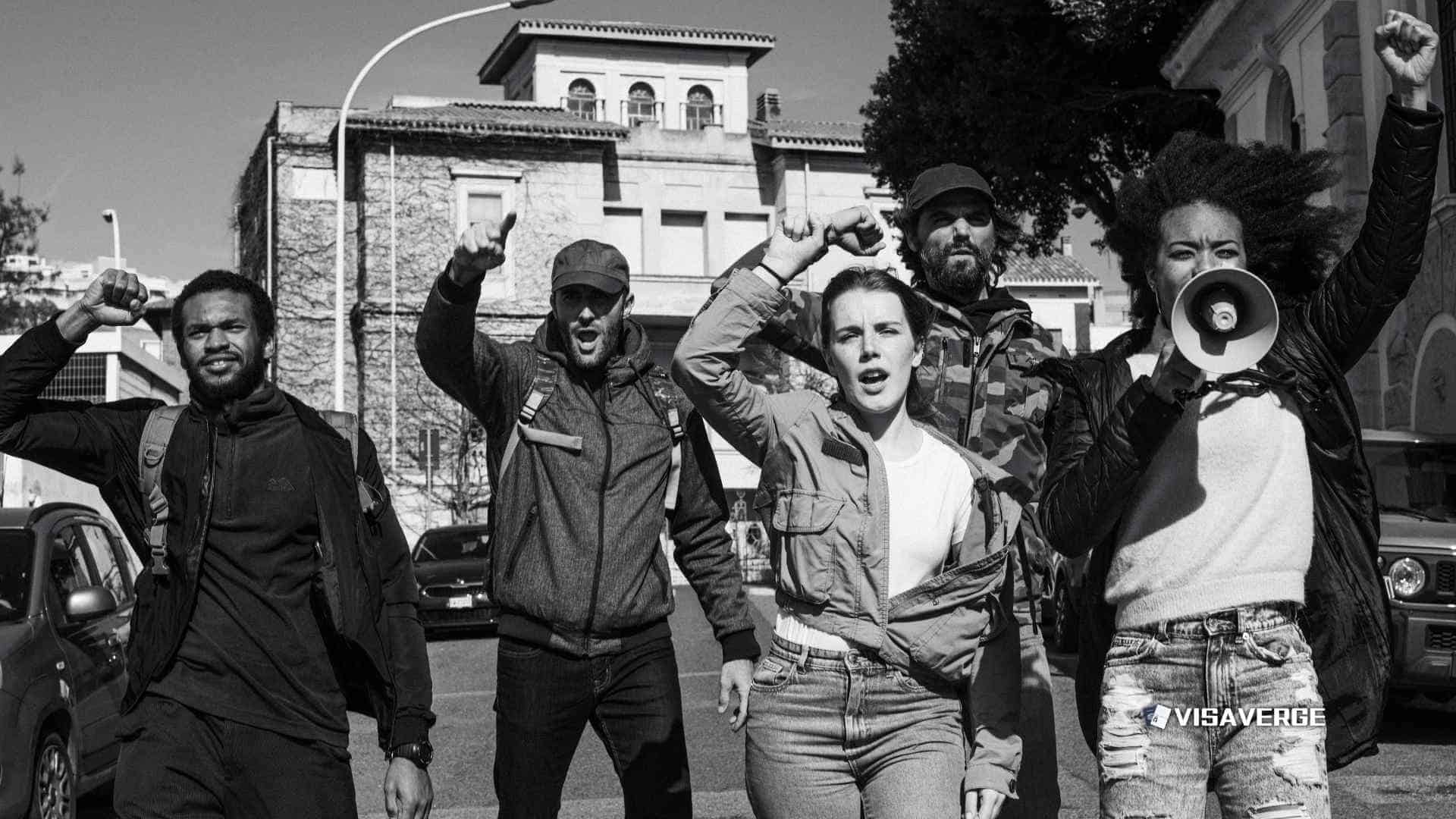
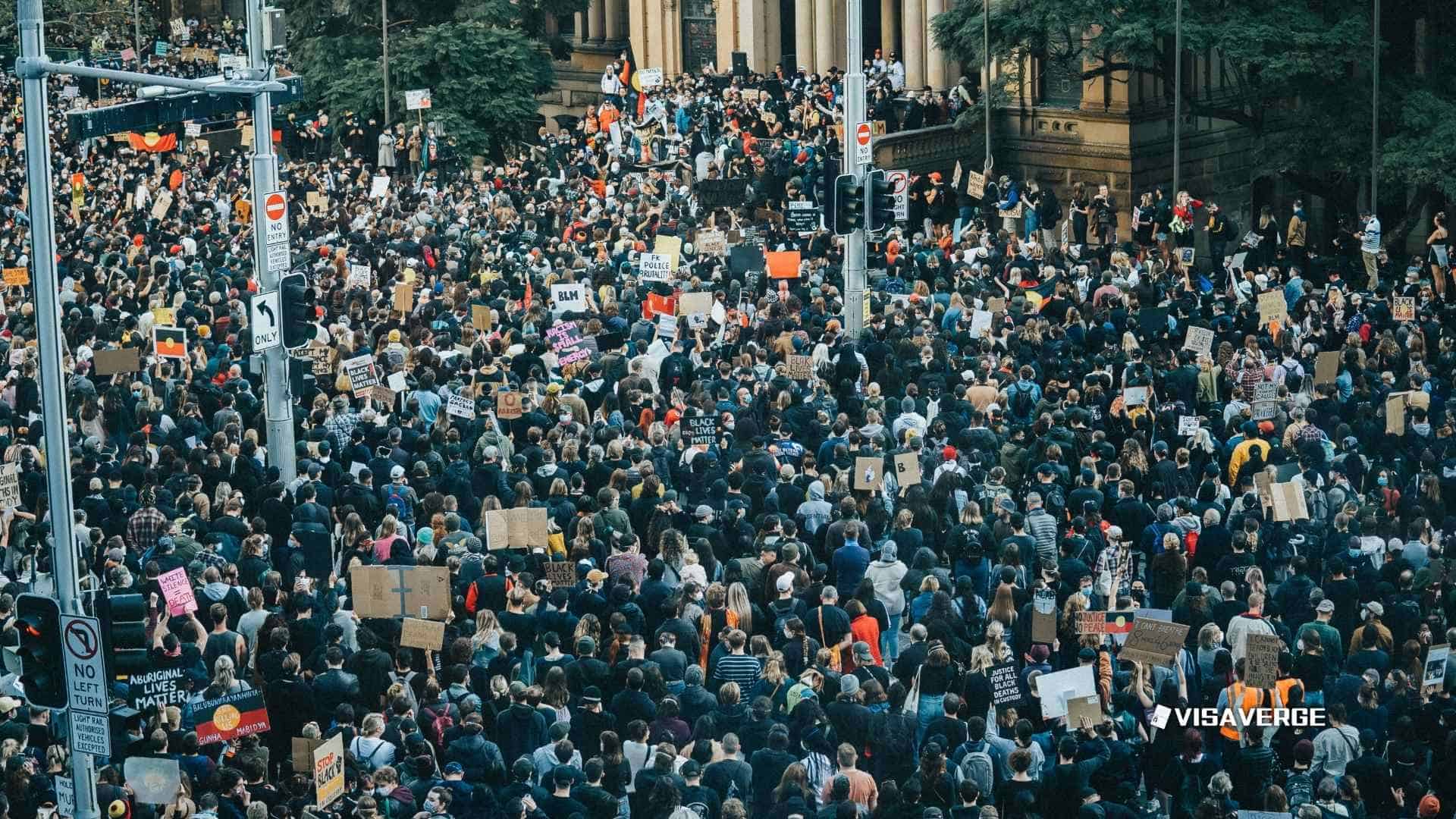
- Supporters gathered in Boise to rally for ICE enforcement amid a nationwide push for federal-local cooperation.
- Operation Metro Surge represents the largest immigration enforcement operation in U.S. history according to federal officials.
- Idaho utilizes 287(g) agreements allowing state police to assist federal agents with specific immigration tasks.
(BOISE, IDAHO) — On January 31, 2026, about 200 supporters gathered at the Idaho State Capitol in Boise to rally in support of ICE, set against a backdrop of broad federal-local cooperation and a nationwide enforcement push.
Section 1: Event Overview
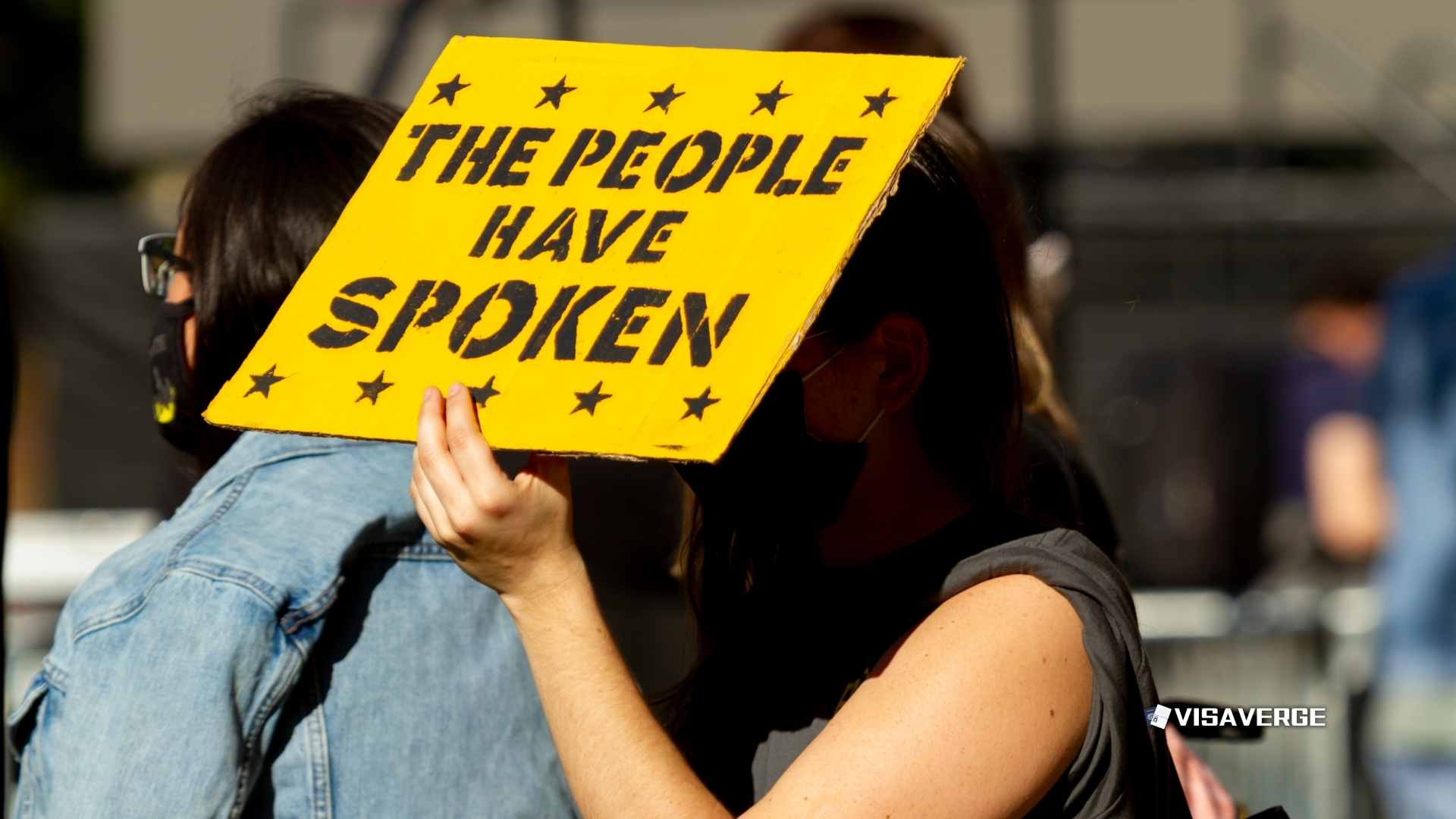
Boise’s rally took place on the steps and grounds around the Idaho State Capitol, with signs and speeches framing immigration enforcement as a “law-and-order” issue and casting ICE agents as public servants under pressure.
Organizers promoted the event as a show of solidarity with federal officers at a moment when demonstrations against immigration enforcement were drawing national attention.
Free toolI-94 Expiration Calculator OnlineIdaho Liberty Dogs organized the Boise gathering and promoted it as a pro-ICE response to a wave of anti-ICE protests around the country. The event’s message echoed a national debate that has sharpened in recent weeks: how aggressive immigration enforcement should be, and how much state and local governments should assist federal officers.
Across the same weekend, protests and counter-protests were reported in multiple places, creating a fast-moving information environment. That matters because local rallies often borrow language from national political messaging, while national officials point to local support or opposition as evidence of public sentiment.
Section 2: Official Statements and Quotes
National officials’ statements in January were frequently invoked by rally supporters and opponents alike, even when those statements were not issued about Boise itself. Those messages centered on two themes: officer safety and a claim that current enforcement efforts prioritize serious offenders.
DHS Secretary Kristi Noem made public comments on January 24, 2026, tied to a Minneapolis enforcement incident that helped fuel nationwide protests. White House Border Czar Tom Homan also issued strong pro-enforcement remarks on January 8, 2026.
DHS Assistant Secretary Tricia McLaughlin spoke on January 26, 2026, describing the administration’s approach in sweeping terms. Separately, Noem had praised Idaho’s cooperation in a June 6, 2025 statement that referenced 287(g).
– Name the speaker.
– State the speaker’s role and agency.
– Give the date of the statement.
– Describe the original setting (press conference, interview, written release).
– Separate official statements from organizer or participant commentary.
⚠️ No DHS or USCIS press release specifically referenced the Boise rally. Treat rally-day claims and circulating quotes carefully, and confirm them through official agency pages or transcripts before repeating them.
For readers trying to keep reporting straight, a simple rule helps: a statement from DHS or ICE is an official federal position, while a rally organizer’s flyer, livestream, or speech is advocacy, even when it repeats official language.
Section 3: Key Facts and Policy Details
Operation Metro Surge is the enforcement label repeatedly cited as the larger backdrop for the Boise event. DHS has described Operation Metro Surge as the largest immigration enforcement operation in U.S. history.
That description carries political weight because it signals scale, intensity, and a national rollout. It also carries legal weight because large operations often raise questions about federal authority, state involvement, and constitutional limits.
One reason Idaho appears frequently in this debate is the practical “handoff” between federal and local systems. A central tool is the 287(g) agreement, a federal program that allows ICE to delegate certain immigration enforcement functions to trained state or local officers under ICE supervision.
In many cases, a 287(g) agreement:
- requires specific training for participating officers,
- sets oversight and reporting rules,
- limits what local officers can do, depending on the model used,
- and keeps ICE responsible for immigration decisions and supervision.
Idaho’s recent actions fit the broader pattern of state-federal cooperation described by officials. In August 2025, Idaho Governor Brad Little authorized the Idaho National Guard to provide administrative support to ICE.
Separately, the Idaho State Police entered into a 287(g) agreement to assist with transporting detainees. Transport support can affect how quickly ICE moves people between facilities, but it does not turn state officers into immigration judges.
Scope still depends on the written agreement and ICE direction. Confusion often arises because the immigration system has multiple federal agencies with different jobs.
USCIS mainly handles benefits and applications, such as permanent residence and naturalization. ICE focuses on enforcement, detention, and removals. A rally about ICE is not a rally about USCIS adjudications, even though both sit within the federal immigration system.
| Item | Definition/Role | Source/Date |
|---|---|---|
| Operation Metro Surge | DHS-described nationwide immigration enforcement operation; cited by DHS as the largest in U.S. history | DHS description referenced in January 2026 coverage |
| 287(g) agreement | ICE program delegating limited immigration enforcement functions to trained local officers under ICE supervision | Federal statute at https://www.law.cornell.edu/uscode/text/8/1357; DHS statements include June 6, 2025 quote |
| Idaho National Guard administrative support | State-authorized administrative assistance to ICE | Idaho action reported as authorized in August 2025 |
| Idaho State Police transport involvement | State police support role tied to detainee transport under 287(g) cooperation | Reported as connected to a 287(g) agreement; referenced alongside Idaho cooperation statements |
Section 4: Competing and Related Rallies
While Boise hosted a pro-ICE rally, anti-ICE rallies were also reported in Idaho Falls, Pocatello, Rexburg, and Caldwell around the same time.
Parallel demonstrations can change how local stories are covered, since social media posts and short clips travel quickly between cities and get recast as “what’s happening everywhere.”
In Idaho Falls, protesters reported being harassed, including an allegation that someone was struck by a tomato thrown from a passing vehicle. That account should be treated as reported activity unless confirmed through official records or direct documentation, because small incidents can be amplified online and misattributed to the wrong place or date.
Competing demonstrations also affect public safety planning. Local law enforcement and city officials may need to plan for traffic control, crowd separation, and de-escalation, even when events are peaceful.
Section 5: Context and Significance
Late January brought a chain of events that turned local rallies into flashpoints. In Minneapolis, two deaths were cited in protest materials and public debate: Renee Nicole Good (a 37-year-old poet) and Alex Pretti (a 37-year-old VA nurse), described as killed by federal agents during enforcement actions in late January 2026.
Public officials and advocates have framed those incidents in sharply different ways, which is part of why precise attribution matters.
Another accelerant was the National Strike on January 30, 2026, promoted with the slogan “no work, no school, no shopping.” Strikes and boycotts are not immigration procedures, but they can shape public services and business activity in the short term.
Events like the Boise rally also spotlight federal-state friction. Federal officials may praise cooperation. Critics may argue that cooperation blurs accountability. Those are competing political claims, and they often collide most visibly at street-level demonstrations.
Section 6: Impact on Affected Individuals
Supporters at the Idaho State Capitol described ICE agents as working under heightened scrutiny and risk, and they echoed national messaging about self-defense and officer safety. That framing can influence local attitudes toward cooperation programs like 287(g).
PODER of Idaho and similar advocacy groups describe a different daily reality. They report fear and “occupation and intimidation” in neighborhoods, with some families avoiding school, work, or medical appointments.
Spillover can happen even for people with lawful status, because families share rides, homes, and routines. Rumors can also trigger missed appointments and lost wages.
Civil liberties debates have sharpened alongside the surge. On January 31, 2026, federal judge Katherine M. Menendez in Minnesota denied a preliminary injunction that would have halted the surge.
A preliminary injunction is a court order requested early in a case to pause a policy while the lawsuit proceeds. Denial does not end the lawsuit, but it usually means the challenged policy can continue during the litigation, unless an appeals court intervenes.
For people who worry about encounters with law enforcement, careful documentation can help without escalating a situation. Write down the date, time, location, and agency names. If safe and lawful, record names and badge numbers. Keep copies of paperwork. Avoid interfering with officers, since that can create legal risk.
Section 7: Official Government Sources
Readers looking to verify federal actions should separate “policy messaging” from “case action.” DHS communications commonly include leadership statements and broad policy announcements. ICE updates often focus on enforcement activity, program participation, and operational news.
For state-level steps, the clearest public record is usually the governor’s office, which may post announcements about National Guard support, interagency coordination, or other cooperation measures.
For the 287(g) framework itself, the federal statute is publicly available and can help readers distinguish what the law allows from what any rally speaker claims. The text of 8 U.S.C. § 1357(g) is available via Cornell Law School’s Legal Information Institute: https://www.law.cornell.edu/uscode/text/8/1357. For immigration benefits information and agency roles, USCIS maintains public-facing explanations at https://www.uscis.gov.
The safest reporting habit is simple: treat a rally as evidence of political energy, not as proof of legal authority or official policy.
This article involves legal and policy content; readers should consult official sources and qualified legal counsel for individual issues.